


Strait of Hormuz Blockade Disrupts 20% Global Trade | Seller Shipping Crisis
- 45 commercial vessels redirected, OFAC sanctions warnings issued May 1, indefinite ceasefire creates 6-12 month supply chain uncertainty for Asia-Middle East corridor sellers







Overview
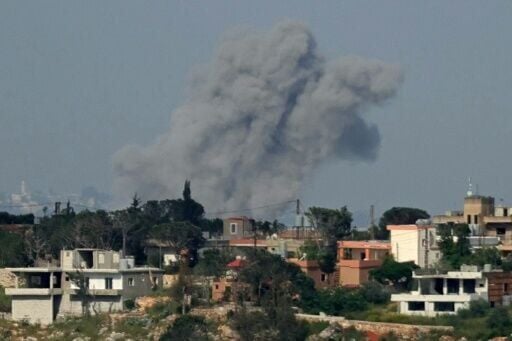
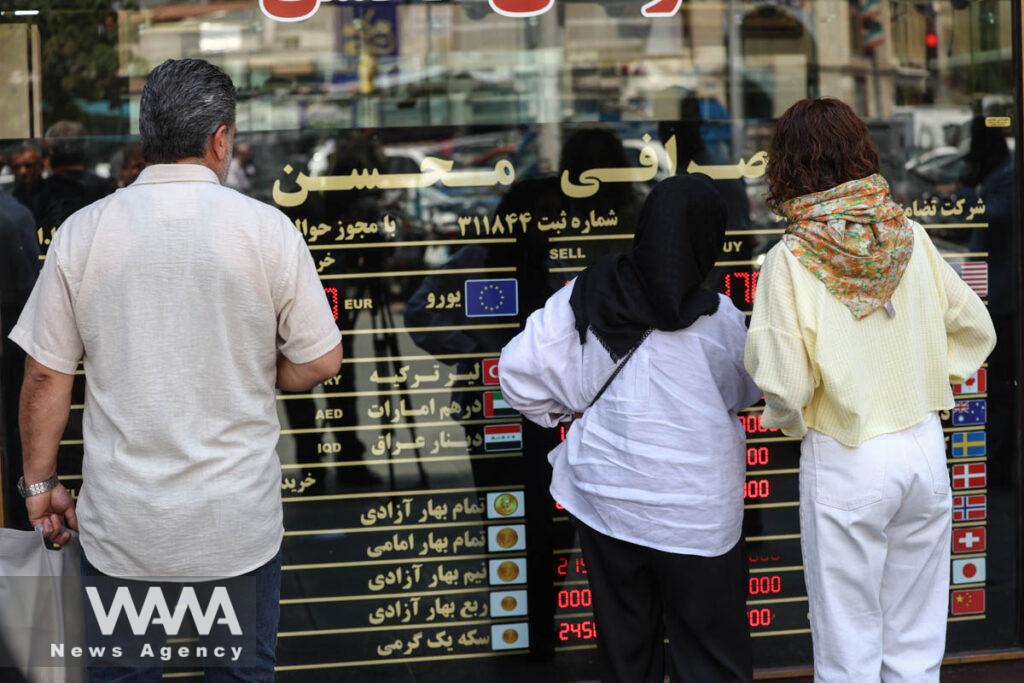
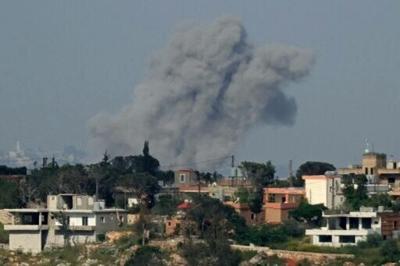
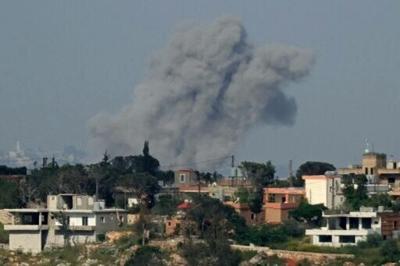
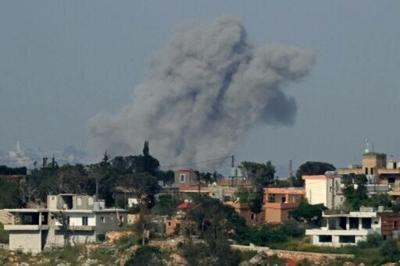
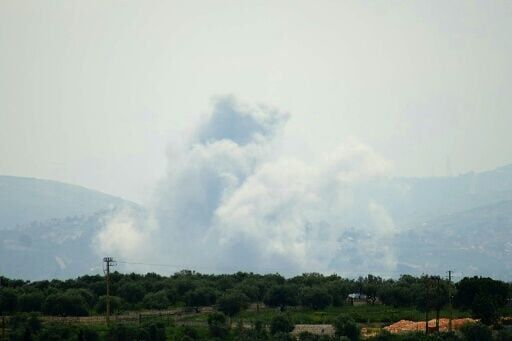
The Strait of Hormuz blockade initiated February 28, 2026, and extended indefinitely through May 2026 represents a critical supply chain disruption affecting approximately 20% of global maritime trade. The U.S. Treasury Department's Office of Foreign Assets Control (OFAC) issued explicit warnings on May 1, 2026, regarding sanctions risks for any payments to Iran for passage tolls—whether in fiat currency, digital assets, or in-kind contributions. U.S. Central Command reports 45 commercial vessels have been directed to turn around or return to port, with shipping traffic through this critical waterway at a virtual standstill.
For cross-border e-commerce sellers, this creates three distinct operational crises: First, the logistics disruption directly impacts sellers sourcing from Asia (Vietnam, India, Bangladesh, China) destined for Middle Eastern markets or vice versa. Shipping routes that previously transited the Strait of Hormuz now require 7-14 day rerouting around the Cape of Good Hope, adding $800-2,400 per container in fuel surcharges and extending transit times from 21 days to 35-40 days. Second, the OFAC sanctions warning creates compliance liability—any seller using freight forwarders or 3PL providers that route through Iranian waters faces potential penalties of $20,000-$250,000 per violation, plus account freezes. Third, the indefinite ceasefire without resolution creates inventory planning paralysis; sellers cannot confidently commit to Asia-Middle East shipments without 6-12 month visibility on corridor reopening.
Specific seller segments face immediate margin compression: Electronics sellers (HS codes 8471-8517) shipping from Vietnam to UAE/Saudi Arabia face 15-22% cost increases. Apparel/textile sellers (HS codes 6204-6209) sourcing from Bangladesh to Middle Eastern retailers see 18-25% margin erosion. Automotive parts suppliers (HS codes 8708-8714) face the steepest impact with 25-35% cost increases due to weight-based surcharges on longer routes. Small-to-medium sellers (annual volume 500-5,000 containers) lack negotiating power with freight forwarders and absorb full surcharge costs, while large sellers (10,000+ containers annually) can negotiate fixed-rate contracts or shift to air freight for high-margin categories.
The timing window for strategic action is critical: Sellers must immediately audit their supply chain routing (0-15 days), renegotiate freight contracts with Cape of Good Hope routing (15-30 days), and evaluate alternative sourcing countries by June 2026. Vietnam and India gain competitive advantage as alternative sourcing hubs for Middle Eastern markets, potentially capturing 8-12% market share from China-dependent sellers. Sellers with existing inventory in transit face 2-3 week delays and potential demurrage charges of $150-400 per day per container. The indefinite ceasefire creates a 6-12 month window where sellers must either absorb costs, raise prices 12-18%, or exit the Asia-Middle East corridor entirely.
Questions 8
Can I pass shipping cost increases to customers without losing sales in Middle Eastern markets?
Market elasticity varies by category and customer segment. Premium electronics and specialty apparel can absorb 8-12% price increases with minimal volume loss. Commodity categories (basic textiles, standard electronics) face 15-25% volume declines with 12%+ price increases. Recommend tiered approach: absorb 5-8% of costs through margin compression, pass 8-12% to customers via price increases, and shift remaining costs through sourcing optimization or channel mix changes. Monitor competitor pricing weekly—sellers who raise prices first gain advantage before market-wide increases occur.
What is the competitive advantage for sellers already positioned in Vietnam or India?
Vietnam and India-based sellers gain 8-12% cost advantage and 7-10 day shipping time advantage over China-sourced competitors to Middle Eastern markets. This translates to 15-22% margin improvement or pricing power to capture market share. Vietnam's electronics and apparel sectors, plus India's textiles and automotive parts, become preferred sourcing destinations. Sellers already operating in these countries can immediately capitalize by marketing faster delivery times and lower costs to Middle Eastern buyers. This advantage persists for 6-12 months until Strait of Hormuz reopens.