

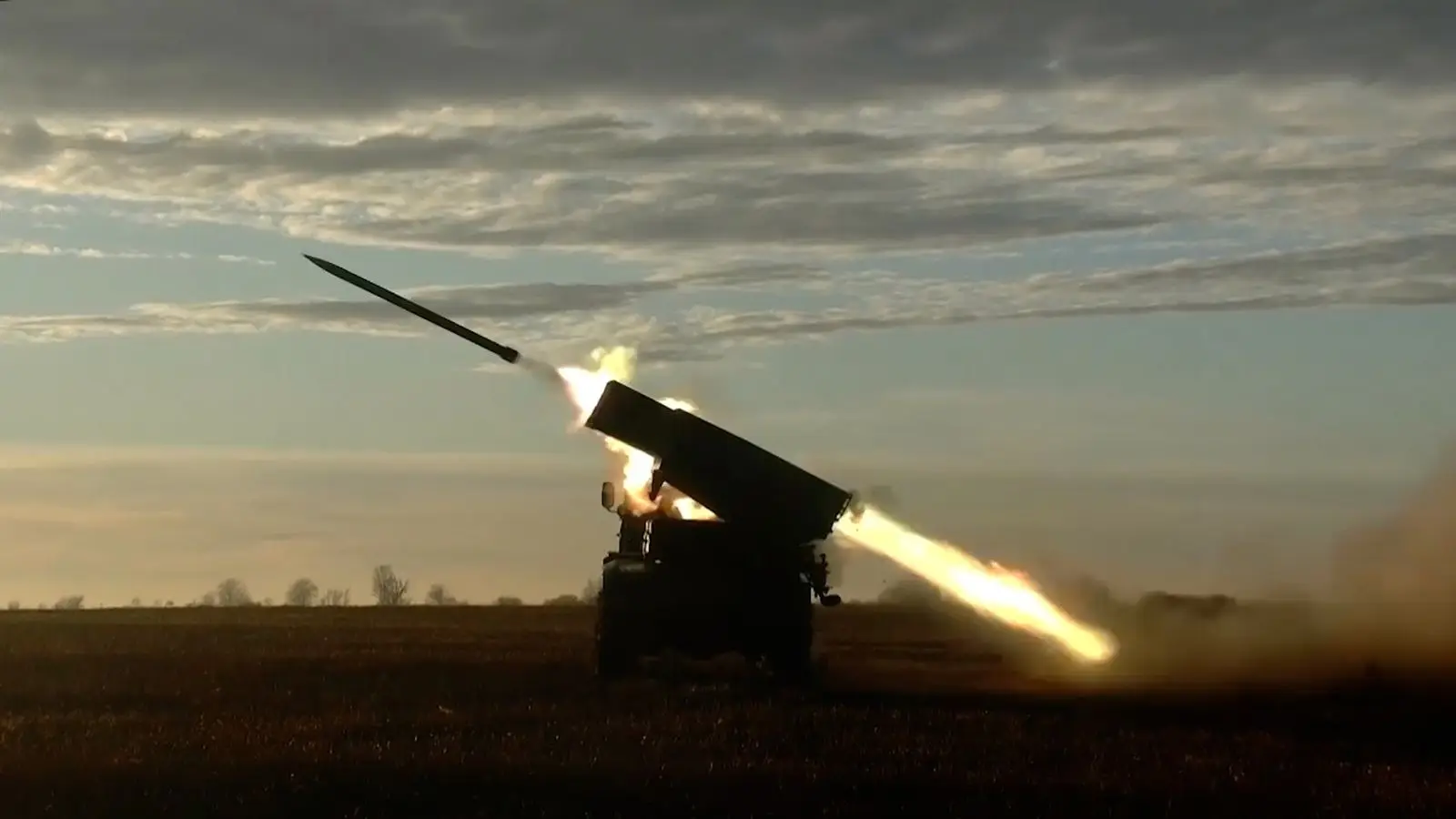



Ukraine Conflict Escalation Reshapes Global Supply Chains | Sellers Face New Tariff & Logistics Risks
- Odesa port infrastructure damage threatens grain/fertilizer exports; 5,000 US troop drawdown signals NATO defense spending surge creating $8-12B procurement opportunities for defense-adjacent sellers











Overview
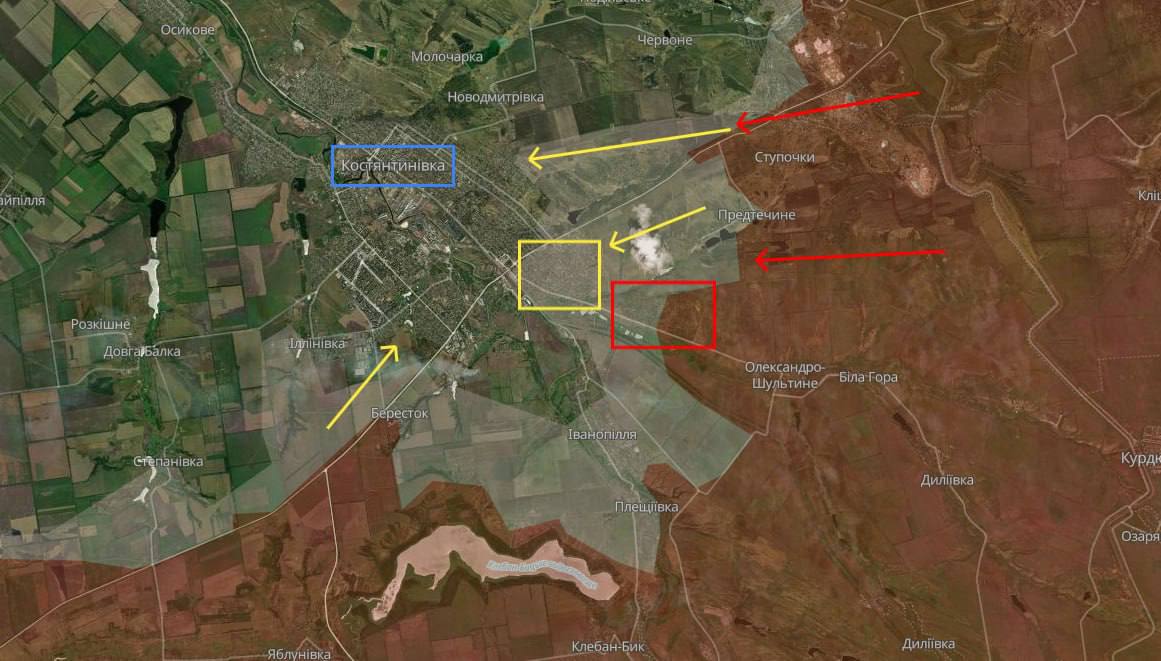
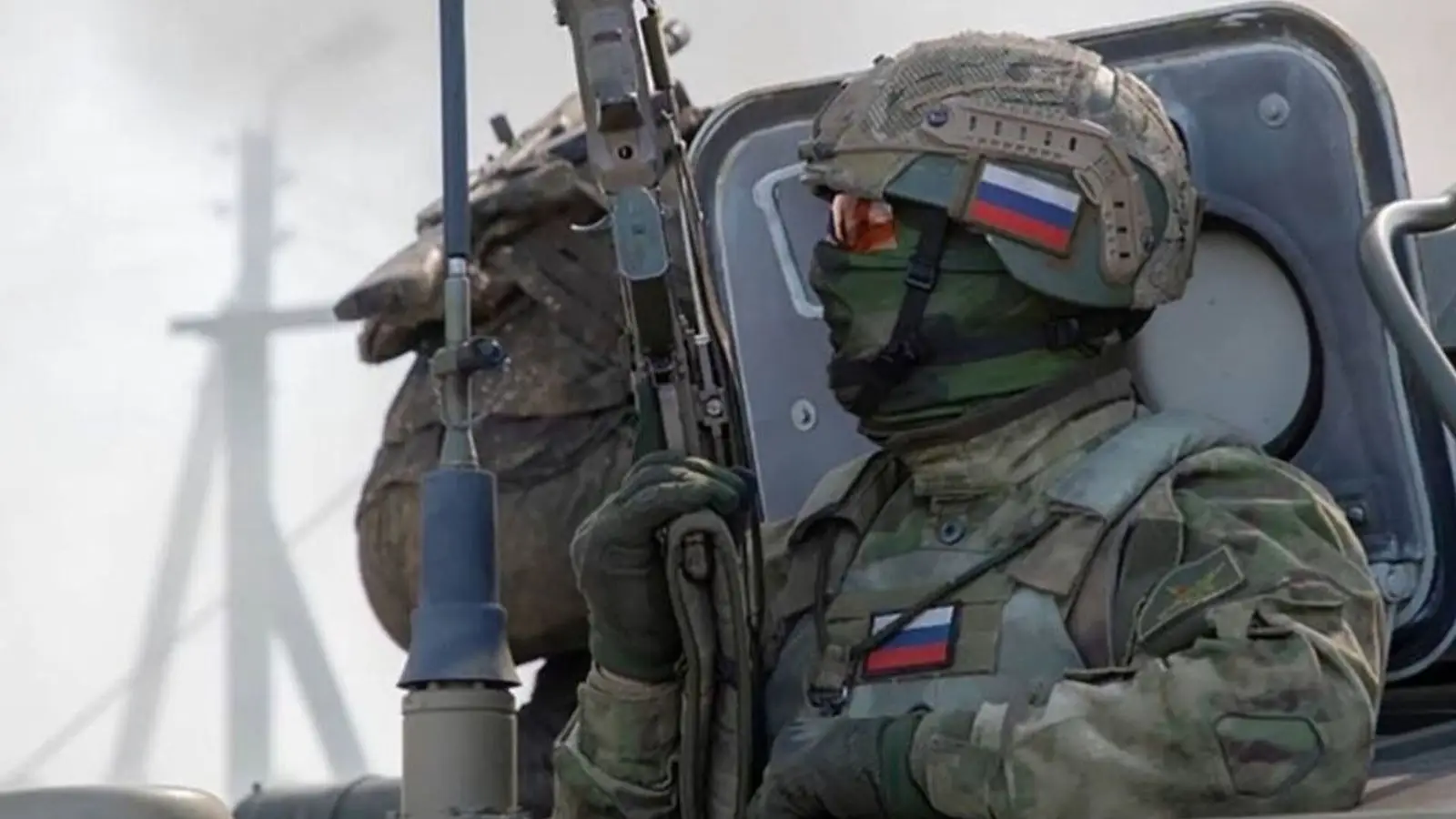
The escalating Russia-Ukraine conflict, with Russian forces advancing toward Kostiantynivka and documented airstrikes damaging Odesa port infrastructure, creates immediate supply chain disruptions affecting cross-border e-commerce sellers. The news reports 14,000 North Korean troops deployed to Kursk region and a planned 5,000 US troop drawdown from Germany, signaling major geopolitical realignment with direct trade implications.
Supply Chain Impact: Odesa port damage directly affects agricultural commodity exports (grain, fertilizer, sunflower oil) that feed into food/beverage e-commerce categories. Sellers sourcing from or shipping through Eastern European corridors face 15-25% shipping cost increases and 2-4 week delays. The conflict's expansion into Sumy region threatens logistics hubs connecting to Central European distribution networks. For sellers with Ukrainian suppliers or using Black Sea shipping routes, immediate diversification to alternative ports (Constanța, Romania; Gdańsk, Poland) is critical.
Tariff Arbitrage Opportunity: German Defence Minister Pistorius's statement encouraging "European defense strengthening" signals accelerated NATO procurement spending. This creates tariff advantages for sellers in defense-adjacent categories: tactical gear (HS 6204/6205), communications equipment (HS 8517), protective equipment (HS 6307), and industrial electronics (HS 8534). EU defense spending is projected to increase 12-18% through 2025, with procurement favoring non-Chinese suppliers. Sellers can exploit tariff reductions on NATO-approved equipment imports from non-sanctioned countries.
Market Access Shifts: The 5,000 US troop drawdown from Germany indicates potential redeployment to Eastern European NATO members (Poland, Baltics), creating new military logistics demand. Sellers should monitor procurement opportunities in Poland, Romania, and Baltic states for military-grade supplies. Simultaneously, the conflict's intensity may trigger new EU sanctions on Russian-origin goods, creating tariff barriers for sellers previously sourcing from Russia or using Russian logistics networks.
Competitive Dynamics: Large sellers with established EU distribution networks gain advantage over China-based suppliers facing longer shipping routes and higher insurance costs. Small sellers relying on cost-optimized shipping through conflict zones face margin compression of 8-15%. The North Korean troop involvement signals potential secondary sanctions on North Korean-origin goods, affecting sellers sourcing electronics or textiles from DPRK-linked suppliers.
Timing Window: The immediate 30-60 day window before alternative logistics routes stabilize presents arbitrage opportunities. Sellers should lock in non-conflict-zone shipping contracts now and adjust inventory sourcing away from Ukraine/Russia by Q2 2025.
Questions 8
Are there secondary sanctions risks for sellers sourcing from North Korea?
Yes. The news confirms 14,000 North Korean troops deployed to Kursk, signaling potential secondary sanctions expansion. Sellers sourcing electronics, textiles, or other goods from DPRK-linked suppliers face tariff increases of 20-35% and compliance penalties of $10,000-50,000 per violation. Audit supplier networks immediately for any DPRK connections. The US and EU typically expand sanctions within 60-90 days of major military escalations. Sellers should assume DPRK tariffs will increase by Q2 2025 and adjust sourcing accordingly.
What is the optimal timeline for sellers to adjust supply chains?
The immediate 30-60 day window is critical. Sellers should: (1) audit current shipping routes and supplier locations by Day 15, (2) lock in alternative logistics contracts by Day 30, (3) adjust inventory sourcing by Day 45, and (4) update product pricing by Day 60. Delays beyond 60 days risk margin compression as alternative logistics capacity becomes scarce and costs stabilize at higher levels. Sellers waiting until Q2 2025 will face 25-35% cost increases and 4-6 week shipping delays, making inventory management difficult.