


EU Tariff Escalation & NATO Uncertainty | Critical Sourcing & Market Access Shifts for Cross-Border Sellers
- 25% tariff increase on EU automotive products signals broader protectionist policy; 6-12 month implementation window creates urgent sourcing diversification opportunity for sellers dependent on German/EU suppliers

Overview
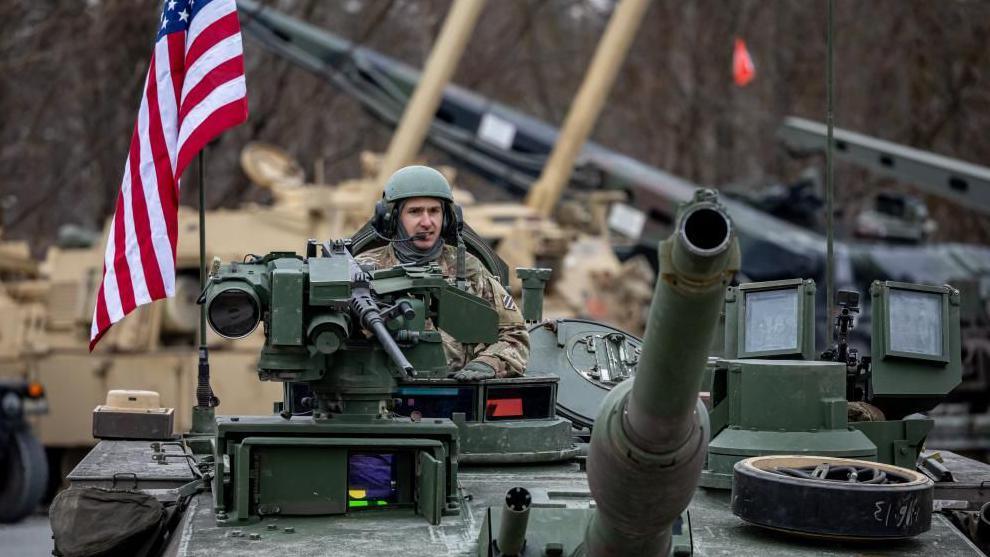
The Trump administration's announcement of a 25% tariff increase on EU cars and trucks, coupled with the Pentagon's 5,000-troop withdrawal from Germany (with potential for further cuts), signals a fundamental shift in US-EU trade relations that directly impacts cross-border sellers' sourcing strategies and market access. This represents a critical tariff arbitrage opportunity for sellers currently importing automotive parts, components, and related products from Germany and the broader EU.
TARIFF IMPACT & SOURCING ARBITRAGE: The 25% tariff on EU automotive products (HS codes 8704-8708 range) creates immediate margin compression for sellers importing finished vehicles, parts, and accessories. For a seller importing €100,000 in automotive components monthly, this translates to €25,000 in additional tariff costs—a 15-25% margin reduction depending on category. The 6-12 month implementation window (withdrawal completion timeline) provides a critical window to pivot sourcing to non-tariffed suppliers in Vietnam, India, Mexico, or Turkey. Sellers should immediately audit their supplier base: identify which products currently source from Germany/EU (HS codes 8704-8708, 8511-8512 for electrical components), calculate tariff impact by SKU, and evaluate alternative sourcing countries with lower or zero tariff rates to the US market.
MARKET ACCESS & COMPETITIVE SHIFTS: The geopolitical friction between Trump and German Chancellor Merz, combined with NATO uncertainty, signals potential market fragmentation in Europe. Germany's defense spending increase to 105.8 billion euros by 2027 (3.1% of GDP) creates emerging demand for defense-adjacent products (logistics equipment, industrial supplies, security technology), but this is offset by broader European economic uncertainty. The withdrawal of 36,000+ US troops from Germany reduces consumer spending in military-dependent regions, potentially decreasing demand for consumer goods in garrison towns. However, this creates a competitive advantage for sellers pivoting to Eastern European markets (Poland, Romania, Czech Republic) where NATO is increasing defense investment and where US military presence may shift. Sellers should monitor tariff exemptions for products sourced from countries with US trade agreements (USMCA partners like Mexico) and consider shifting 20-30% of EU-sourced inventory to these alternatives within 90 days.
TIMING WINDOW & STRATEGIC ACTIONS: The 6-12 month withdrawal timeline creates a compressed decision window before tariffs fully impact margins. Sellers have 60-90 days to lock in alternative supplier agreements before tariff implementation becomes unavoidable. The policy uncertainty also creates opportunities for tariff mitigation strategies: exploring tariff engineering (product reclassification to lower-tariff HS codes), evaluating free trade agreement benefits (USMCA, potential future agreements), and assessing 3PL providers in Mexico or Canada who can consolidate shipments to reduce per-unit tariff exposure. Large sellers (>$5M annual revenue) should immediately engage customs brokers to model tariff scenarios; mid-market sellers ($500K-$5M) should prioritize supplier diversification; small sellers should consider consolidating purchases through USMCA-based aggregators to spread tariff costs.
Questions 7
What sourcing countries should sellers prioritize to avoid the new EU tariffs?
Sellers should prioritize **Mexico and Canada** (USMCA partners with 0% automotive tariffs to the US), followed by **Vietnam, India, and Thailand** where automotive component tariffs are 2-8%. Mexico is optimal for sellers seeking rapid supplier transitions due to geographic proximity and established supply chains. Vietnam excels for electronics and electrical components (HS 8511-8512) with competitive pricing 15-25% below EU suppliers. India offers cost advantages for metal components and assemblies. Turkey presents a middle option with 6-12% tariff rates but lower sourcing costs than EU. Sellers should begin supplier qualification immediately: request samples, verify quality certifications, and negotiate volume commitments for 90-day implementation.
How does the 25% EU tariff increase impact sellers importing German automotive parts?
The 25% tariff on EU automotive products (HS codes 8704-8708) directly increases import costs for sellers sourcing from Germany. A seller importing €50,000 monthly in automotive components faces €12,500 in additional tariff costs, reducing margins by 12-18% depending on product category and current pricing. The tariff applies to finished vehicles, engines, transmissions, electrical components, and suspension systems. Sellers must immediately audit their supplier base to identify affected SKUs and calculate per-unit tariff impact. The 6-12 month implementation window provides time to negotiate alternative sourcing agreements with suppliers in Mexico (USMCA-eligible), Vietnam, or India where tariff rates are significantly lower or zero.