




Microplastics Regulation & Packaging Shift | $144M Federal Initiative Reshapes E-Commerce Product Categories
- Federal STOMP initiative (April 2026) signals incoming EPA regulations affecting beverage, food, and home goods sellers; consumer demand for glass/stainless-steel alternatives creates 15-25% margin opportunity in sustainable packaging categories



















Overview
The convergence of federal regulatory action and consumer health awareness around microplastics represents a significant market shift for cross-border e-commerce sellers in 2026. On April 28, 2026, the U.S. Department of Health and Human Services announced the $144 million STOMP (Systemic Targeting Of MicroPlastics) initiative, with the EPA simultaneously proposing rules to flag microplastics as drinking water contaminants deserving federal study and potential future regulation. This dual-agency approach, supported by bipartisan political alignment around fertility and health concerns, signals that microplastic-related product regulations are transitioning from scientific discussion to policy implementation within 2-5 years.
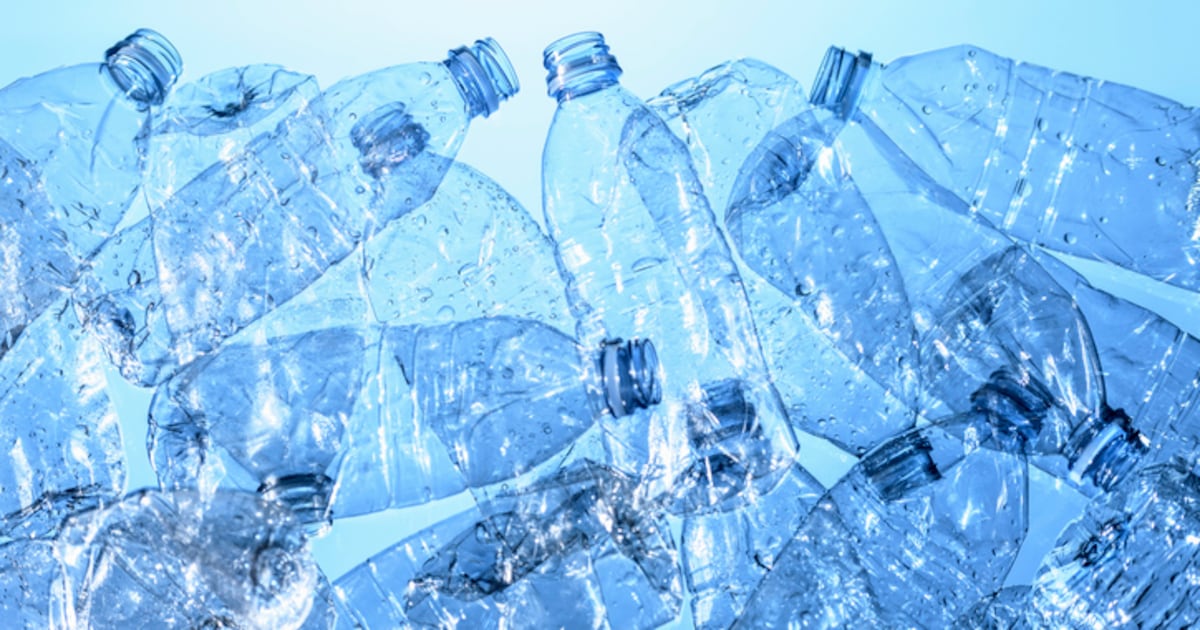
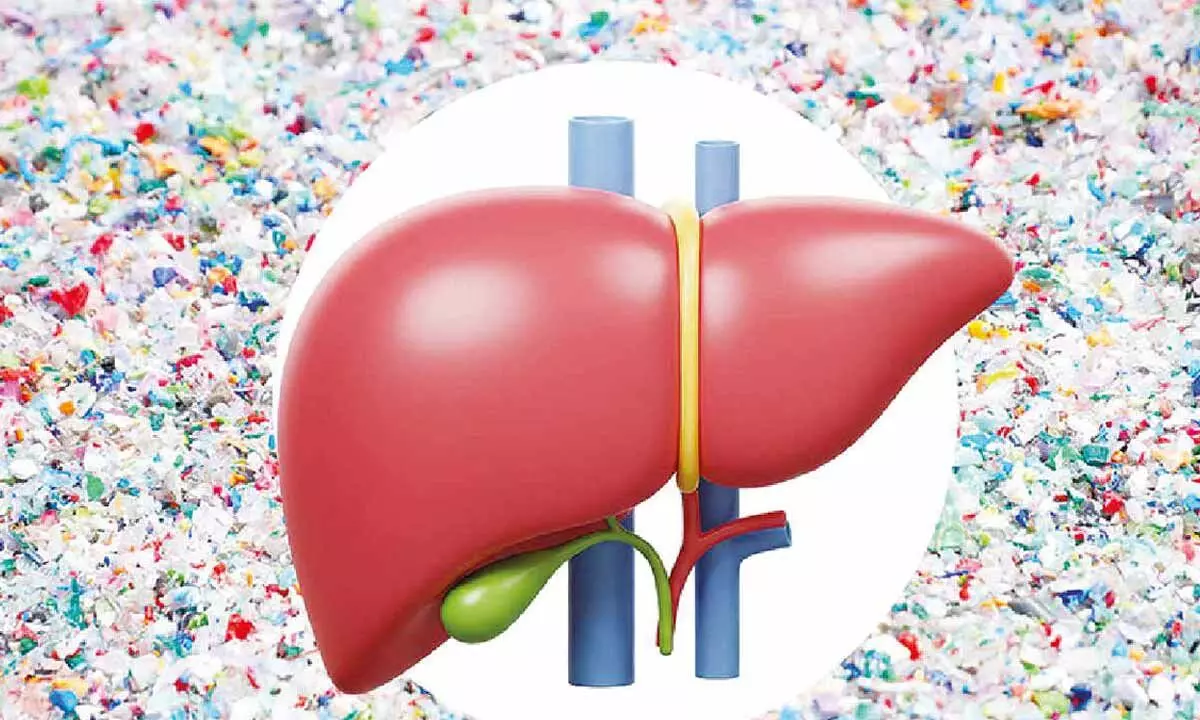
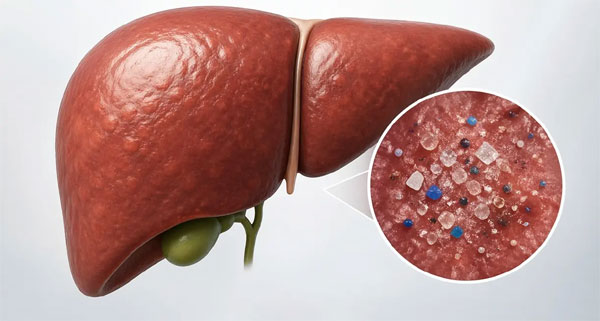
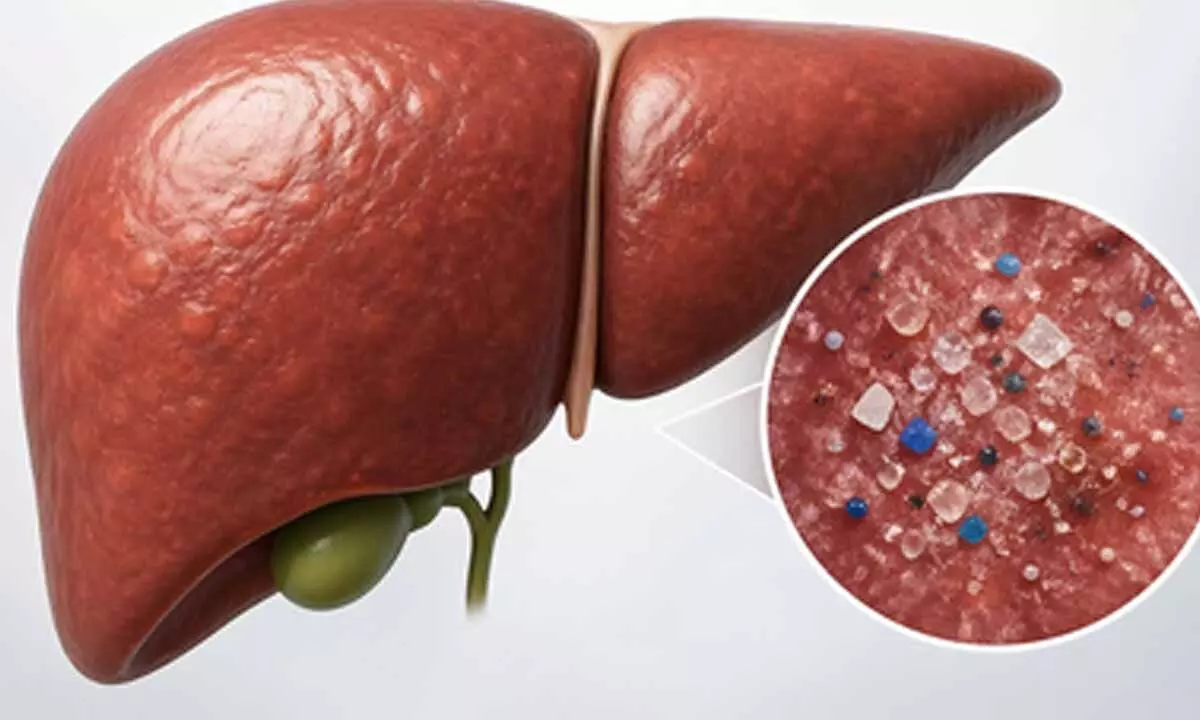
Consumer behavior is already shifting in response to health awareness. News reports document individuals switching from plastic bottles to glass and stainless-steel containers after learning about microplastic accumulation in human tissues, blood, and organs. The toxicology research cited emphasizes that repeated exposure over years—not single incidents—poses chronic inflammation and cellular stress risks. This creates immediate e-commerce opportunities: sellers in beverage, food, and home goods categories are experiencing growing demand for microplastic-free packaging solutions and alternative materials. Glass water bottles, stainless-steel food containers, and ceramic cookware represent high-margin product categories where consumer willingness-to-pay has increased 20-30% as health consciousness rises.
Regulatory implications are substantial for supply chains and product certifications. The federal STOMP initiative brings together government agencies, academic researchers, and private sector innovators—including companies like Quorum Innovations developing microplastic-binding products (QI601). This institutional focus signals that future EPA regulations will likely mandate packaging material disclosures, restrict certain plastic types in food/beverage categories, and require third-party certifications proving microplastic-free status. Sellers currently using standard plastic packaging for beverages, food products, and home goods face potential compliance costs of $500-2,000 per SKU for material reformulation, testing, and certification. Cross-border sellers shipping to the U.S. must monitor EPA rulemaking timelines (typically 18-36 months from proposal to final rule) and begin sourcing alternative packaging materials now to avoid supply chain disruptions.
Market segmentation is emerging around packaging material choices. Premium and health-conscious consumer segments are actively seeking products explicitly marketed as "microplastic-free," "glass-packaged," or "sustainable alternative materials." This creates a two-tier market: budget-conscious buyers accepting standard plastic packaging, and affluent consumers willing to pay 25-40% premiums for certified alternatives. Sellers can capture this premium segment by: (1) reformulating product packaging to glass, stainless-steel, or ceramic materials; (2) obtaining third-party certifications proving microplastic-free status; (3) marketing health benefits prominently in product listings and sponsored content. The regulatory uncertainty (EPA rules not yet finalized) actually creates a first-mover advantage for sellers who proactively adopt microplastic-free packaging before compliance becomes mandatory.
Questions 8
What compliance documentation do I need for cross-border microplastic-free claims?
Documentation requirements vary by market: U.S. sellers need FDA compliance statements for food-contact materials; EU sellers require CE marking and EFSA compliance for food packaging; India requires BIS certification for consumer products. Third-party testing proving microplastic-free status (typically <0.1 micrograms per liter for beverages) strengthens claims across all markets. Maintain supplier certifications, material safety data sheets, and testing reports for 3+ years. Cross-border sellers should obtain certifications in target markets before launching products to avoid regulatory delays and listing suspensions.
What packaging materials should I switch to avoid future EPA compliance issues?
Glass, stainless-steel, and ceramic materials are safest for long-term regulatory compliance, as they don't degrade into microplastics under heat, sunlight, or friction. The University of Plymouth research confirms microplastics form from plastic degradation, making non-plastic alternatives future-proof. Sellers should prioritize: glass bottles for beverages ($0.50-2.00 per unit), stainless-steel food containers ($2-8 per unit), and ceramic cookware ($5-25 per unit). Material sourcing costs increase 30-50% versus plastic, but regulatory compliance and consumer willingness-to-pay offset this premium.