
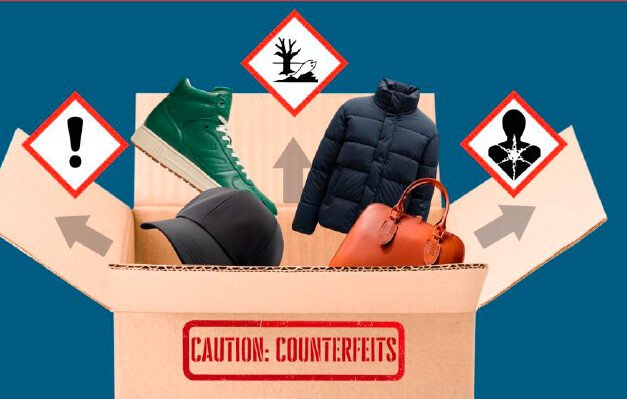
Counterfeit Fashion Crisis Hits E-Commerce | Seller Opportunity in Authentication
- 33% of fashion products show authenticity issues; legitimate sellers gain competitive edge through supply chain transparency and verification services
Overview
The global counterfeit fashion crisis represents both a critical threat and a significant business opportunity for legitimate e-commerce sellers. A comprehensive international investigation has exposed that one in three fashion products examined across major e-commerce platforms show signs of fraud or authenticity issues, with BAPE experiencing the highest counterfeit penetration at 85.19%, Nike at 73.33%, and Spider brand at 61.02%. The global streetwear and sneaker industry, valued at approximately 100,000 crore rupees and growing at 12% annually, has become increasingly attractive to counterfeit networks, particularly as unauthorized sellers and small distributors leverage Amazon, eBay, Shopify, and social media selling platforms to distribute fake products directly to consumers.
The authentication gap creates immediate opportunities for legitimate sellers and platform-based authentication services. Brands implementing stronger supply chain controls demonstrate dramatically superior results—Off-White maintained 94.49% genuine products and Supreme achieved 85.03% authenticity, compared to industry averages of 33% genuine products. This 60+ percentage point gap indicates that consumers actively seek verified, authenticated products and are willing to pay premiums for guaranteed authenticity. On Amazon, legitimate sellers can leverage the Brand Registry program and enhanced content to differentiate from counterfeiters, while eBay's Authenticity Guarantee program (covering luxury items $500+) creates a competitive moat for verified sellers. Shopify sellers can implement blockchain-based authentication tracking and third-party verification badges to build consumer trust.
Platform-specific enforcement is reshaping competitive dynamics across regions. Amazon's stricter authentication requirements in the US and EU are creating barriers for counterfeiters while rewarding compliant sellers with improved search visibility and Buy Box eligibility. The report specifically notes that consumers are increasingly purchasing exclusively from "authorized retailers and verified online platforms," indicating a measurable shift in buyer behavior. Regional demand for authenticated products is highest in North America (US/Canada) and Western Europe, where luxury fashion penetration is strongest and counterfeit awareness is highest. Asia-Pacific markets, particularly India and Southeast Asia, show emerging demand for authentication services as middle-class consumers enter the luxury market. The 12% annual growth in the streetwear category combined with 33% counterfeit rates creates a $4-6B annual opportunity for sellers offering verified, authenticated products with transparent supply chain documentation.
Immediate seller actions should focus on differentiation through authentication and supply chain transparency. Legitimate sellers can capture market share by implementing third-party authentication services (Entrupy, Vestiaire Collective's verification), obtaining brand partnerships with manufacturers, and prominently displaying supply chain documentation in product listings. Sellers should prioritize platforms with strong authentication infrastructure—Amazon Brand Registry, eBay Authenticity Guarantee, and Shopify with blockchain verification—over social media selling channels where counterfeit detection is minimal. Within 30-60 days, sellers should audit their supplier relationships, obtain certificates of authenticity, and implement batch tracking systems. Strategic sellers can position themselves as "verified authentic" specialists in high-counterfeit categories (Nike, BAPE, luxury brands), commanding 15-25% price premiums while capturing market share from counterfeit-plagued competitors.
Questions 8
What is the market size and growth rate of the streetwear and sneaker industry?
The global streetwear and sneaker industry is valued at approximately **100,000 crore rupees (approximately $12-13 billion USD) and growing at 12% annually**. This rapid growth has made the category increasingly attractive to counterfeit networks, as the combination of high brand value, consumer demand, and sophisticated packaging makes counterfeits difficult to detect. Chanel leads in market size at 9,095 crore rupees, though only 5.7% of its products showed counterfeit indicators. The 12% annual growth rate combined with 33% average counterfeit penetration creates a $4-6 billion annual opportunity for legitimate sellers offering verified, authenticated products with transparent supply chain documentation.
Which e-commerce platforms are most affected by counterfeit fashion products?
The report identifies **Amazon, eBay, Shopify, and social media selling platforms** as primary channels where unauthorized sellers and small distributors leverage e-commerce infrastructure to distribute counterfeit products directly to consumers. The rapid expansion of online marketplaces and social media selling platforms has substantially worsened the counterfeit problem, as fake products are increasingly sophisticated and difficult to distinguish from originals. However, platforms with stronger authentication infrastructure—Amazon Brand Registry, eBay's Authenticity Guarantee program (covering luxury items $500+), and Shopify with blockchain verification—are creating competitive advantages for legitimate sellers. Sellers should prioritize these platforms over social media channels where counterfeit detection is minimal and consumer protection is limited.