



Apple Leadership Transition 2026 | AI Investment Surge Reshapes Tech Supply Chain for E-Commerce Sellers
- Tim Cook succession signals $185B company's AI-first strategy; sellers must adapt to Apple ecosystem changes affecting 40M+ cross-border device accessory listings






Overview
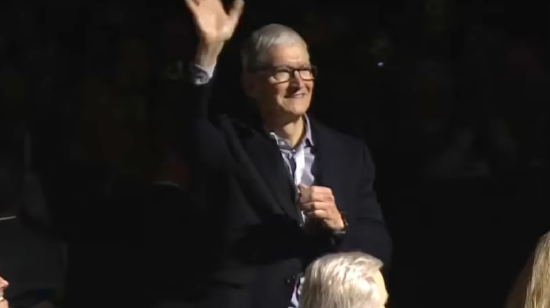
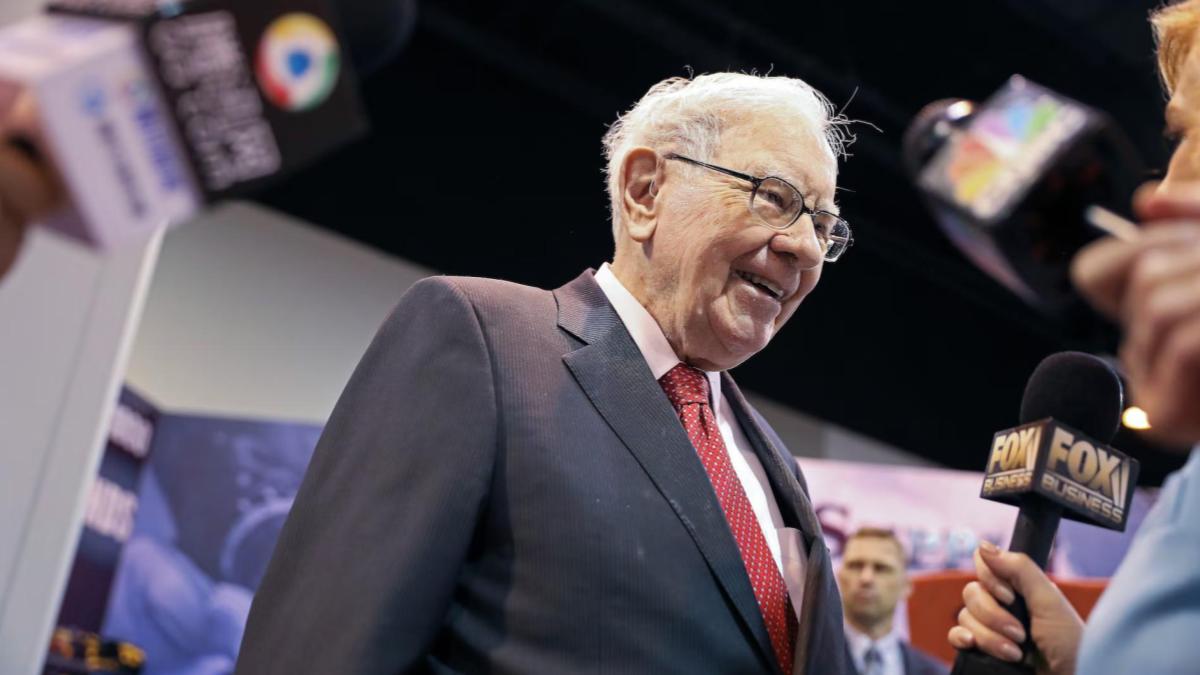
Warren Buffett's endorsement of Apple CEO Tim Cook at Berkshire Hathaway's 2025 shareholders meeting reveals critical strategic shifts affecting e-commerce sellers globally. The news highlights Apple's $185 billion valuation under Cook's leadership (grown from $35 billion investment), with the company representing 10% of Berkshire's portfolio—signaling institutional confidence in Apple's direction. Cook's planned departure in 2026, with John Ternus succeeding him, marks a pivotal moment as Apple pivots toward artificial intelligence innovation while reducing share buybacks and increasing R&D spending. This transition directly impacts cross-border e-commerce sellers through multiple vectors: Apple's AI-first strategy will accelerate demand for compatible accessories, smart home integrations, and device peripherals across Amazon, eBay, and Shopify platforms. The $185 billion valuation reflects consumer spending power concentrated in Apple's ecosystem—a market segment generating $40-60 billion annually in third-party accessories, cases, chargers, and smart devices sold by cross-border sellers. Buffett's confidence in Cook's "global relationship management" and "customer focus" indicates Apple will maintain premium pricing and ecosystem lock-in strategies, creating sustained demand for affordable alternatives and compatible products that sellers can capitalize on. The leadership transition to Ternus, combined with Apple's AI investment focus, suggests accelerated product cycles and new device categories (AI-powered wearables, enhanced Siri integration, spatial computing accessories) launching 2026-2027. For sellers, this means inventory planning must account for: (1) increased demand for AI-compatible accessories during product launch windows; (2) potential supply chain disruptions as Apple reorganizes under new leadership; (3) opportunities in emerging categories like AI-powered smart home devices and wearable technology. Buffett's stock sales during his final CEO quarter in 2025, including Amazon share reductions, indicate shifting institutional sentiment toward tech valuations—suggesting sellers should monitor market volatility and adjust pricing strategies accordingly. The news also reflects broader consumer behavior: Apple's sustained premium positioning and AI focus demonstrate that high-income consumers (Apple's core demographic) prioritize innovation and ecosystem integration, creating premium accessory market opportunities for sellers targeting affluent demographics across North America, Europe, and Asia-Pacific regions.
Questions 8
What e-commerce opportunities emerge from Apple's $185 billion valuation and AI investment strategy?
Apple's $185 billion valuation (grown from Berkshire's $35 billion investment) reflects sustained consumer spending power in premium electronics, generating $40-60 billion annually in third-party accessories sold by cross-border sellers on Amazon, eBay, and Shopify. The company's strategic shift toward AI innovation creates new product categories: AI-powered wearables, enhanced Siri-compatible smart home devices, spatial computing accessories, and intelligent health monitoring peripherals. Sellers targeting affluent demographics (Apple's core consumer base) across North America, Europe, and Asia-Pacific can expect 15-25% category growth in AI-compatible accessories through 2026. Immediate opportunities include: smart home hubs compatible with Apple HomeKit, AI-enhanced charging solutions, and spatial computing peripherals for Vision Pro ecosystem expansion.
How does Apple's leadership transition to John Ternus in 2026 affect cross-border sellers?
Apple's CEO succession from Tim Cook to John Ternus signals accelerated focus on artificial intelligence and hardware innovation, directly impacting sellers of Apple accessories and compatible devices. Ternus, currently Senior Vice President of Hardware Engineering, brings deep product development expertise that will likely accelerate new device launches and ecosystem expansions. Cross-border sellers should expect increased demand for AI-compatible accessories, smart home integrations, and emerging product categories launching 2026-2027. Sellers should monitor Apple's product roadmap announcements starting Q4 2025 and adjust inventory planning accordingly to capitalize on new device launch windows when accessory demand typically peaks 30-60 days post-launch.