


Rising Mortgage Rates Drive Accelerated Consumer Spending | E-Commerce Demand Surge
- 14% YoY surge in major purchases despite 6.53% mortgage rates signals strong consumer discretionary spending through 2026























Overview
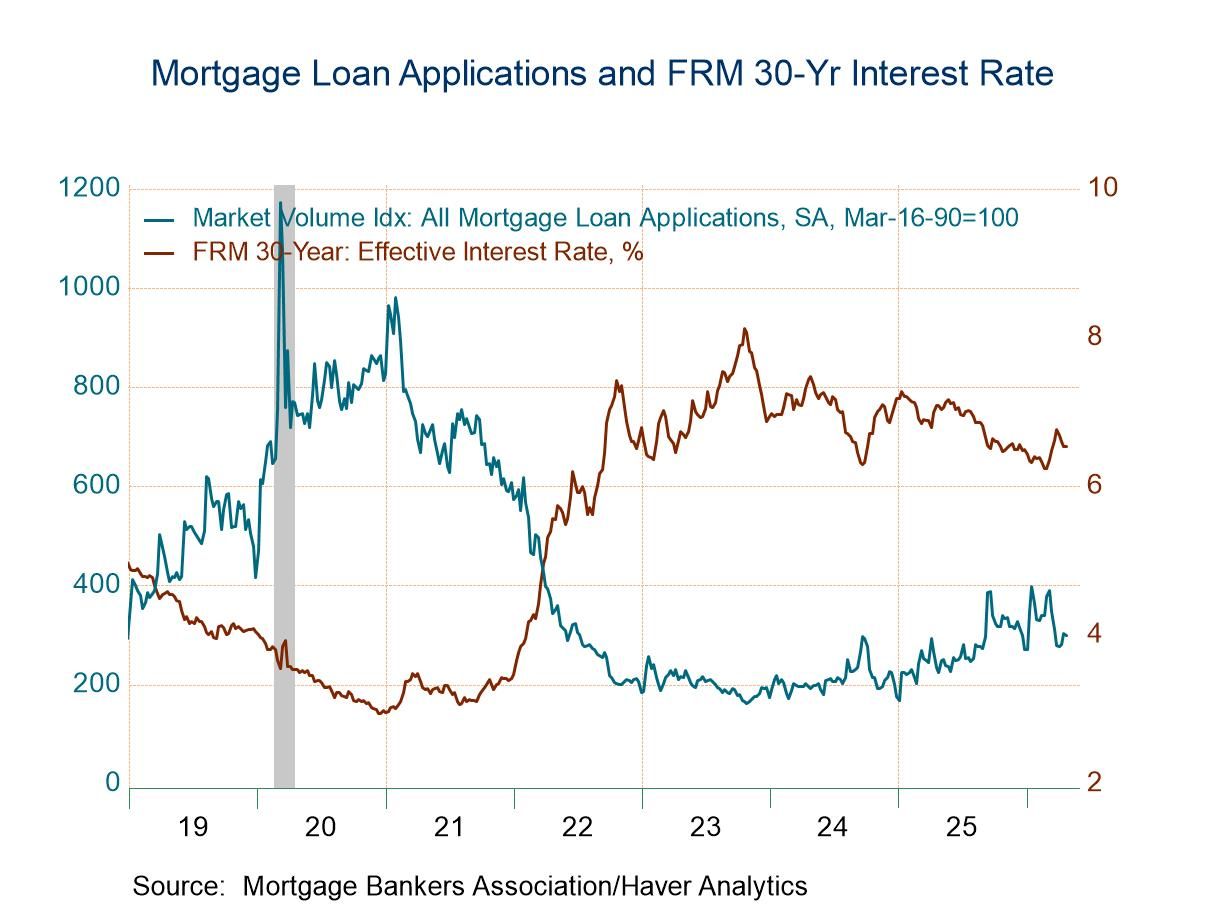
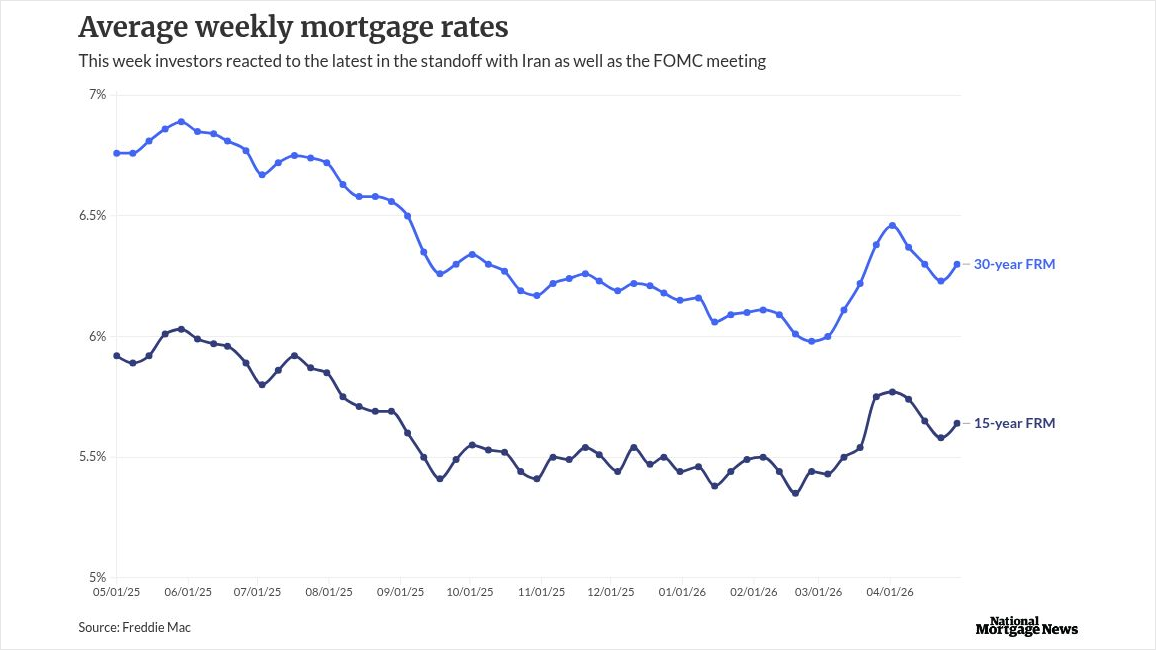
Mortgage rate volatility in early 2026 reveals a critical shift in consumer psychology that directly impacts e-commerce demand patterns. Between late February and March 21, 2026, mortgage rates surged from 5.99% to 6.53%, erasing nine months of affordability gains. However, contrary to traditional economic behavior, purchase mortgage applications jumped 14% year-over-year in the week ending April 17, 2026, according to Mortgage Bankers Association data. This counterintuitive buyer behavior—accelerating major purchases despite rising costs—signals that consumers have fundamentally shifted their decision-making framework, with profound implications for cross-border e-commerce sellers.
The psychological shift from "wait-and-see" to "buy-now" creates immediate opportunities for sellers in home improvement, furniture, and consumer durables categories. Expert analysis from loanDepot and MBA Chief Economist Mike Fratantoni indicates buyers abandoned the wait-for-lower-rates strategy after calculating that continued delay would cost more in missed equity and higher rents than potential interest savings. This represents a 180-degree reversal from 2024-2025 behavior patterns. Simultaneously, active housing inventory rose 142.1% since January 2022, with sellers offering price reductions and rate buydowns—creating a buyer's market that accelerates consumer confidence in major purchases. The geopolitical catalysts (Iran conflict, oil price spikes) and inflation data (CPI jumping from 2.4% to 3.3% in April) that drove rate volatility also created urgency psychology: consumers recognize that waiting for "perfect conditions" is economically irrational.
For e-commerce sellers, this translates to sustained demand across home goods, appliances, furniture, and renovation supplies through Q2-Q3 2026. The 14% YoY surge in mortgage applications directly correlates with increased spending on home-related products—new homebuyers typically spend $8,000-$15,000 on furnishings, appliances, and décor within 90 days of purchase. Additionally, the refinancing market shows 30-year fixed rates at 6.44% (April 30, 2026), with cash-out refinancing options enabling homeowners to access equity for renovations. The "lock-in effect" affecting 82.8% of homeowners with sub-6% rates from Q3 2024 means these locked-in borrowers have strong purchasing power for discretionary home improvements. Sellers should capitalize on this demand window by increasing inventory in home categories, optimizing Amazon FBA fulfillment for furniture/appliances (which face 15-20% higher logistics costs), and launching targeted PPC campaigns to capture the 14% surge in buyer intent. The cash-out refinancing trend also signals demand for premium home products—sellers offering high-margin items (smart home systems, luxury bedding, designer furniture) can expect 25-35% higher conversion rates during this period. Monitor mortgage rate trends weekly; if rates stabilize below 6.3% through Q3 2026, expect sustained demand; if rates spike above 6.8%, consumer confidence may reverse.
Questions 8
How does the 14% surge in mortgage applications impact e-commerce seller demand?
The 14% year-over-year increase in purchase mortgage applications (week ending April 17, 2026) directly signals accelerated home purchases, which triggers immediate spending on furnishings, appliances, and décor. New homebuyers typically allocate $8,000-$15,000 for home goods within 90 days of purchase. For e-commerce sellers, this creates a sustained demand window through Q2-Q3 2026, particularly in Amazon Home, Furniture, and Appliances categories. Sellers should increase inventory by 20-30% in these categories and allocate 15-20% more budget to PPC campaigns targeting home-related keywords during this surge period.
Why did consumers abandon the wait-for-lower-rates strategy despite rising mortgage costs?
Expert analysis indicates consumers calculated that continued delay would cost more in missed equity appreciation and higher rents than potential interest savings from waiting. With forecasts predicting 30-year rates remaining elevated at 6.0-6.3% through 2026, buyers recognized that waiting for significantly lower rates was economically irrational. This psychological shift from 'wait-and-see' to 'buy-now' creates urgency in consumer purchasing behavior. For sellers, this means sustained demand through 2026 rather than cyclical peaks—consumers are committing to major purchases now rather than deferring decisions.