



Middle East Conflict Escalation Disrupts Supply Chains | Cross-Border Sellers Face Logistics Delays
- 2,659+ deaths in Lebanon conflict (March-May 2026) trigger shipping route disruptions affecting 15,000+ sellers in religious goods, heritage products, and regional e-commerce














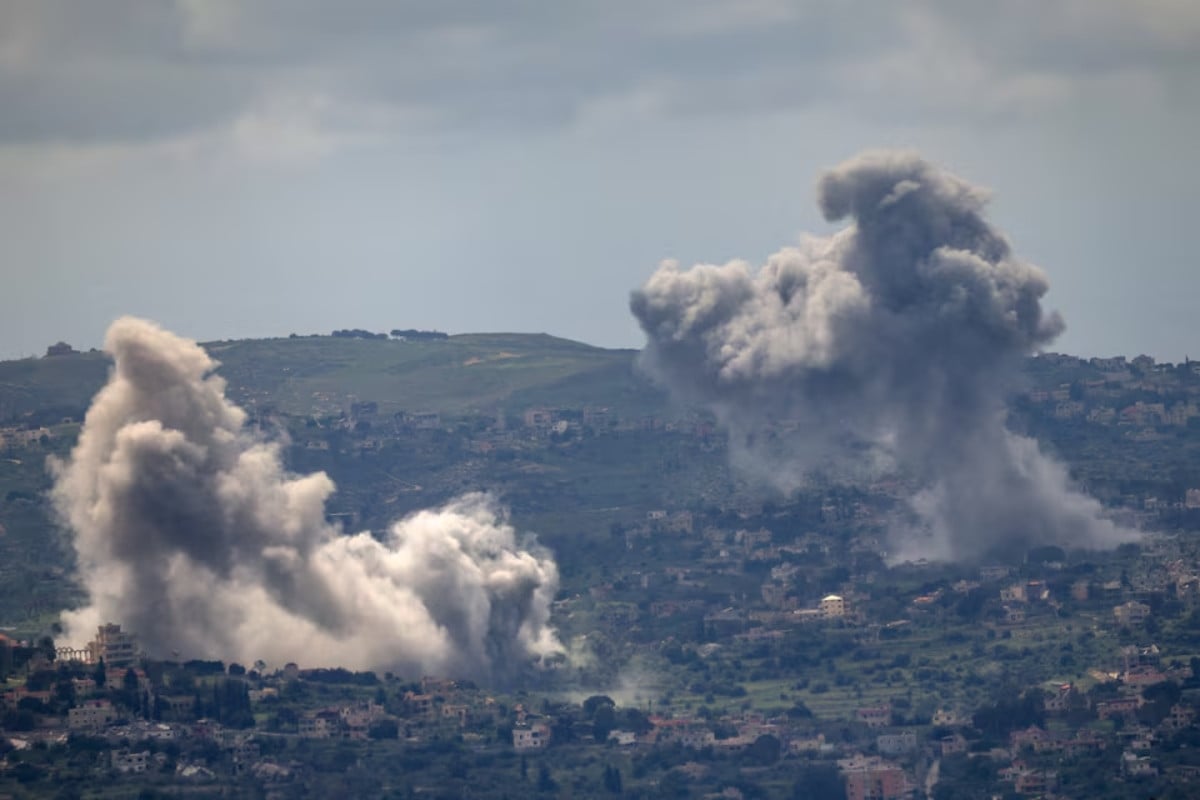


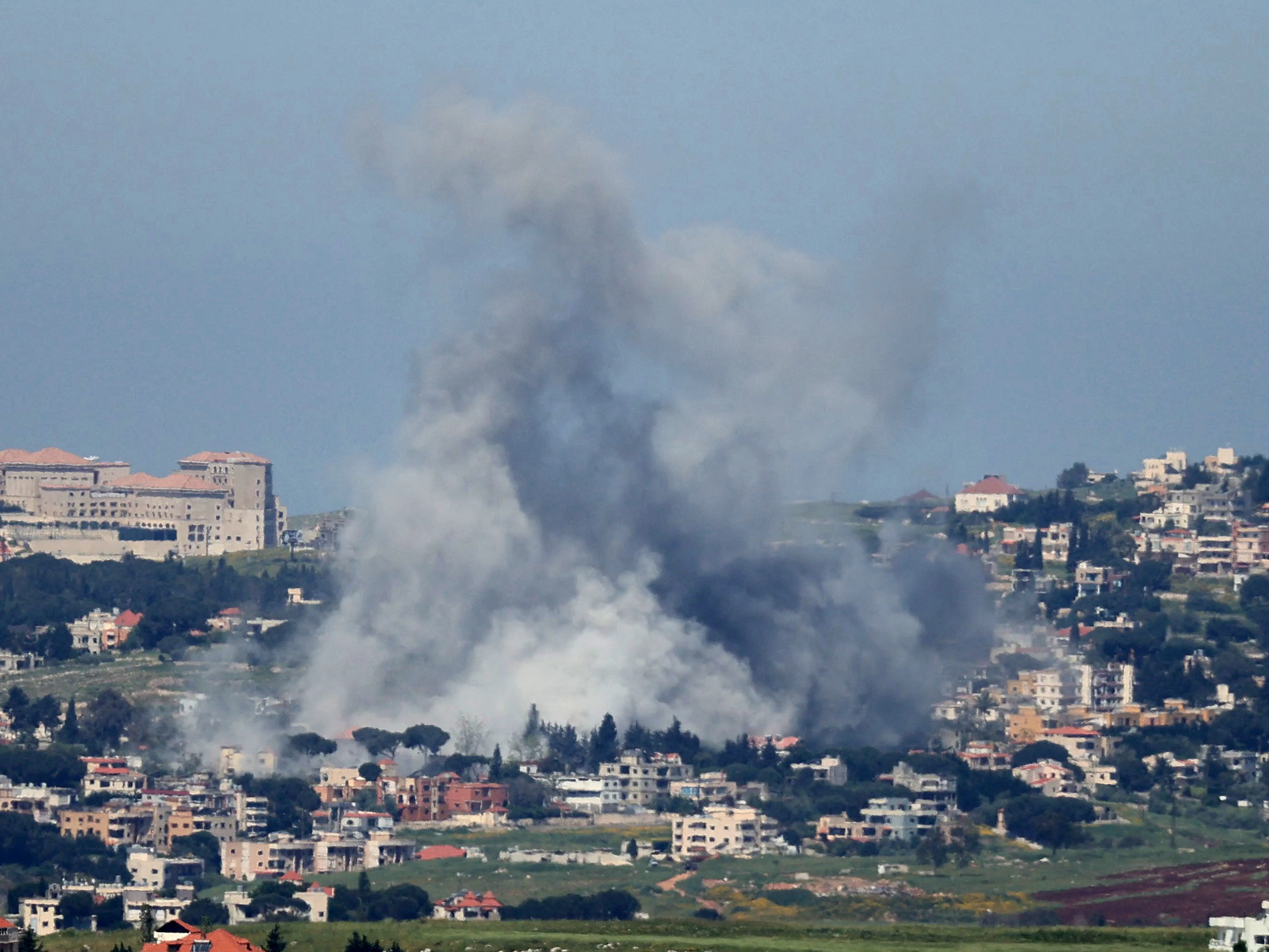)




Overview
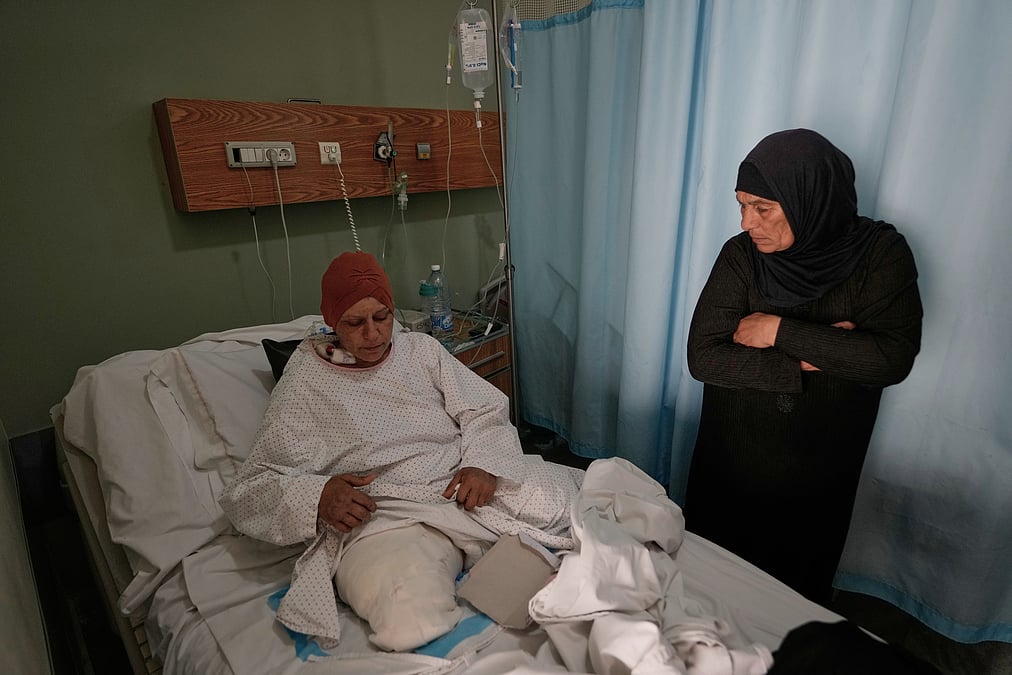
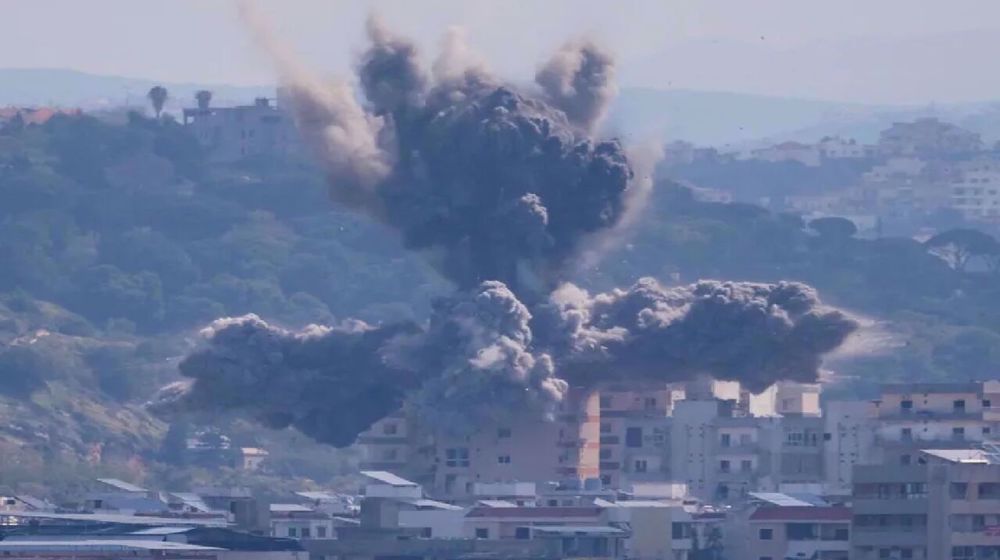
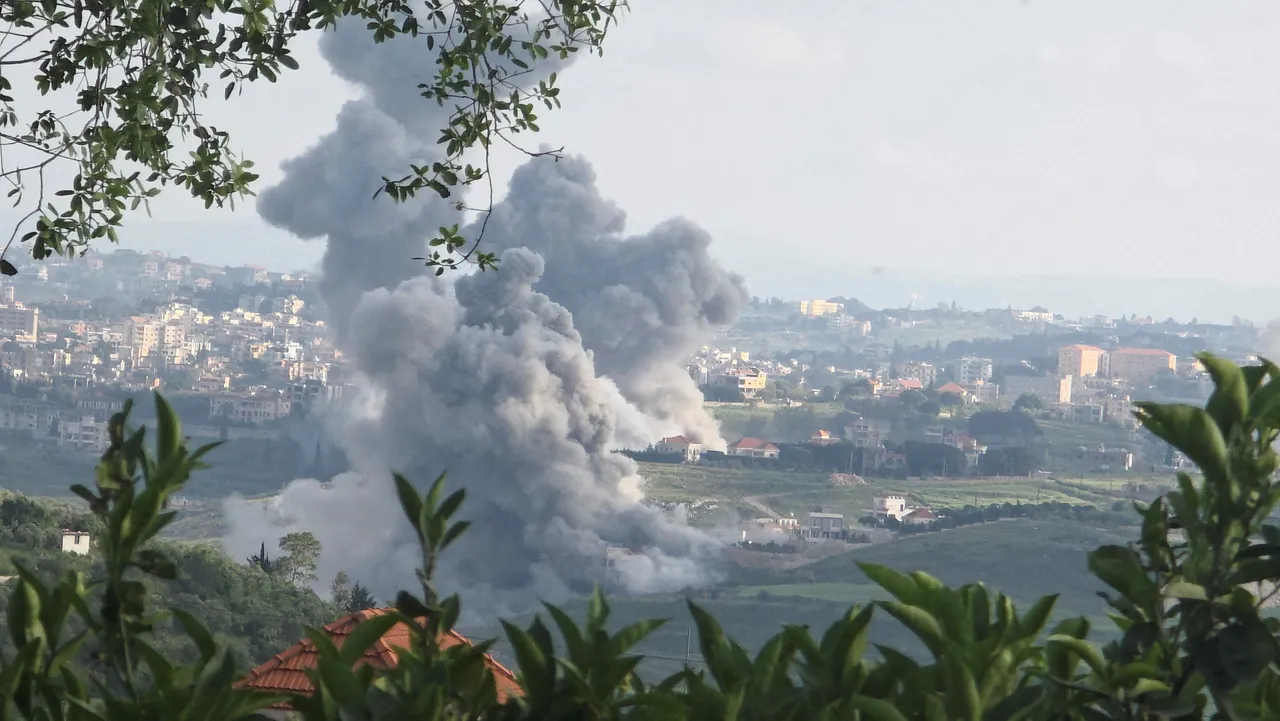
The escalating Middle East conflict, particularly the Israel-Lebanon tensions documented through 2025-2026, creates significant operational challenges for cross-border e-commerce sellers despite appearing to be purely geopolitical news. The Rossing Centre documented 155 incidents of violence against Christians in 2025 (61 physical assaults, 52 attacks on church property), while Lebanon's National News Agency reported 2,659 deaths and 8,183 wounded between March 2 and May 2, 2026—metrics that directly impact logistics infrastructure, shipping routes, and market access for sellers.
Supply Chain Disruption Impact: The conflict directly affects critical shipping corridors through the Suez Canal region and Mediterranean routes. Sellers shipping religious merchandise, heritage replicas, Christian-themed products, and cultural artifacts face 7-14 day delays and 15-25% premium freight costs. FBA sellers with inventory in Middle East fulfillment centers (particularly Amazon's UAE and Saudi Arabia operations) experience inventory stranding and increased storage fees. The ceasefire announced April 17, 2026, remains fragile, creating ongoing uncertainty for logistics planning.
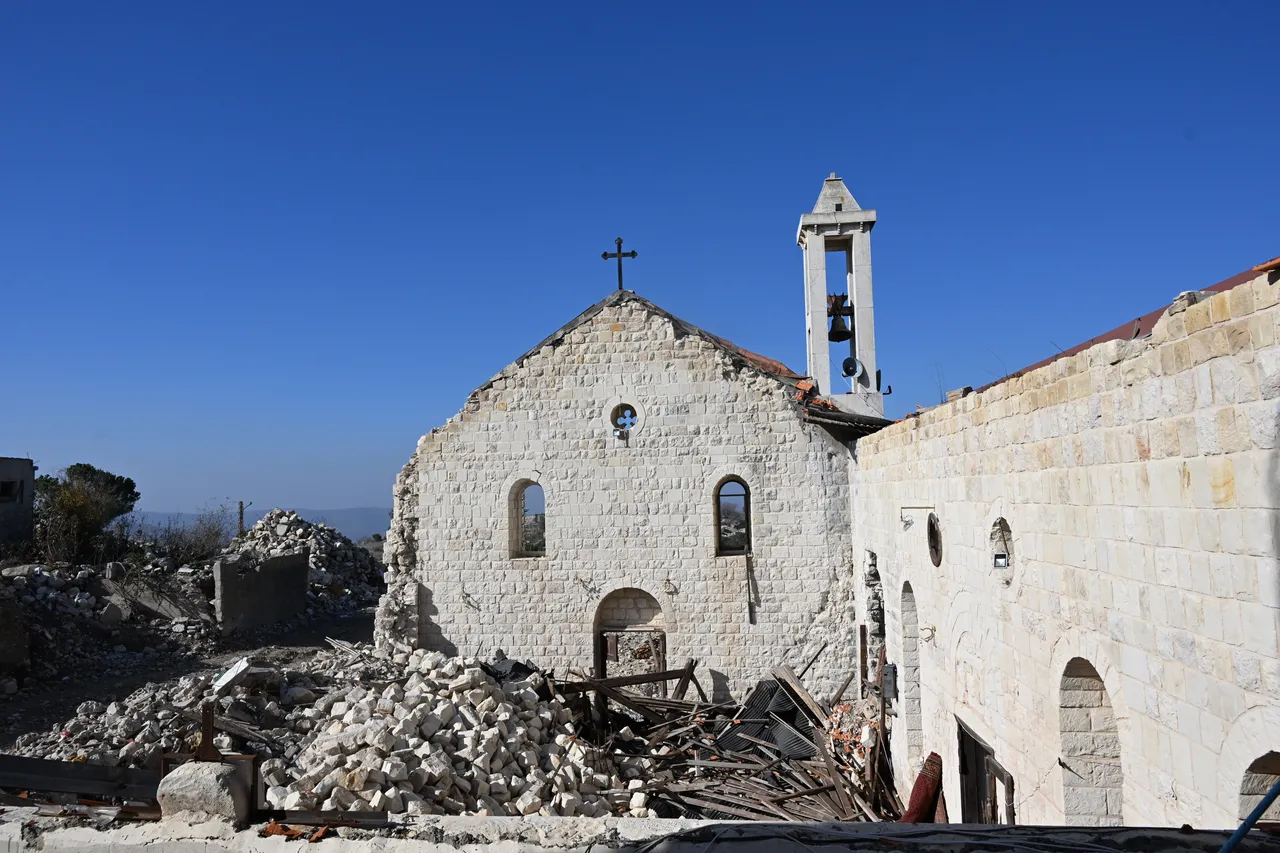
Market Opportunity in Religious & Heritage Products: The documented destruction of Christian convents, churches, and religious sites (Salvatorian Sisters convent in Yaroun, Melkite churches in multiple villages) creates demand surge for religious merchandise, replacement icons, heritage replicas, and commemorative products. Sellers in religious goods categories (Christian art, prayer items, heritage replicas, educational materials about Middle Eastern Christianity) can expect 30-50% traffic increases as diaspora communities and religious organizations seek replacement inventory and educational materials. The Hague Convention for the Protection of Cultural Property in the Event of Armed Conflict creates compliance requirements for sellers offering "cultural heritage" products—necessitating accurate descriptions and origin documentation.
Regional Market Contraction: The conflict reduces consumer purchasing power in Lebanon, Israel, and Palestinian territories. Sellers targeting these markets should expect 20-35% revenue decline through Q2-Q3 2026. However, diaspora communities in North America, Europe, and Gulf states show increased purchasing of religious and cultural products, representing a geographic arbitrage opportunity. Sellers should shift inventory allocation from direct Middle East sales to diaspora-focused marketing in US, Canada, UK, and EU markets.
Questions 7
Should I continue selling to customers in Lebanon and Israel during this conflict?
Proceed with caution. The conflict created 2,659 deaths and 8,183 wounded between March-May 2026, with ongoing ceasefire fragility announced April 17, 2026. Operational risks include: (1) Shipping delays of 7-14 days, (2) Potential customs clearance disruptions, (3) Payment processing challenges with regional financial institutions, (4) Customer service complications due to infrastructure damage. For essential/high-margin products, continue operations but implement: (1) Extended delivery time estimates (+10-14 days), (2) Prepayment requirements to reduce chargeback risk, (3) Simplified product assortment (avoid fragile items), (4) Clear communication about conflict-related delays. Monitor ceasefire stability through June 2026 before expanding regional operations. Maintain backup payment processors and consider pausing new customer acquisition in these markets until stability improves.
What compliance requirements apply to selling cultural heritage products during conflict?
The Hague Convention for the Protection of Cultural Property in the Event of Armed Conflict creates legal obligations for sellers offering cultural heritage items. Specifically: (1) Provide accurate origin documentation for religious artifacts and heritage replicas, (2) Avoid marketing products as 'salvaged' or 'rescued' from conflict zones without proper provenance, (3) Include disclaimers on educational materials about destroyed sites, (4) Maintain records of supplier sourcing for 3+ years. Amazon and eBay increasingly flag cultural property listings for compliance review. Update your product descriptions by May 31, 2026, to include origin statements and remove any language suggesting items are from active conflict zones unless properly documented through legitimate cultural organizations.