


Government Industrial Policy Shift Reshapes Logistics Costs | Sellers Face 8-15% Shipping Rate Increases
- Spirit Airlines shutdown eliminates budget carrier option; major airlines raise fares 12-18% while Trump administration prioritizes strategic industries over consumer-focused infrastructure














Overview
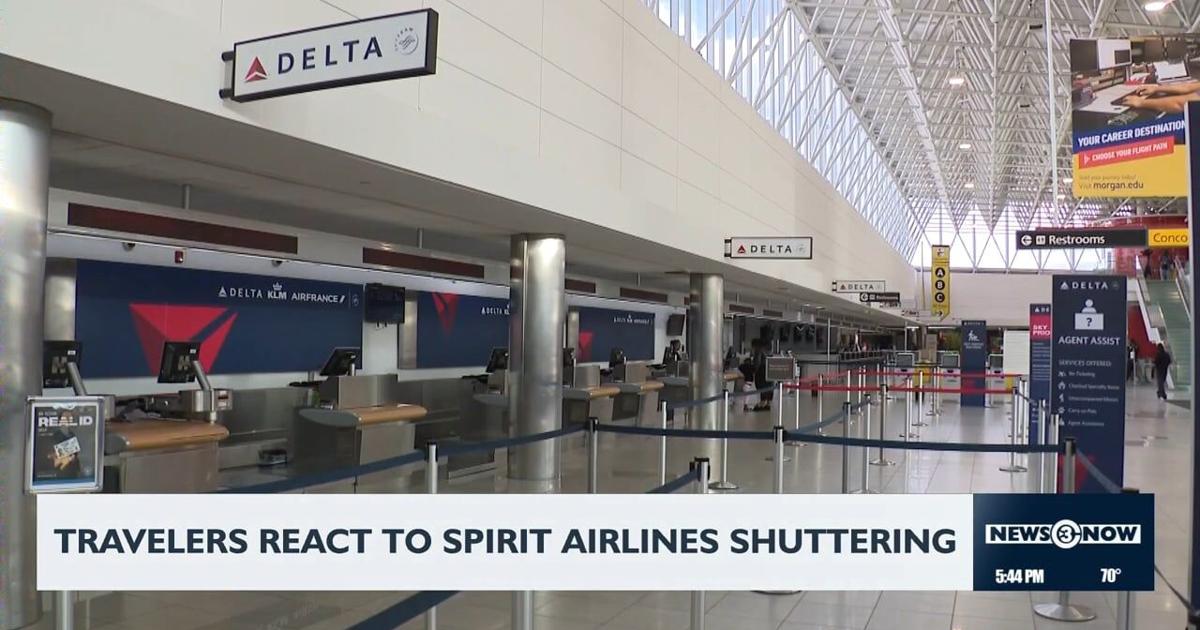
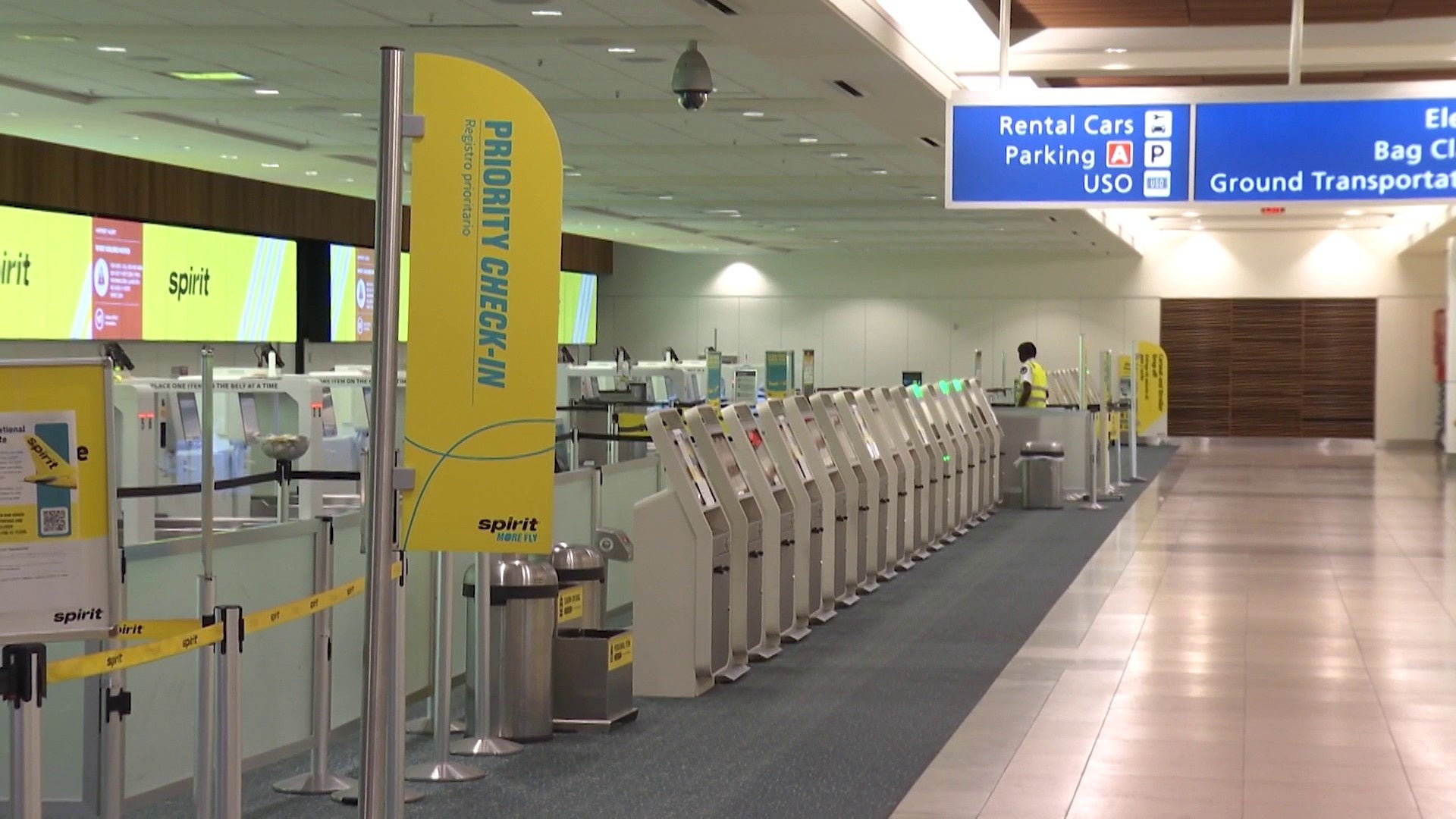
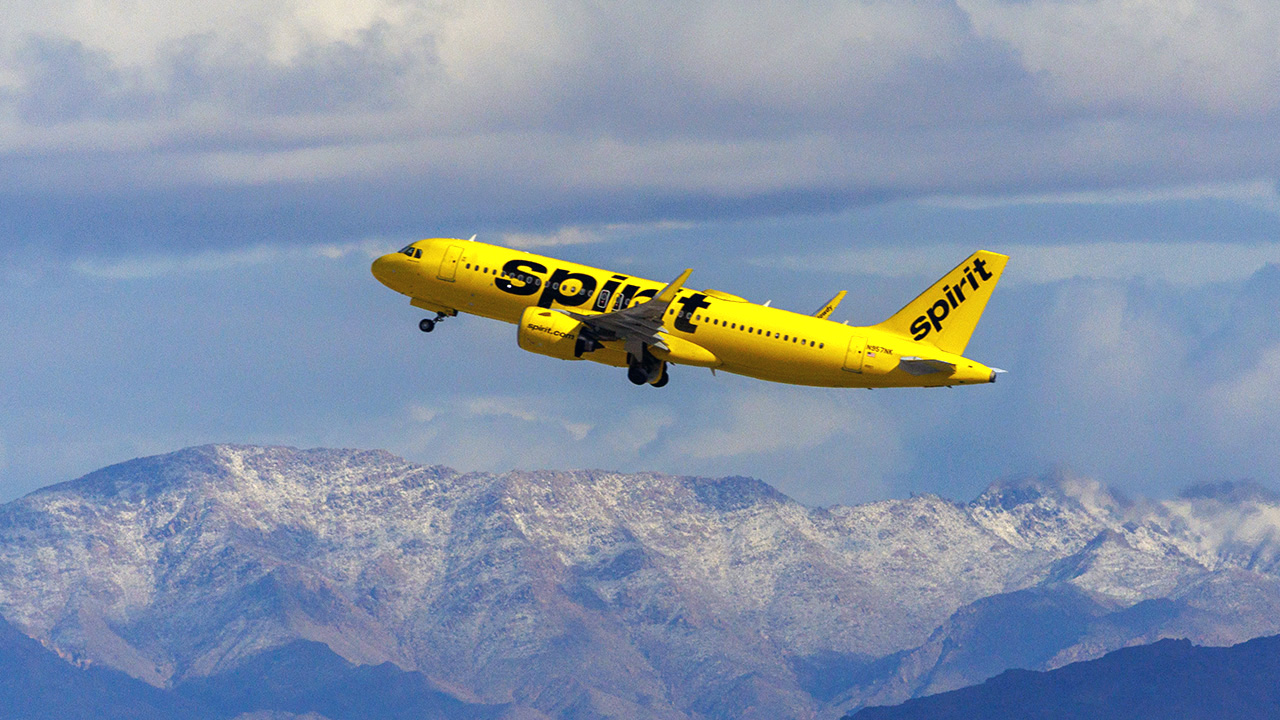
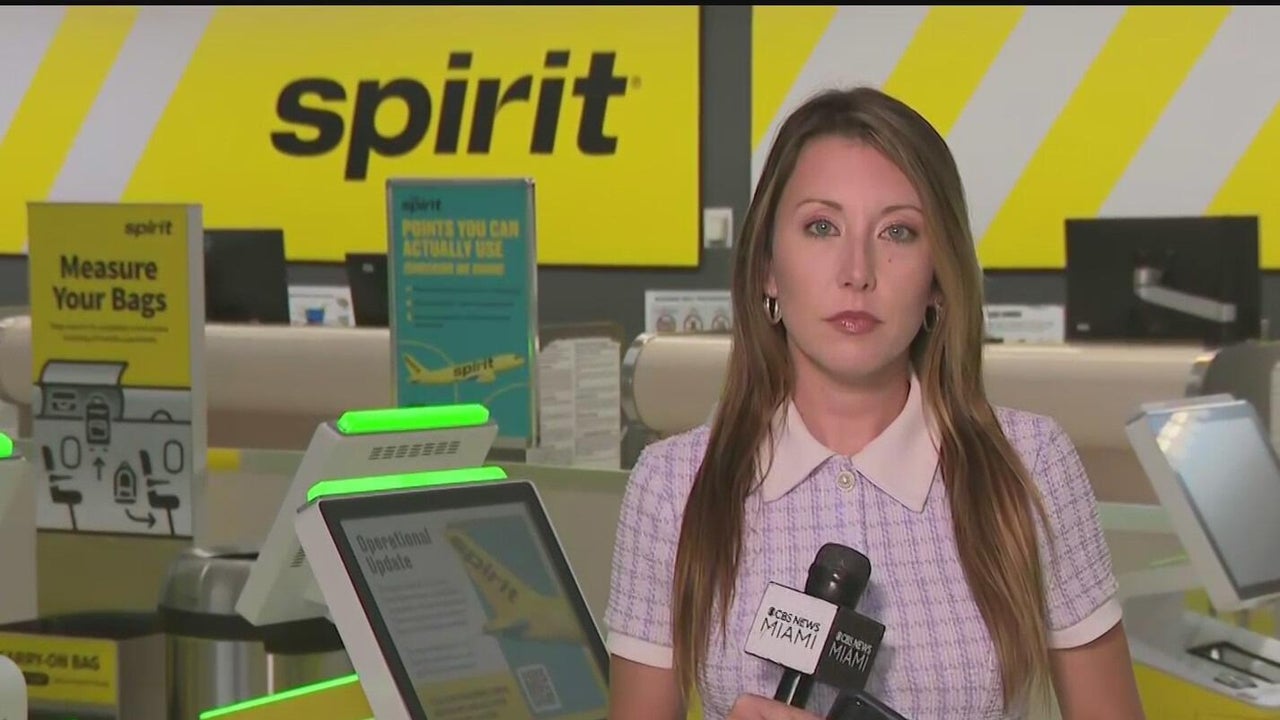
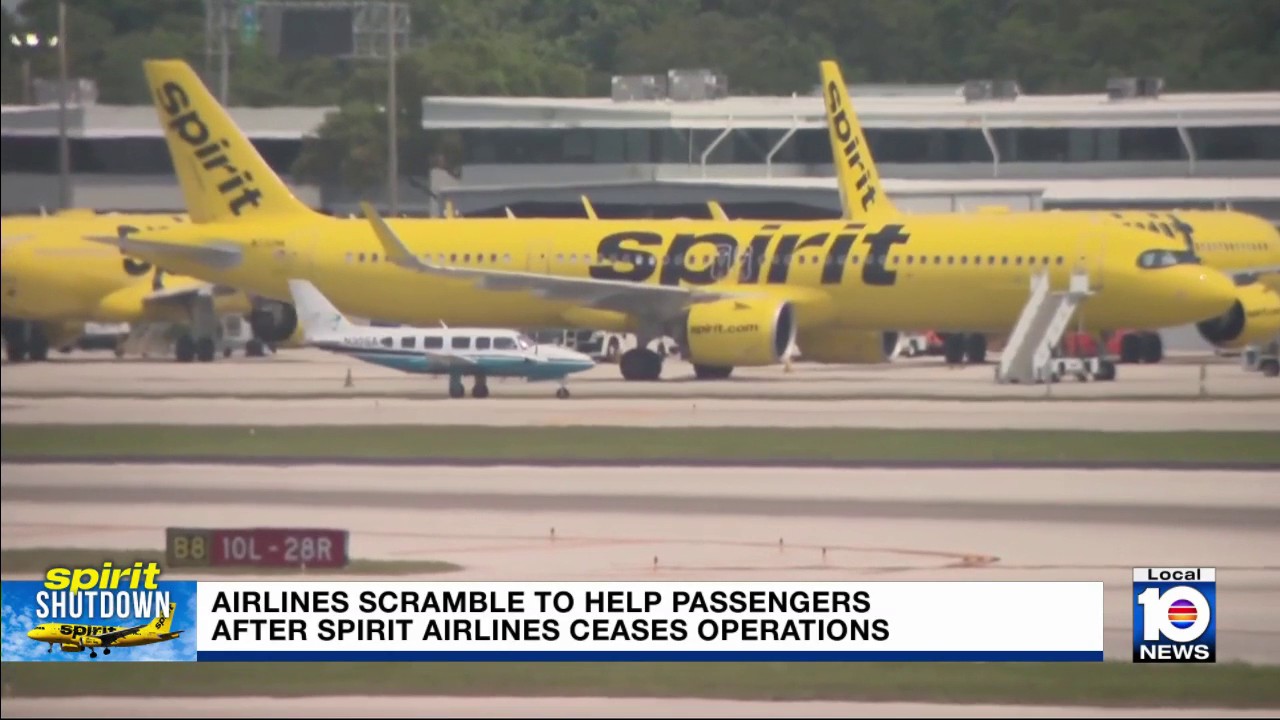
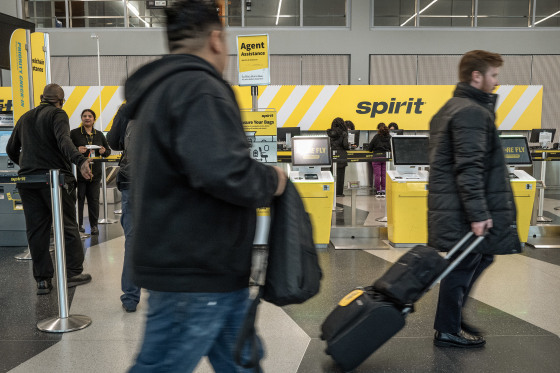
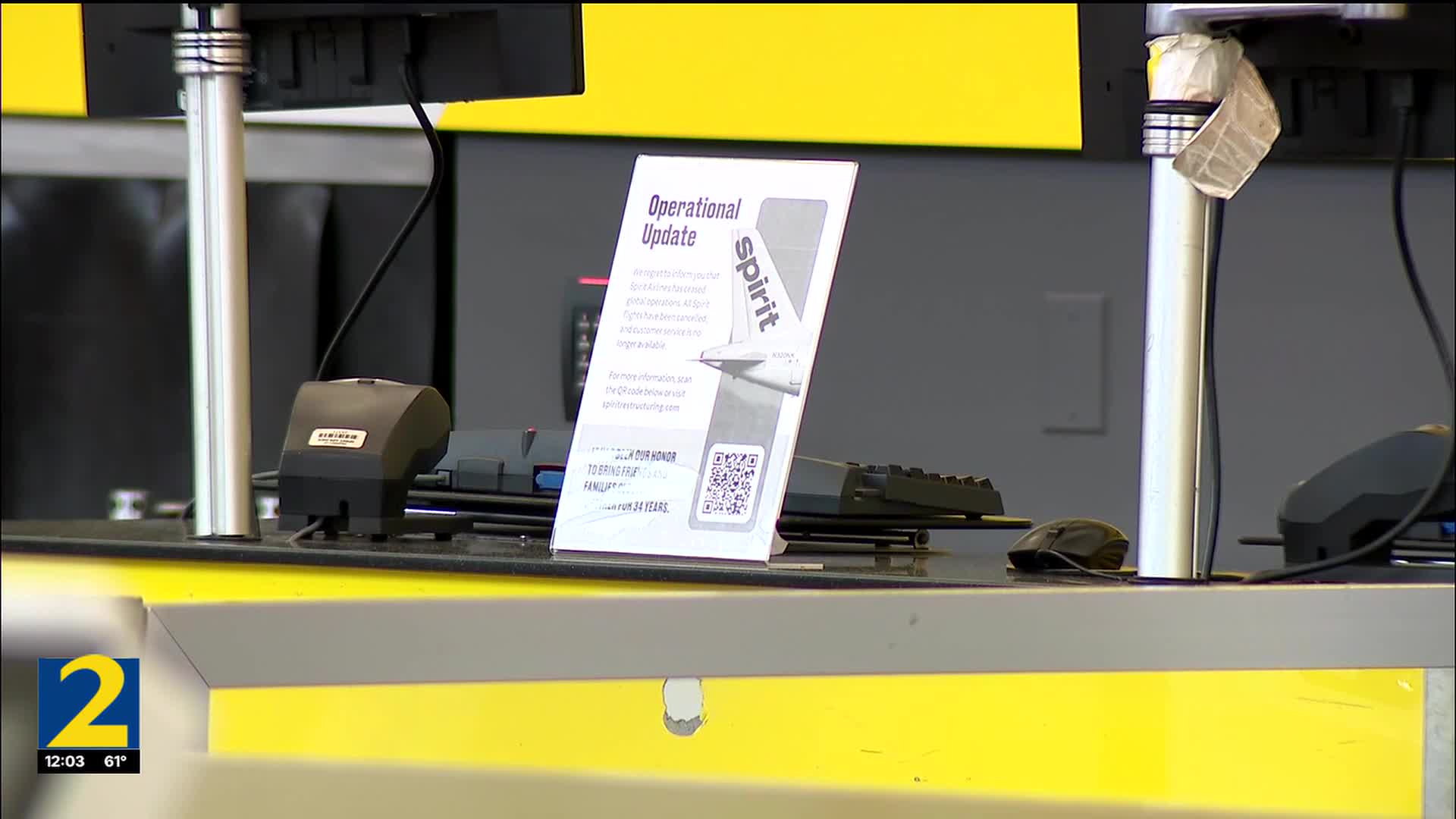
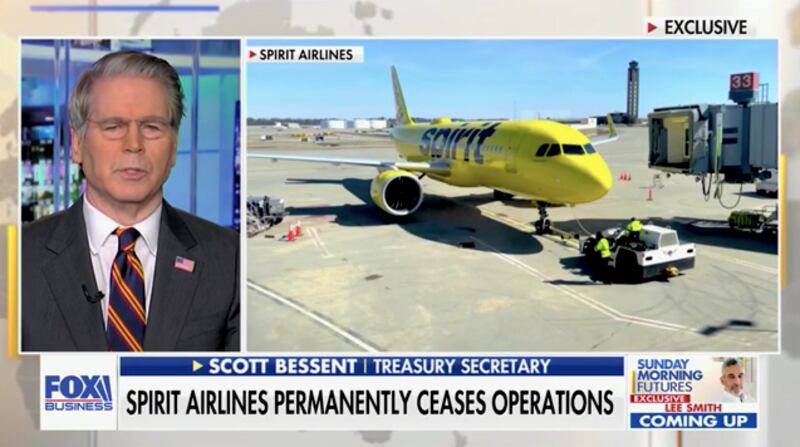
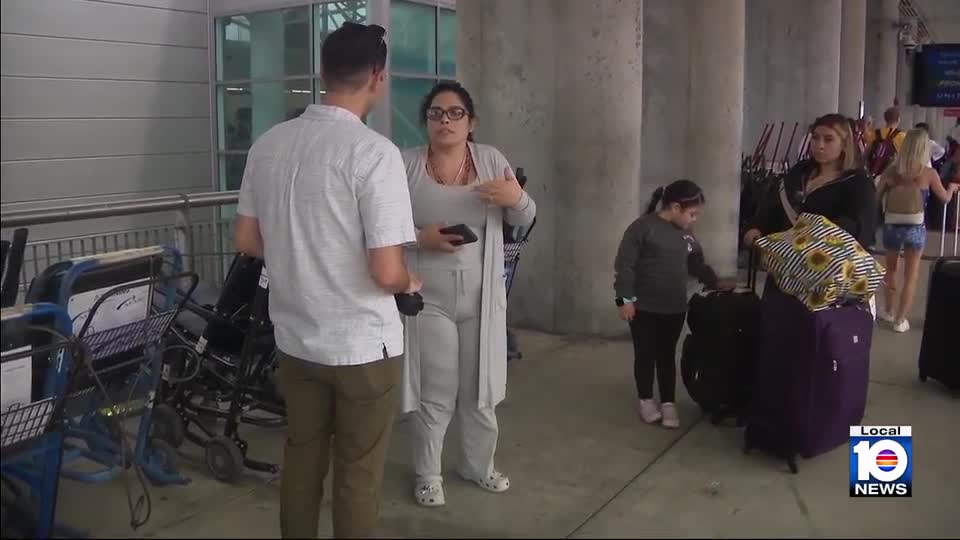
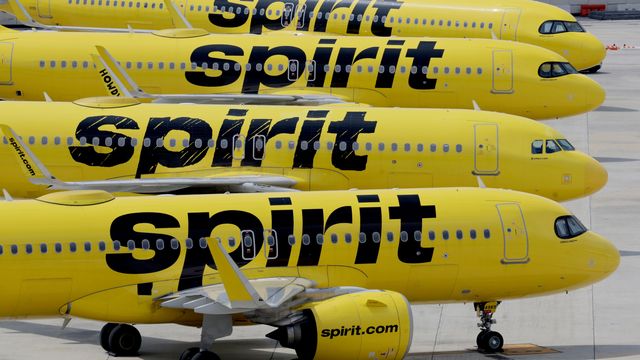
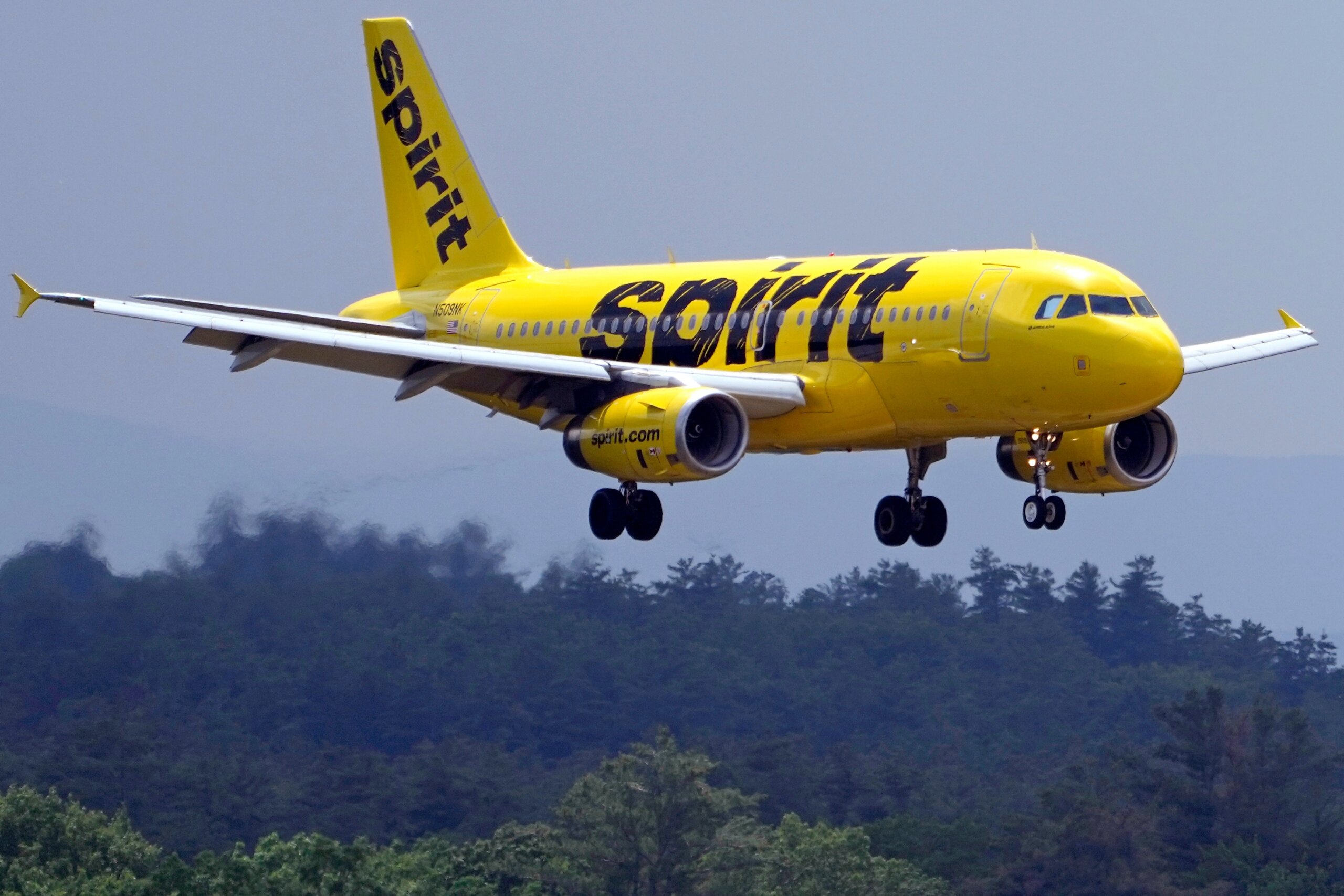
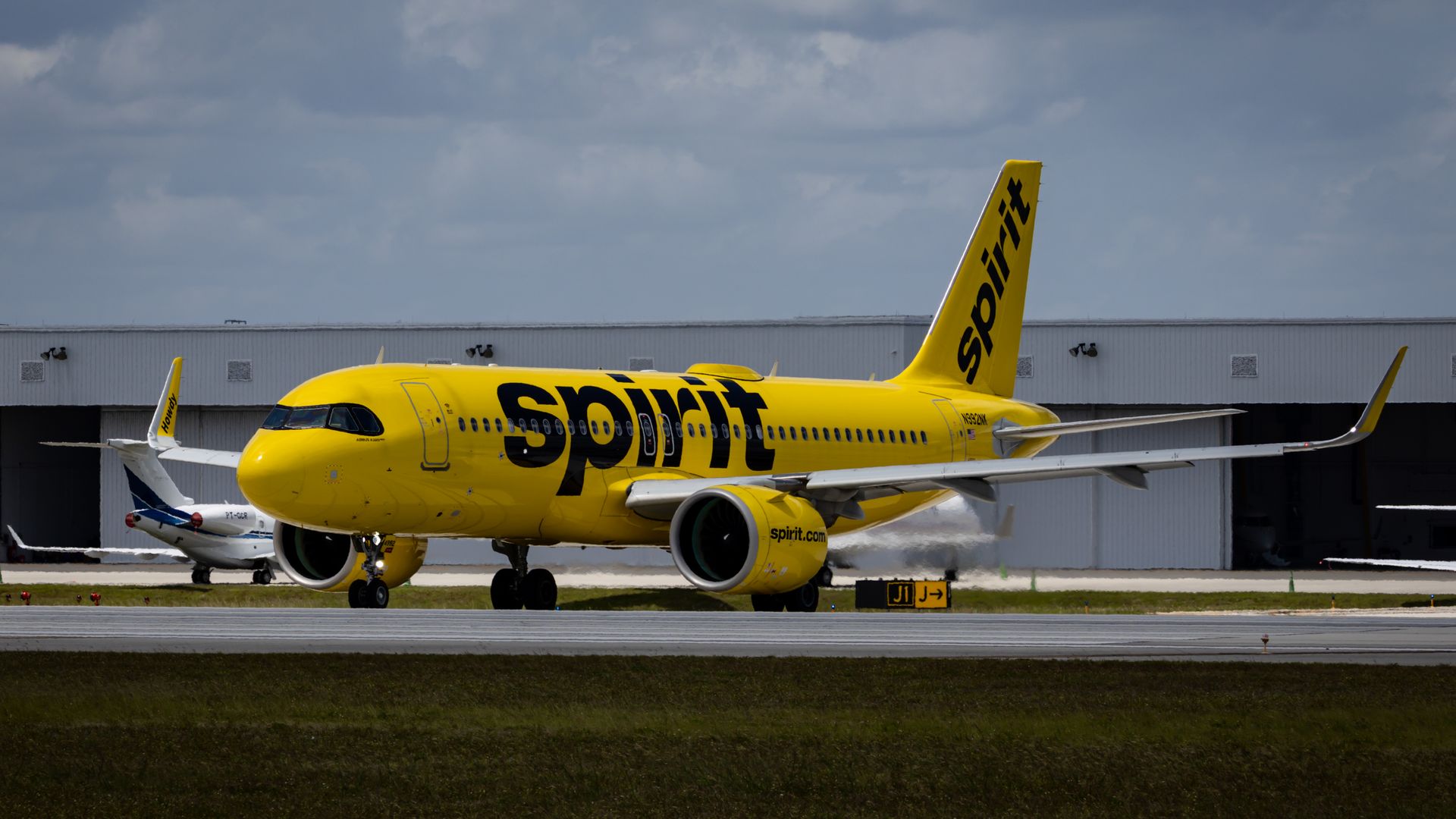
The collapse of Spirit Airlines in May 2026 represents a critical inflection point for cross-border and domestic e-commerce sellers, driven by a fundamental shift in U.S. government industrial policy. Spirit's shutdown—the first major U.S. airline failure in 25 years—eliminates the ultra-low-cost carrier that previously forced competitors to maintain competitive pricing. Simultaneously, the Trump administration's selective investment strategy (converting $11.1 billion in CHIPS Act funding into Intel equity, securing stakes in rare earth and lithium producers, negotiating chip export restrictions) signals a pivot away from consumer-focused infrastructure toward strategic industrial control. This dual dynamic creates immediate cost pressures for sellers relying on air freight for time-sensitive inventory.
Immediate Shipping Cost Impact: With Spirit's 300 daily flights eliminated and major carriers (United, Delta, JetBlue, Southwest) raising fares 12-18% post-shutdown, sellers face 8-15% increases in air freight costs for expedited shipments. The Iran conflict that triggered Spirit's final collapse also spiked jet fuel costs, creating a structural cost floor that won't reverse quickly. Sellers shipping perishables, fashion seasonals, or electronics requiring rapid inventory turns will absorb $200-500 additional monthly costs per 1,000-unit shipments. Small and medium sellers (SMBs) with limited negotiating power face the steepest impact, as major carriers prioritize high-volume corporate contracts.
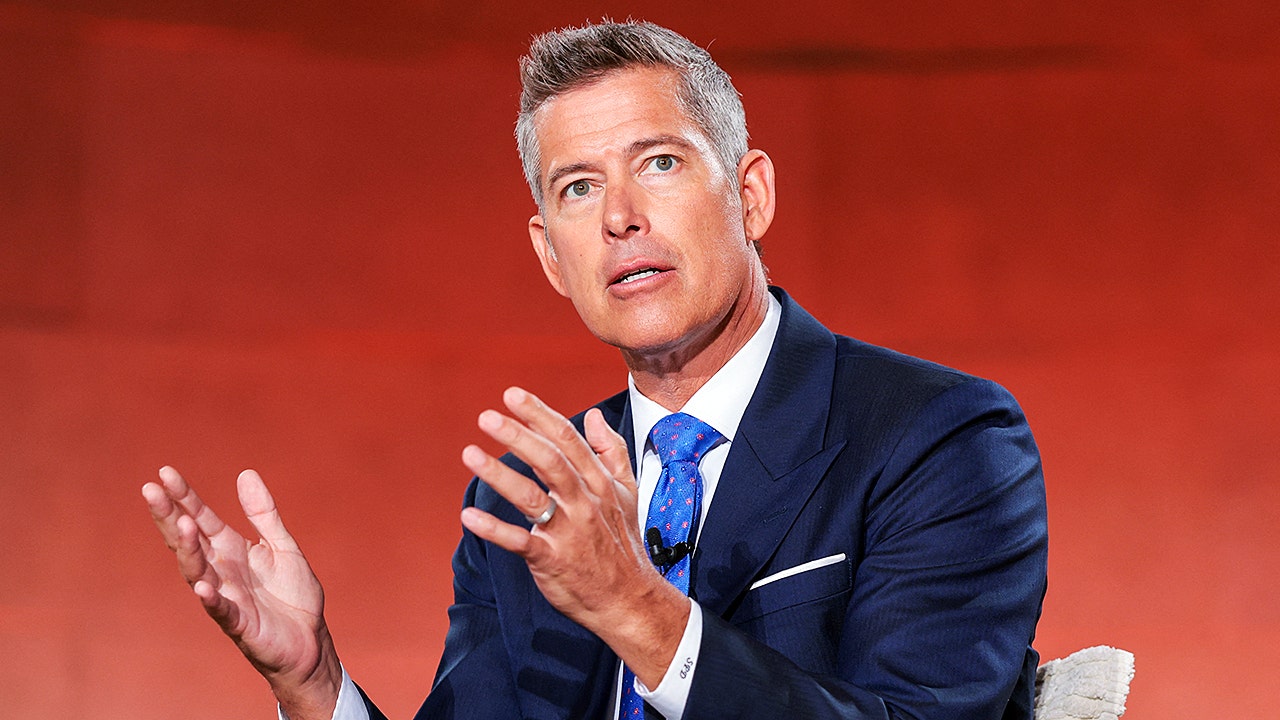
Government Policy Implications for Logistics: The Trump administration's rejection of Spirit's $500 million bailout—despite offering government majority control—reveals a transactional approach to industrial policy: investments only proceed "if it's a good deal" for government returns. This signals reduced willingness to subsidize consumer-facing infrastructure (airlines, shipping) versus strategic manufacturing (semiconductors, rare earths). For sellers, this means: (1) expect continued air freight cost escalation without government intervention, (2) anticipate tariff-driven supply chain restructuring as the administration prioritizes China containment over consumer pricing, and (3) prepare for selective corporate pressure (Trump pressured Walmart on pricing, suggested favorable tariff treatment for compliant companies). Sellers aligned with administration-favored industries (semiconductor supply chain, rare earth processing, domestic manufacturing) may gain tariff exemptions or preferential logistics access.
Competitive Dynamics Shift: Spirit's elimination removes pricing pressure on legacy carriers. Industry analysts predict fares will remain elevated as the ultra-low-cost model that Spirit pioneered becomes obsolete. This creates a 6-12 month window where sellers can: (1) shift inventory sourcing to reduce air freight dependency (prioritize sea freight with 4-6 week lead times), (2) negotiate multi-year contracts with remaining carriers before rates stabilize at higher levels, (3) evaluate 3PL providers with diversified carrier relationships to hedge against single-carrier dependency. The 17,000 job losses from Spirit's collapse also signal labor market tightening in logistics hubs (New York, Las Vegas, Fort Lauderdale), potentially increasing ground handling and warehouse labor costs 5-8% in these regions.
Questions 8
What are the bankruptcy and refund implications for sellers with Spirit Airlines bookings or credits?
Spirit committed to automatic refunds for credit/debit card purchases but noted that vouchers, Free Spirit points, and travel agent bookings would be determined through bankruptcy proceedings. If you had Spirit bookings for business travel or inventory transport, file claims in bankruptcy court immediately (deadline typically 60-90 days from filing). For inventory shipped via Spirit, verify insurance coverage; Spirit's liquidation may not cover cargo losses. Major carriers (United, Delta, JetBlue, Southwest) capped fares at $200 one-way for Spirit passengers with confirmation numbers, but this offer expires 30-60 days post-shutdown. Document all Spirit transactions for tax deduction purposes.
How should I adjust my inventory forecasting and lead time planning given the new logistics environment?
Increase inventory safety stock by 15-20% to buffer against air freight delays and cost volatility. Extend demand forecasting windows from 4-6 weeks to 8-12 weeks to accommodate longer sea freight lead times. Implement dynamic pricing strategies that pass through 50-70% of shipping cost increases to customers in time-sensitive categories. Monitor jet fuel futures prices and geopolitical risk indicators (Iran tensions, oil supply disruptions) weekly; when prices spike 20%+, trigger inventory acceleration orders 2-3 weeks early. Diversify carrier relationships across 3-4 providers to reduce single-carrier dependency. Evaluate 3PL providers with regional warehouse networks to reduce air freight dependency through distributed inventory positioning.