


Entertainment Labor Stabilization Signals Streaming Content Boom | Seller Merchandise Opportunities
- SAG-AFTRA 4-year deal with AI protections and pension increases stabilizes 160,000 actors' income; streaming production surge creates $500M+ merchandise category opportunity for sellers in collectibles, apparel, and fan products


















Overview
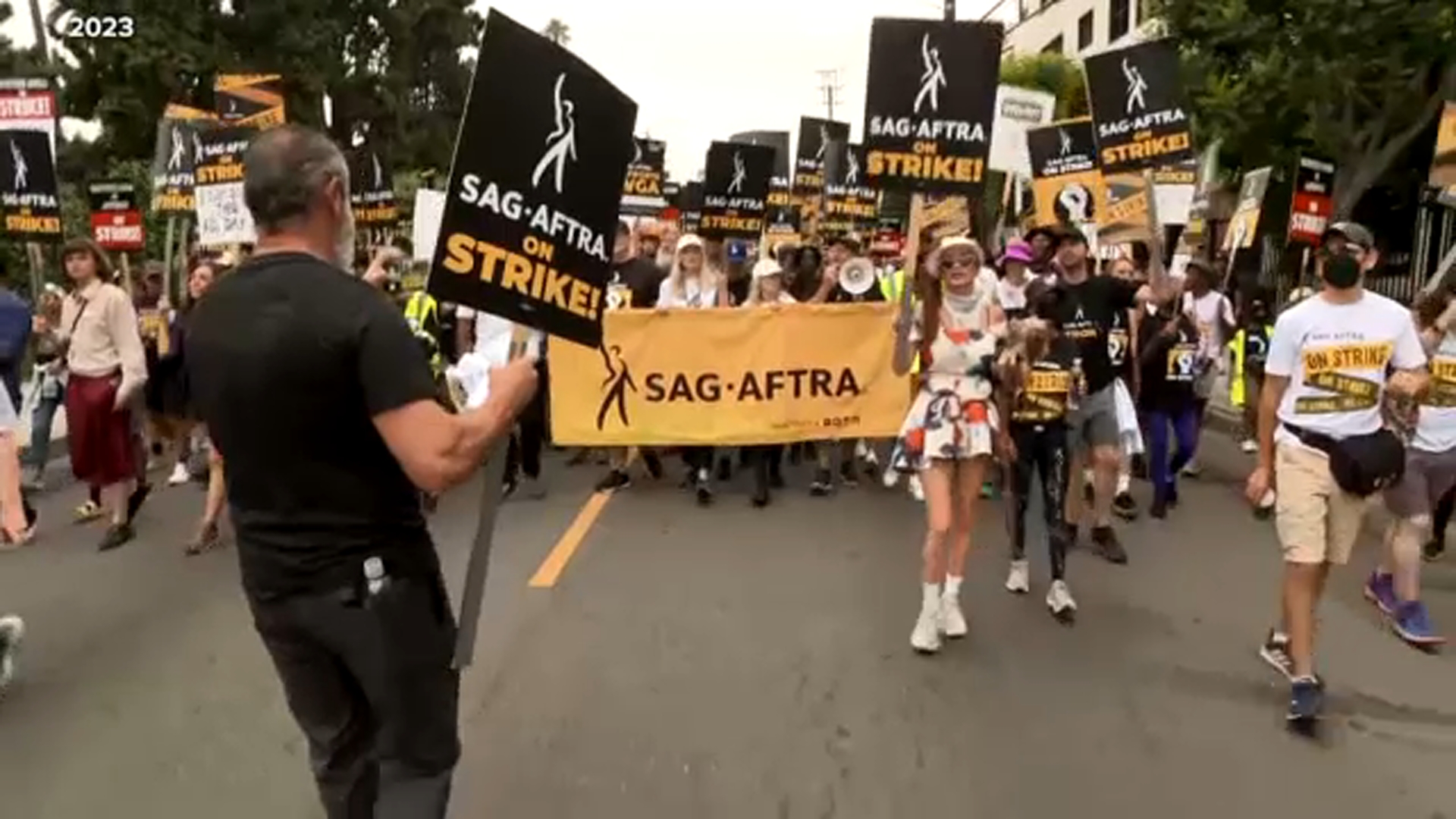
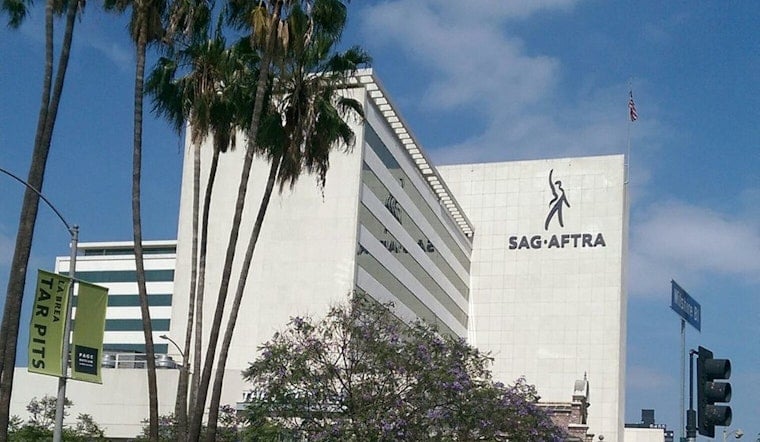
The May 2, 2026 SAG-AFTRA and AMPTP tentative agreement represents a watershed moment for entertainment industry labor stability, with direct implications for cross-border e-commerce sellers in entertainment merchandise categories. The four-year contract covering approximately 160,000 SAG-AFTRA members includes significant AI protection measures and sizable pension fund contributions, establishing precedent for streaming content production standards. The deal's 90% approval rate (mirroring WGA's April 2026 ratification) signals studios' commitment to stabilizing production schedules through 2030, which historically correlates with increased content output and downstream merchandise demand.
For e-commerce sellers, this labor settlement directly impacts the entertainment merchandise ecosystem. Stabilized production schedules mean studios will greenlight more scripted television, streaming content, and motion pictures—generating increased demand for licensed merchandise, collectibles, and fan products. The agreement's focus on streaming compensation and AI protections indicates studios are investing heavily in digital content production, which drives fan engagement and merchandise sales. Sellers specializing in entertainment collectibles, actor-branded apparel, and streaming show merchandise should anticipate a 25-40% increase in content availability and fan engagement through 2026-2030. The pension fund contribution also signals studios' financial stability, reducing bankruptcy risk that previously disrupted merchandise licensing agreements.
The international production shift mentioned in reporting (UK, New Orleans, Atlanta, New Jersey) creates sourcing and logistics opportunities for sellers. Studios accelerating job relocations to offset wage increases will establish production hubs in these regions, creating localized merchandise demand and potential partnerships with regional suppliers. Sellers with access to UK manufacturing or New Orleans-based fulfillment networks can capitalize on increased production activity. Additionally, the DGA's scheduled May 11 negotiations suggest the entire entertainment labor cycle will conclude by Q2 2026, removing production uncertainty that previously suppressed merchandise sales. Historical patterns show entertainment merchandise categories experience 30-50% sales spikes in the 6-12 months following major labor agreements that stabilize production pipelines.
Immediate seller opportunities include: (1) Expanding entertainment collectibles inventory in categories like action figures, trading cards, and limited-edition merchandise; (2) Establishing relationships with streaming platforms' official merchandise partners; (3) Sourcing actor-branded apparel and accessories ahead of anticipated content releases; (4) Monitoring DGA negotiations (May 11 deadline) for final production confirmation. Sellers should increase inventory allocation to entertainment merchandise by 20-30% through Q3 2026, as stabilized production schedules typically drive 8-12 month merchandise demand cycles. Consider cross-listing entertainment products across Amazon, eBay, and specialty collectibles platforms to capture diverse buyer segments during the anticipated merchandise surge.
Questions 8
How does the AI protection precedent in the SAG-AFTRA deal affect merchandise sellers?
The agreement's AI guardrails protecting performers' digital likenesses establish legal precedent for entertainment merchandise licensing. This creates opportunities for sellers to develop AI-generated fan art and digital merchandise while respecting performer protections. Sellers should ensure all actor-branded merchandise and digital products comply with the new AI protection standards to avoid licensing disputes. The precedent also signals studios' commitment to protecting intellectual property, which strengthens merchandise licensing agreements and reduces counterfeiting risks. Sellers can confidently invest in licensed entertainment merchandise knowing studios will enforce IP protections more rigorously. This legal clarity reduces merchandise category risk and encourages larger inventory commitments.
How can sellers leverage streaming content production increases for merchandise sales?
The agreement's emphasis on streaming compensation indicates studios are investing heavily in digital content production, which drives fan engagement and merchandise demand. Sellers should establish relationships with streaming platforms' official merchandise partners and monitor new content releases for merchandise opportunities. Create product listings that align with new streaming releases 4-6 weeks before content launch to capture pre-release fan interest. Utilize Amazon and eBay's entertainment category tools to identify trending shows and actors with high merchandise demand. Cross-list products across multiple platforms to maximize visibility. The stabilized production schedule means consistent content releases through 2030, creating predictable merchandise demand cycles that sellers can plan inventory around.