



Android Messaging Crisis 2025-2026 | Google Monopoly Threatens Seller Communications
- Samsung discontinues Messages app July 2025; Google Messages bugs cause data loss across Pixel, Motorola devices; RCS walled garden forces 1B+ Android users toward Google ecosystem or Apple iMessage











Overview
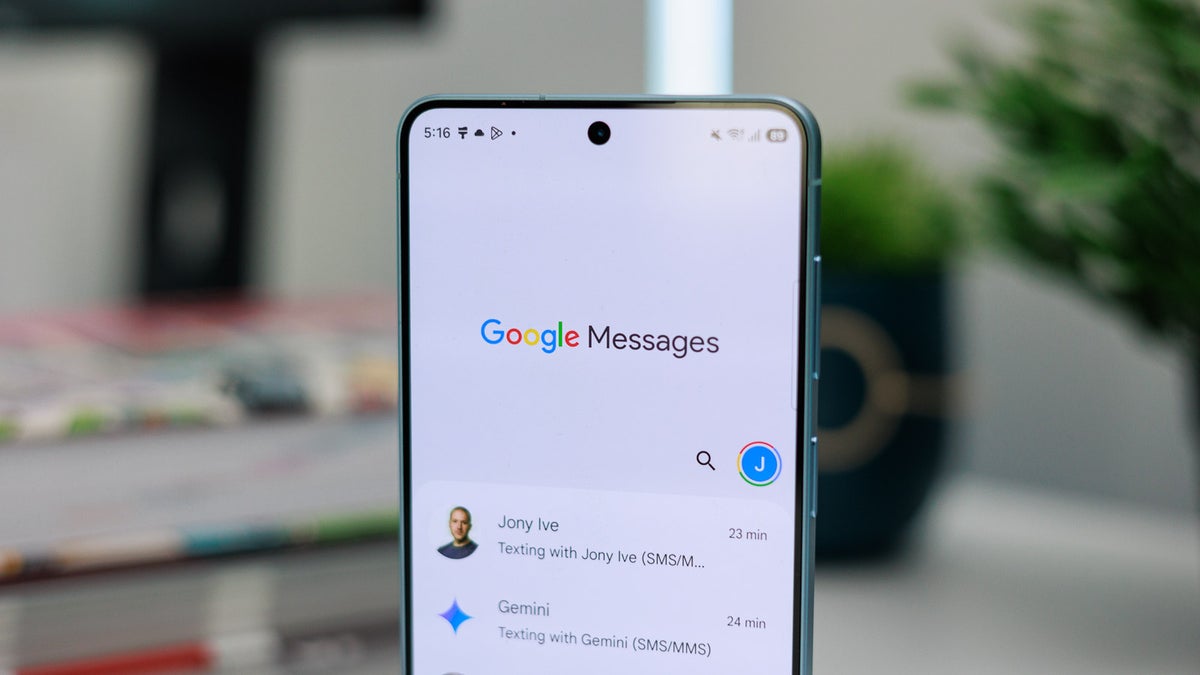
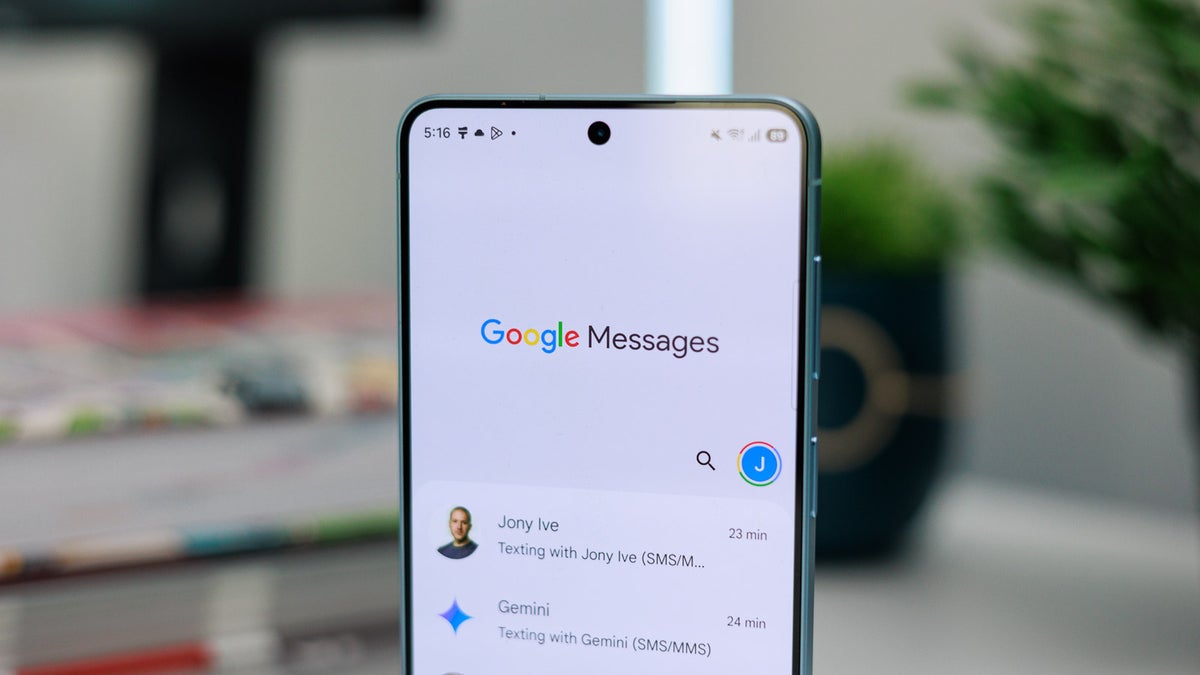
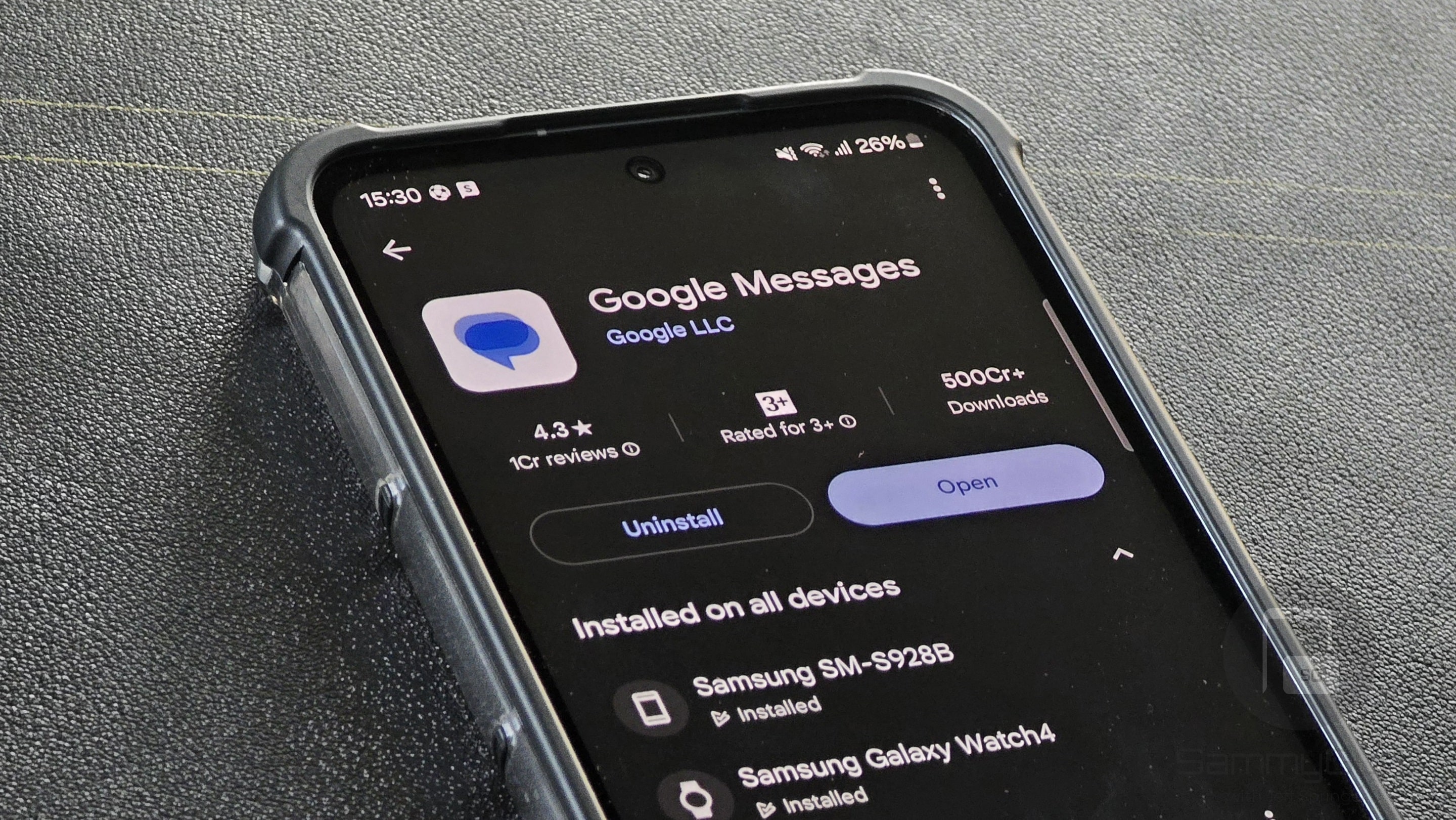
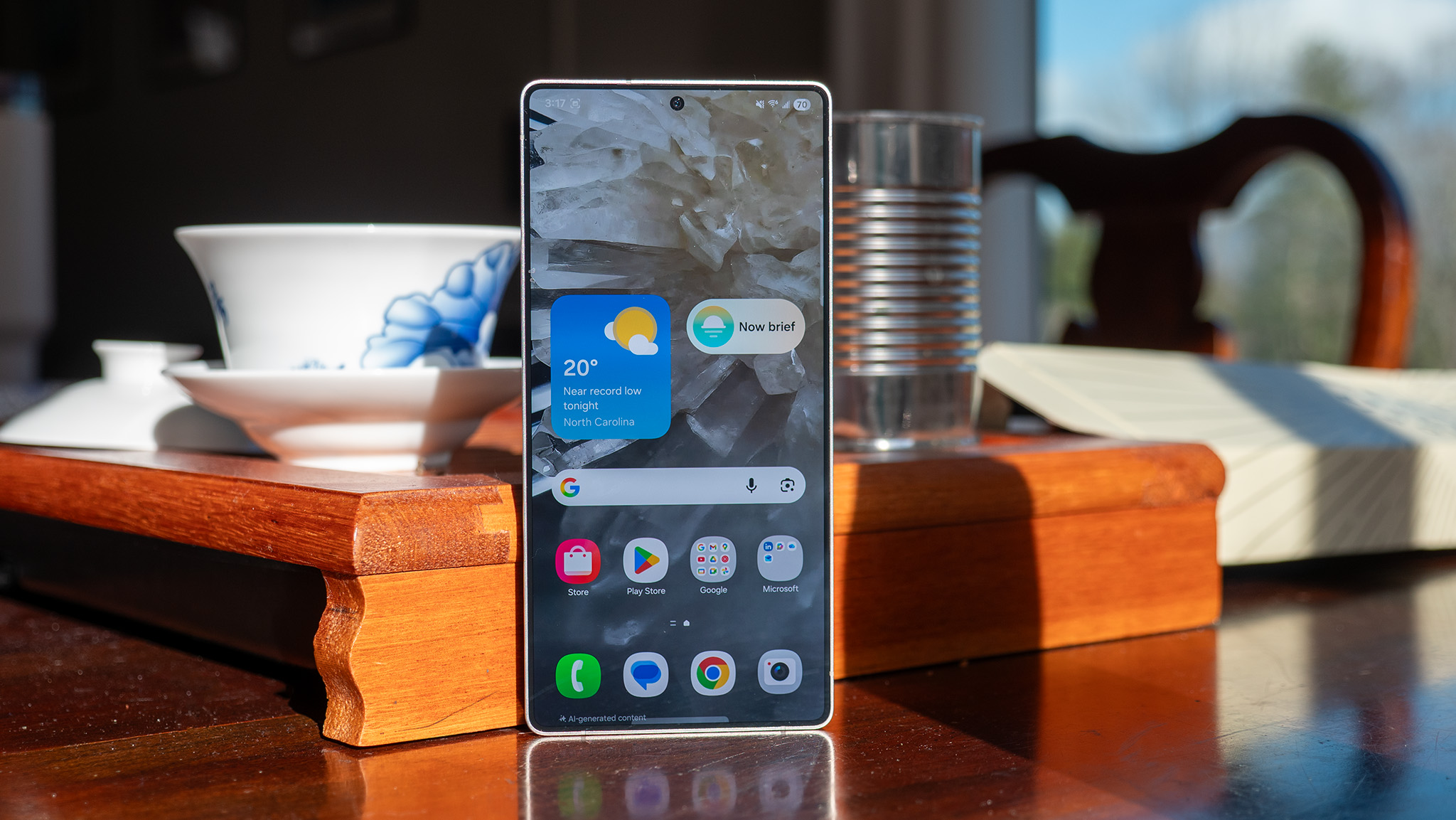
The Android messaging ecosystem is undergoing a critical consolidation that directly impacts cross-border e-commerce sellers relying on mobile communications for customer engagement. Samsung Messages discontinuation (July 2025) marks a watershed moment: the world's largest Android manufacturer is abandoning its proprietary messaging app and directing users to Google Messages, effectively ceding the messaging layer to Google's RCS (Rich Communication Services) infrastructure. This consolidation, combined with a spreading critical bug in Google Messages causing message disappearance across Samsung Galaxy, Google Pixel, and Motorola Razr devices, creates a dual crisis for sellers managing customer communications on Android platforms.
The technical reality is stark: Google has created a walled garden around RCS despite positioning it as an open standard. The company silently blocks RCS functionality on rooted Android phones and custom ROMs, forcing users into Google's ecosystem or accepting communication failures. For sellers, this means customer messages are increasingly vulnerable to platform-level bugs—reports from Reddit and Google Support forums document both new and old messages vanishing without user action, with standard troubleshooting (device restarts, app reinstallation, cache clearing) proving ineffective. A secondary bug incorrectly recategorizes message senders as "unknown," fragmenting customer conversations at critical moments.
The market consolidation creates a two-platform duopoly: Google Messages dominates Android (1.2B+ devices), while Apple's iMessage controls iOS (1B+ devices). For sellers operating globally, this fragmentation means maintaining separate communication workflows for each ecosystem. The transition period is compressed—Samsung provides approximately six months (July 2025 deadline) for users to migrate, but Samsung has not announced automatic message transfer capabilities, forcing manual exports or third-party migration tools. This creates operational friction precisely when sellers need seamless customer engagement.
Seller implications are substantial: Cross-border e-commerce operators using Samsung devices for customer service, order confirmations, or logistics coordination face platform reliability risks. The Google Messages bug demonstrates that mandatory app migrations can introduce data loss vulnerabilities. Sellers managing customer communications across multiple regions must now account for platform-specific messaging reliability—Google Messages instability in Android markets versus iMessage stability in iOS markets. This asymmetry may force sellers to prioritize email, WhatsApp, or SMS-based communication channels as primary customer contact methods, reducing reliance on native messaging apps entirely.
Questions 8
What are the cost and operational implications of this messaging consolidation for sellers?
The consolidation creates three cost categories: (1) **Migration costs**: Time spent exporting messages, backing up data, and training staff on new platforms (estimated 10-20 hours per seller managing 1000+ customer conversations); (2) **Platform diversification costs**: Implementing multi-channel communication systems (WhatsApp Business, email automation, SMS gateways) to reduce dependency on unreliable native messaging apps (estimated $50-200/month for small sellers, $500-2000/month for large sellers); (3) **Operational risk costs**: Potential customer service delays if messages disappear or fail to deliver, leading to lost sales or negative reviews. For sellers managing high-volume customer communications (100+ messages daily), the current Google Messages bug represents a material business risk. Diversifying communication channels now reduces these costs compared to emergency migration after a critical message loss incident.
How will this messaging consolidation affect sellers in different regions (US, EU, Asia)?
Regional impacts vary based on SMS adoption and platform preferences: **US/EU**: Google Messages and iMessage dominate; SMS remains important for business communications; sellers should prioritize email + WhatsApp + SMS as backup channels. **Asia-Pacific**: WhatsApp, WeChat, and regional messaging apps (Line, KakaoTalk) are primary communication channels; native Android/iOS messaging is secondary. **Emerging markets**: SMS remains critical for customer communications due to limited data connectivity; sellers should maintain SMS gateway integration regardless of native app reliability. The consolidation around Google Messages primarily affects developed markets where RCS adoption is higher. Sellers operating globally should implement region-specific communication strategies rather than relying on a single platform. This fragmentation actually creates opportunities for third-party messaging platforms (WhatsApp Business, Telegram) that operate across regions and devices.