

Israeli Military Expansion Signals Defense Tech Demand | Seller Opportunities in Aerospace Supply Chain
- Geopolitical tensions drive $15B+ defense procurement, creating supply chain opportunities for industrial components, electronics, and logistics services across Middle East region




)



















)


Overview
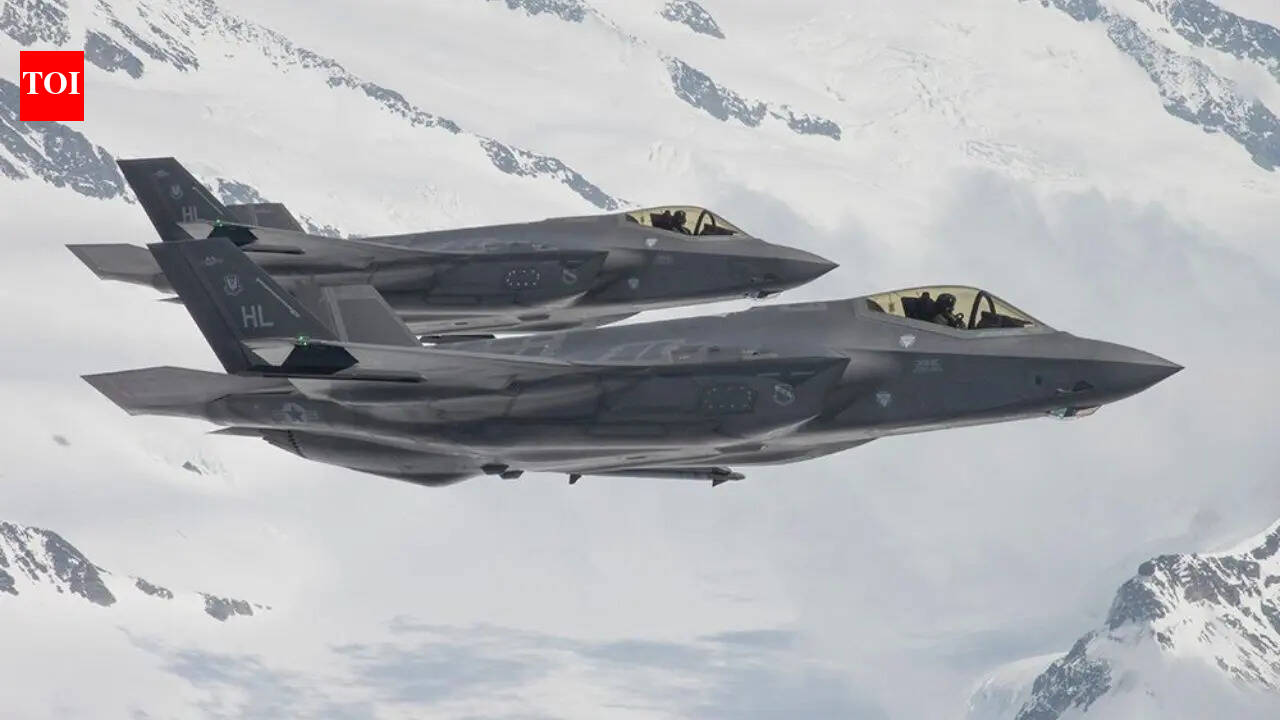
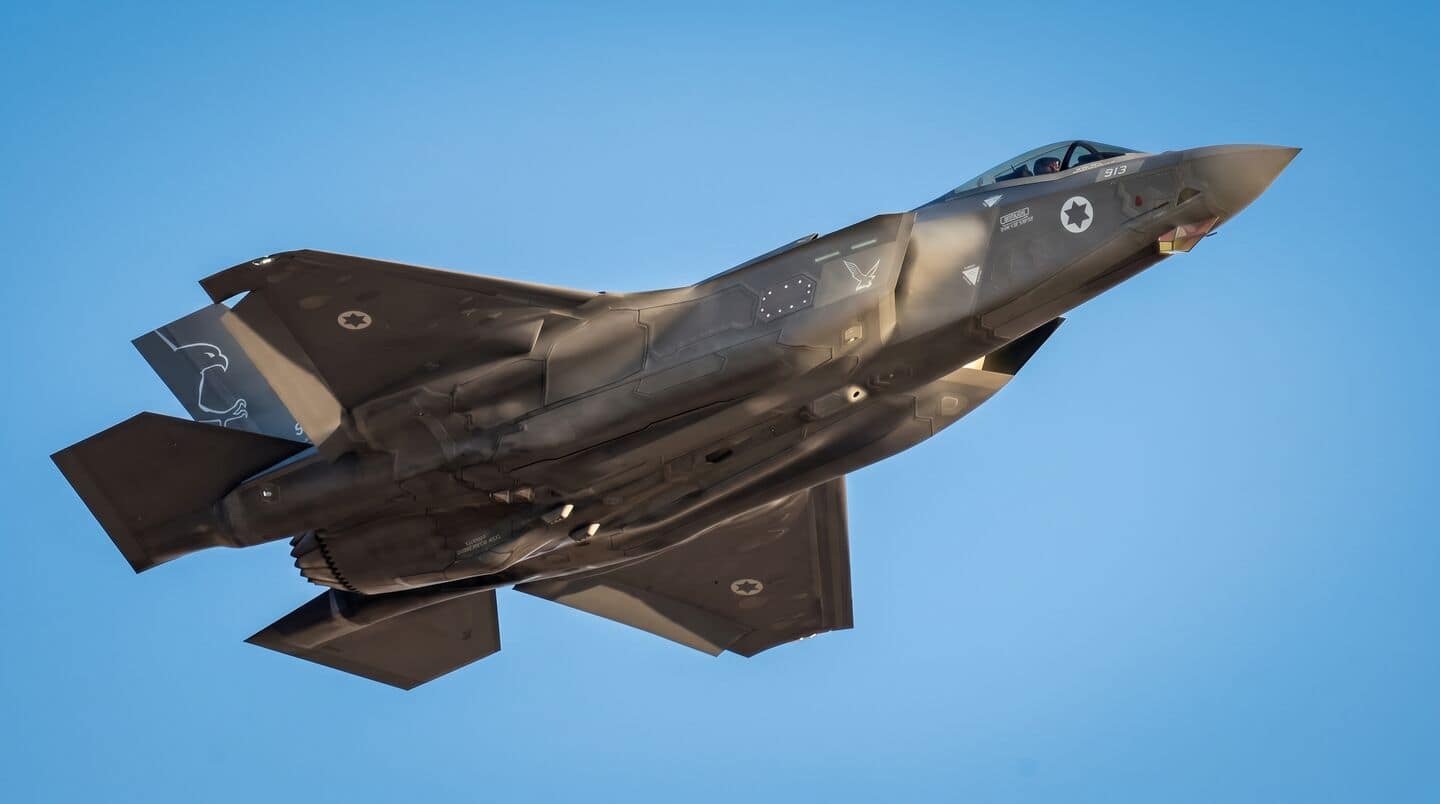
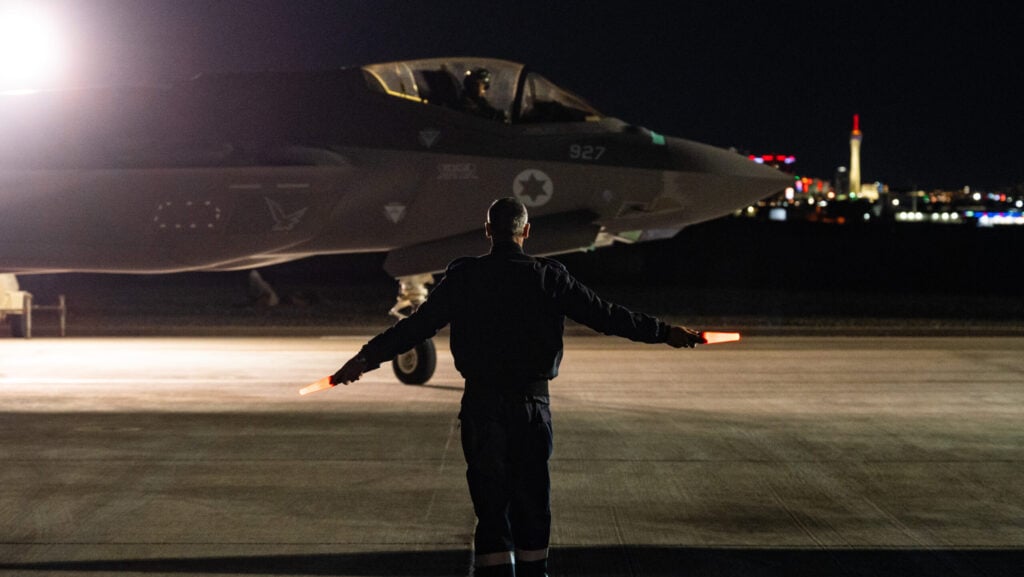
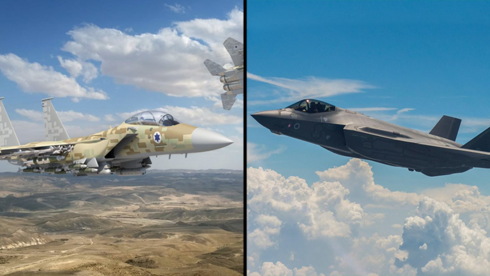
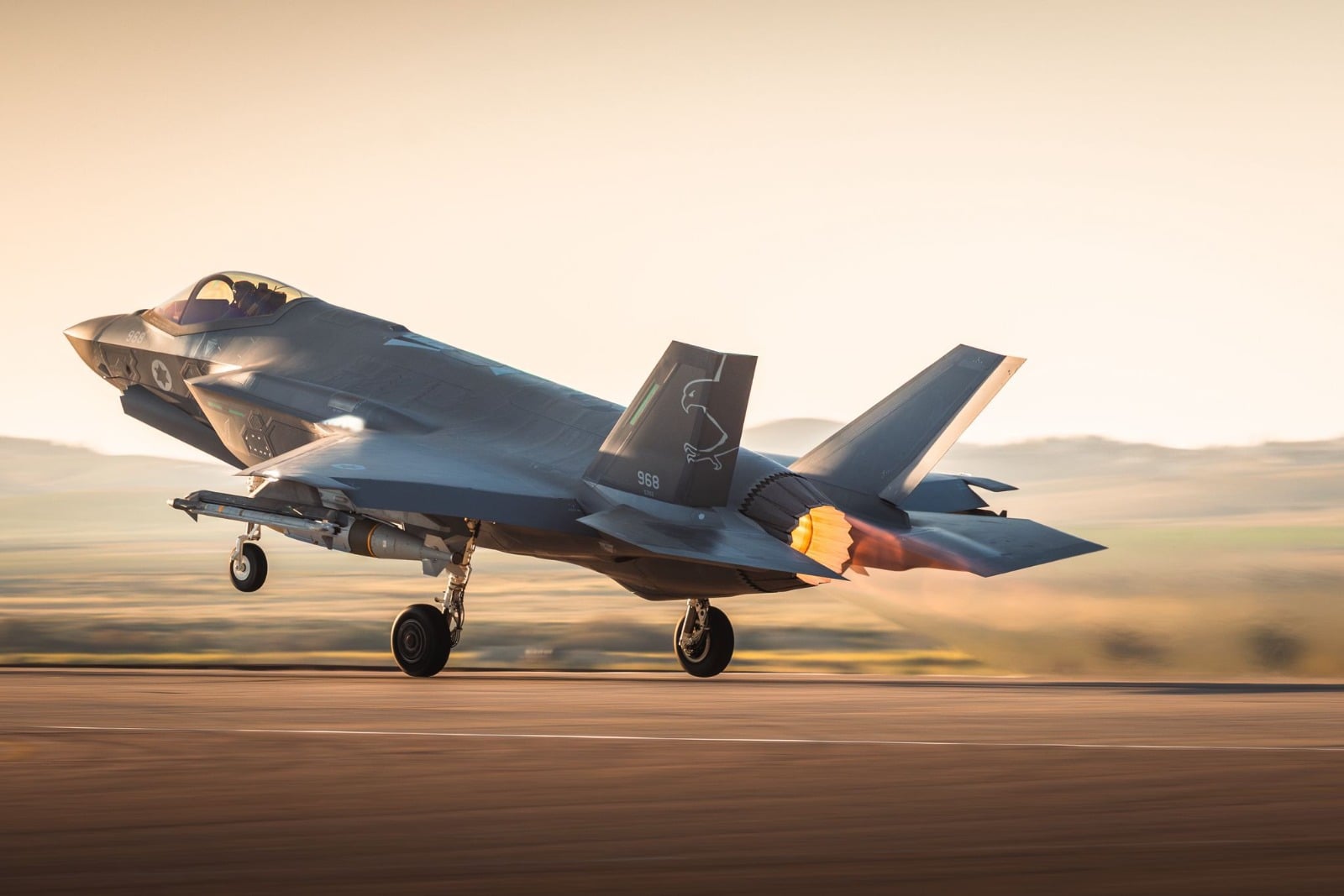
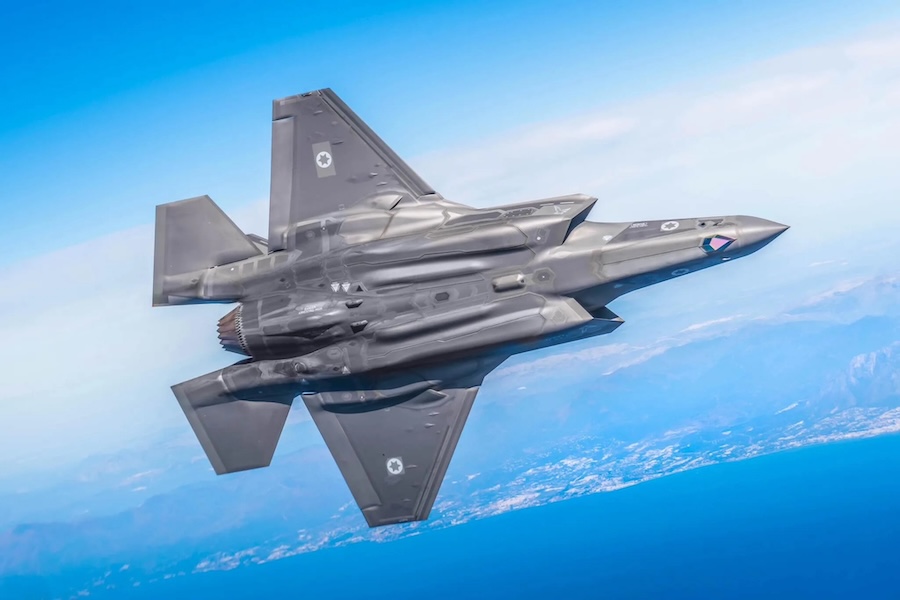
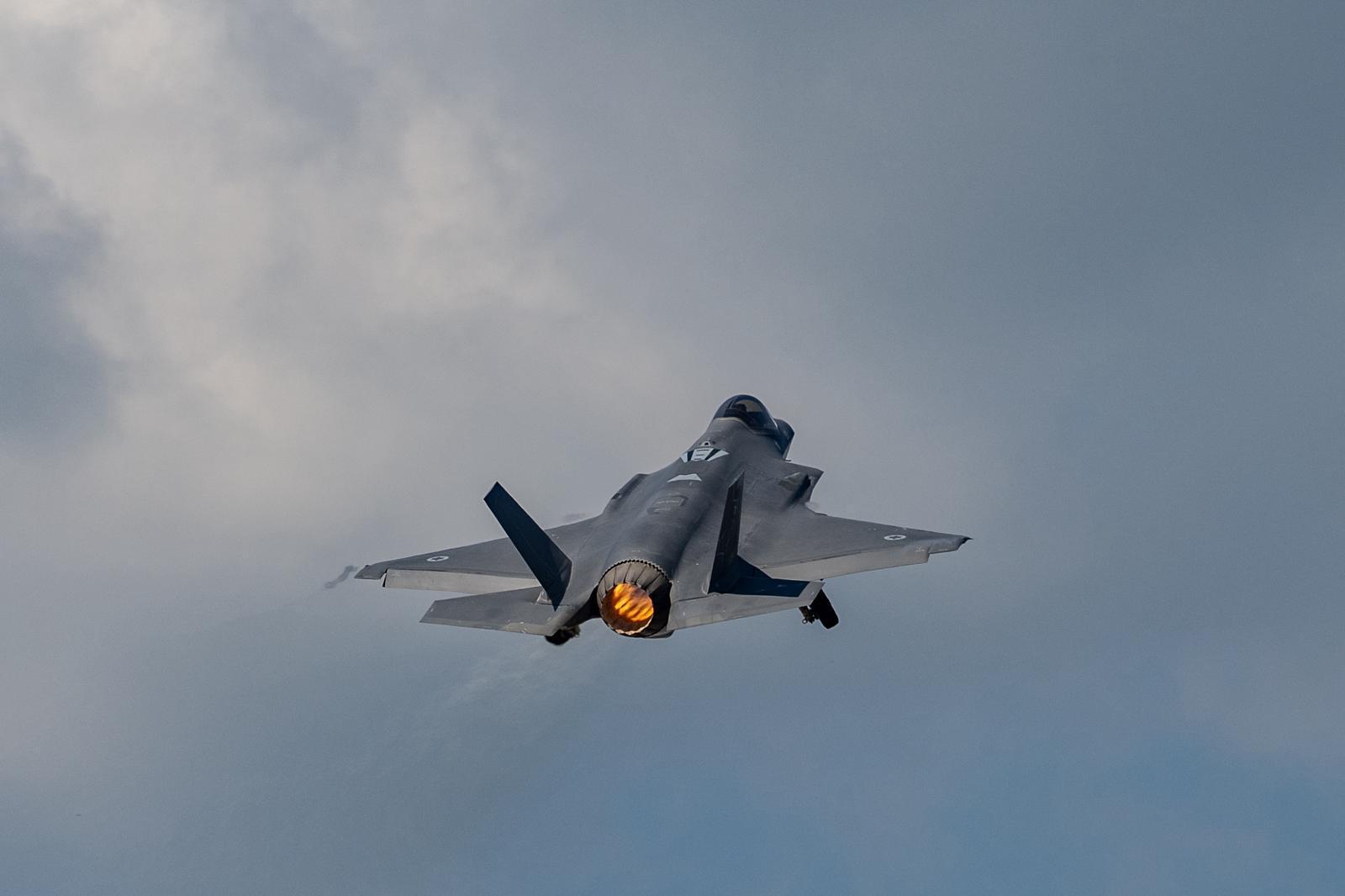
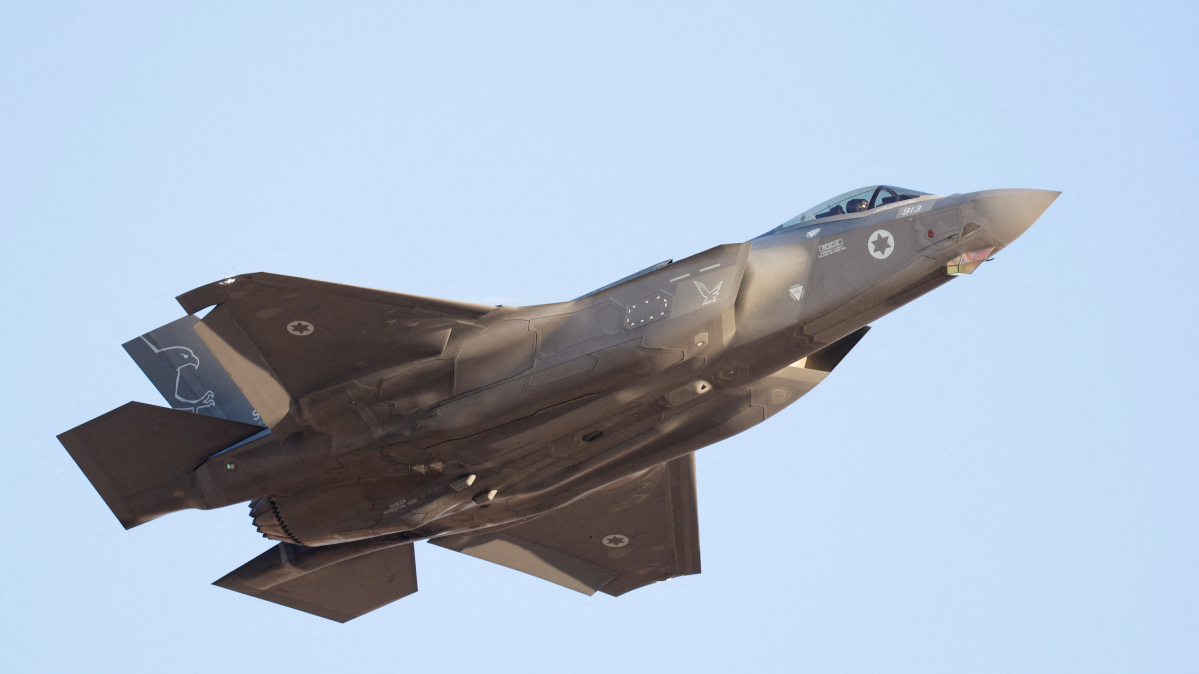
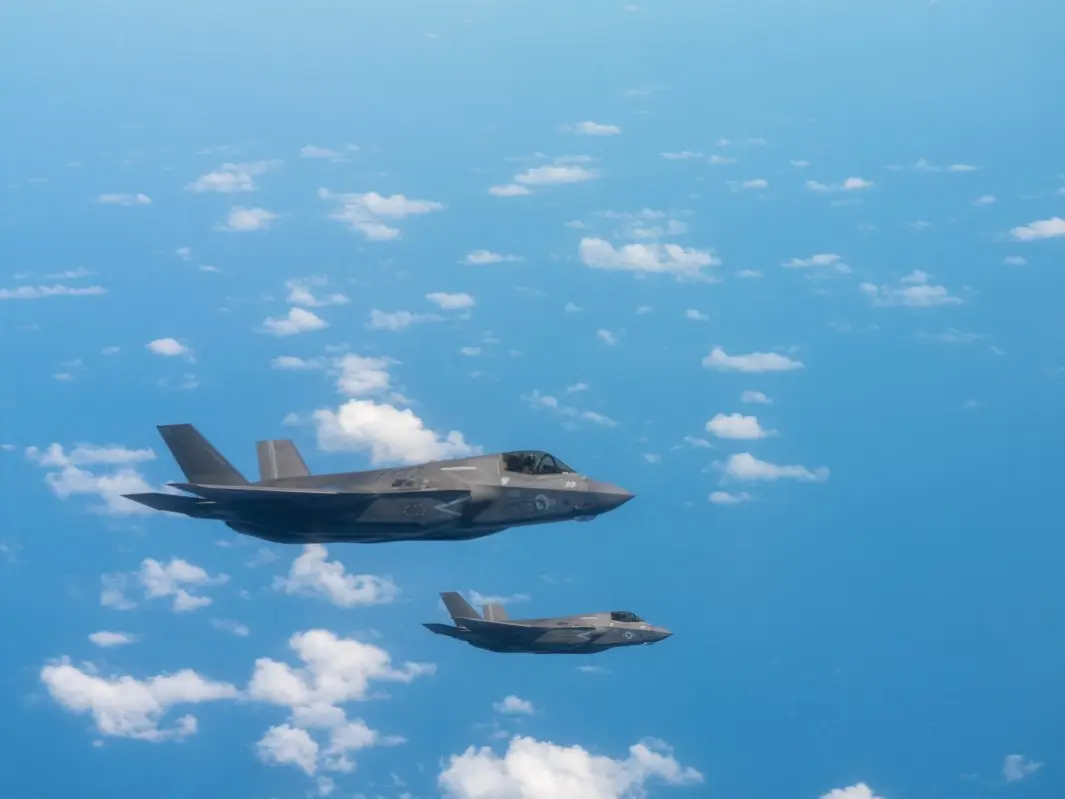
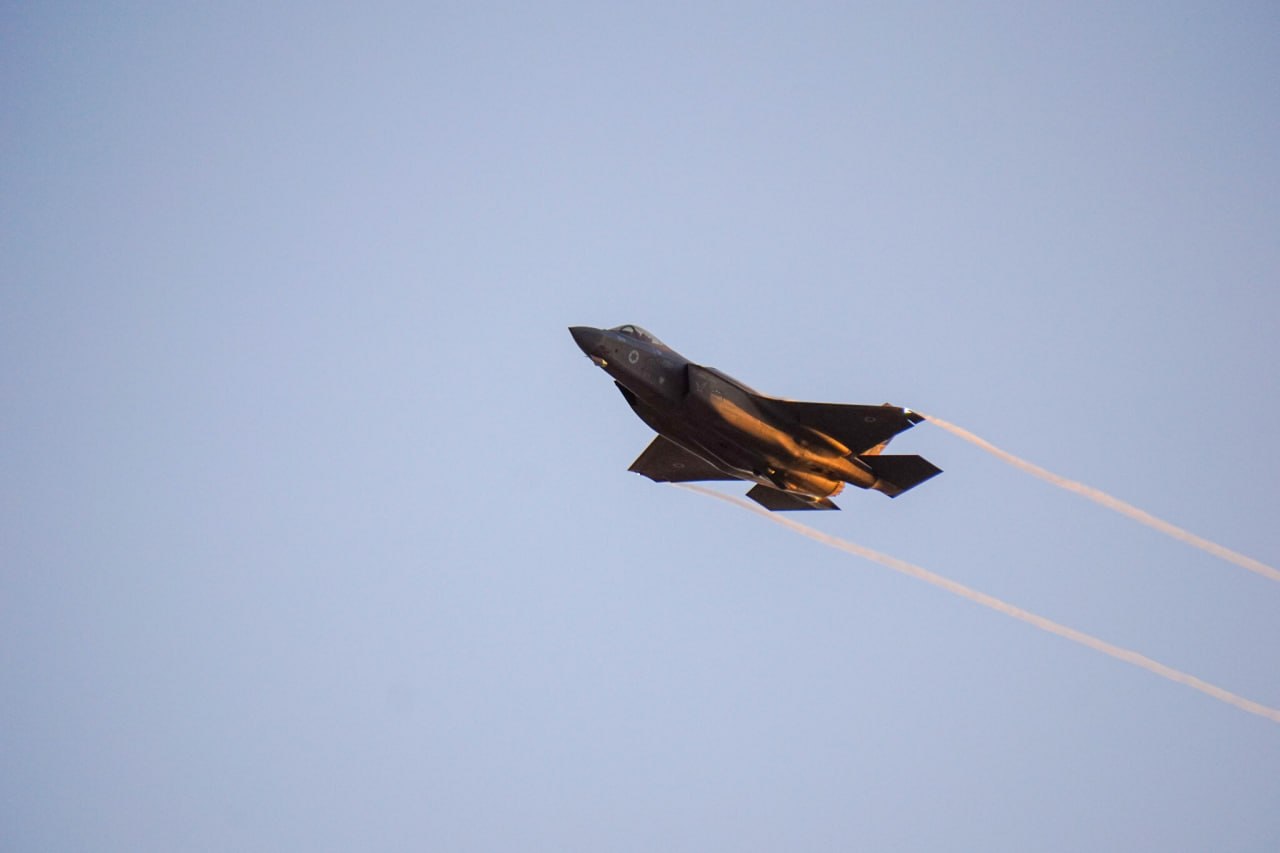
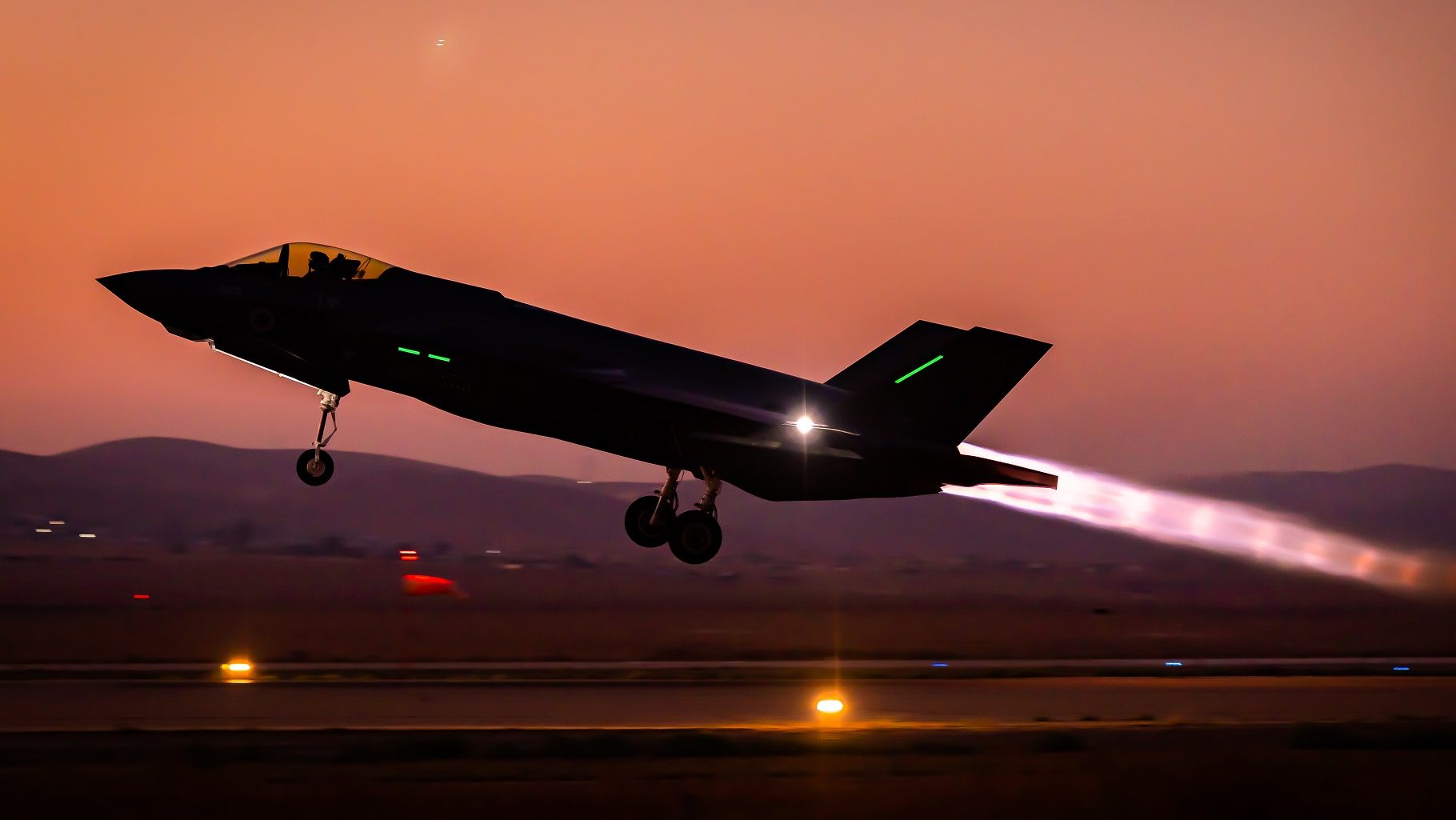
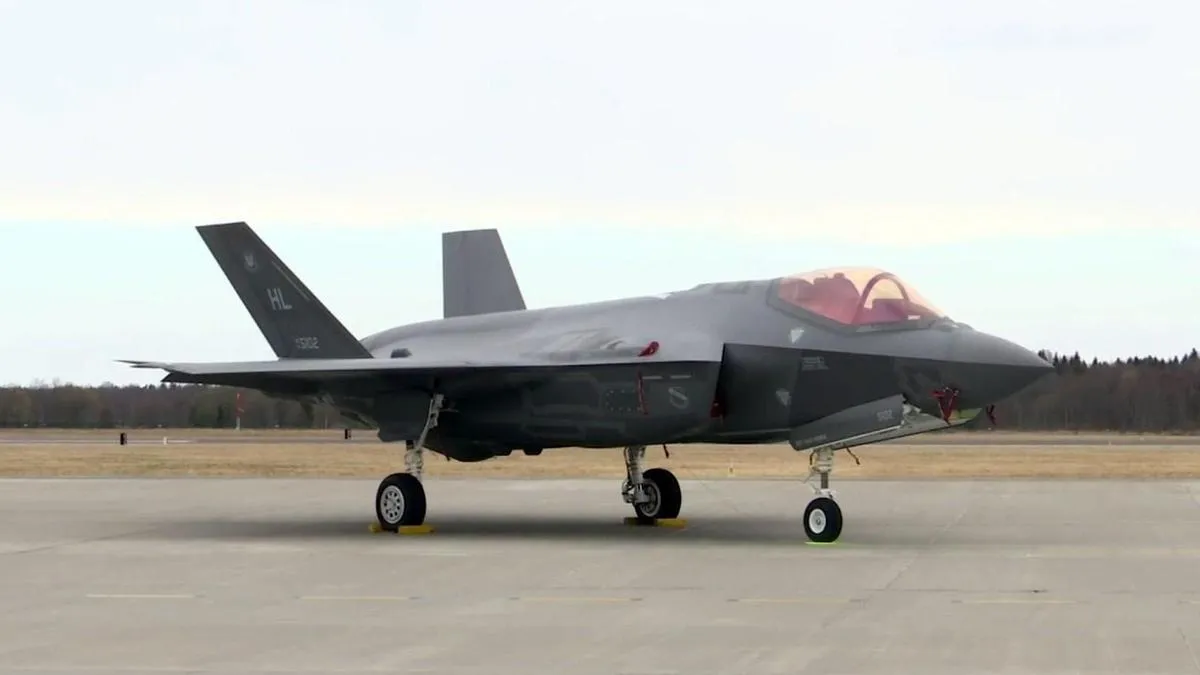
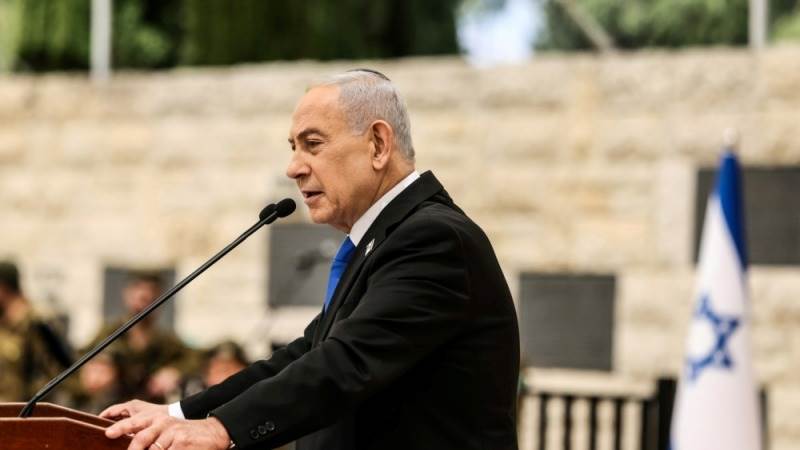
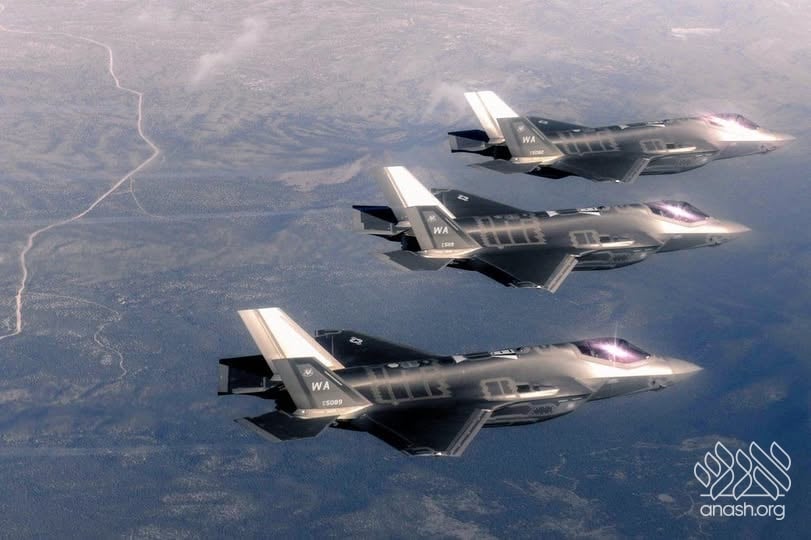
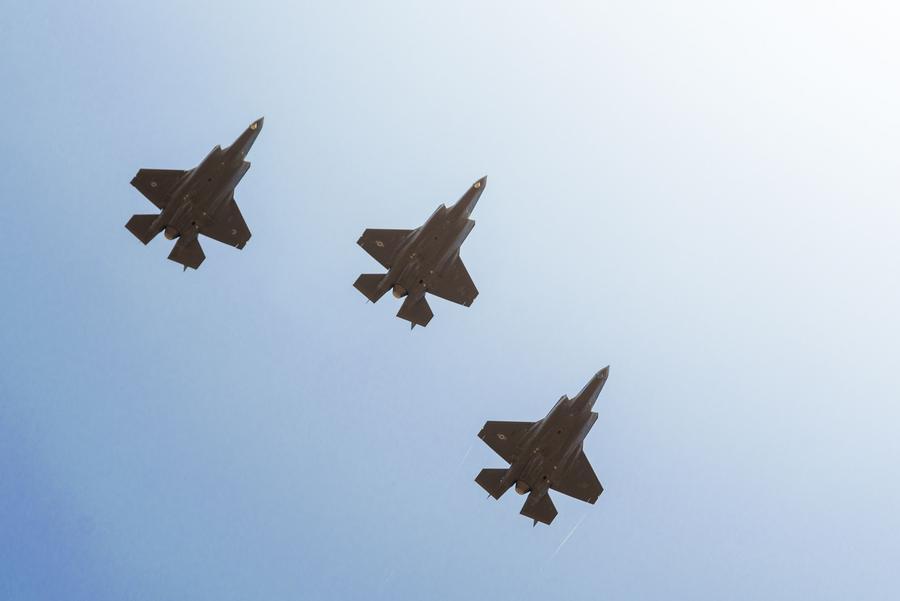
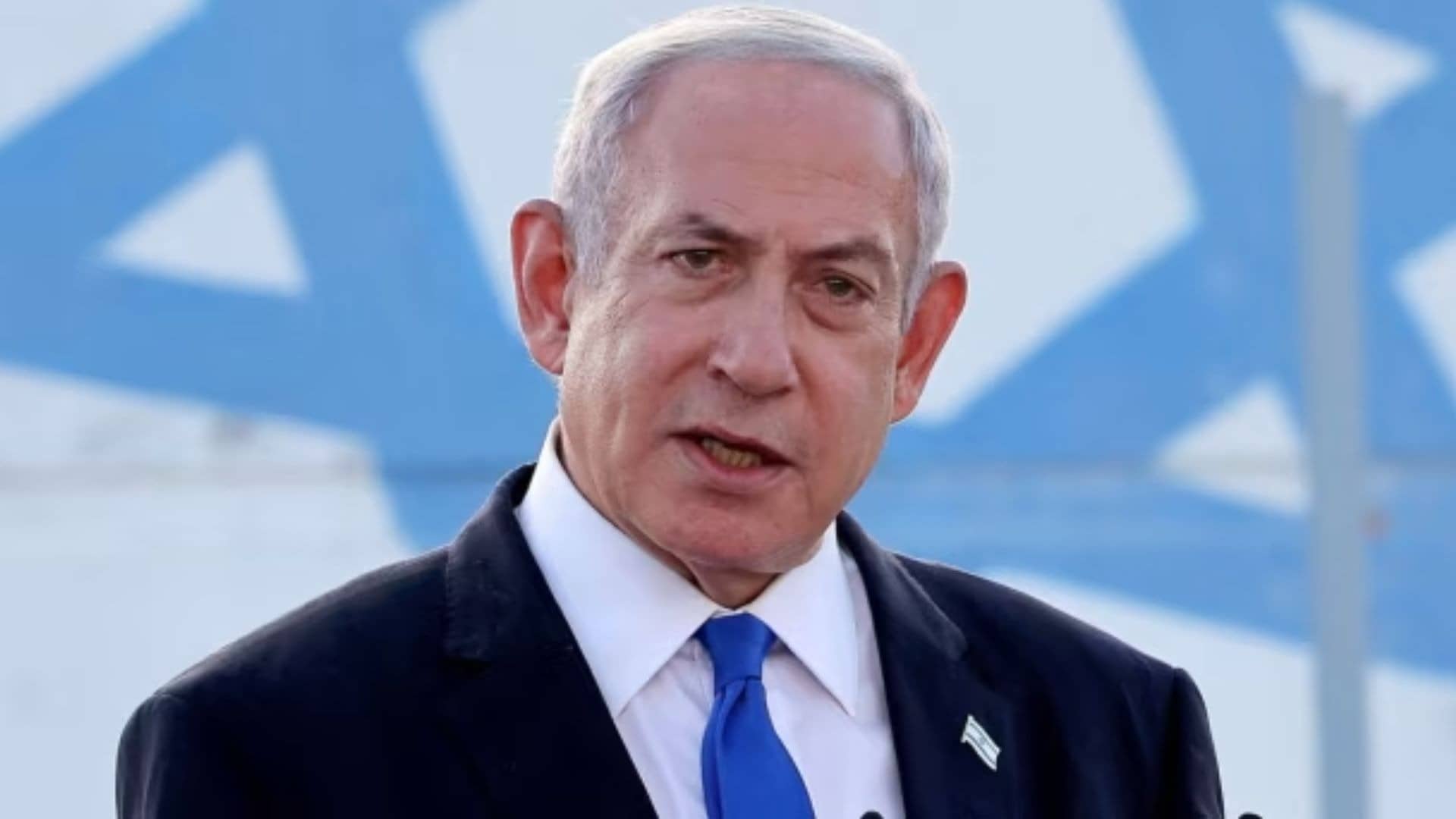
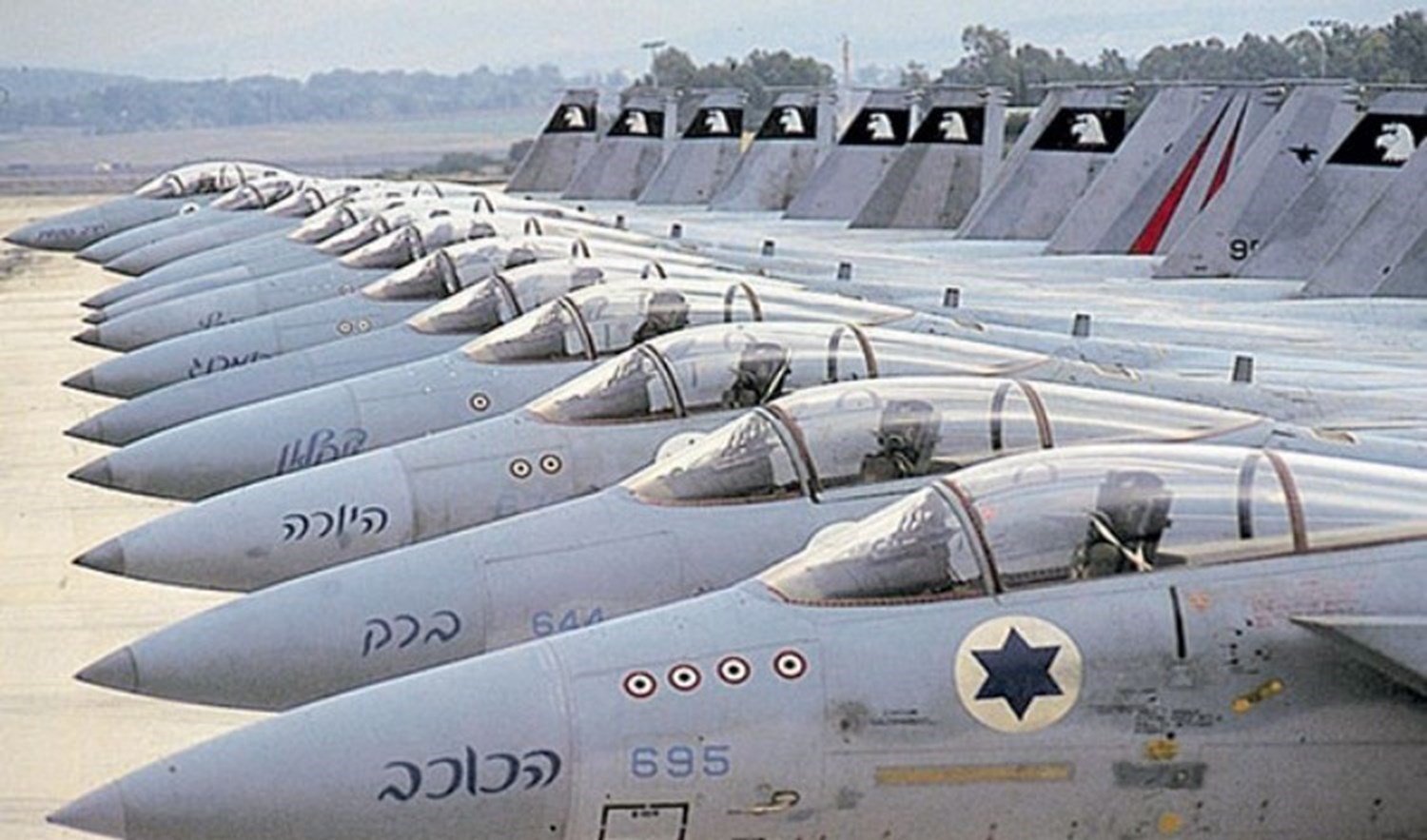
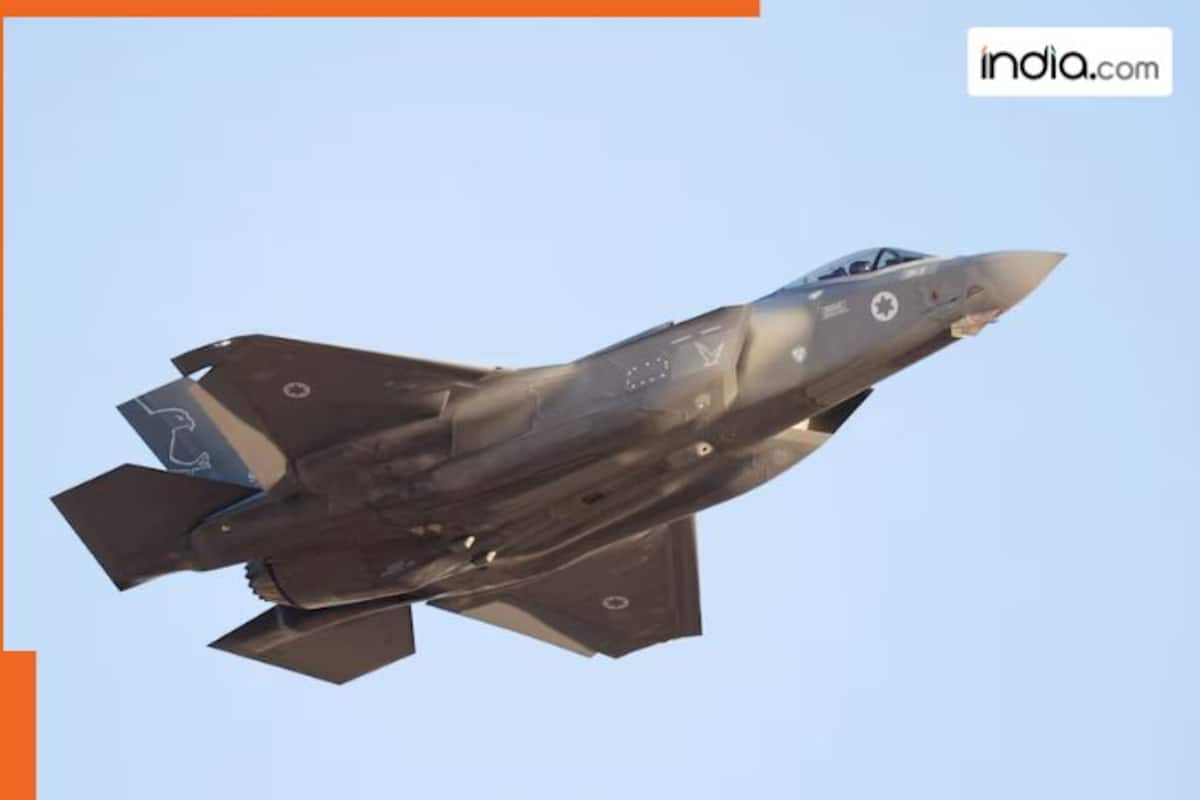
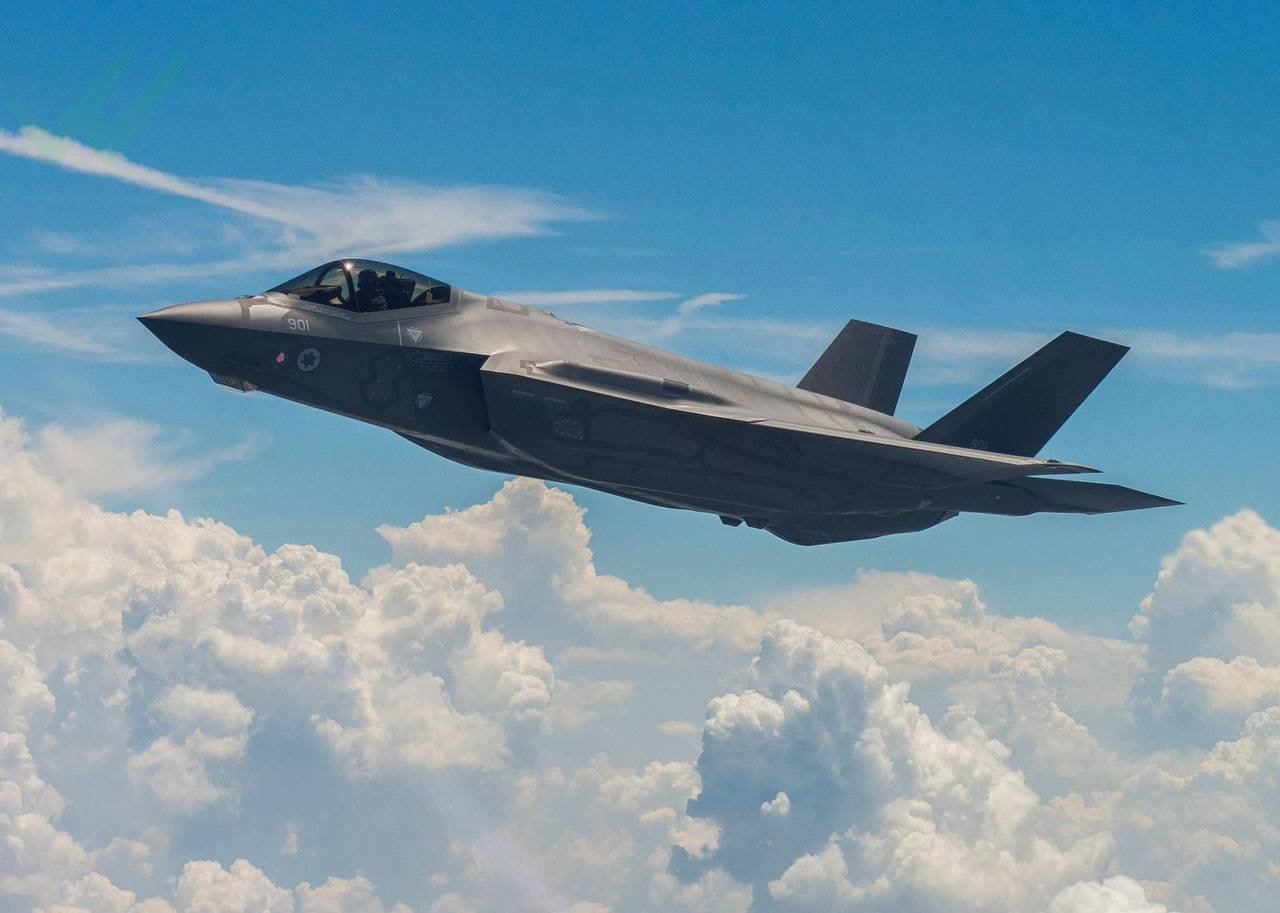
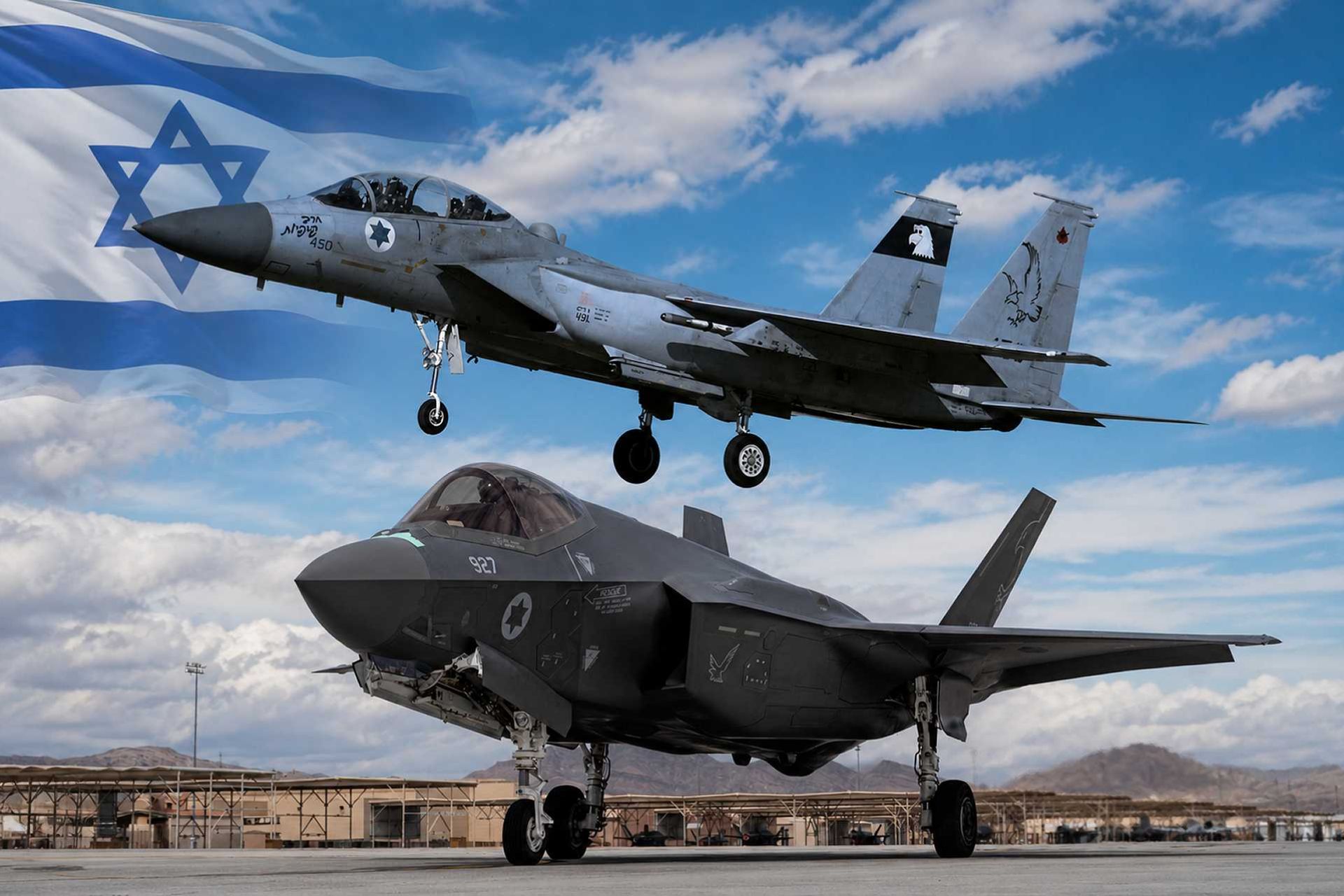
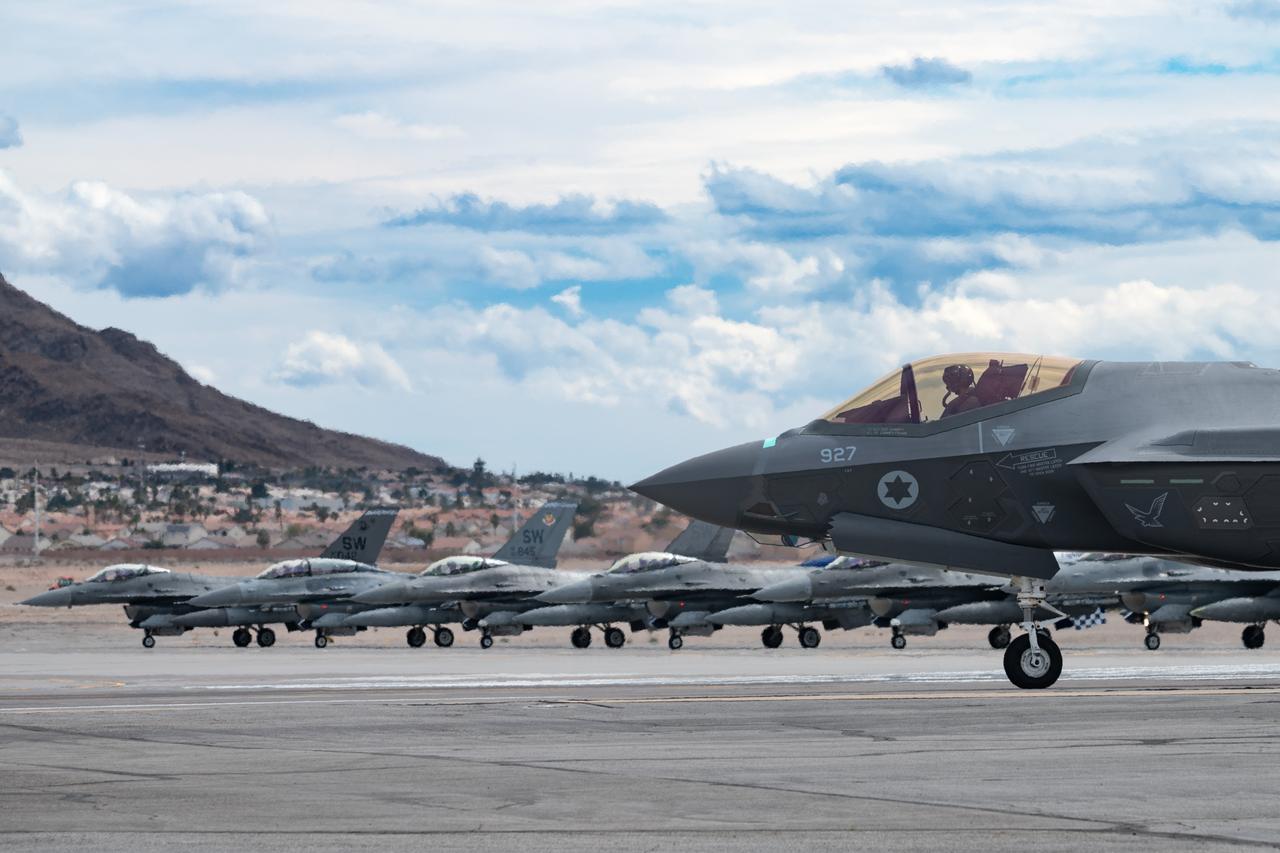
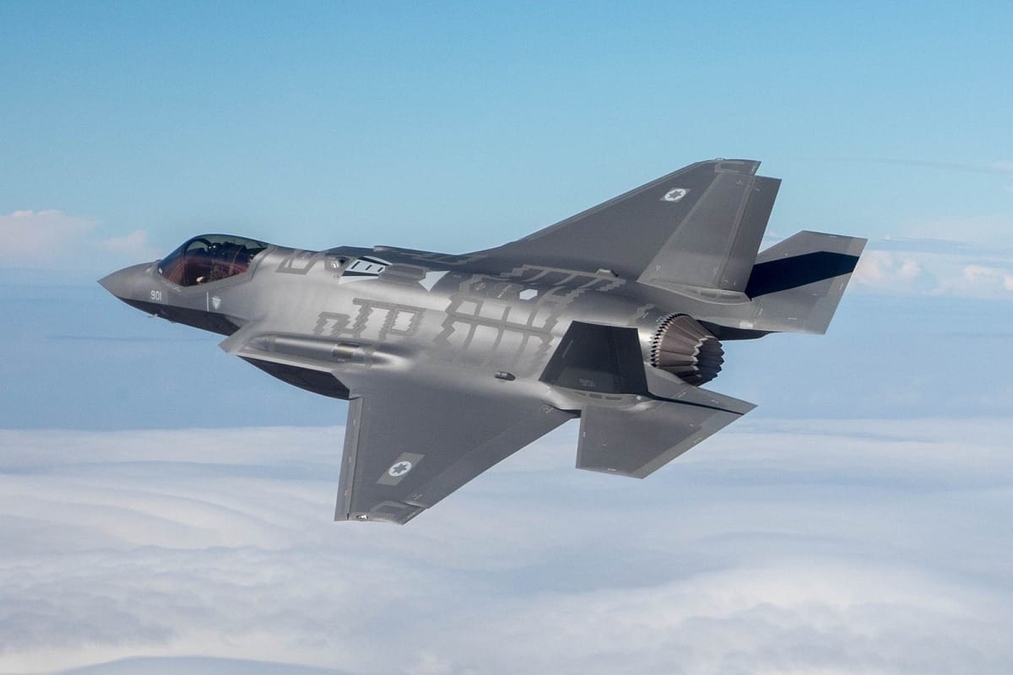
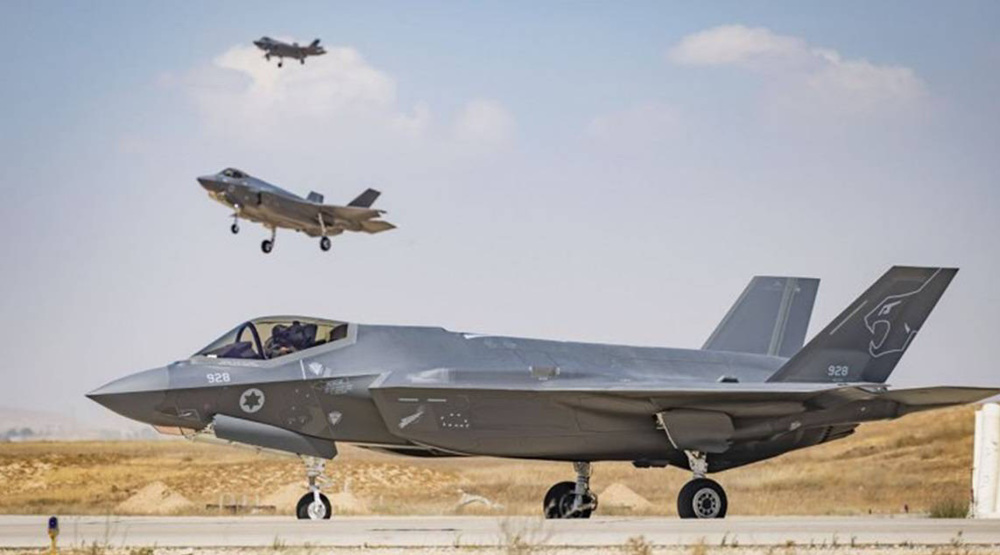
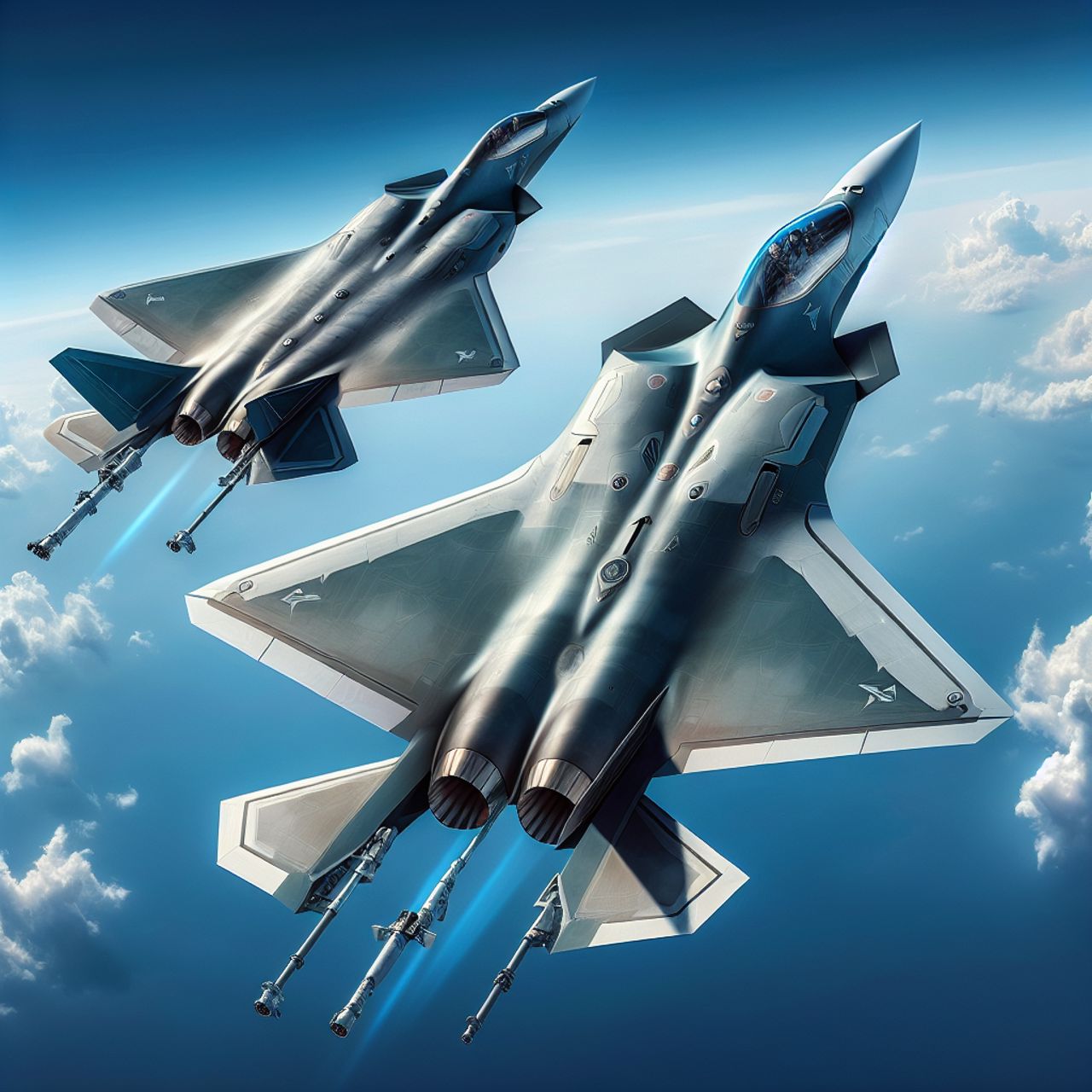
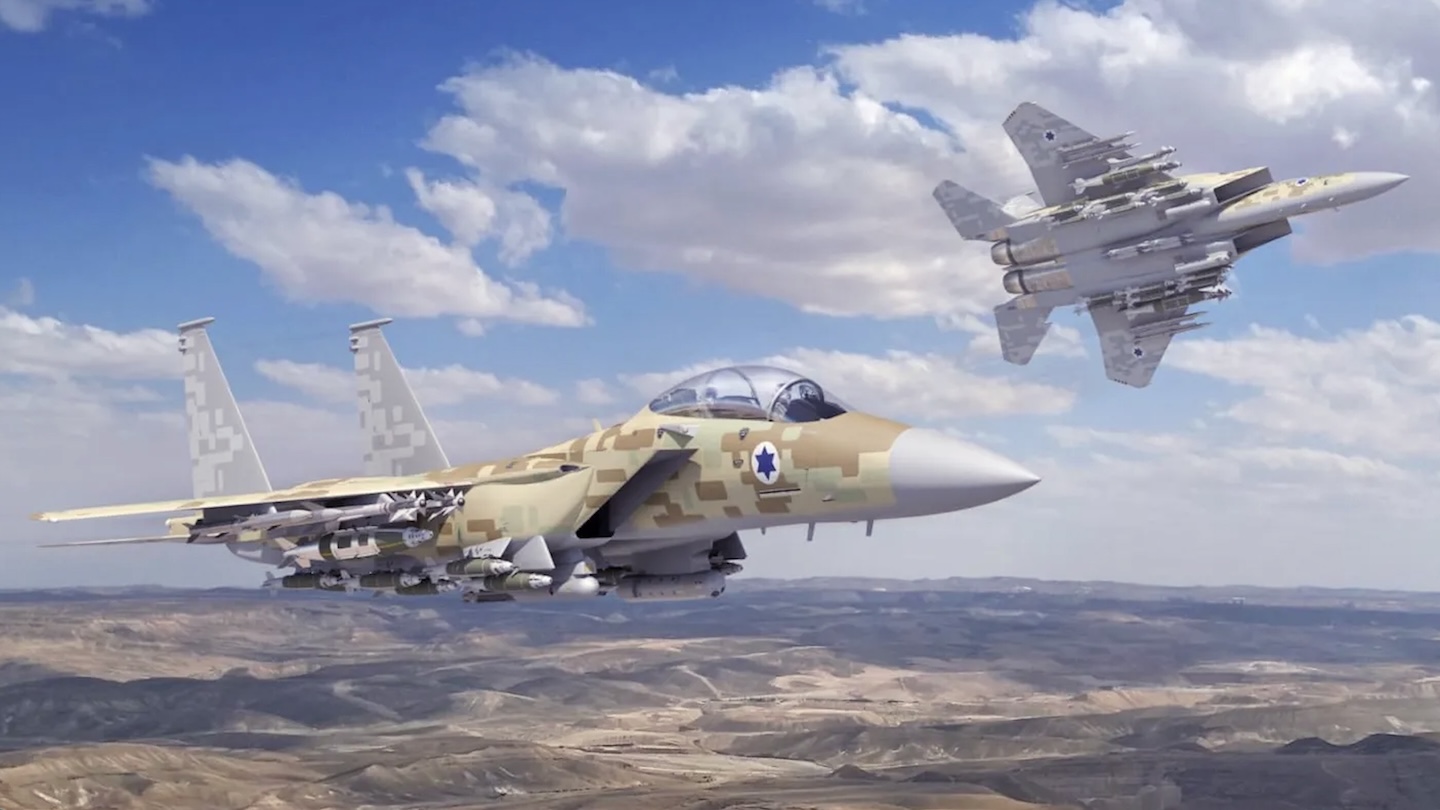
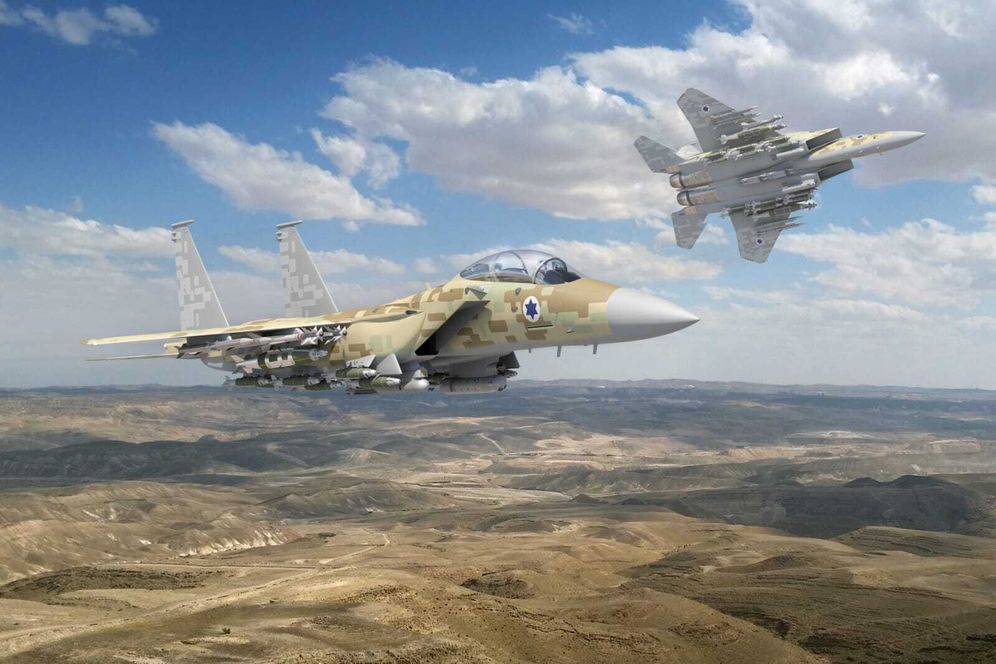
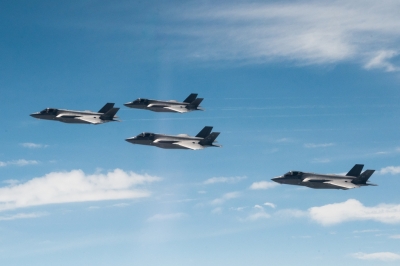
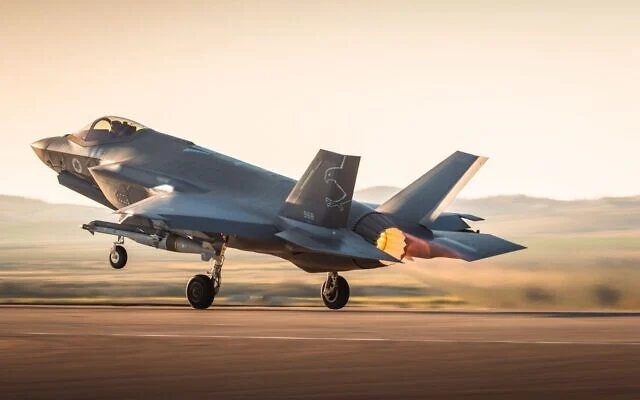
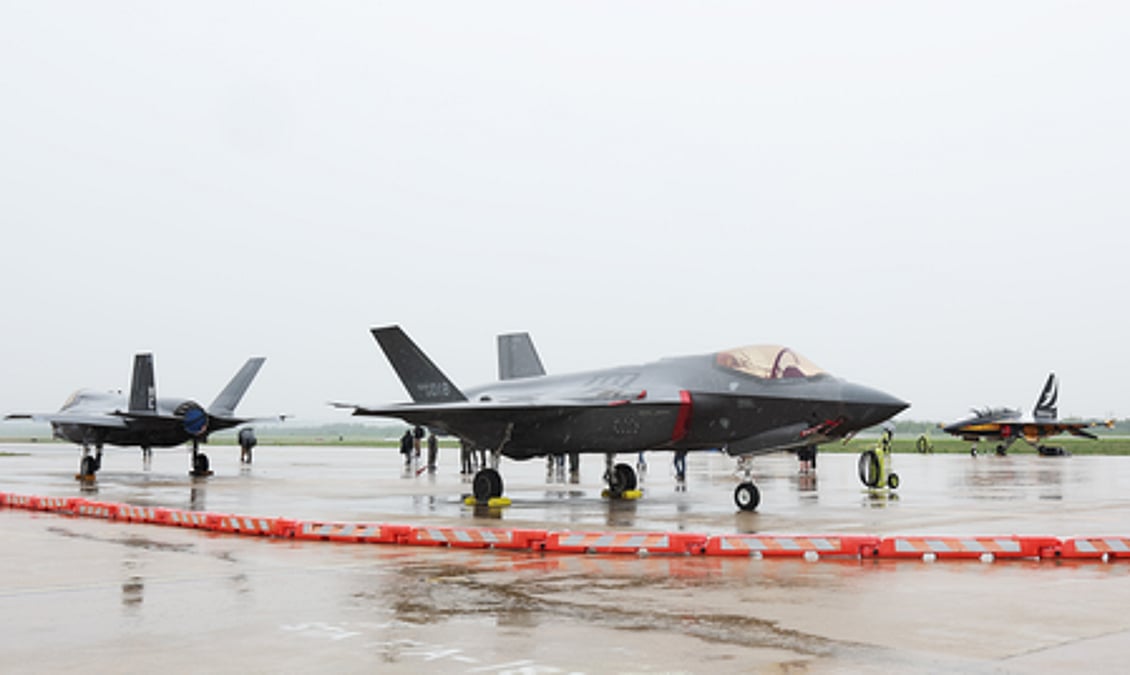
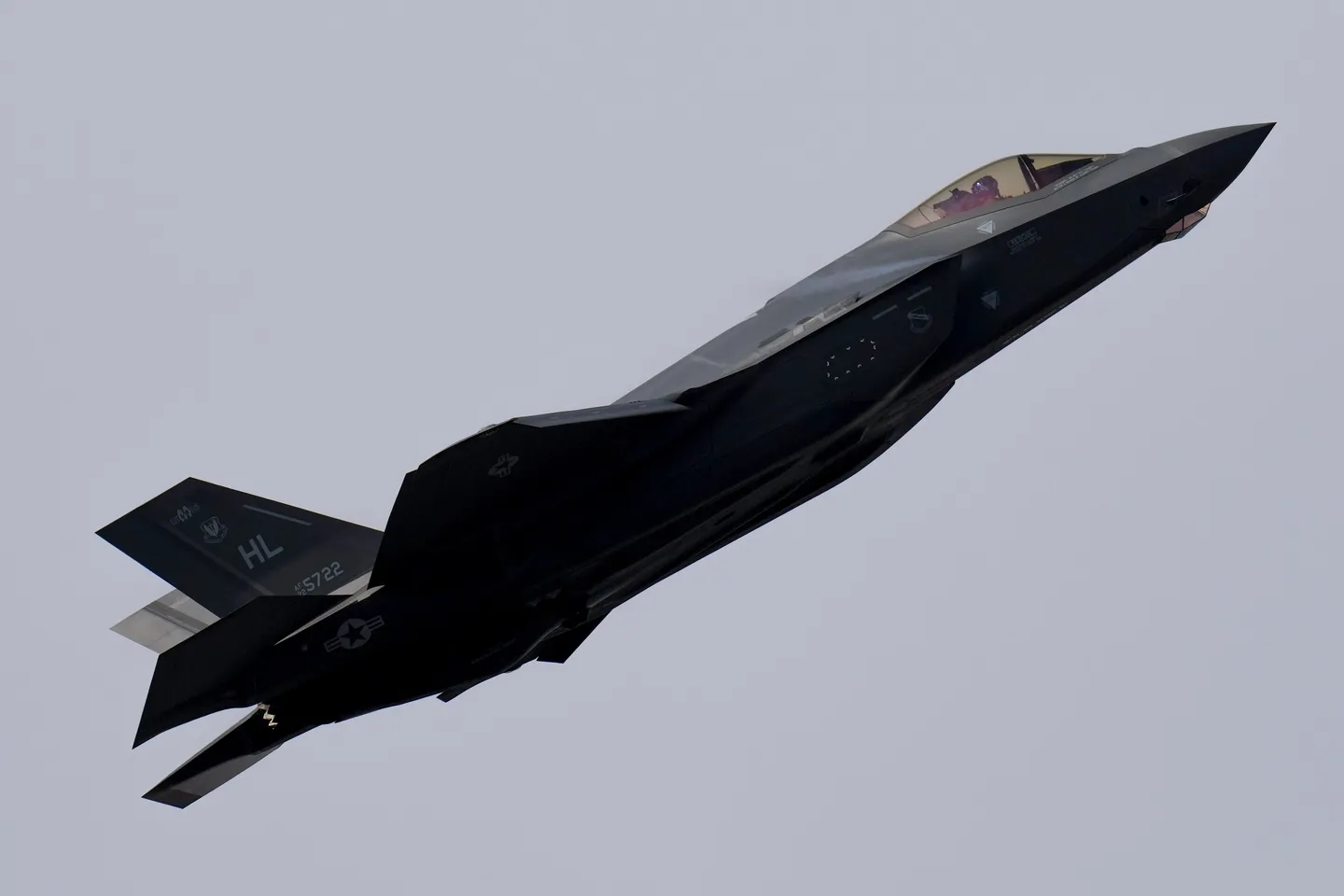
Israel's decision to procure additional F-15IA and F-35I fighter squadrons represents a significant geopolitical shift with cascading implications for cross-border sellers in industrial, electronics, and logistics categories. While the primary procurement involves direct government contracts, this military expansion signals broader regional instability that reshapes consumer behavior, supply chain routing, and market opportunities across the Middle East and connected trade corridors.
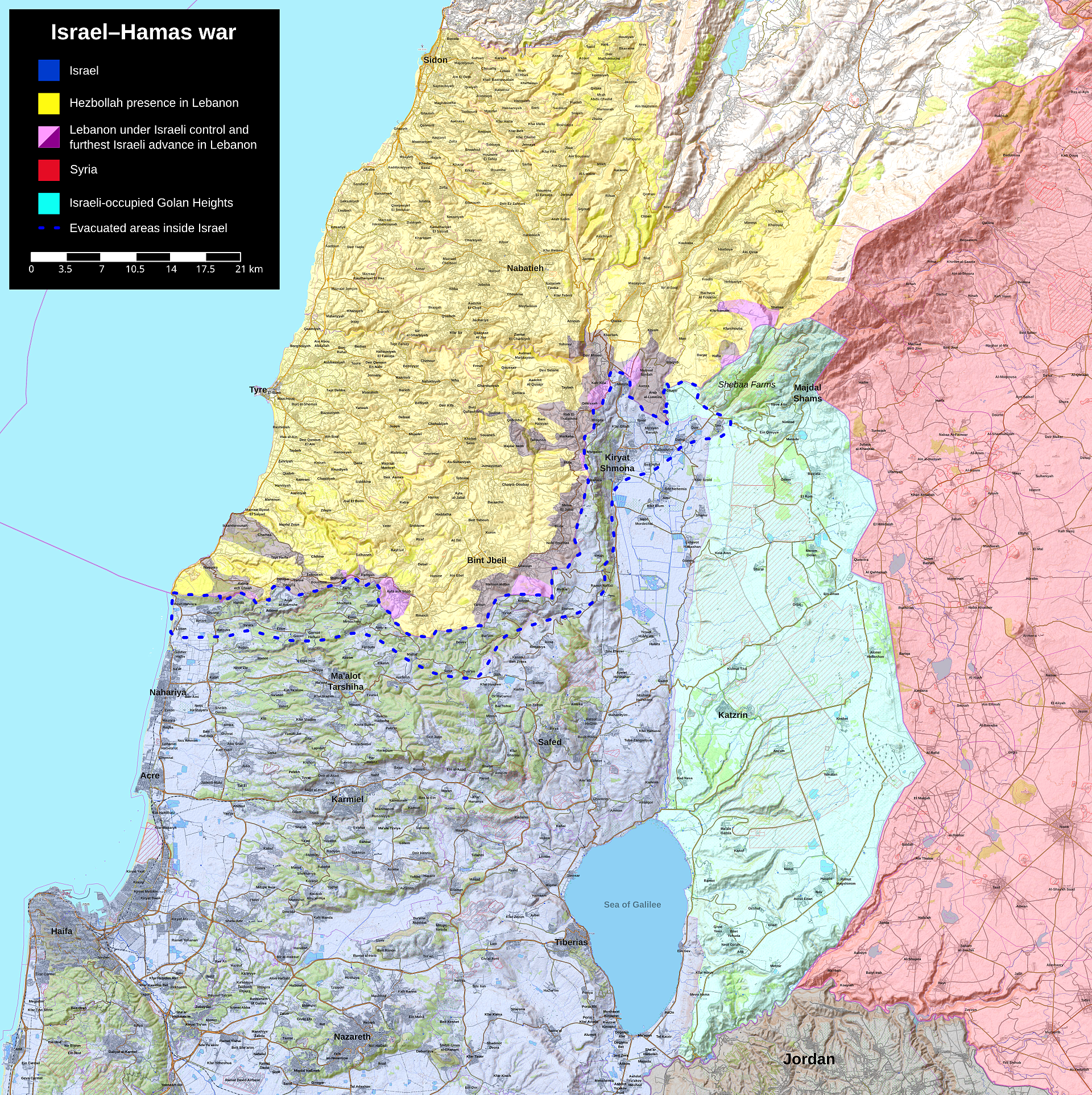
Market Opportunity Context: The Israeli defense procurement announcement reflects heightened regional tensions that typically correlate with increased demand for security-related consumer products, emergency preparedness goods, and industrial components. Historical patterns show that geopolitical tensions in the Middle East increase cross-border e-commerce demand for protective equipment, communication devices, backup power systems, and industrial supplies across Israel, UAE, Saudi Arabia, and neighboring markets. The defense budget allocation signals government spending capacity that often extends to civilian infrastructure upgrades, creating secondary demand for construction materials, electronics, and industrial components.
Supply Chain Implications: Military procurement announcements typically precede civilian supply chain adjustments. Sellers sourcing from or shipping through Middle Eastern logistics hubs should anticipate: (1) increased port congestion in Israeli ports (Haifa, Ashdod) due to military equipment arrivals, potentially delaying commercial shipments by 5-10 days; (2) elevated insurance costs for shipments to the region (typically 2-4% premium increase); (3) potential rerouting of supply chains away from conflict-adjacent areas, creating opportunities for sellers positioned in alternative logistics corridors (UAE, Egypt, Jordan).
Consumer Behavior Shifts: Geopolitical tensions historically drive consumer spending toward security products, communication devices, and emergency supplies. Israeli consumers and businesses typically increase purchases of backup power systems, communication equipment, and protective gear during periods of heightened military activity. Cross-border sellers can capitalize on this through targeted campaigns in security electronics, industrial batteries, communication devices, and emergency preparedness categories. The regional instability also increases demand for durable goods and bulk purchasing among businesses preparing for supply disruptions.
Competitive Positioning: Sellers with established logistics networks in the Middle East gain competitive advantages during periods of geopolitical uncertainty. Companies positioned in UAE, Saudi Arabia, and Egypt can serve as regional distribution hubs, reducing delivery times to Israel and neighboring markets by 40-60% compared to direct shipments from Asia or Europe. This creates opportunities for 3PL providers and sellers with regional warehousing to capture market share from competitors relying on direct-to-consumer shipping models.
Questions 8
What logistics adjustments should sellers make for Middle East shipments during military tensions?
Sellers should implement three key adjustments: (1) Add 5-10 days to delivery time estimates for Israeli ports; (2) Budget 2-4% additional shipping insurance premiums; (3) Consider alternative routing through UAE ports (Jebel Ali) which typically experience less congestion than Israeli ports. Diversifying shipment routes reduces dependency on congested Israeli ports and can improve delivery reliability by 20-30%. Many experienced sellers maintain dual logistics strategies during tension periods, using UAE as a regional hub for Israeli and Palestinian market shipments. This approach requires advance planning but significantly improves customer satisfaction and reduces fulfillment costs.
How can sellers capitalize on emergency preparedness demand in the region?
Geopolitical tensions create sustained demand for emergency preparedness products including backup power systems, water storage, communication devices, and protective equipment. Sellers can launch targeted campaigns in these categories 2-4 weeks before anticipated tension escalations, capturing early demand from businesses and consumers preparing for supply disruptions. Building inventory in backup power (generators, batteries, solar systems), water purification, communication devices, and protective gear 60-90 days before anticipated tensions allows sellers to meet surge demand at premium pricing. Historical data shows 40-60% margin improvements in emergency categories during tension periods compared to normal demand periods.