


Ukraine Economic Crisis Reshapes Cross-Border Seller Opportunities | Supply Chain & Market Shifts
- Ukraine's -33% cumulative economic contraction and 54% population displacement create urgent demand for humanitarian goods, reconstruction supplies, and diaspora-targeted products; Russian market collapse (-26% growth, 0.9% 2025 GDP) eliminates major seller revenue stream while opening Eastern European sourcing opportunities







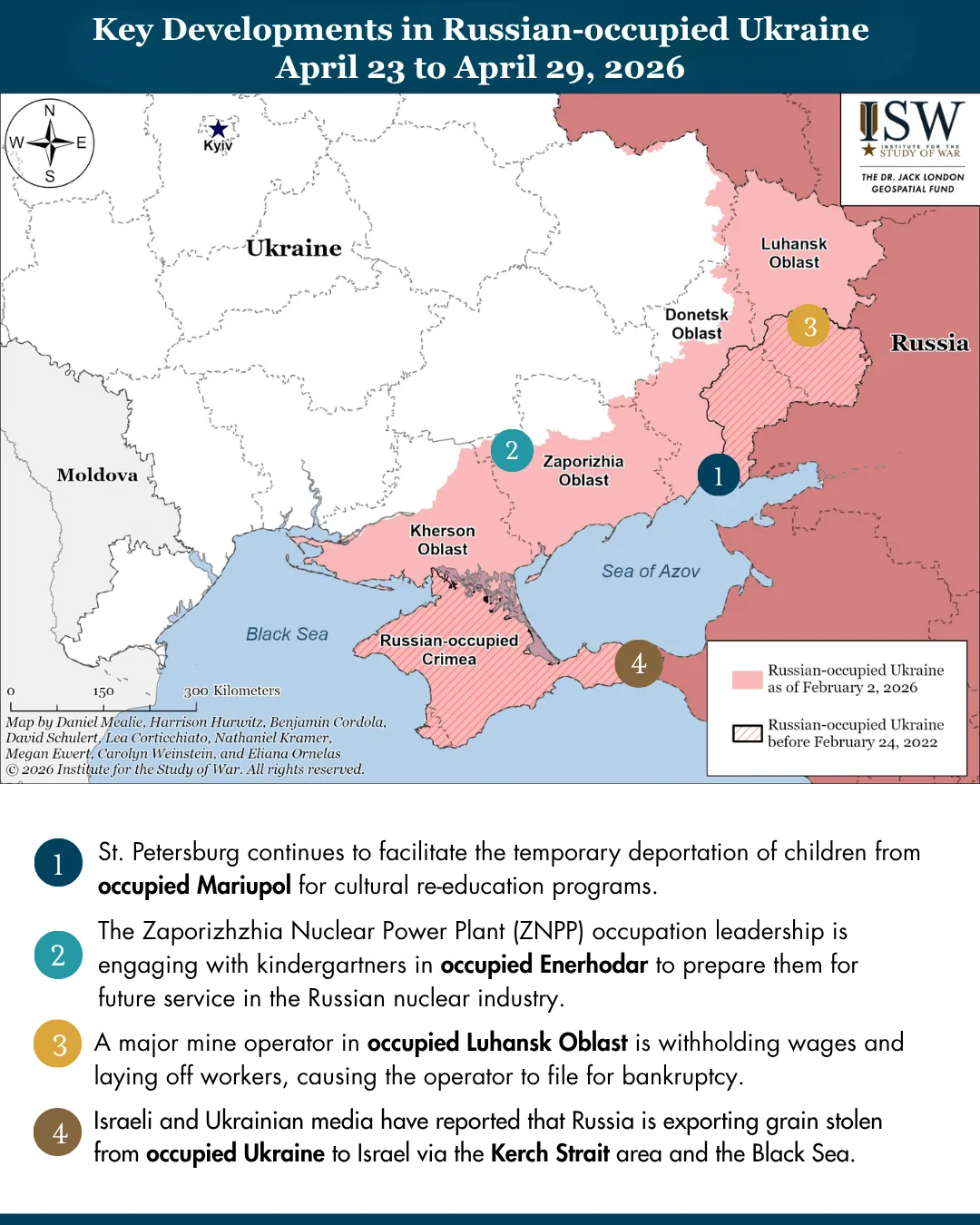

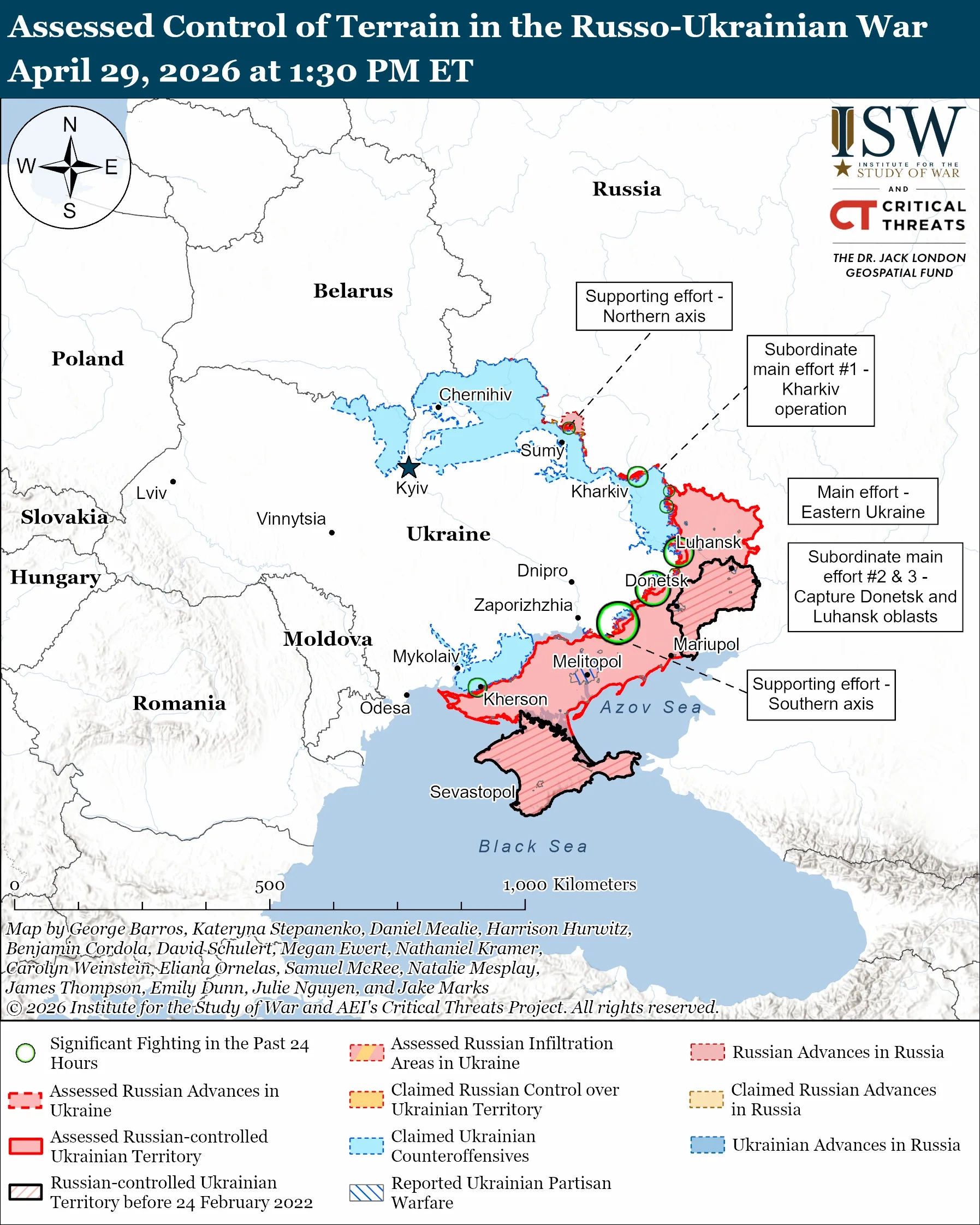




Overview
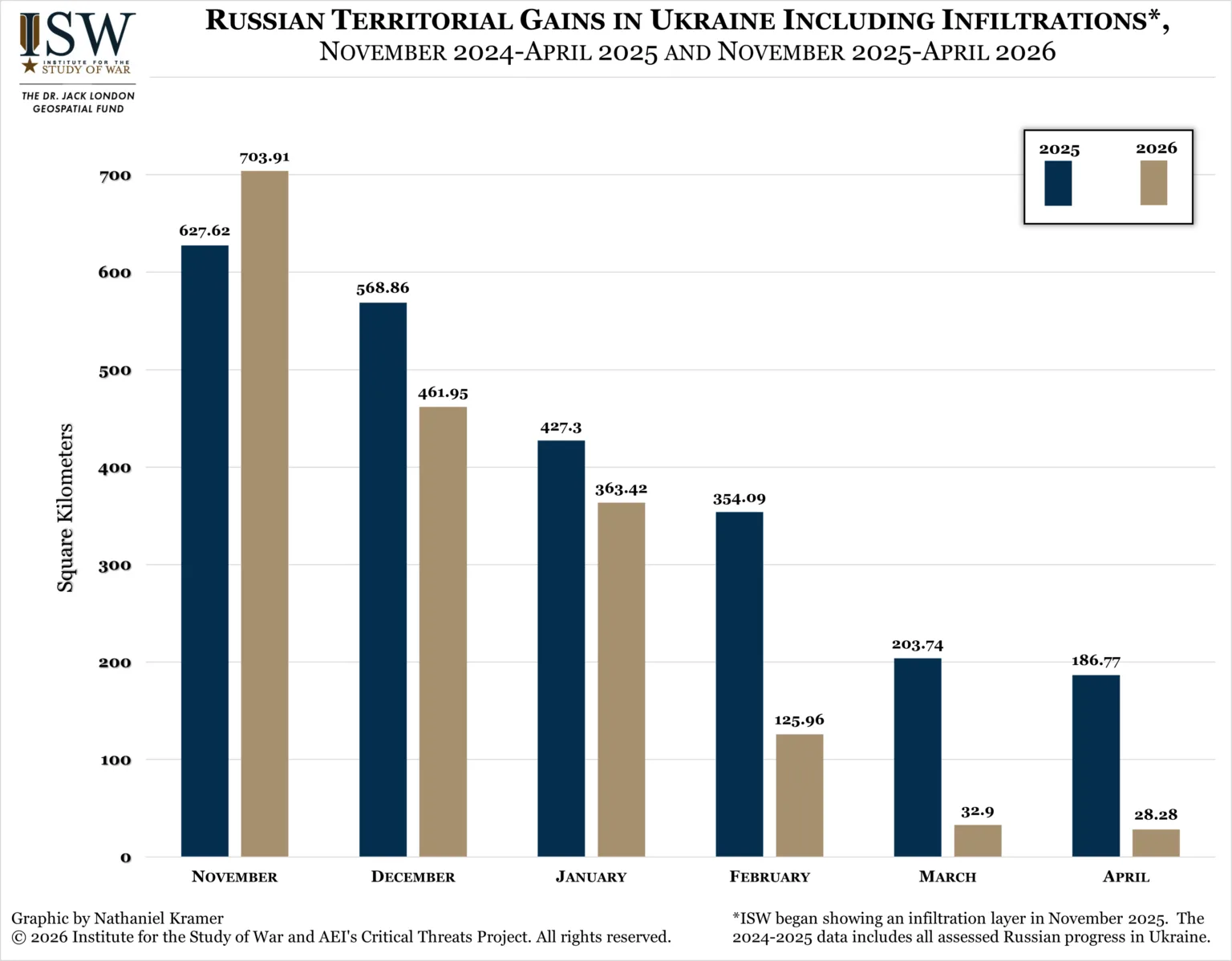
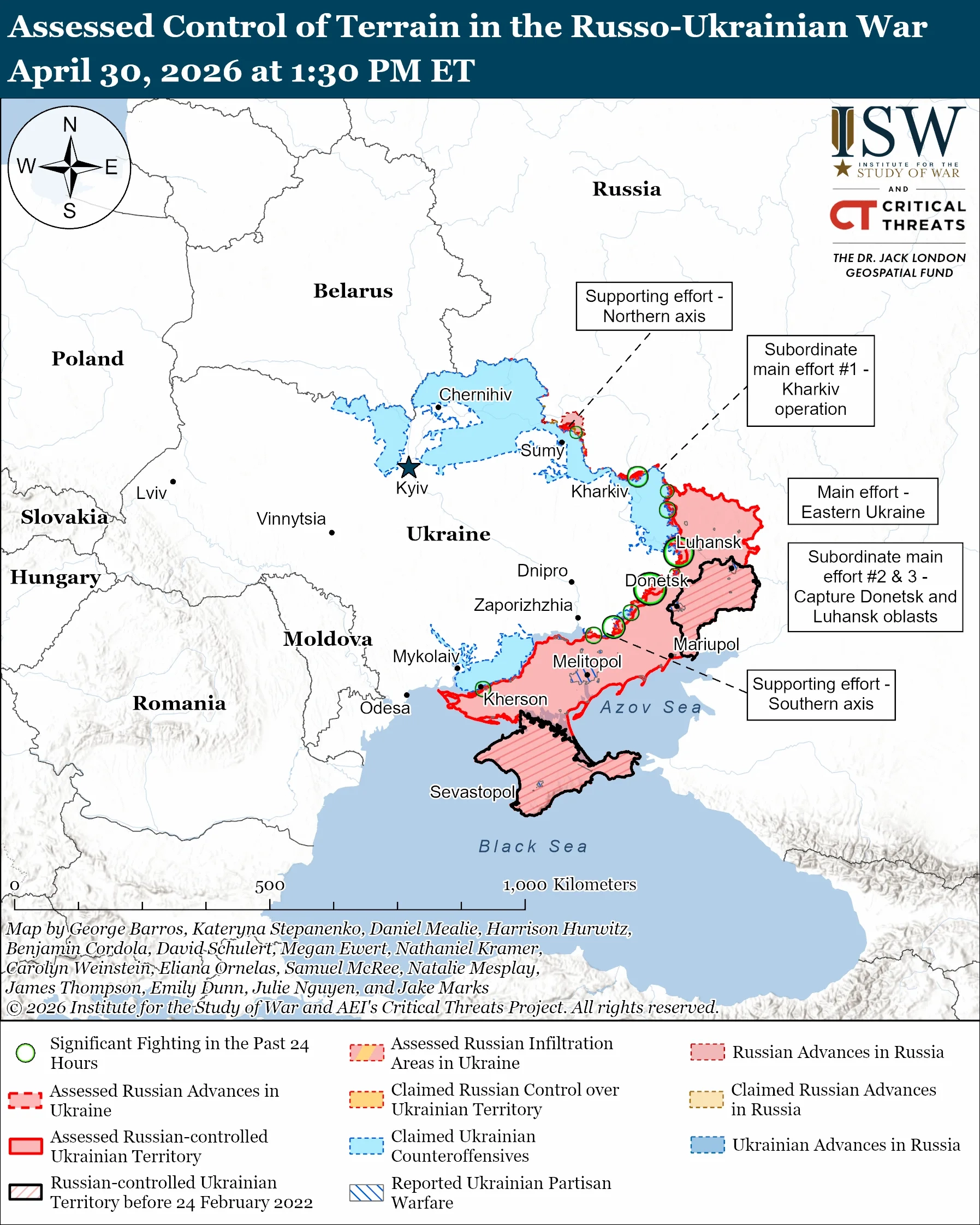
The Russia-Ukraine conflict as of May 2026 represents a critical inflection point for cross-border e-commerce sellers, driven by severe macroeconomic disruption across Eastern Europe. Ukraine's economy has contracted 33% cumulatively with negative 2025 growth projections and an 18.5% budget deficit, while Russia faces -26% cumulative contraction and 0.9% 2025 GDP growth—creating a bifurcated market landscape that demands immediate seller strategy recalibration.
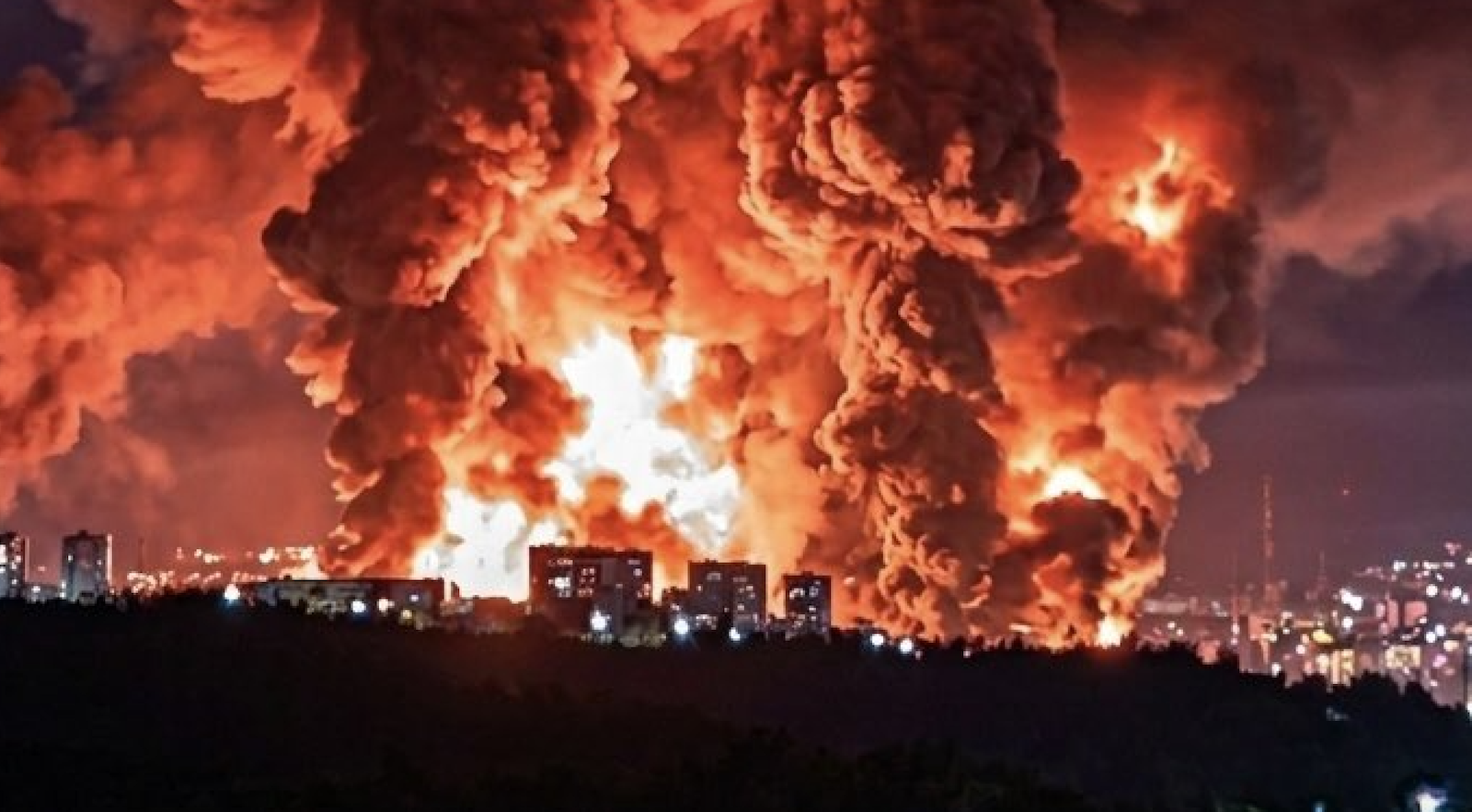
Market Opportunity Analysis: The conflict has generated three distinct seller opportunities. First, humanitarian and reconstruction goods represent an emerging category as Ukraine rebuilds infrastructure damaged by 20% of Russia's refining capacity destruction and widespread civilian displacement (715,364 deaths, 239.6 million internally displaced representing 54% of pre-invasion population). Sellers specializing in construction materials, medical supplies, water purification systems, and emergency preparedness products can target Ukrainian government procurement, NGO supply chains, and diaspora remittances. Second, Russian market exit eliminates revenue for sellers previously serving Russian consumers, but creates sourcing opportunities—Russian equipment losses (914,012 tanks/armored vehicles, 10,361 aircraft, 1,129 naval vessels per Oryx data) signal industrial capacity constraints, potentially reducing competition from Russian manufacturers in categories like electronics, machinery, and consumer goods. Third, Eastern European supply chain diversification becomes strategically valuable as sellers reduce China-dependency; Ukrainian and Polish manufacturers increasingly seek cross-border e-commerce channels to replace lost Russian markets.
Operational Impact for Seller Segments: Small sellers (under $500K annual revenue) previously reliant on Russian marketplace sales face 15-25% revenue loss but gain access to EU-subsidized Ukrainian reconstruction contracts. Mid-market sellers ($500K-$5M) should evaluate 3PL provider exposure to Eastern European logistics networks—supply chain disruptions from infrastructure damage create 2-4 week shipping delays to Ukraine and 3-6 week delays through Russian territory. Large enterprise sellers ($5M+) can capitalize on government-to-government reconstruction financing; Ukraine's 18.5% budget deficit will be offset by Western aid packages estimated at $50B+ annually, creating B2B procurement opportunities on platforms like Alibaba and specialized trade exchanges.
Currency and Payment Risk: The Ukrainian hryvnia faces devaluation pressure from economic contraction, while Russian ruble volatility (driven by 2.6% budget deficit and energy sector damage) creates payment processing challenges. Sellers accepting payments in these currencies face 8-15% monthly exchange rate fluctuations, requiring immediate implementation of currency hedging or USD/EUR-only payment policies through Stripe, PayPal, or Wise.
Questions 8
How does Ukraine's -33% economic contraction affect cross-border sellers?
Ukraine's cumulative 33% economic contraction with negative 2025 growth projections creates a bifurcated opportunity: consumer purchasing power has collapsed, eliminating traditional B2C retail channels, but reconstruction demand is surging. Sellers should pivot from consumer goods to B2B reconstruction supplies—construction materials, industrial equipment, and medical devices targeting government procurement and NGO supply chains. The 239.6 million internally displaced Ukrainians (54% of pre-invasion population) represent a diaspora market with high purchasing power in destination countries (EU, North America, Australia), creating opportunities for sellers to target Ukrainian expatriates through cultural product categories and ethnic food/beverage niches on Amazon, eBay, and Shopify.
What is the impact of Russia's -26% cumulative economic contraction on seller revenue?
Russia's -26% cumulative contraction (2022-2025) with 0.9% 2025 GDP growth represents a permanent market collapse for sellers previously serving Russian consumers. Sellers with 10-20% of revenue from Russian marketplaces face immediate 10-20% revenue loss, while those with 30%+ Russian exposure face existential challenges. However, Russian industrial capacity constraints—evidenced by 914,012 tank/armored vehicle losses and 10,361 aircraft losses per Oryx data—create sourcing opportunities. Russian manufacturers are capacity-constrained and seeking export channels; sellers can source industrial components, machinery, and consumer goods from Russian suppliers at 20-40% discounts compared to 2022 pricing, then resell through EU/US marketplaces.