





Airline Disruption Crisis May 2026 | Seller Logistics Impact & Opportunity
- 400+ Delta flight cancellations, 21,000 delays, and Spirit Airlines shutdown create supply chain vulnerabilities affecting cross-border sellers shipping via air freight and time-sensitive logistics




Overview
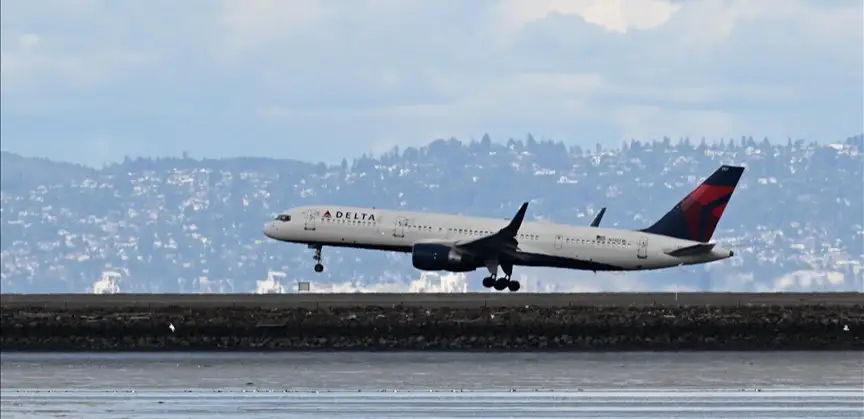
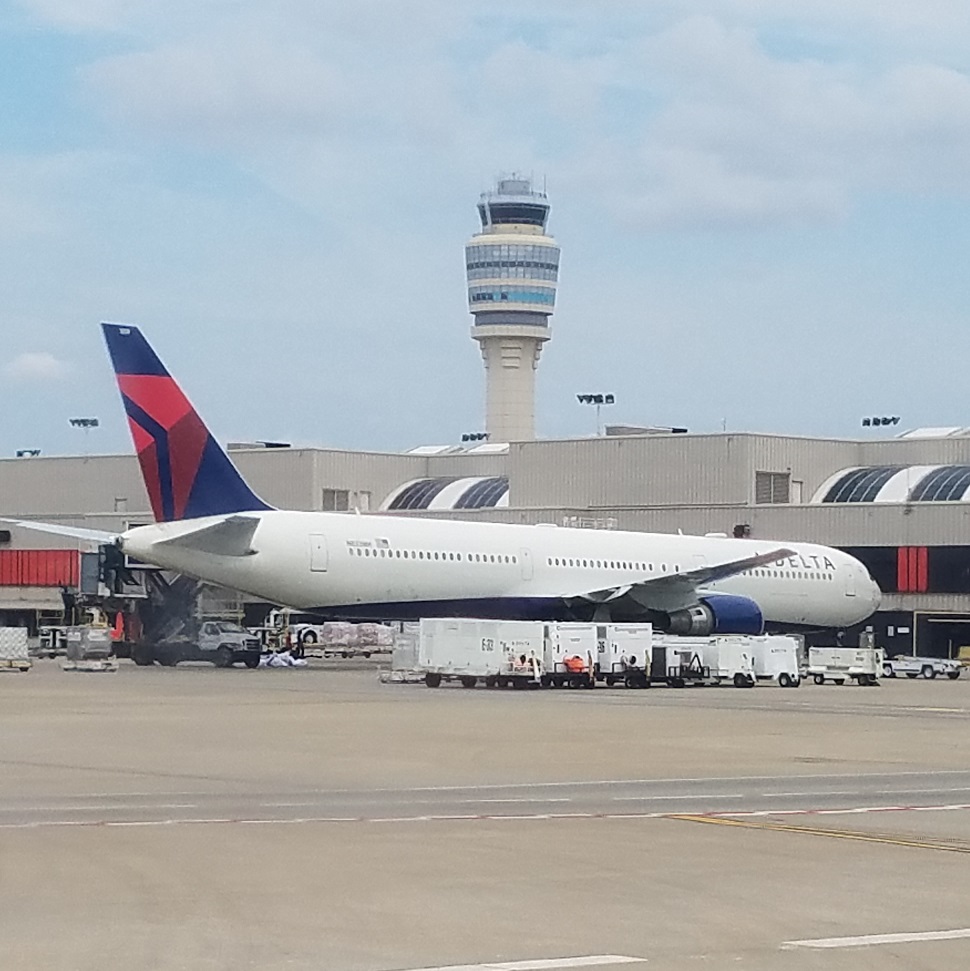
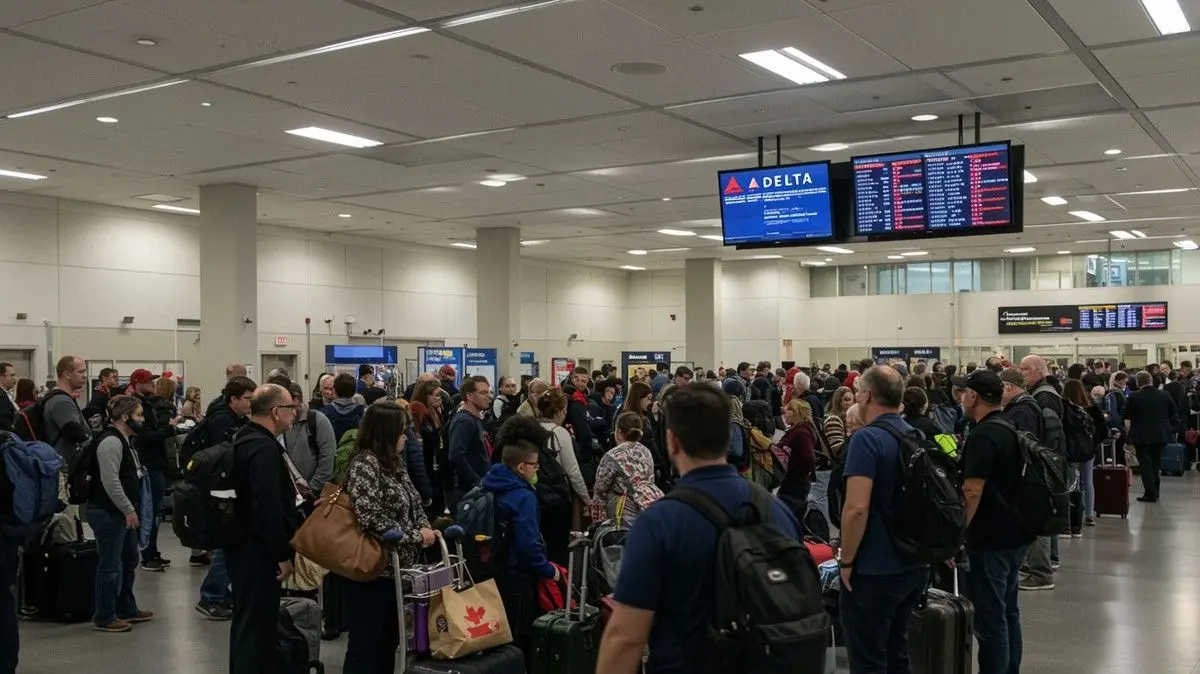
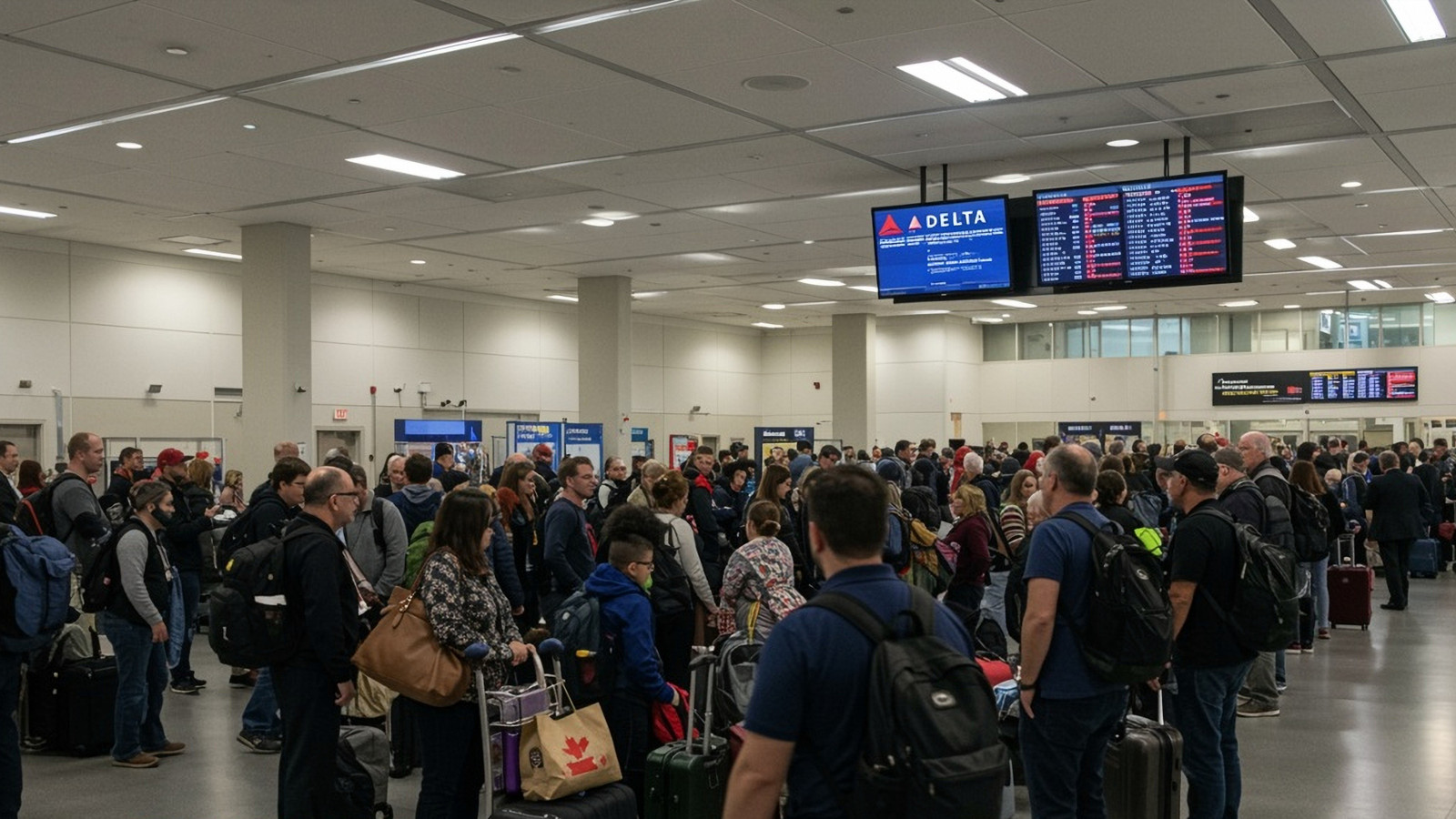
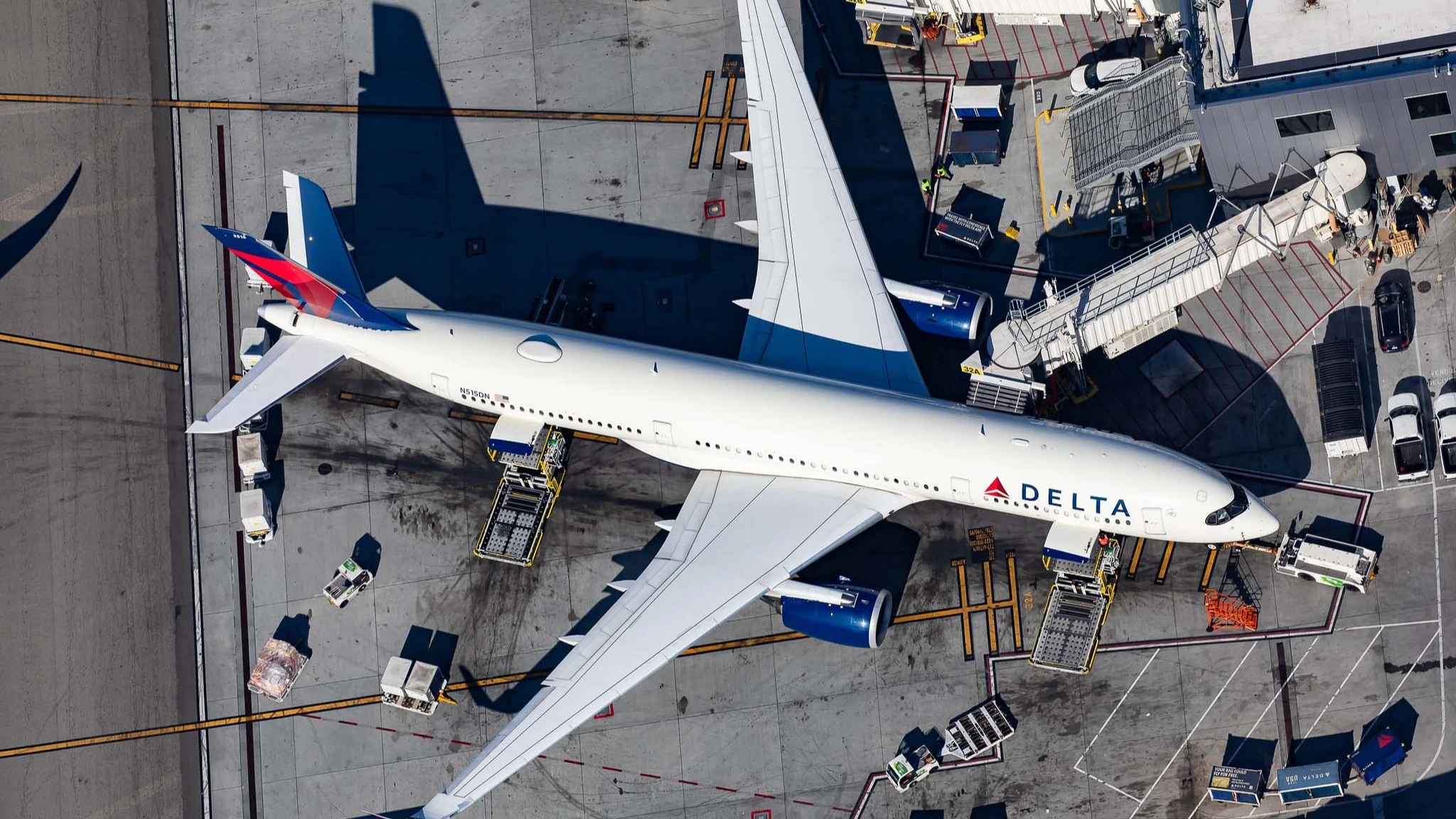
The May 2-3, 2026 airline industry meltdown—triggered by Delta's 400+ flight cancellations and Spirit Airlines' complete operational shutdown—represents a critical logistics inflection point for cross-border e-commerce sellers. Delta canceled approximately 300 flights at Atlanta's Hartsfield-Jackson (ATL) and experienced 600+ delays at Los Angeles International (LAX) due to crew staffing shortages, while reporting 21,000 total delayed flights by Saturday evening. Simultaneously, Spirit Airlines ceased all 34 years of operations after failing to secure government bailout funding, citing unsustainable fuel costs driven by geopolitical tensions. This dual disruption directly impacts sellers relying on air freight for time-sensitive inventory, perishables, and expedited international shipments.
For cross-border sellers, the operational crisis creates immediate logistics cost pressures and supply chain delays. Sellers shipping high-value electronics, fashion, and perishable goods via air freight face 5-15% cost increases as remaining carriers (United, American, Southwest) absorb displaced capacity and raise rates. Delta's 18% market share at LAX—serving nearly 60 destinations—means sellers with Asia-Pacific sourcing routes experience extended transit times. The airline's drop from #1 to #6 in DOT reliability rankings signals systemic operational fragility. Sellers using Delta for expedited fulfillment to meet Amazon Prime 2-day delivery windows or eBay guaranteed delivery dates face increased cancellation risk, potentially triggering negative feedback and Buy Box penalties. The crew scheduling crisis—with Delta reporting 17,000 pilot staffing-related disruptions and a tenfold increase in cancellations—indicates the problem extends beyond May 2026, affecting summer peak season (June-August) when sellers maximize inventory velocity.
Strategic implications extend to 3PL provider selection and inventory positioning. Sellers should diversify air freight carriers immediately, reducing Delta dependency from typical 30-40% to 15-20% of shipments. Spirit's collapse redistributes millions of passengers to remaining ultra-low-cost carriers, potentially increasing general aviation capacity but reducing dedicated cargo space. Sellers with inventory in Atlanta or Los Angeles distribution centers face 7-14 day delays in outbound shipments, compressing margins on time-sensitive categories. The geopolitical fuel price volatility that destroyed Spirit Airlines signals broader cost inflation: sellers should lock in freight rates for Q2-Q3 2026 immediately and consider shifting slower-moving inventory to ocean freight (30-45 day transit) to preserve air freight capacity for high-velocity SKUs. Delta's accelerated pilot hiring and expanded training capacity may stabilize operations by July 2026, but near-term (May-June) disruptions are unavoidable.
Seller opportunity emerges in logistics service arbitrage and alternative fulfillment strategies. Sellers can capitalize on carrier capacity constraints by: (1) offering extended delivery windows (5-7 days vs. 2-3 days) at premium pricing to capture margin expansion; (2) shifting inventory to regional 3PL providers in secondary hubs (Dallas, Denver, Chicago) to bypass congested LAX/ATL; (3) leveraging ocean freight for bulk inventory replenishment, reducing air freight dependency by 40-50%; (4) implementing dynamic pricing that reflects real-time carrier availability. Sellers in high-margin categories (luxury goods, electronics, collectibles) should increase inventory buffers by 20-30% to absorb potential 2-week delays without stockouts. The crisis also creates demand for logistics visibility tools—sellers seeking real-time flight tracking and carrier reliability data represent an emerging SaaS opportunity.
Questions 8
How does Delta's crew scheduling crisis affect summer 2026 peak season planning?
Delta's tenfold increase in cancellations and 17,000 pilot staffing disruptions indicate systemic problems extending beyond May 2026. The airline's accelerated hiring and expanded training capacity may stabilize operations by July 2026, but near-term disruptions are unavoidable. Sellers should plan for 10-15% reduced air freight capacity through June 2026 and assume normal capacity returns in August. For Q2-Q3 inventory planning, reduce air freight dependency by 40-50% and increase ocean freight orders by 30-40%. Monitor Delta's DOT reliability metrics weekly—if rankings don't improve by July, extend contingency planning through Q3.
What pricing strategy should sellers adopt to offset air freight cost increases?
Sellers can capture margin expansion by offering extended delivery windows (5-7 days vs. 2-3 days) at premium pricing, offsetting 5-15% freight cost increases. Implement dynamic pricing that reflects real-time carrier availability—when Delta capacity drops, increase prices 8-12% for 2-day delivery while promoting 5-7 day options at standard pricing. High-margin categories (luxury goods, electronics, collectibles) can absorb premium delivery surcharges. This strategy maintains customer satisfaction while protecting margins during the crisis period (May-August 2026).