



Windows 11 Ad Overhaul 2026 | Seller Opportunity in PC Productivity Tools & Emerging Markets
- Microsoft targets 1.6B users with UI improvements; 70% China market share creates emerging market demand for low-memory device solutions and productivity software












Overview
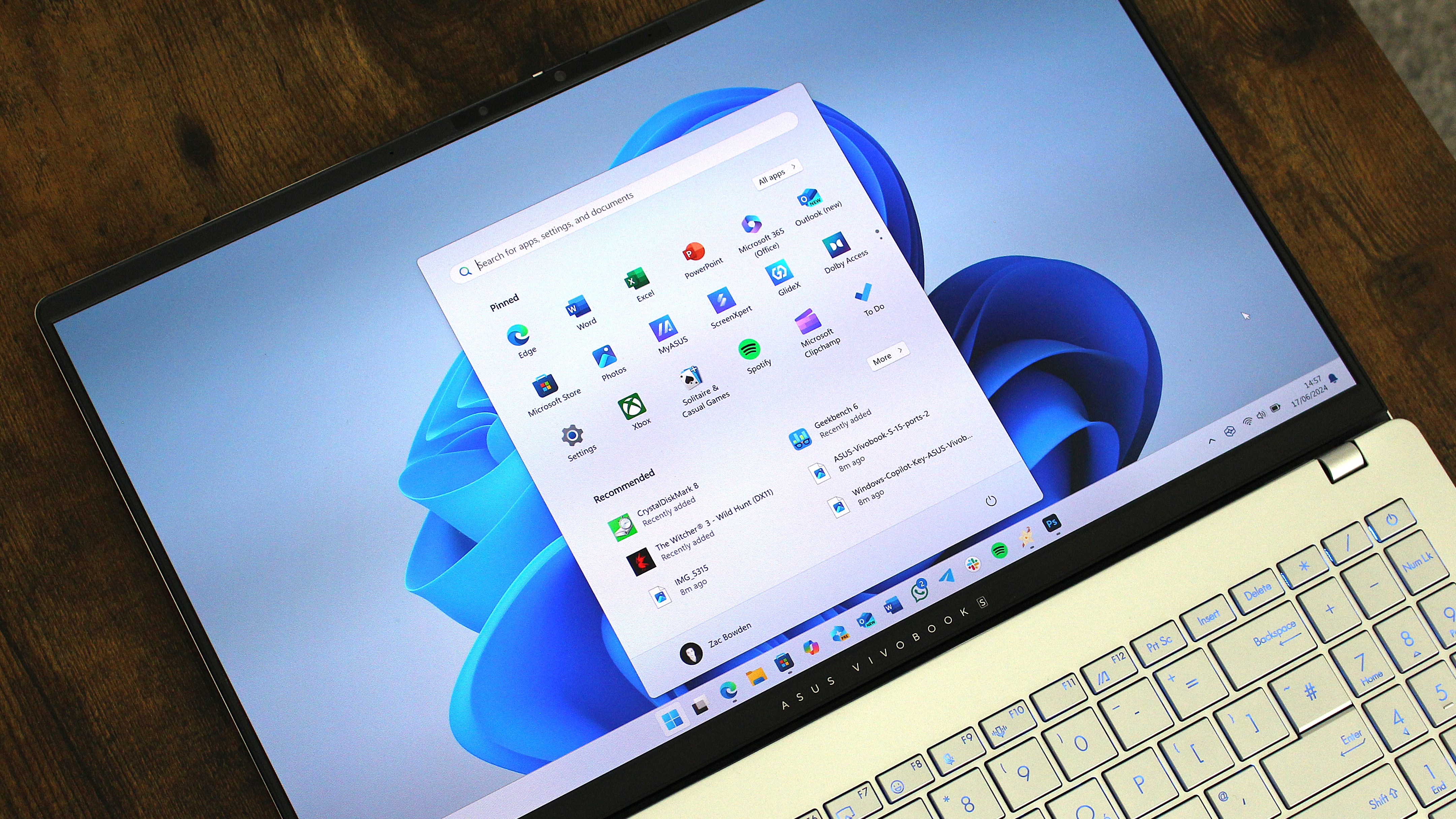
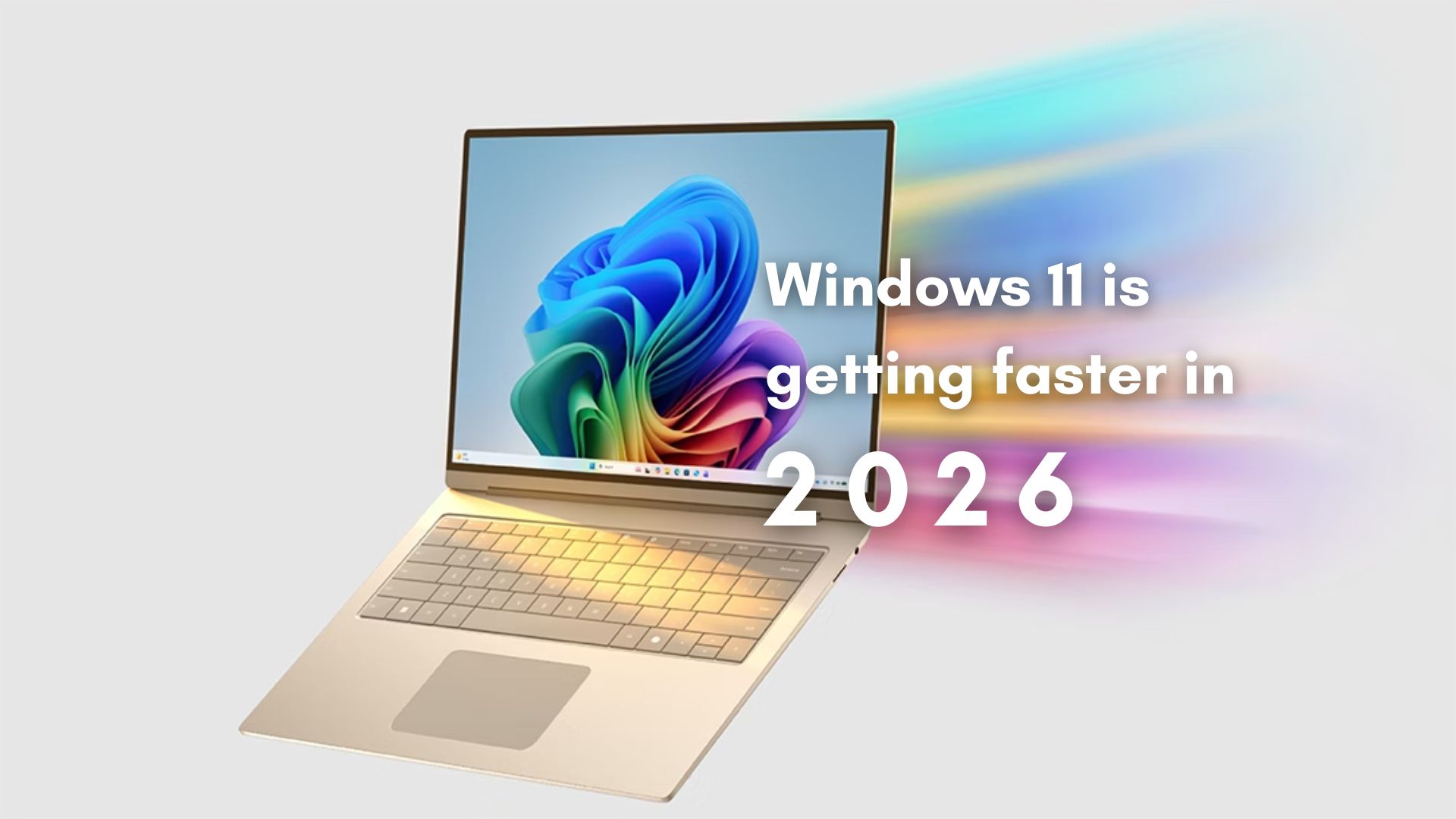
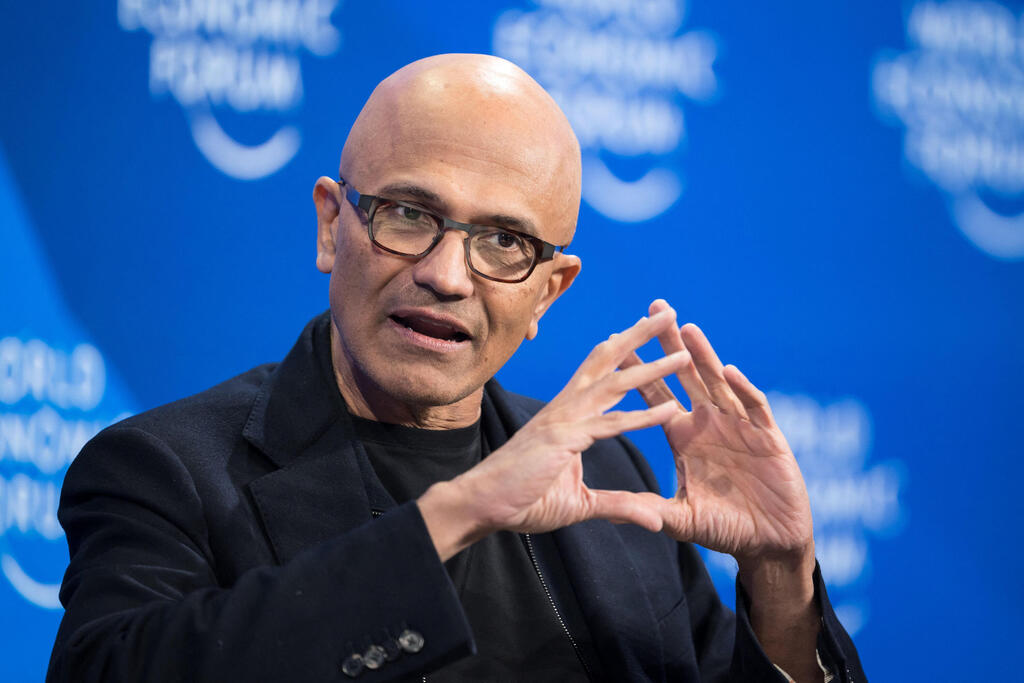
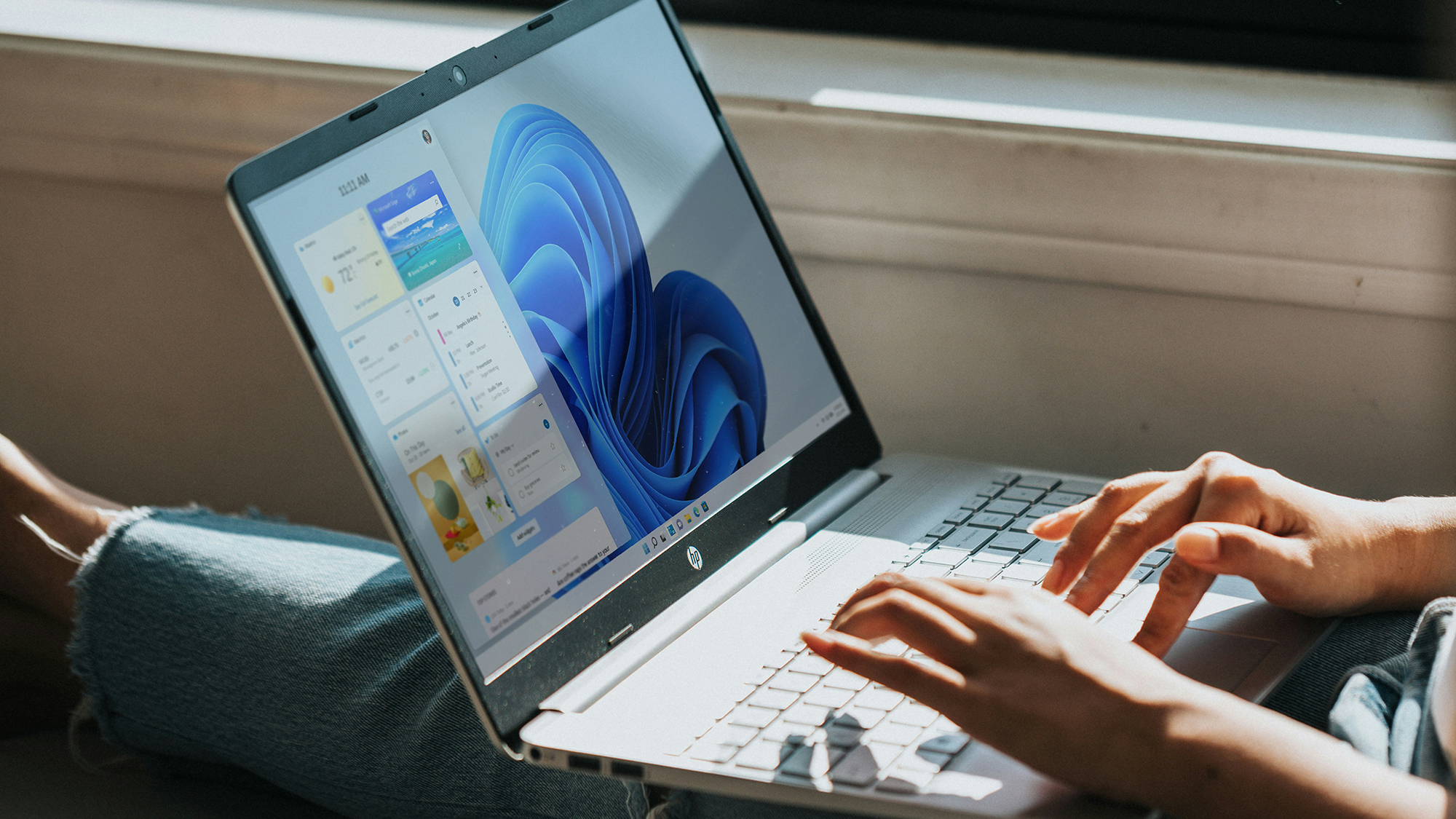
Microsoft's Q3 2026 announcement of a comprehensive "return to basics" initiative addressing Windows 11's aggressive ad-driven monetization strategy signals a major shift in how 1.6 billion monthly active PC users interact with their operating systems. CEO Satya Nadella's acknowledgment that excessive Xbox subscription prompts, OneDrive storage upsells, and unwanted applications during setup damaged user trust represents a critical inflection point for sellers operating in the PC productivity and software ecosystem. The company plans significant UI improvements throughout 2026, including restored taskbar repositioning (removed since Windows 11), refined Start menu usability, and accelerated File Explorer performance—changes that directly impact how users discover, install, and manage third-party applications and services.
Emerging Market Opportunity in Low-Memory Devices: Microsoft's explicit focus on optimizing Windows for 4GB RAM devices addresses a massive untapped market, particularly in China where Windows maintains over 70% market share. This signals growing demand for lightweight productivity software, system optimization tools, and memory-efficient applications targeting budget-conscious consumers in Asia-Pacific regions. Sellers specializing in system utilities, RAM optimization software, lightweight office suites, and PC maintenance tools can capitalize on this 2026 rollout by positioning products for emerging market adoption. The performance improvements create a window for sellers to market compatibility with older, lower-spec hardware that previously struggled with Windows 11's resource demands.
Regional Regulatory Pressures Reshape Software Distribution: EU regulations mandating easier removal of Edge and Bing, combined with China's growing Linux-based alternatives threatening Microsoft's 70% dominance, create distinct regional opportunities. EU-based sellers can develop alternative browser and search integration tools, while Asia-Pacific sellers should prepare for potential Linux ecosystem growth. The gradual 2026 rollout timeline provides sellers 12+ months to optimize product listings, update system requirements documentation, and adjust marketing messaging around Windows 11 compatibility. Microsoft's historical pattern—Vista→Windows 7, Windows 8→Windows 10—suggests Windows 11 improvements will drive significant hardware refresh cycles, benefiting sellers in PC components, peripherals, and productivity software categories.
Consumer Trust Recovery Drives Software Monetization Shift: The acknowledgment that aggressive in-OS advertising damaged user trust indicates consumers increasingly value clean, ad-free computing experiences. This creates opportunities for sellers offering premium, ad-free alternatives to Microsoft services: cloud storage solutions competing with OneDrive, productivity suites competing with Microsoft 365, and system optimization tools. The reduced AI implementation where unnecessary suggests consumers prioritize functional simplicity over feature bloat—a critical insight for sellers developing Windows-compatible software. Sellers should emphasize transparency, minimal system overhead, and user control in product positioning throughout 2026.
Questions 7
What does Microsoft's historical OS pattern (Vista→Windows 7, Windows 8→Windows 10) suggest for 2026 hardware sales?
Microsoft's documented pattern of alternating between problematic and corrective OS versions suggests Windows 11's improvements will likely drive significant hardware refresh cycles in 2026. Vista's failure led to Windows 7's success; Windows 8's tile interface prompted Windows 10's reset. Windows 11's current feature overload and user dissatisfaction indicate similar correction cycles ahead. Sellers in PC components, peripherals, and productivity software categories should prepare for increased hardware upgrade demand as users migrate from older systems to Windows 11-optimized devices. The 2026 rollout timeline creates a 12-month window to position products for this anticipated refresh cycle.
How do EU regulations and China's Linux alternatives affect software seller strategies in 2026?
EU regulations mandating easier removal of Edge and Bing create opportunities for sellers developing alternative browser and search integration tools, while China's growing Linux-based alternatives threaten Microsoft's 70% market dominance and signal potential ecosystem diversification. EU-based sellers should develop Windows-compatible alternatives to Microsoft's bundled services, while Asia-Pacific sellers should prepare for potential Linux ecosystem growth through dual-platform product development. The distinct regional pressures create differentiated market opportunities: EU sellers can emphasize regulatory compliance and user choice, while Asia-Pacific sellers should position products for both Windows and emerging Linux adoption.