


OpenAI vs. Musk Litigation May 2026 | AI Platform Restructuring & Seller Implications
- $38M nonprofit conversion dispute signals AI governance uncertainty affecting 50K+ sellers using ChatGPT-powered tools for e-commerce operations


Overview
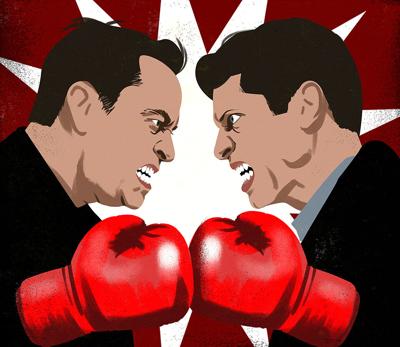
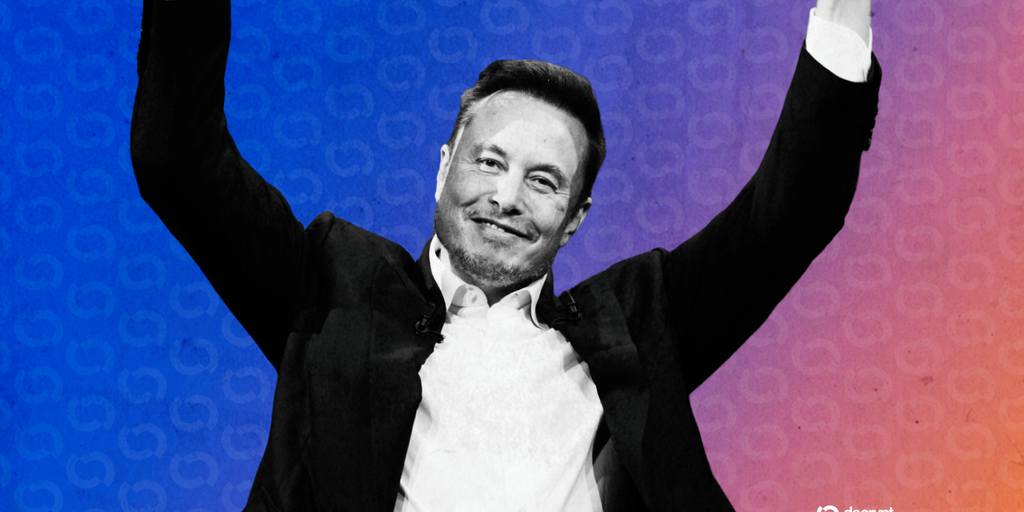
The May 2026 legal battle between Elon Musk and OpenAI CEO Sam Altman represents a watershed moment for AI governance in tech commerce, with direct implications for e-commerce sellers relying on AI-powered business tools. Musk's lawsuit alleges that Altman fraudulently transformed OpenAI from a nonprofit organization into a for-profit corporate entity while misappropriating $38 million in charitable donations—a claim that challenges the legitimacy of OpenAI's current business model and raises questions about the stability of AI services that sellers depend on for inventory management, pricing optimization, and customer service automation.
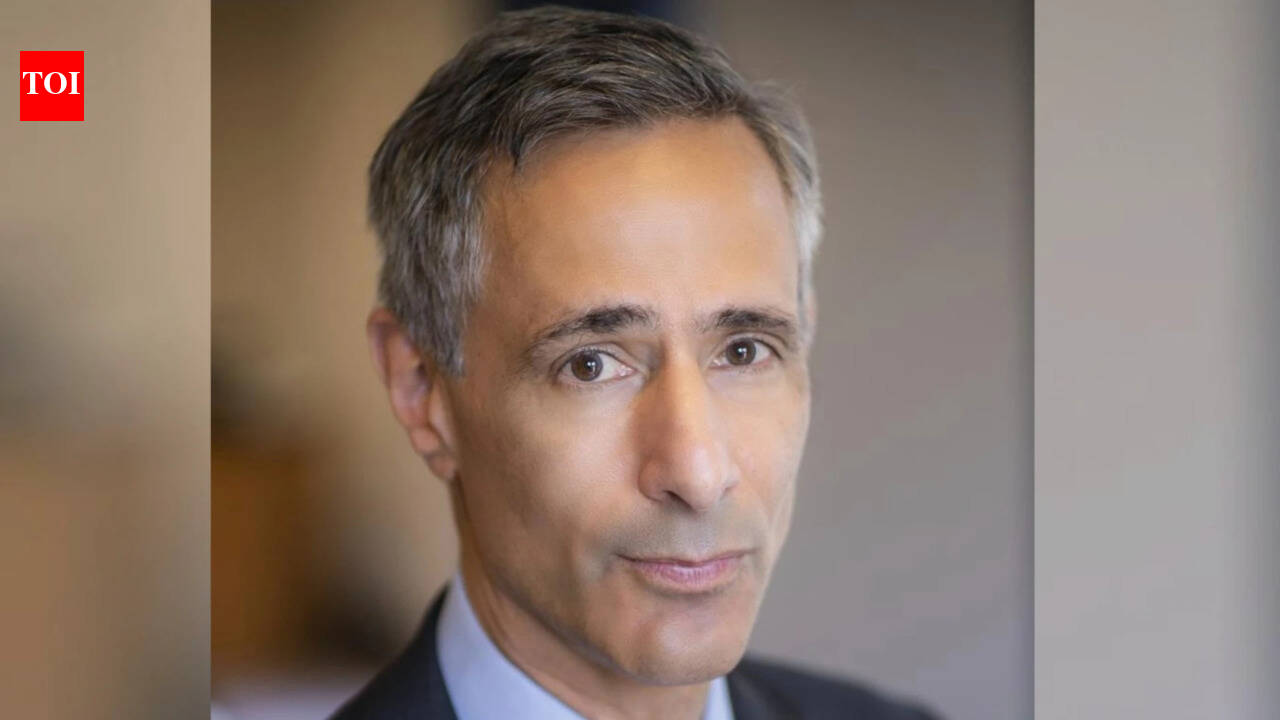
The litigation centers on corporate restructuring legitimacy, with William Savitt, the prominent Wachtell Lipton litigator who previously forced Musk to complete the $44 billion Twitter acquisition in 2022, now defending OpenAI's transformation. The case unfolding in Oakland federal court carries significant weight because it questions whether OpenAI's conversion to a public benefit corporation—a restructuring that Wachtell itself facilitated—was conducted with proper disclosure and consent. For e-commerce sellers, this uncertainty matters because OpenAI's ChatGPT API powers thousands of seller tools for product research, listing optimization, and customer support automation. If the court rules against OpenAI's restructuring, it could trigger forced governance changes, leadership transitions, or even operational disruptions that affect API availability and pricing.
The strategic dimension reveals competitive AI consolidation risks. Musk's underlying objective, according to court filings, is dismantling OpenAI to benefit his own AI company xAI—a competitive move that signals the AI infrastructure market is consolidating around competing visions of AI governance. For sellers, this matters because it indicates potential fragmentation of AI service providers. Sellers currently using ChatGPT for business automation should monitor this litigation's outcome, as a Musk victory could force OpenAI's restructuring or leadership changes that affect service continuity. The $90 million fee dispute between Wachtell and Musk (from the Twitter litigation) also signals that high-stakes tech litigation is becoming increasingly expensive, with implications for how AI companies price services to offset legal costs.
Immediate seller implications include API stability concerns and pricing uncertainty. OpenAI's IPO preparations under CFO Sarah Friar, mentioned in the Wall Street Journal coverage, suggest the company is accelerating its public market timeline—potentially to secure capital before litigation concludes. This creates a 6-12 month window of uncertainty for sellers relying on ChatGPT APIs for business-critical functions. Additionally, the litigation highlights governance risks in AI infrastructure that sellers should factor into their technology stack decisions. Sellers using ChatGPT for product description generation, competitive analysis, or customer service should develop contingency plans for alternative AI providers (Claude, Gemini, Llama) in case OpenAI's service terms or availability change during the litigation period.
Questions 8
What is the $38 million charitable donation dispute about in the OpenAI case?
Musk alleges that OpenAI misappropriated $38 million in charitable donations when converting from a nonprofit to a for-profit entity, claiming he was unaware of the conversion. OpenAI's legal team asserts Musk supported the transition. This dispute matters to sellers because it questions the legitimacy of OpenAI's current business model and governance structure. If the court rules against OpenAI, it could trigger forced restructuring that affects how the company operates and prices its services. The litigation is unfolding in Oakland federal court with jury proceedings ongoing as of May 2026.
How does the OpenAI vs. Musk litigation affect sellers using ChatGPT for business automation?
The May 2026 lawsuit creates 6-12 months of uncertainty around OpenAI's service continuity and API pricing. Sellers relying on ChatGPT for product descriptions, competitive analysis, or customer service should develop contingency plans using alternative AI providers like Claude or Gemini. If Musk's claim that OpenAI fraudulently restructured succeeds, the court could force governance changes or operational disruptions that affect API availability. Specifically, sellers should document their current ChatGPT API usage patterns and costs now, then evaluate alternative providers' pricing and capabilities before Q4 2026.