






Crypto Payment Adoption Stalls | 50% US Sellers Face Consumer Resistance
- 45% of US consumers reject crypto as too risky; regulatory tightening ahead threatens payment innovation strategies for cross-border sellers




Overview
Consumer Distrust Reshapes Payment Strategy for Cross-Border Sellers
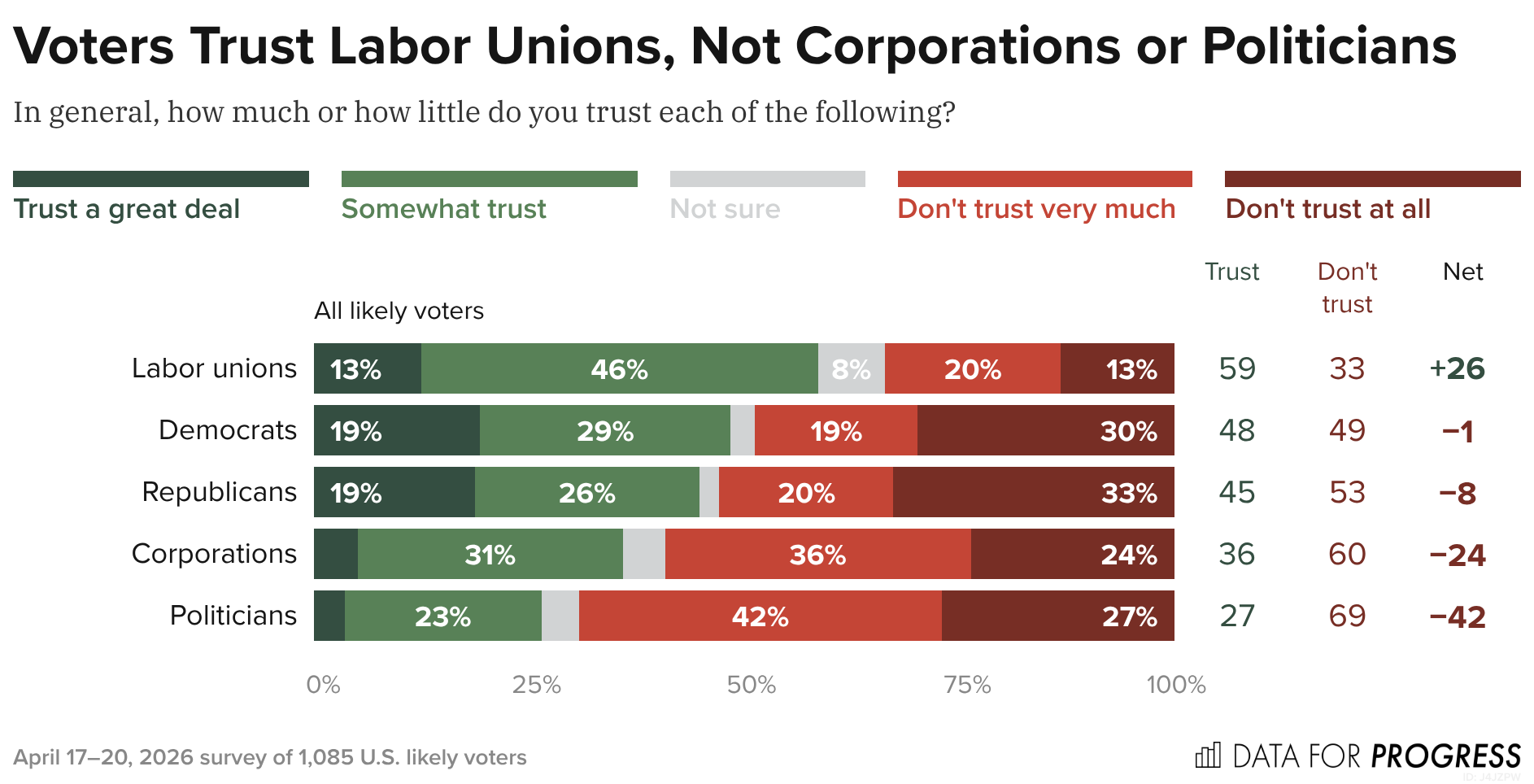
The latest POLITICO and CoinDesk polling data reveals a critical market reality: cryptocurrency payment adoption in the US consumer market has stalled significantly, with 45% of Americans viewing crypto investments as too risky and 50% trusting traditional banks more than crypto platforms. This represents a major headwind for sellers considering cryptocurrency payment options as a cost-reduction strategy. The CoinDesk survey of 1,000 registered voters shows 62% lack confidence in current regulatory oversight, while 73% oppose government officials having personal crypto dealings—signaling that regulatory uncertainty will intensify rather than ease.
Immediate Payment Processing Implications
For cross-border sellers, this polling data directly impacts payment strategy decisions. Sellers who invested in cryptocurrency payment infrastructure (targeting 2-3% fee savings versus traditional processors) now face a market where over 50% of US consumers have never purchased or considered purchasing cryptocurrency. This eliminates the primary consumer-side advantage of crypto payments: lower friction for tech-savvy buyers. Traditional payment processors like Stripe, PayPal, and Square maintain their competitive advantage, with no immediate pressure to reduce fees. The regulatory environment is moving toward stricter oversight—the Digital Asset Market Clarity Act passed the House and requires 60 Senate votes, with Democratic support essential. This legislative trajectory suggests compliance costs for crypto payment integration will increase, not decrease, making ROI calculations unfavorable for mid-market sellers.
Working Capital and Financing Implications
The broader trust deficit in crypto creates secondary effects on seller financing. Fintech lenders and trade finance platforms that accepted cryptocurrency collateral or offered crypto-denominated working capital lines are facing reduced demand and higher risk premiums. Sellers should expect traditional invoice financing, supply chain financing, and inventory loans to remain the primary working capital tools through 2026. The $75 million pro-AI spending and $28 million crypto PAC spending reflects industry desperation to shift public opinion—but voter behavior contradicts this investment, with citizens favoring regulatory-focused candidates. This political reality means sellers cannot rely on deregulation to improve crypto payment economics. The 44% of consumers concerned about AI development too rapidly also signals caution around AI-powered payment fraud detection and automated compliance systems, requiring sellers to emphasize transparency in any AI-driven payment tools.
Strategic Recommendation for Sellers
Avoid allocating resources to cryptocurrency payment infrastructure expansion in 2025. Instead, focus on traditional payment optimization: negotiate lower processing fees with Stripe, PayPal, and Square based on volume commitments; explore regional payment methods (Alipay, WeChat Pay for Asia-Pacific; SEPA transfers for EU) where consumer trust is higher; and prioritize invoice financing and supply chain financing products that offer 2-4% working capital cost reductions without consumer-facing crypto exposure. Monitor the Digital Asset Market Clarity Act's Senate vote (requiring 60 votes) as a regulatory inflection point—if passed with conflict-of-interest provisions, compliance costs will spike. For sellers currently accepting crypto payments, maintain the option but de-emphasize it in marketing; consumer resistance suggests conversion rates will remain below 1-2% of transactions.
Questions 7
How will the Digital Asset Market Clarity Act affect seller payment options?
The Act passed the House and requires 60 Senate votes, with Democratic support essential for passage. If enacted, it will establish the first major US crypto regulatory framework, likely including compliance requirements for payment processors accepting cryptocurrency. This will increase operational costs for sellers using crypto payments by 2-4% through compliance, reporting, and audit requirements. The Act includes conflict-of-interest provisions opposed by the Trump administration, creating legislative uncertainty through 2026. Sellers should assume regulatory costs will increase rather than decrease, making traditional payment methods more economically attractive. Monitor Senate voting patterns in Q1-Q2 2025 as the inflection point for compliance cost clarity.
What payment methods offer the best fee savings for cross-border sellers?
Traditional payment processors offer 1.5-2.9% processing fees depending on volume and region, while cryptocurrency payment processors promise 0.5-1% savings but face consumer resistance. For cross-border optimization, sellers should negotiate volume-based discounts with Stripe (1.5% + $0.30 per transaction for high volume) or PayPal (1.99-2.99% depending on tier). Regional payment methods offer superior economics: Alipay/WeChat Pay for Asia-Pacific (0.5-1% fees), SEPA transfers for EU (0.1-0.5%), and ACH for US domestic (0.25-0.50%). The regulatory environment favors traditional methods, with 62% of voters lacking confidence in crypto oversight, making compliance costs unpredictable for crypto payment infrastructure.