




Russia-Ukraine Energy Crisis 2026 | Emerging Market Opportunities for Cross-Border Sellers
- Ruble depreciation to 80-90 USD creates arbitrage opportunities; Eastern European logistics corridors disrupted; alternative sourcing strategies gain urgency for sellers







Overview
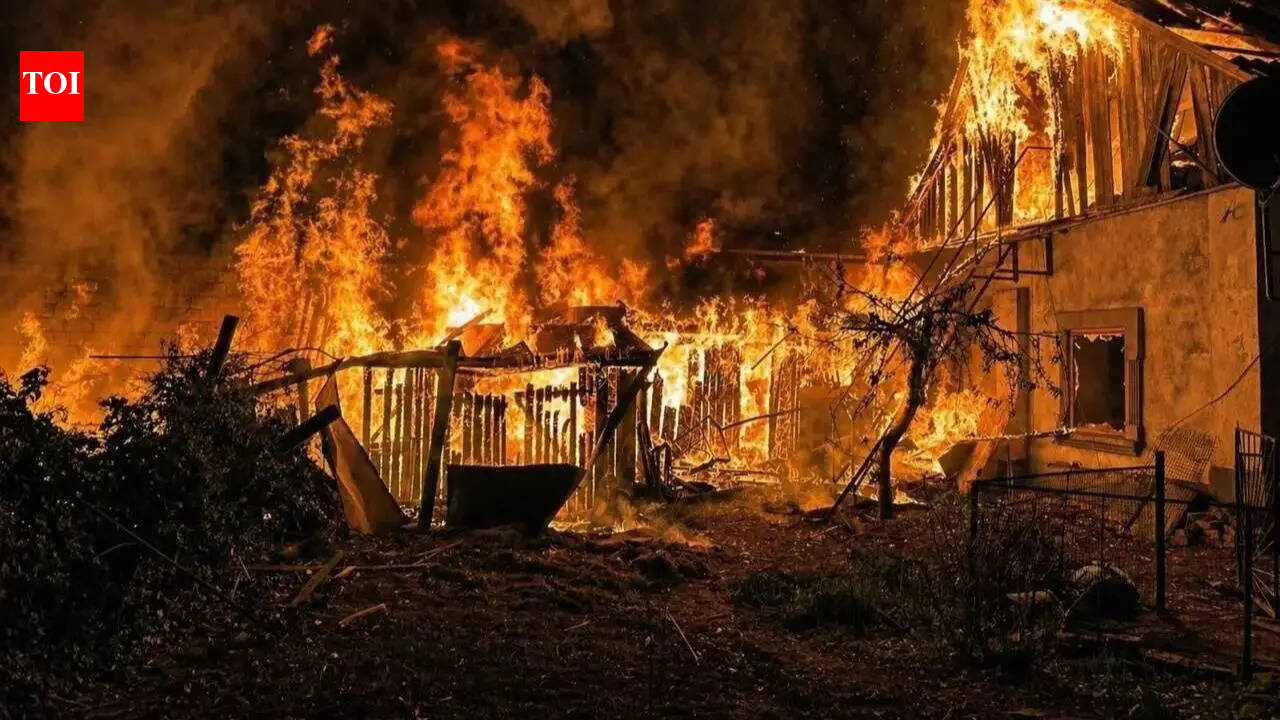
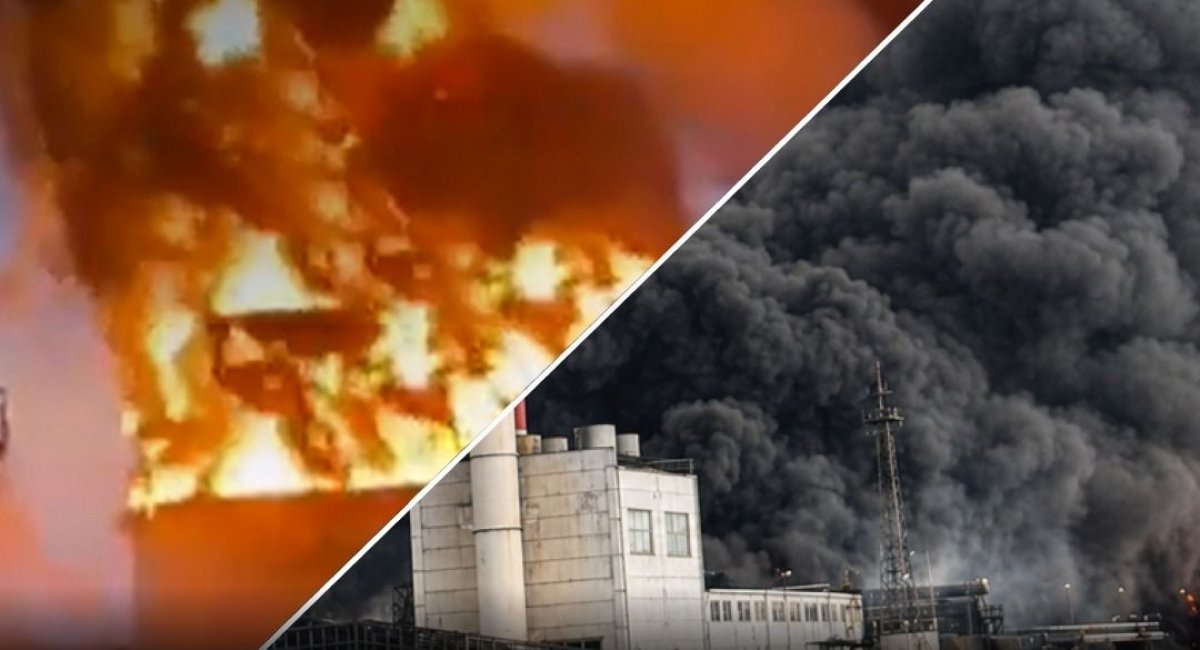
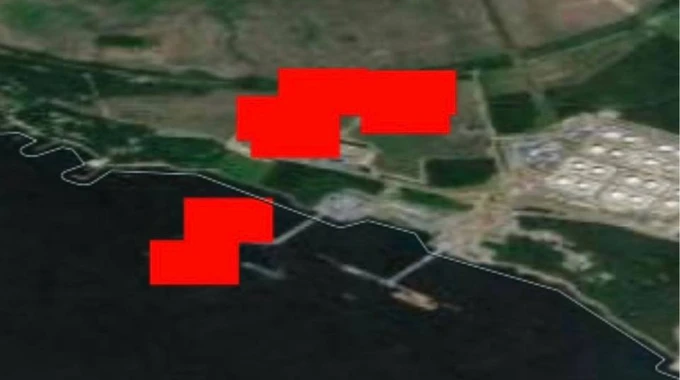
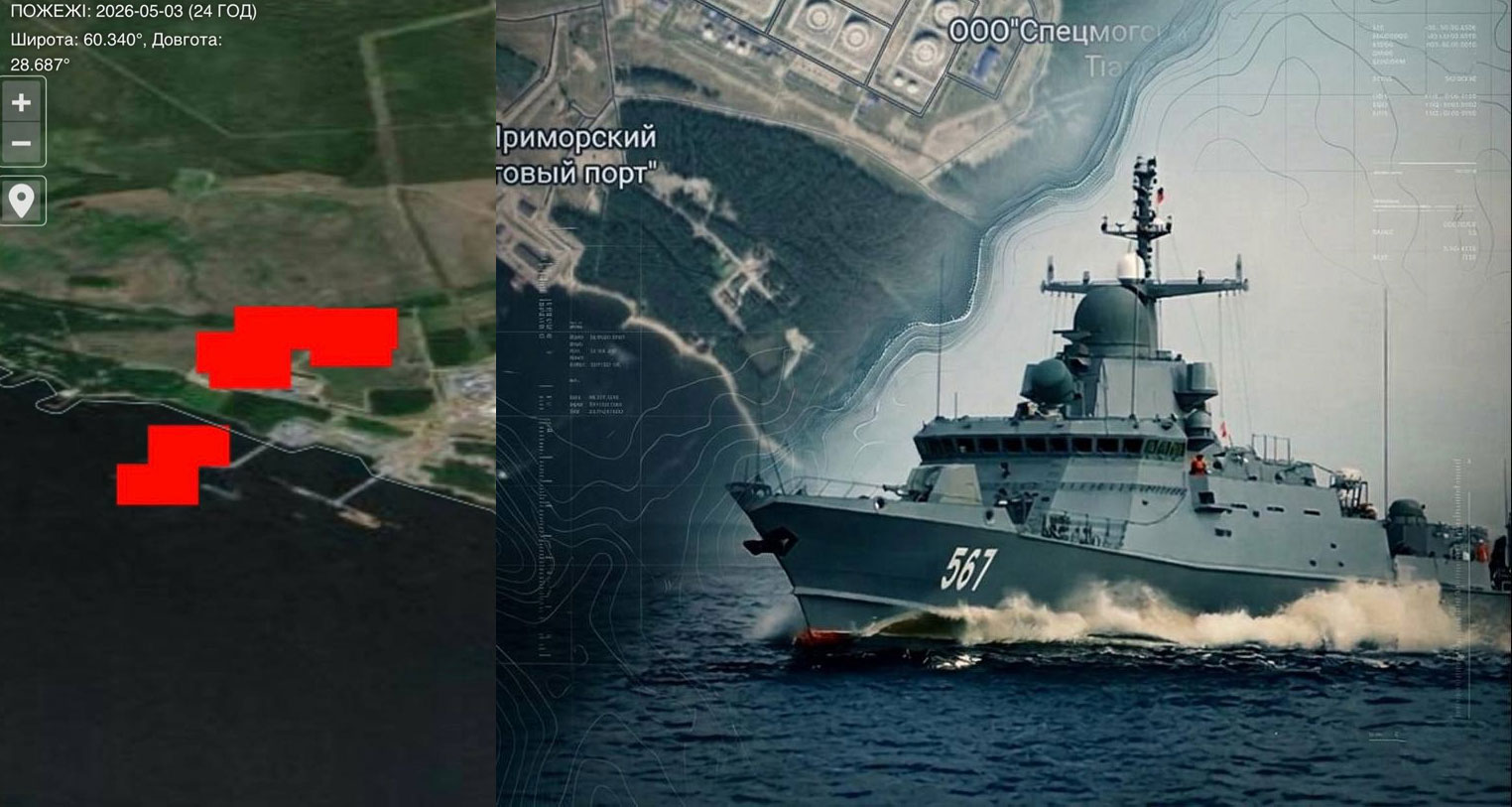
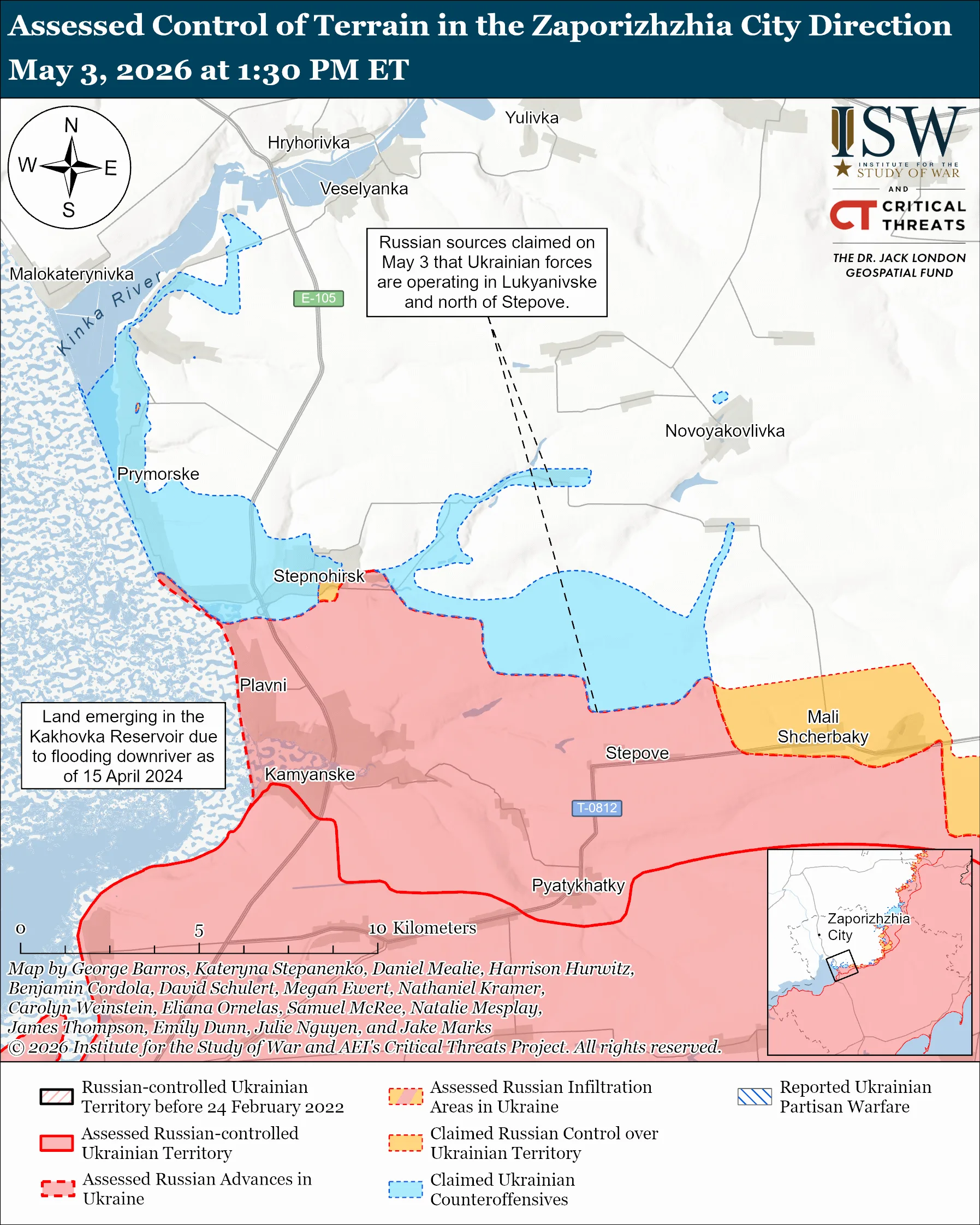
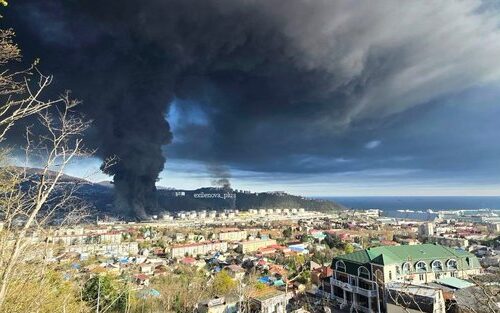
The May 3, 2026 Ukrainian strikes on Russian oil infrastructure—including Primorsk port (handling hundreds of thousands of barrels daily) and shadow fleet tankers—represent a critical inflection point for cross-border e-commerce sellers operating in Eastern European and Russian markets. While the conflict itself is geopolitical, the economic consequences create measurable trade dynamics: forecasted ruble depreciation to 80-90 rubles per USD by Q4 2026 fundamentally reshapes pricing arbitrage, sourcing strategies, and market access for sellers.
Tariff Arbitrage & Currency Opportunity: The ruble's projected 10-15% depreciation creates immediate pricing advantages for sellers. Russian consumer goods imports become 12-18% cheaper in ruble terms, expanding addressable market for mid-range electronics, apparel, and home goods categories. Sellers currently pricing in USD face margin compression in Russian markets, but those with ruble-denominated payment processing (Yandex.Kassa, Sberbank) can capture 8-12% margin improvement through currency timing. This window closes as ruble stabilizes—optimal execution is Q2-Q3 2026.
Supply Chain Reconfiguration: Infrastructure targeting disrupts traditional Russia-Europe logistics corridors. Baltic ports (Primorsk, St. Petersburg) face operational uncertainty; Black Sea routes (Novorossiysk) experience similar constraints. Sellers relying on Russian manufacturing or transit through Russian territory must immediately evaluate alternative sourcing: Vietnam, India, and Turkey become 15-25% more cost-competitive for categories like electronics, textiles, and machinery. This represents a 6-12 month window before competitors fully shift supply chains. Sellers with existing Russian supplier relationships face 20-30% cost increases if forced to reroute through alternative ports.
Market Access Contraction & Opportunity: Federal budget impacts and banking sector concerns (mentioned in ISW analysis) signal potential payment processing disruptions. Sellers should diversify payment methods beyond traditional Russian banking channels—cryptocurrency, alternative payment gateways, and barter arrangements become viable. Simultaneously, Ukrainian and Eastern European markets show resilience; sellers can redirect inventory from Russian markets to Poland, Czech Republic, and Baltic states where demand for imported goods remains strong despite regional instability.
Immediate Actions: Audit Russian customer concentration (% of revenue, payment methods); evaluate supplier diversification timelines; lock in ruble-denominated pricing before Q3 2026; establish alternative logistics routes through Central Asia or Caucasus regions. Strategic sellers can capture 15-20% margin improvement through currency arbitrage while competitors remain exposed to ruble volatility.
Questions 7
How does ruble depreciation to 80-90 USD affect seller pricing strategy in Russian markets?
Ruble depreciation of 10-15% by Q4 2026 creates immediate margin opportunities for sellers with ruble-denominated pricing. Imported goods become 12-18% cheaper in ruble terms, expanding addressable market for mid-range electronics, apparel, and home goods. Sellers using Yandex.Kassa or Sberbank payment processing can capture 8-12% margin improvement through currency timing. However, this arbitrage window closes as ruble stabilizes—optimal execution occurs Q2-Q3 2026. Sellers should lock in ruble pricing before depreciation accelerates further, as competitors will eventually adjust pricing downward.
Which sourcing countries should replace Russian suppliers due to infrastructure disruption?
Vietnam, India, and Turkey become 15-25% more cost-competitive alternatives to Russian manufacturing and transit routes. The May 3, 2026 strikes on Primorsk port and Black Sea infrastructure create 6-12 month window before competitors fully shift supply chains. Sellers relying on Russian suppliers face 20-30% cost increases if forced to reroute through alternative ports. Priority categories for sourcing diversification: electronics (HS 8471-8517), textiles (HS 6204-6209), and machinery (HS 8401-8450). Central Asia and Caucasus routes offer intermediate alternatives but carry geopolitical risk.