



Apple's iOS 26.2: The Intelligent Ecosystem Transformation
- Redefining User Experience Through Adaptive Design and Intelligent Features























Overview
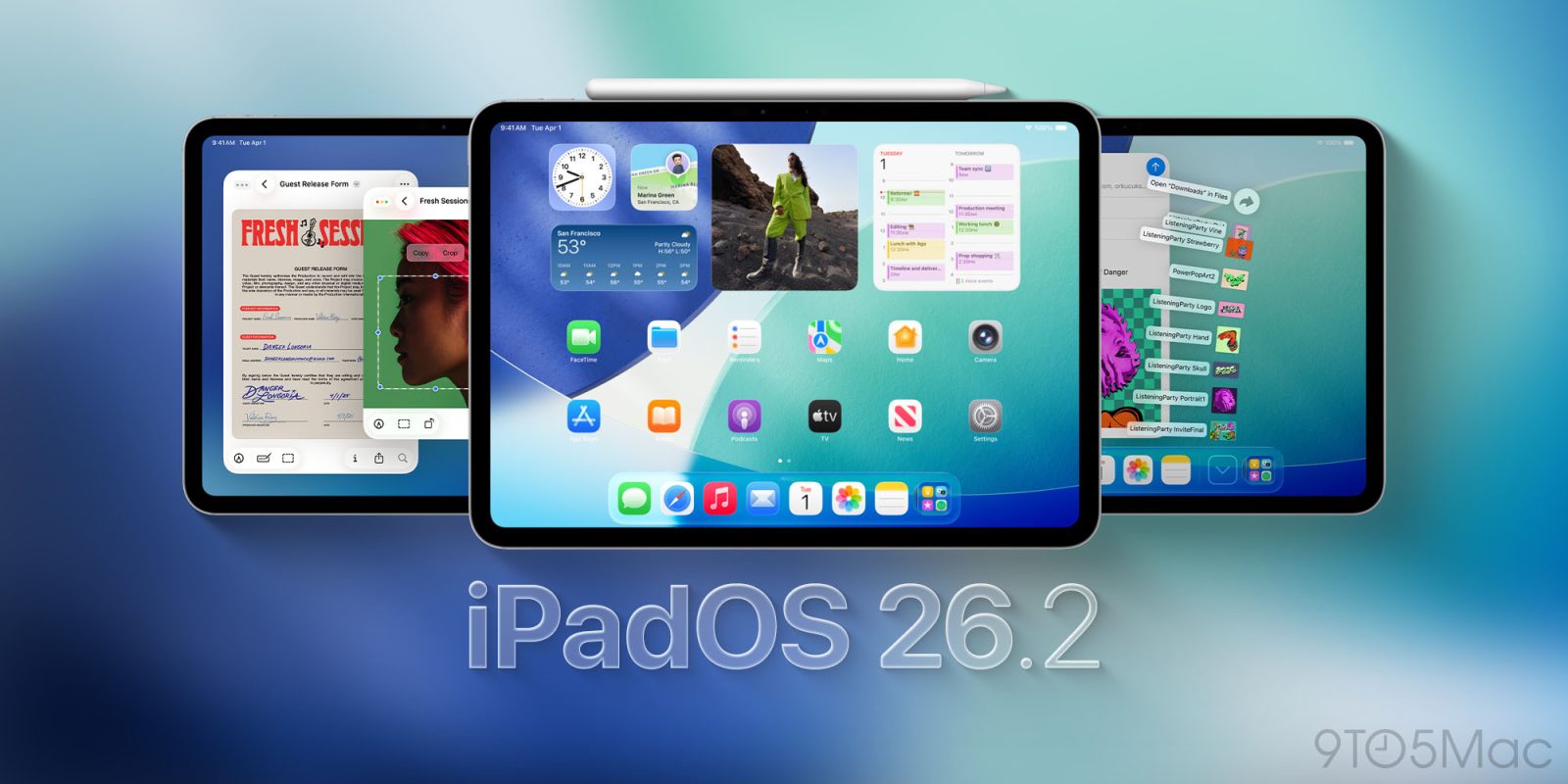
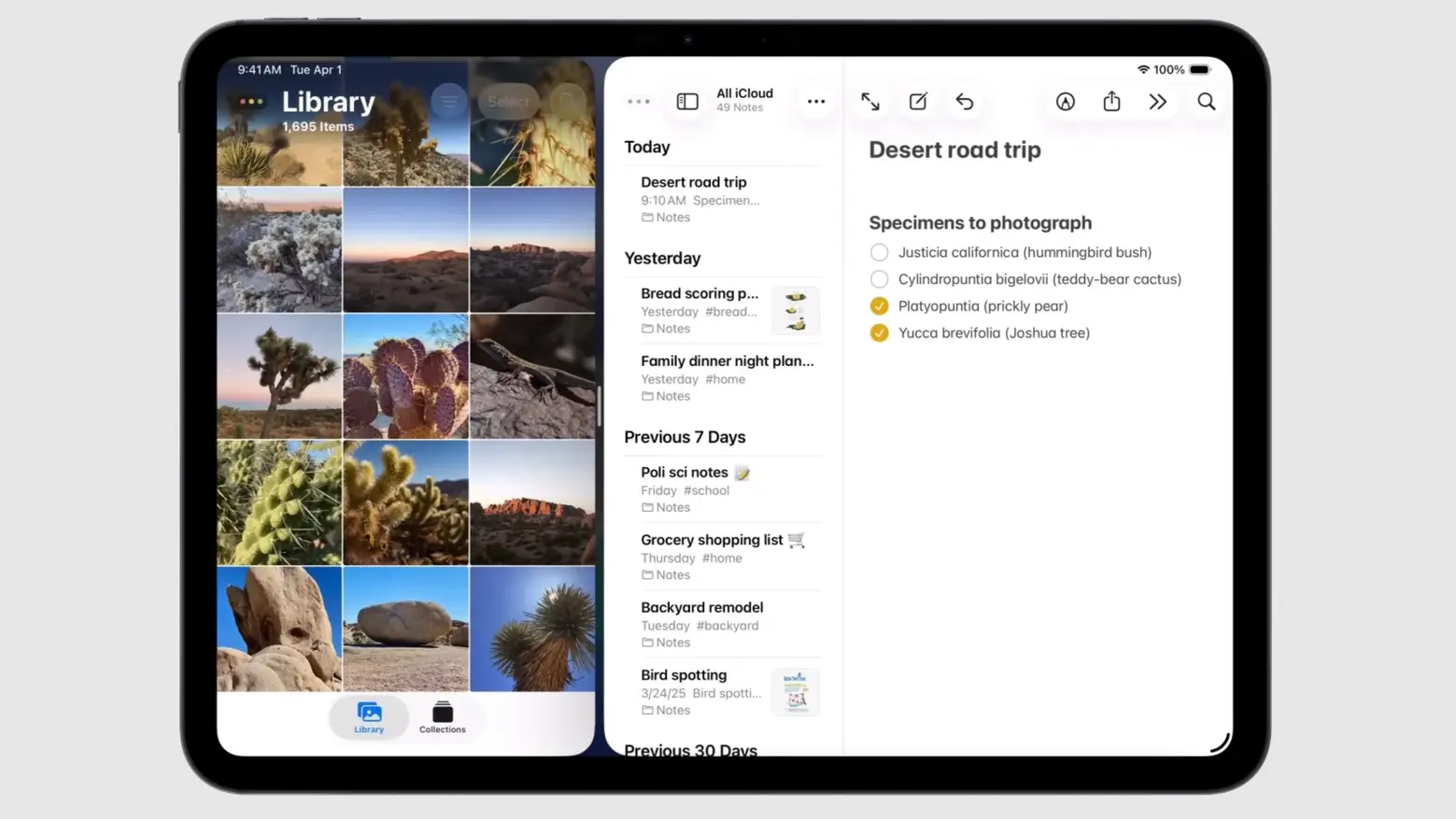
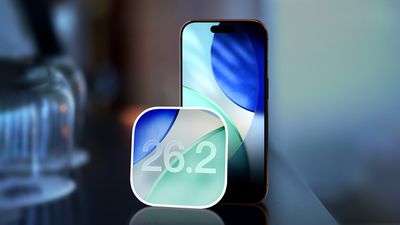
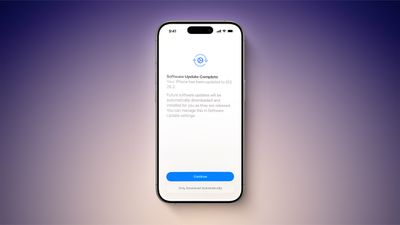
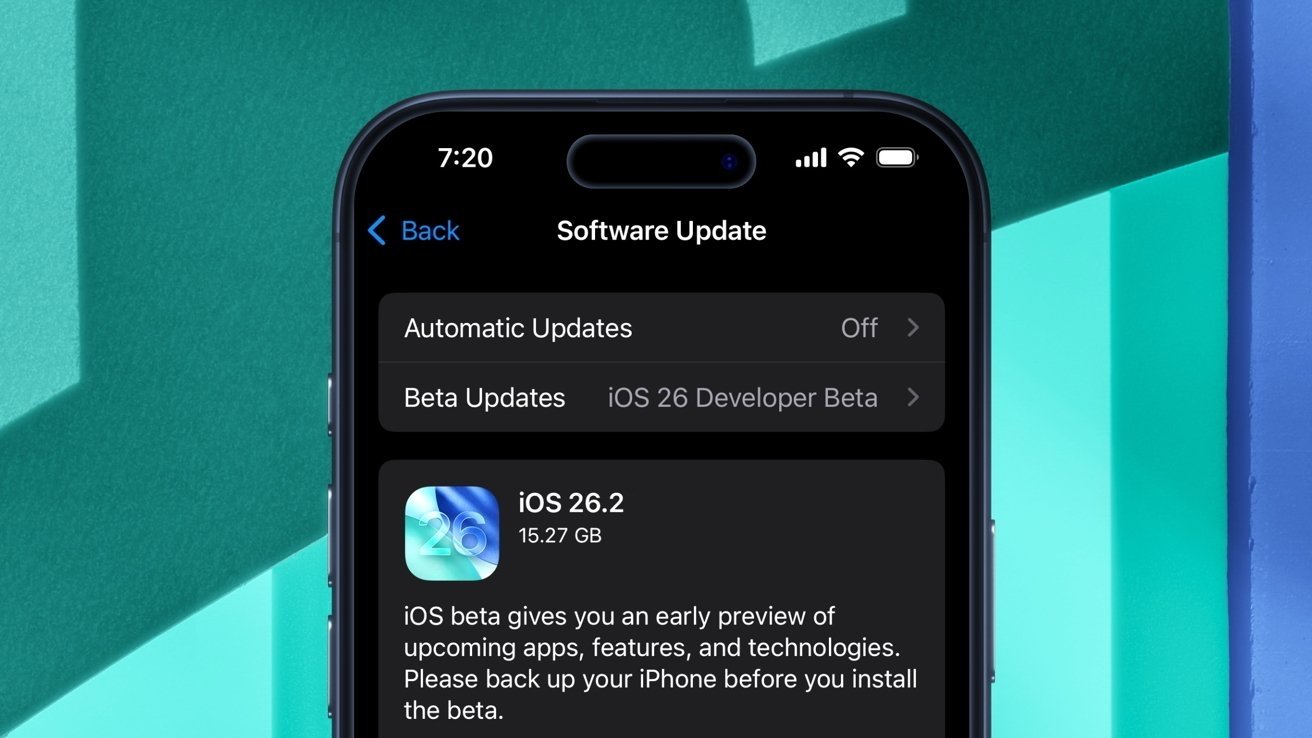
Apple's latest iOS 26.2 update represents a pivotal moment in technological ecosystem design, signaling a profound shift toward adaptive, user-centric digital experiences. The multi-platform release goes far beyond traditional software updates, revealing a strategic approach that blends intelligent design, user feedback integration, and cross-platform functionality.
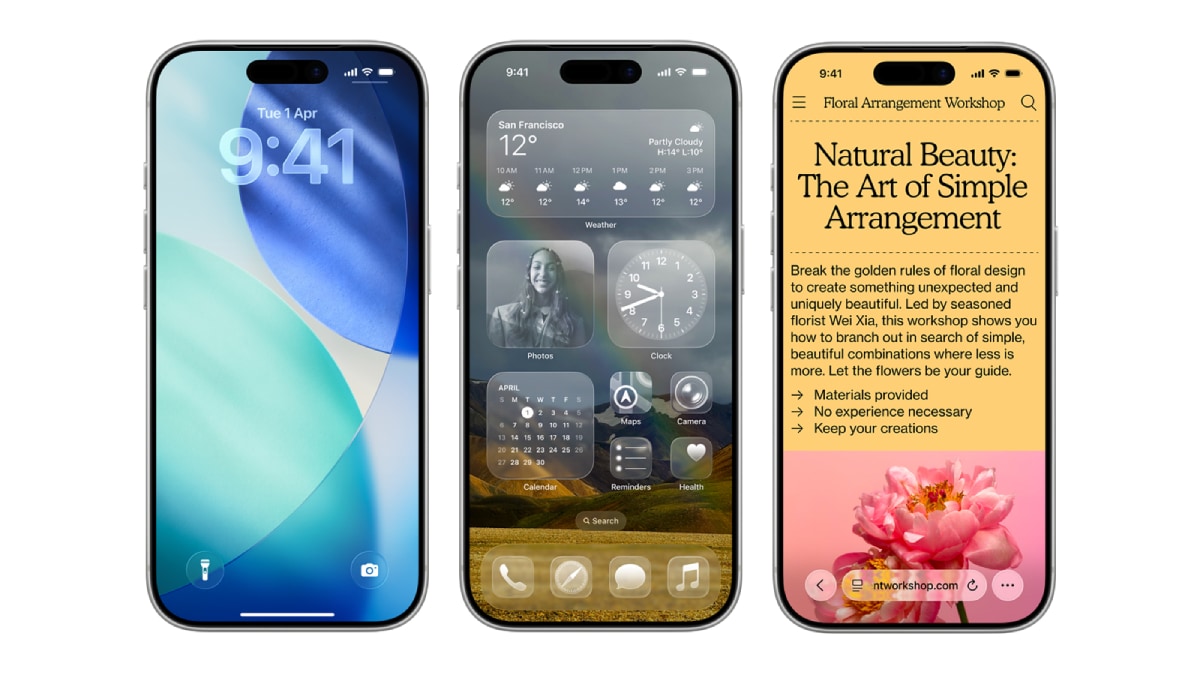
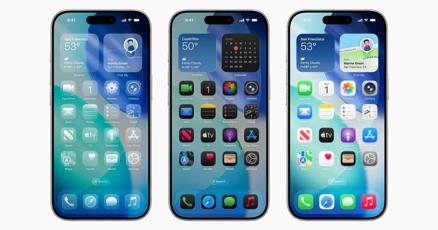
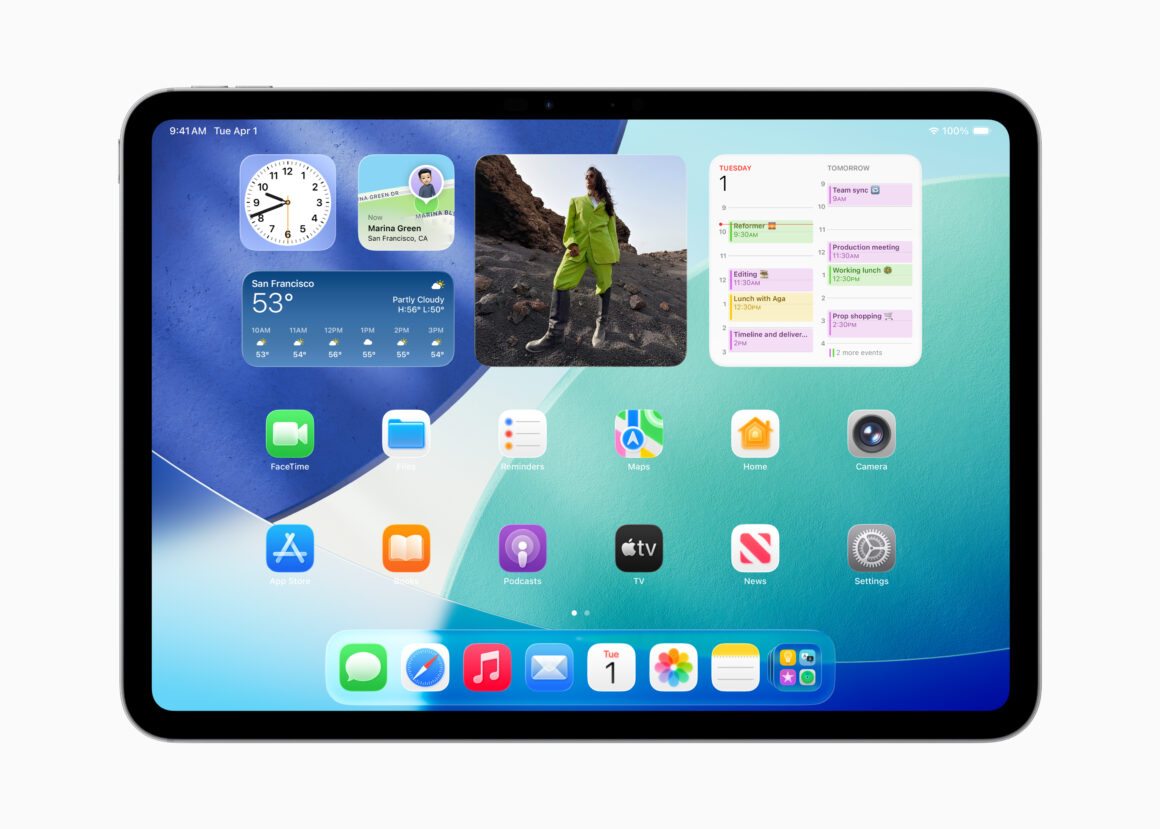
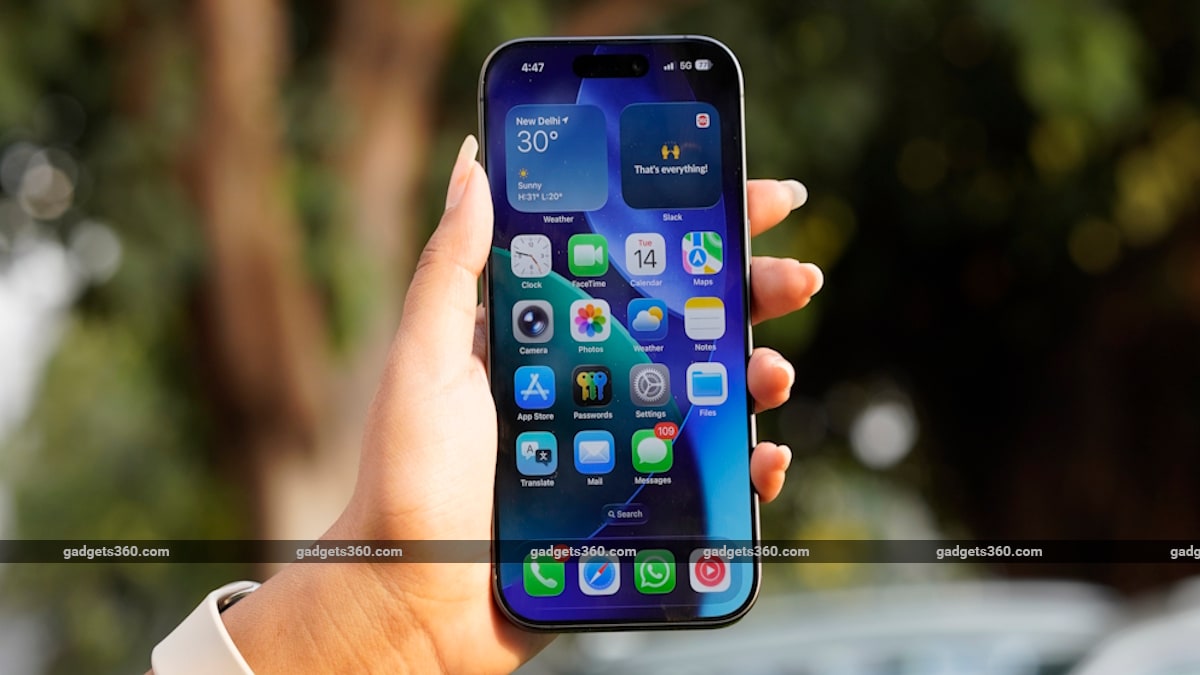
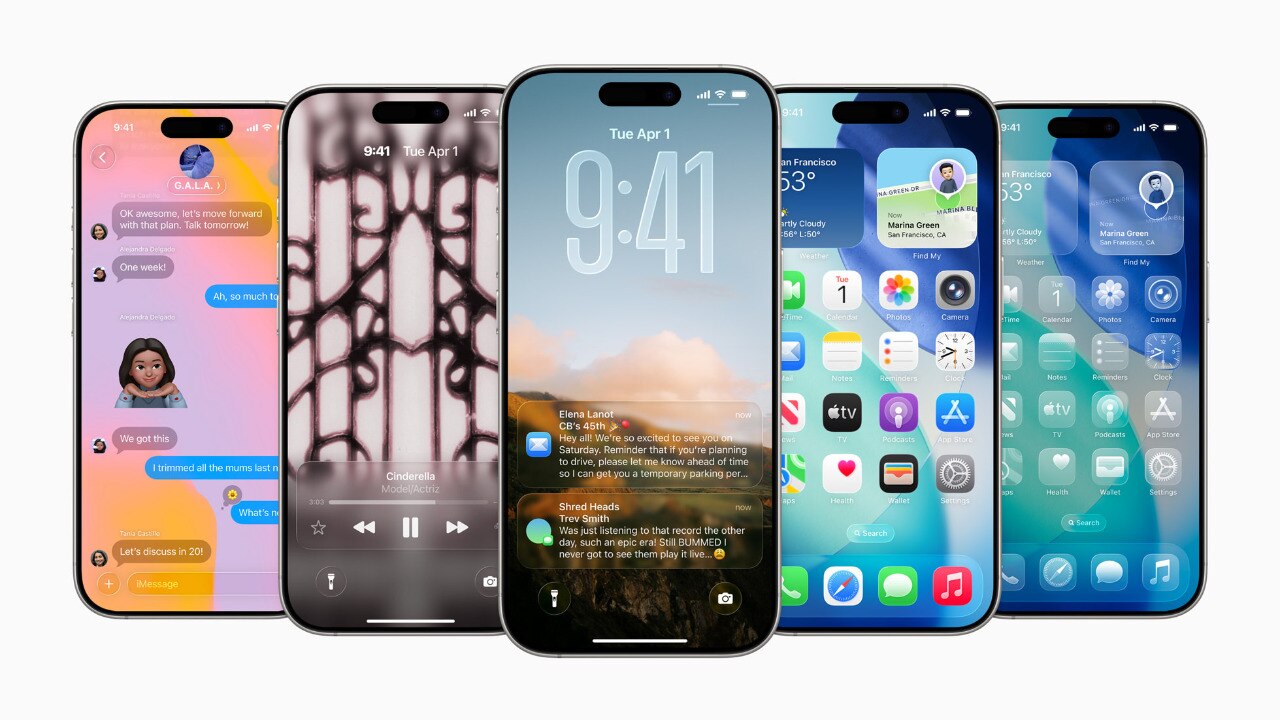
At the core of this transformation is Apple's responsive design philosophy. The Liquid Glass interface, initially met with mixed reviews, demonstrates the company's commitment to iterative improvement. By introducing granular transparency controls and addressing user readability concerns, Apple shows it's not just releasing features, but actively listening and adapting. This approach represents a critical evolution in software design—where user experience becomes a dynamic, continuously refined process.
The update's most compelling innovations emerge in intelligent communication and content tools. Features like Edge Light, which automatically adjusts screen illumination during video calls, and AI-generated podcast chapters showcase how machine intelligence can seamlessly enhance user interactions. These aren't mere incremental improvements, but strategic moves toward making technology more intuitive and context-aware.
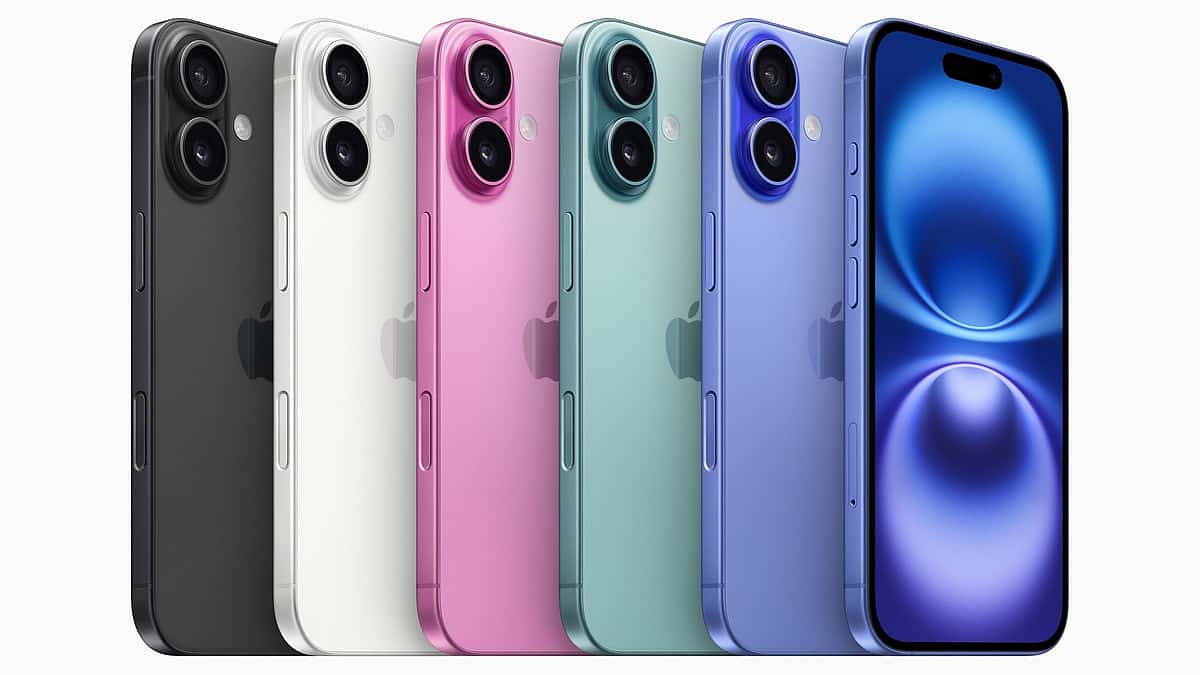
Particularly noteworthy is Apple's segmented feature rollout strategy. By limiting advanced Apple Intelligence capabilities to newer iPhone 15 Pro models, the company creates a clear upgrade pathway while maintaining ecosystem cohesion. This approach simultaneously incentivizes hardware upgrades and provides a roadmap for technological progression.
For digital professionals and content creators, these updates represent significant opportunities. Enhanced multimedia tools, improved sharing capabilities like 30-day AirDrop codes, and intelligent features like live translation in Messages create new avenues for communication and content production. The ecosystem is evolving from a static platform to an adaptive, intelligent environment that anticipates and responds to user needs.
Strategically, this update signals Apple's long-term vision: transforming devices from mere tools into intelligent companions that understand context, adapt dynamically, and prioritize user experience. The future of technology isn't about adding features, but about creating seamless, intuitive interactions that feel almost prescient.
Questions 3
Why are some advanced features limited to newer iPhone models?
Apple's strategy of limiting advanced Apple Intelligence features to newer iPhone 15 Pro models serves multiple purposes: it creates a clear upgrade incentive, ensures optimal performance through dedicated hardware, and provides a structured pathway for technological innovation across the ecosystem.
How do the new features impact digital content creators?
The update provides powerful tools like AI-generated podcast chapters, live translation, and enhanced multimedia capabilities. These features lower content production barriers, enable more sophisticated communication, and create new opportunities for creators to produce more engaging, intelligent content.