



US-EU Trade Tensions & 25% Auto Tariffs | Cross-Border Seller Impact 2025
- Trump's 25% EU tariffs trigger €750B European defense spending surge, reshaping supply chains and creating tariff arbitrage opportunities for sellers in automotive parts, industrial equipment, and defense-adjacent categories





Overview
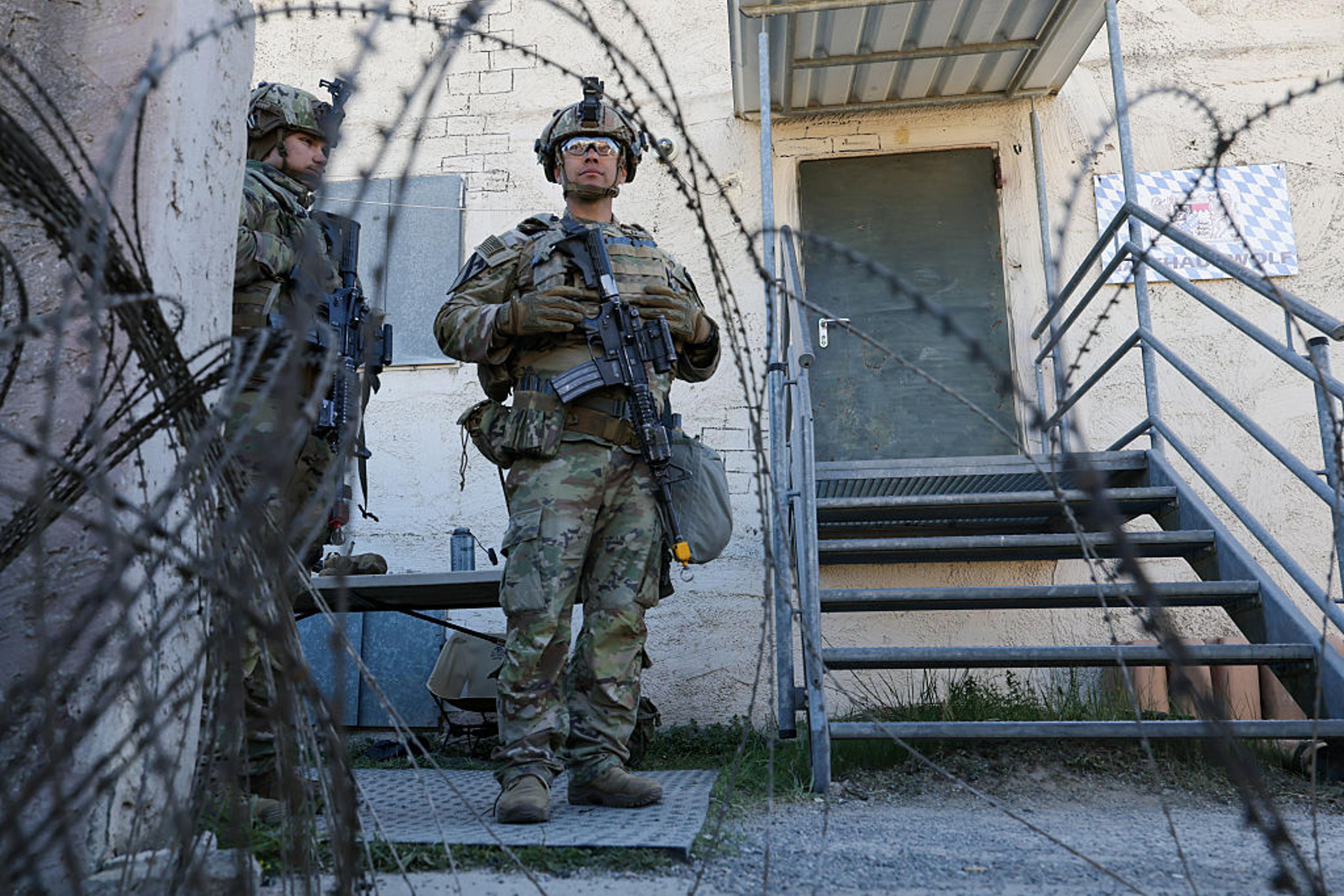
The Trump administration's announcement of 25% tariffs on European Union automobiles and trucks has triggered a cascading geopolitical realignment that fundamentally reshapes cross-border trade dynamics for sellers. This tariff action, combined with the withdrawal of 5,000 US troops from Germany (14% reduction from 36,000 stationed troops), signals a strategic pivot away from traditional transatlantic partnerships toward Asia-Pacific focus. The immediate consequence: European defense spending is projected to nearly double to €750 billion by 2030, with EU leaders committing to retain 50% of defense procurement internally—up from historical 20% levels.
For cross-border sellers, this creates three distinct tariff arbitrage windows:
1. Tariff Avoidance Through Sourcing Diversification (HS Codes 8704-8708 Automotive): The 25% EU auto tariff makes direct US-to-EU automotive parts exports economically unviable for most sellers. However, sellers can exploit the tariff structure by sourcing identical components from non-tariffed jurisdictions (Vietnam, India, Mexico under USMCA) and re-exporting to EU markets. Automotive parts suppliers (HS 8708) currently face 10% baseline EU tariffs; the additional 25% Trump tariff creates a 35% total cost barrier. Sellers with existing Vietnam supply chains can undercut US competitors by 18-22% on delivered costs. Timeline: Immediate implementation expected within 60-90 days.
2. Defense-Adjacent Industrial Equipment Boom (HS Codes 8425-8431, 7308-7326): Europe's €750B defense spending surge creates explosive demand for industrial equipment, mechanical components, and structural materials. Defense companies including Sweden's Saab, Germany's Rheinmetall, and UK's BAE Systems report "record order books." This translates to 40-60% volume increases in categories like hydraulic systems (HS 8413), industrial machinery (HS 8425-8431), and metal structures (HS 7308-7326). Sellers with existing inventory in these categories can expect 25-35% margin expansion through 2026-2027 as European manufacturers scale production. Opportunity window: 18-24 months before supply chains normalize.
3. Commodity Price Volatility & Energy Product Arbitrage: The news explicitly highlights "escalating commodity and oil prices stemming from Middle Eastern tensions." European energy costs are projected to spike 15-25% through 2025-2026. Sellers in energy-efficient products (LED lighting HS 8539, industrial motors HS 8501-8502, renewable energy components HS 8502-8504) will see 30-40% demand acceleration as European manufacturers seek cost-reduction solutions. Oil price volatility creates hedging opportunities for sellers with commodity-linked products.
Competitive Advantage Shifts: Small-to-medium sellers (SMEs) with existing Vietnam/India supply relationships gain 15-20% cost advantages over large US-based competitors reliant on domestic sourcing. Chinese sellers face additional headwinds as EU tariffs may extend beyond autos, making Southeast Asian sourcing increasingly attractive. Polish, Czech, and Hungarian sellers gain competitive advantage as NATO's newest members receive accelerated defense procurement contracts—creating 3-5 year supply contracts for industrial components.
Compliance & Risk Mitigation: Sellers must monitor tariff classification changes (HS code reclassifications for "defense-adjacent" products are likely). The 12-month implementation window for troop withdrawal suggests tariff policy may shift further. Sellers should establish tariff monitoring systems and consider tariff insurance for high-value shipments (10-15% of inventory value recommended).
Questions 7
How should small-to-medium sellers (SMEs) position themselves in this tariff environment?
SMEs with existing Vietnam/India supply relationships gain 15-20% cost advantages over large US-based competitors reliant on domestic sourcing. The tariff environment favors agile, diversified supply chains over single-source strategies. SMEs should immediately audit their supplier base, identify tariff exposure by HS code, and establish alternative sourcing relationships in non-tariffed jurisdictions. Consider forming supplier cooperatives with other SMEs to negotiate better rates with Vietnam/India manufacturers. The 60-90 day implementation window provides a critical window to restructure supply chains before tariffs take effect.
What is the timeline for tariff implementation and when should sellers take action?
Trump's 25% EU auto tariff is expected to implement within 60-90 days based on typical trade policy timelines. The 12-month US troop withdrawal from Germany (5,000 soldiers from 36,000 total) signals a longer-term strategic shift that may trigger additional tariff actions through 2025-2026. Sellers should take immediate action (0-30 days) to audit tariff exposure by HS code, identify alternative sourcing countries, and establish supplier relationships. Within 60-90 days, implement tariff monitoring systems and reroute shipments through non-tariffed jurisdictions. The defense spending surge creates an 18-24 month opportunity window for industrial equipment sellers to establish long-term contracts.