


Israel's $50B+ Defense Buildup Signals Geopolitical Instability | Cross-Border Logistics & Supply Chain Implications
- Regional military escalation drives demand for defense-adjacent products, logistics rerouting, and supply chain diversification away from conflict zones





)








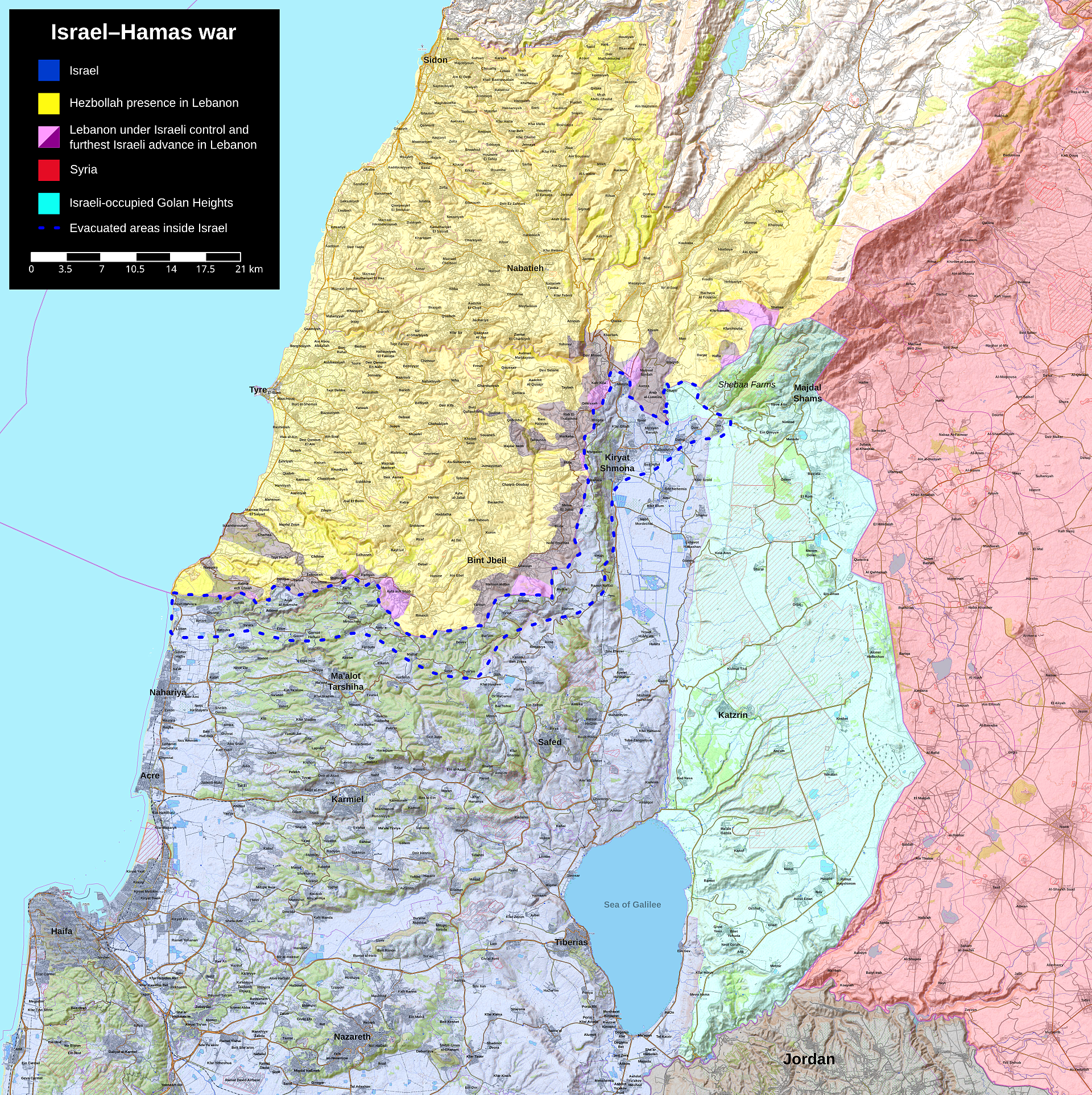
Overview
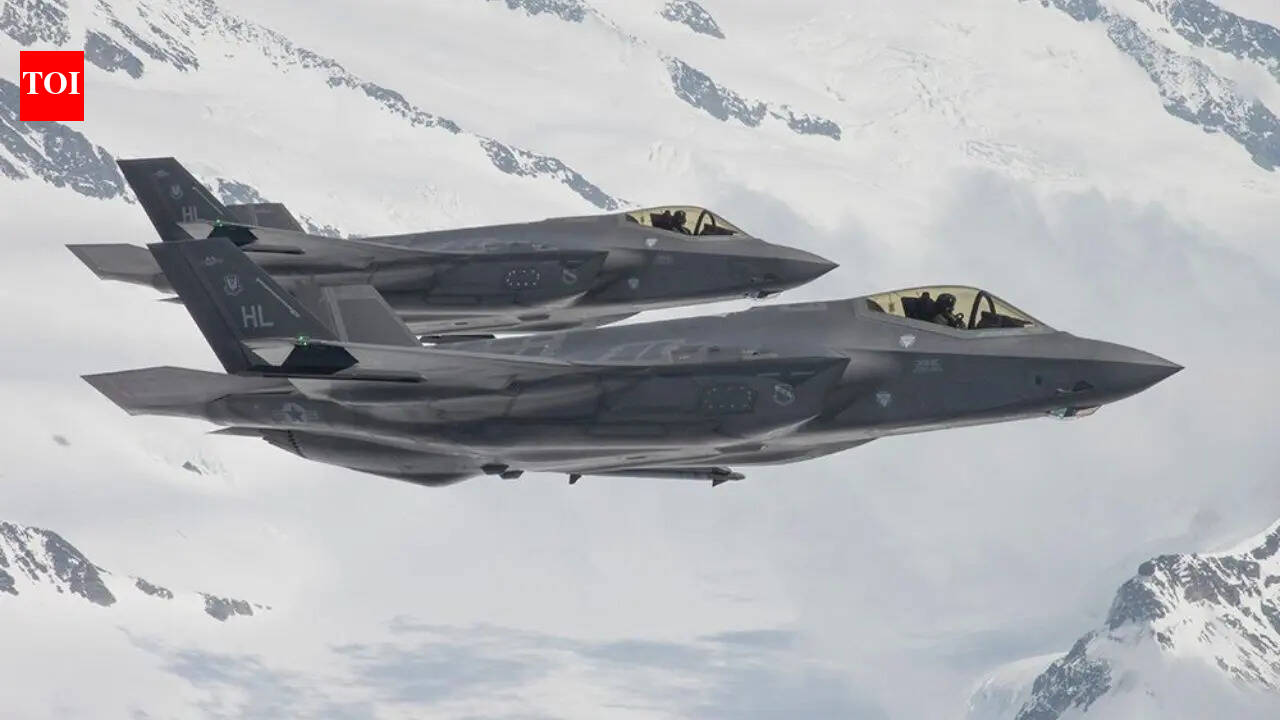
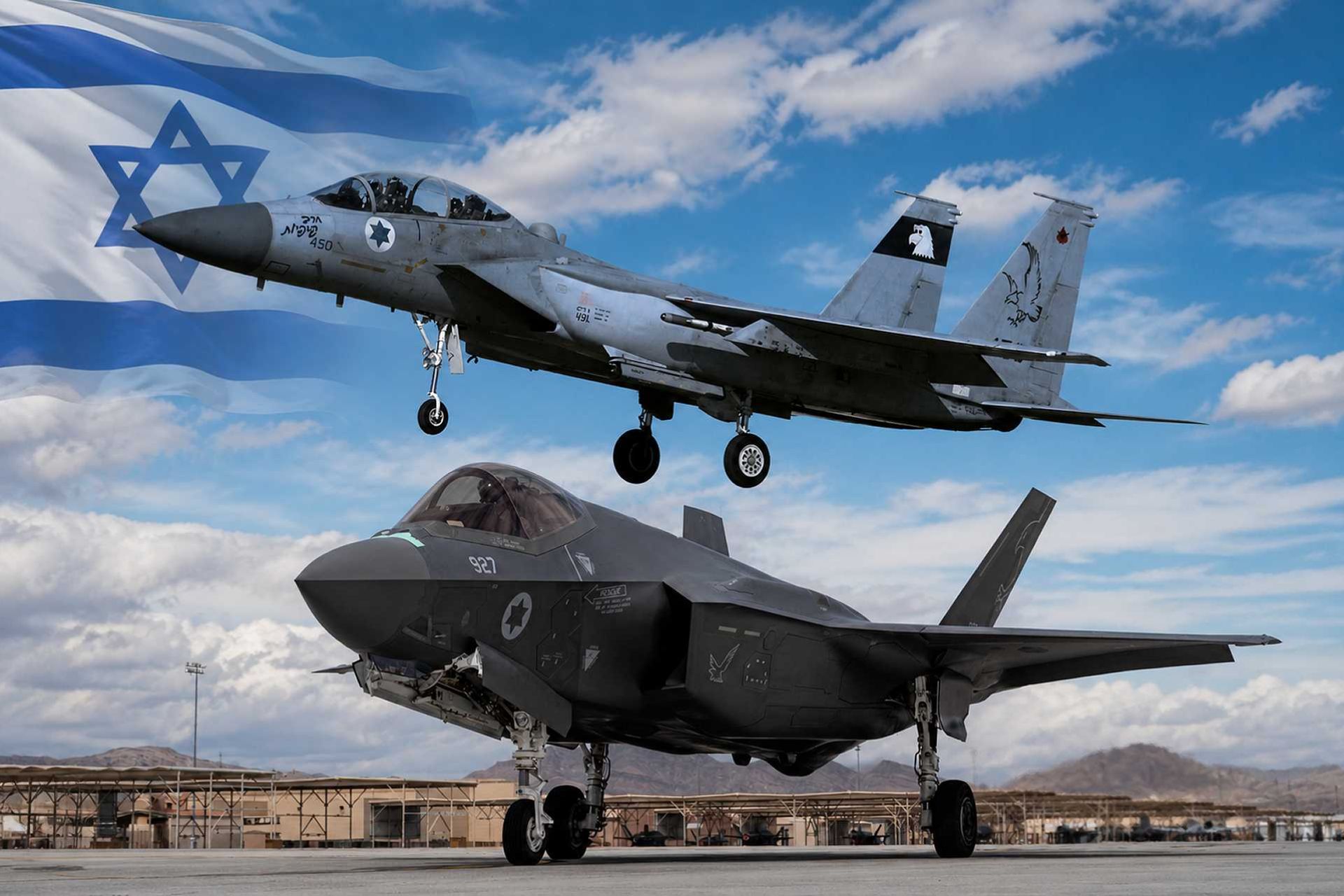
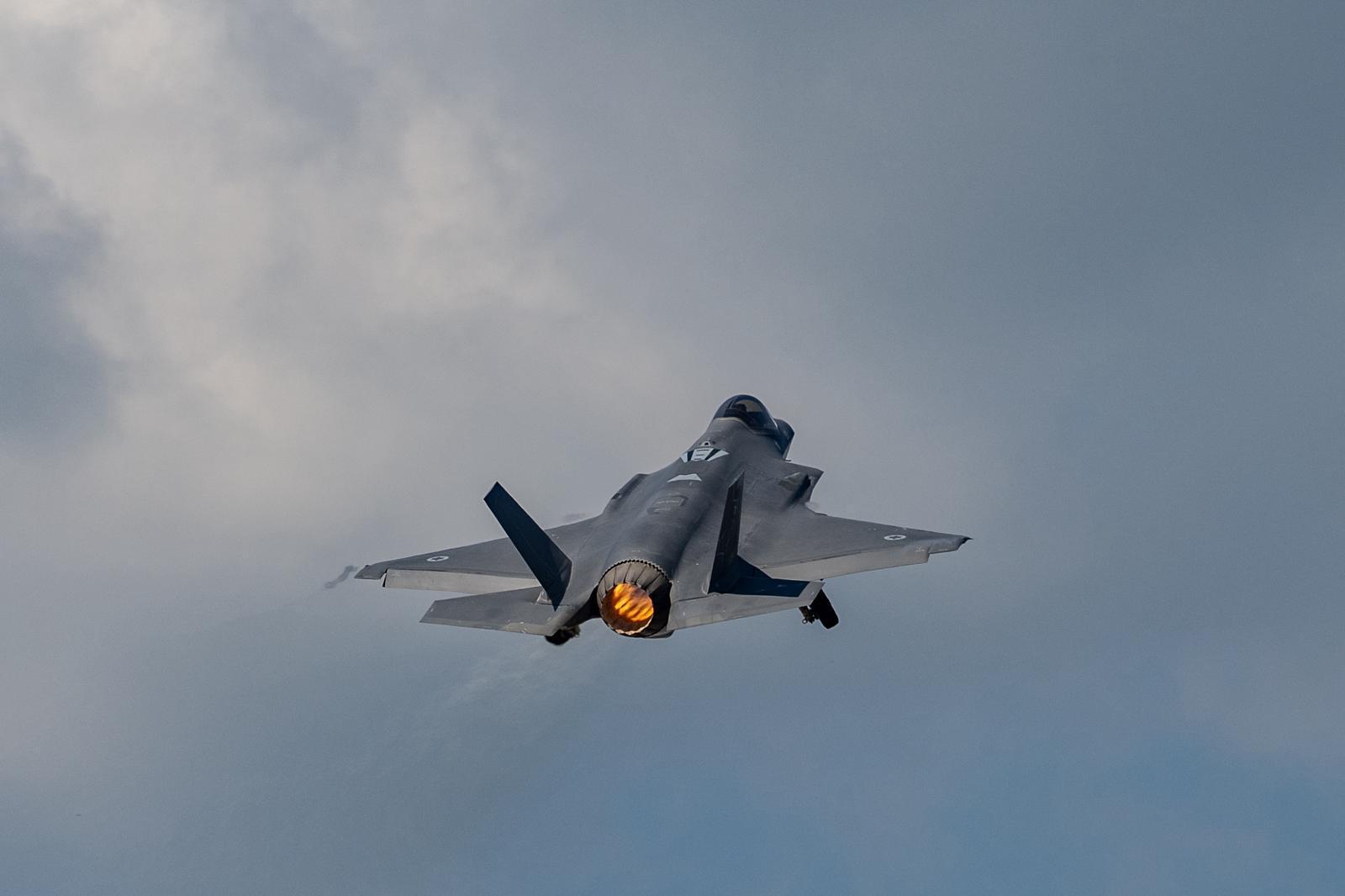
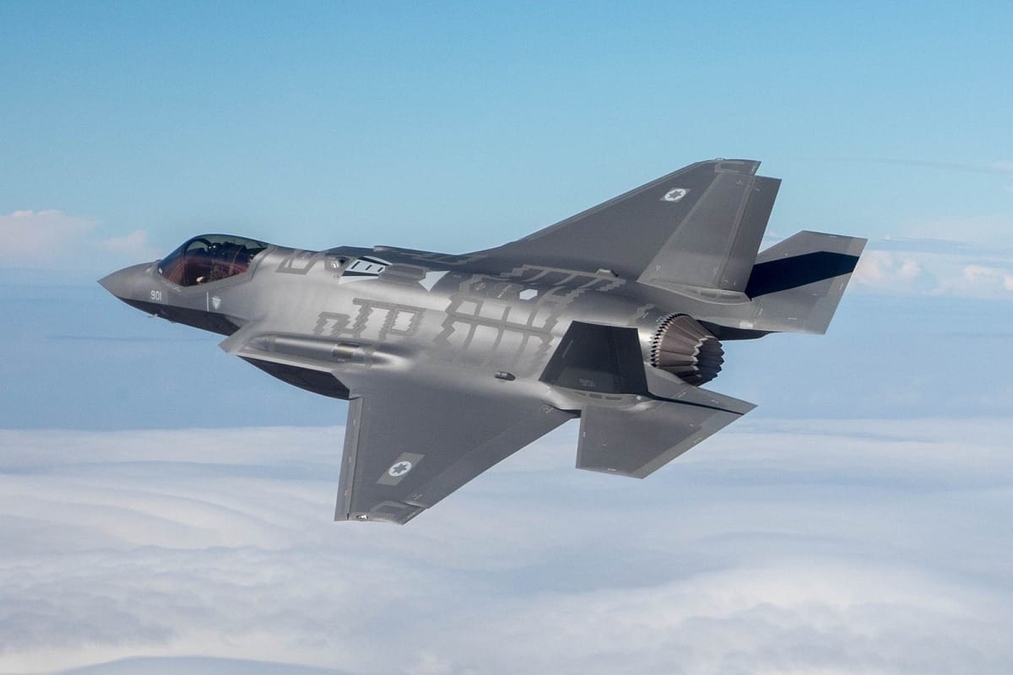
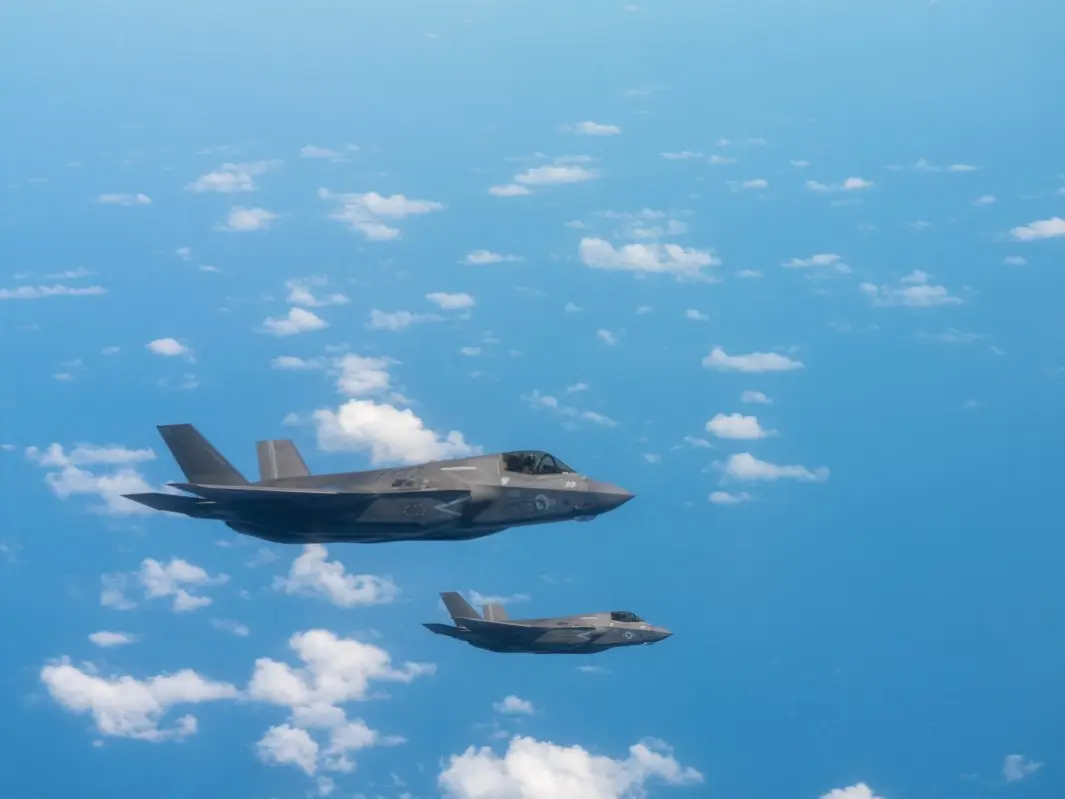
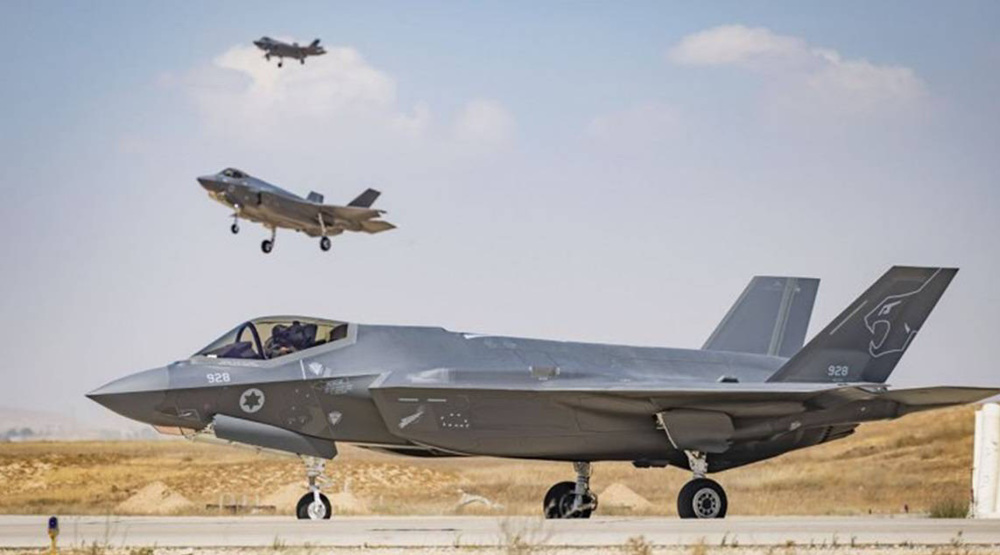
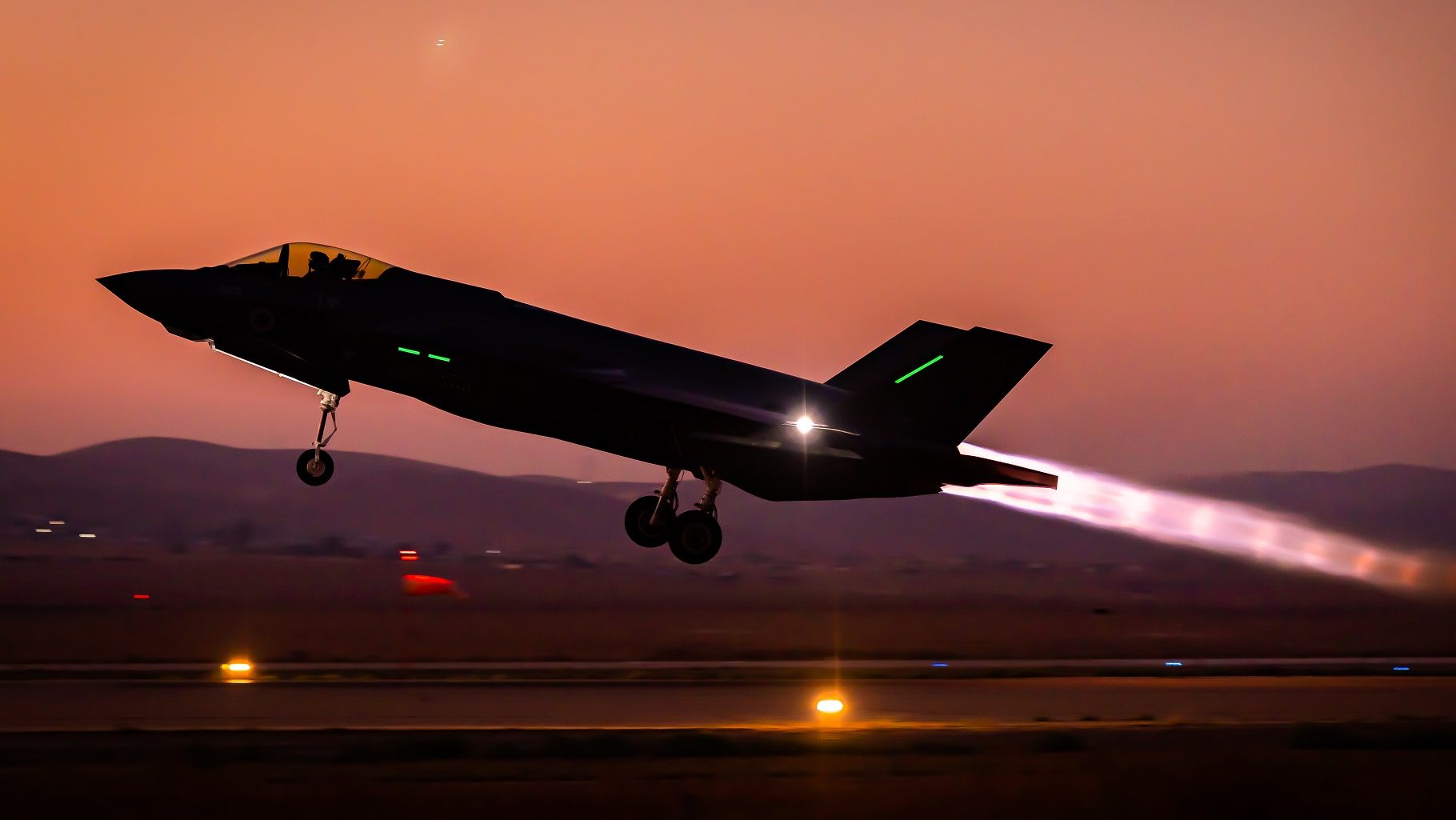
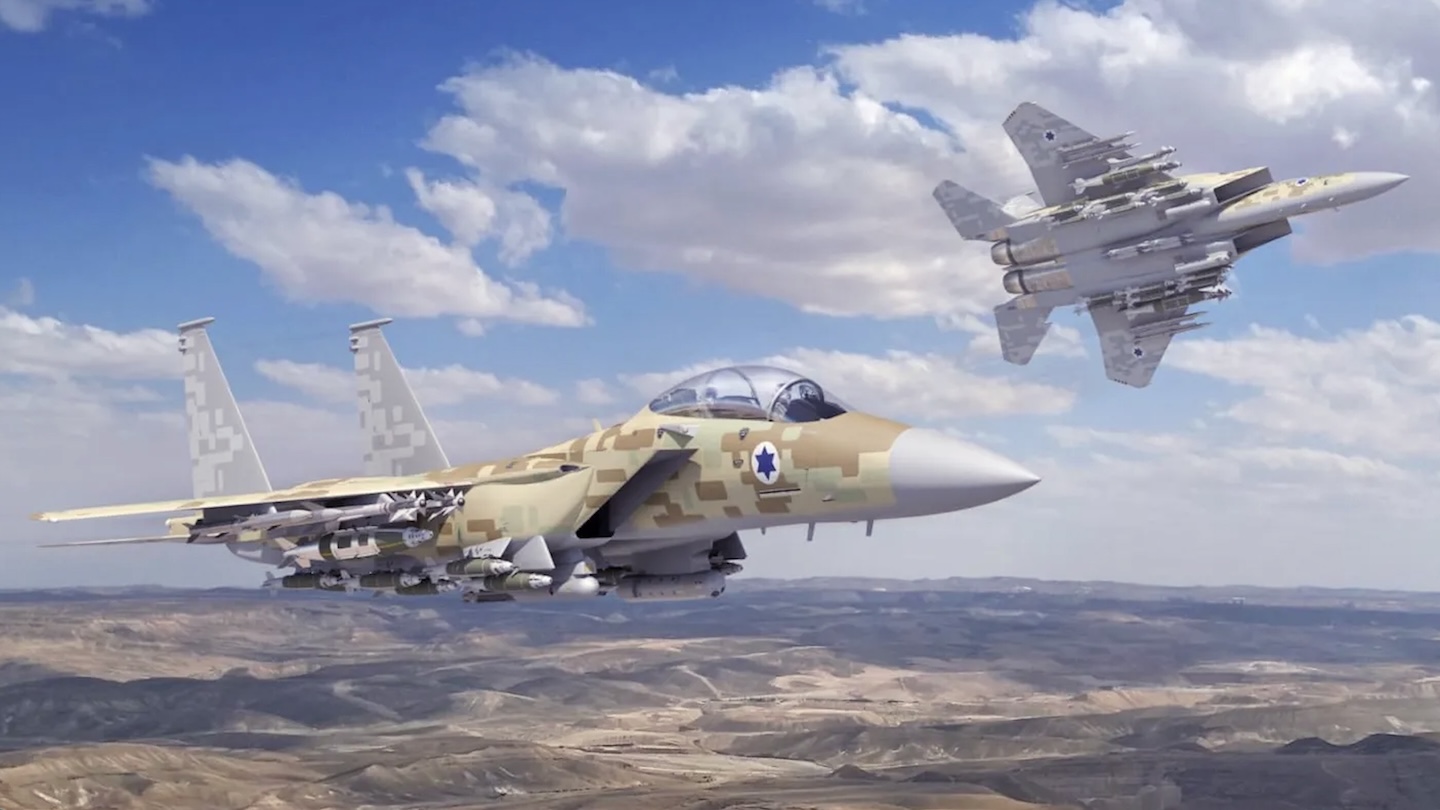
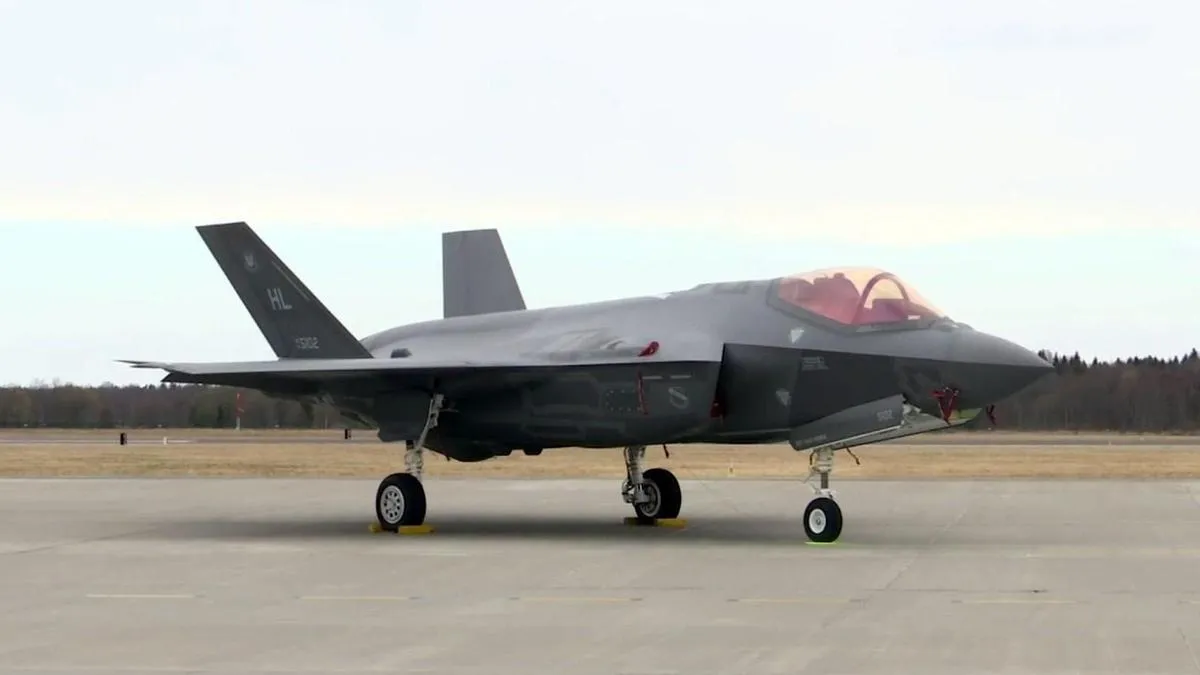
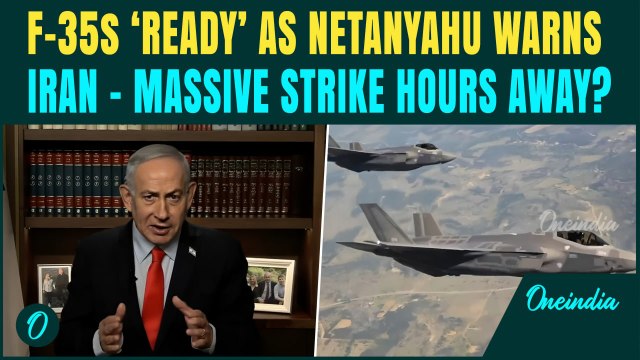
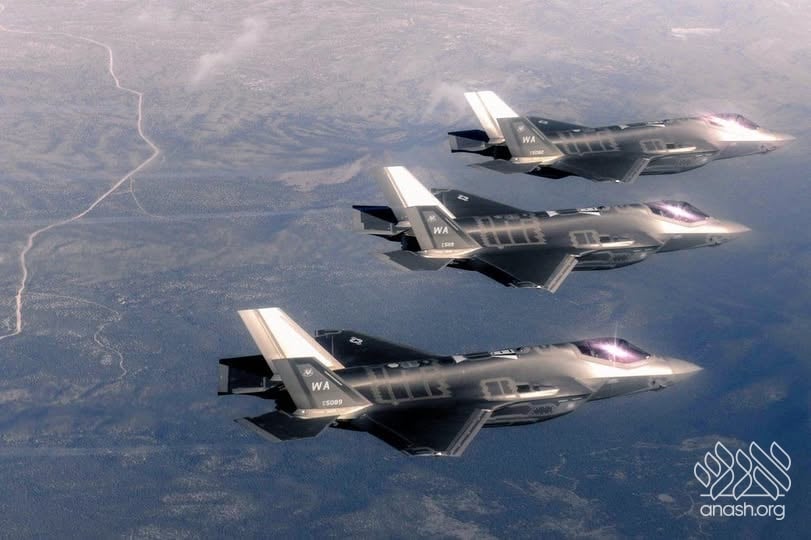
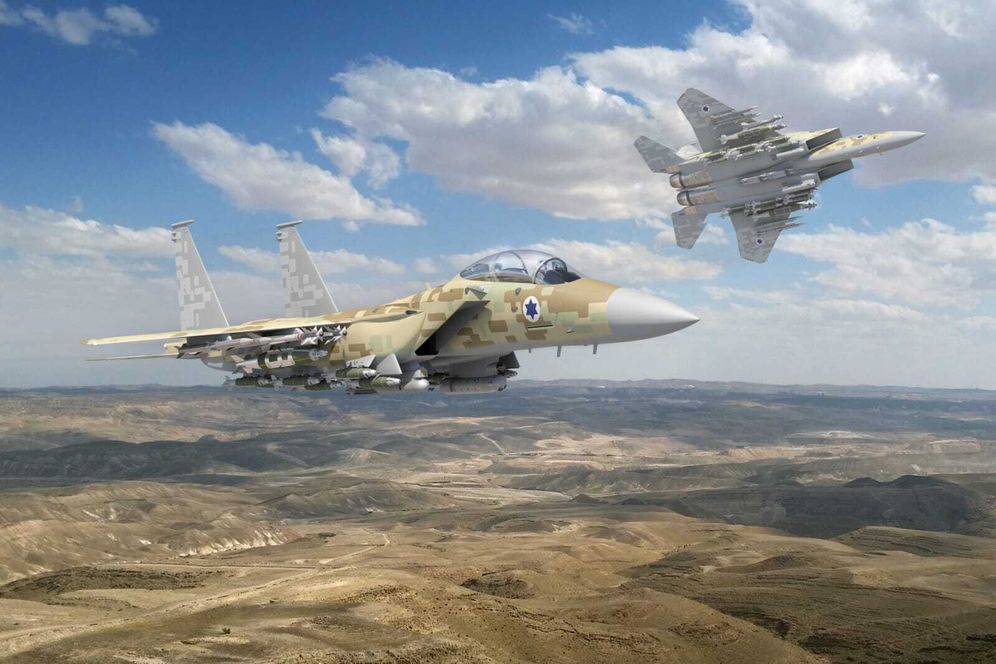
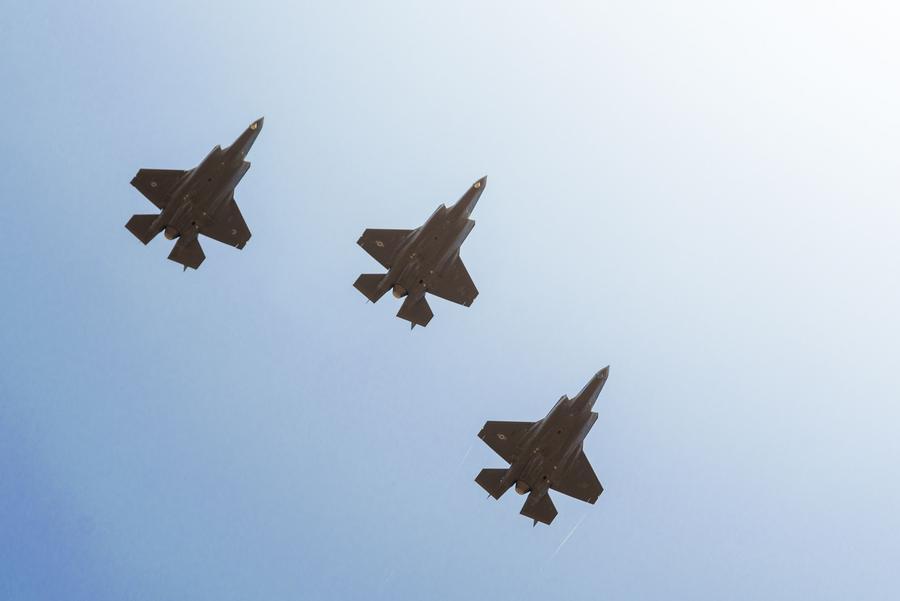
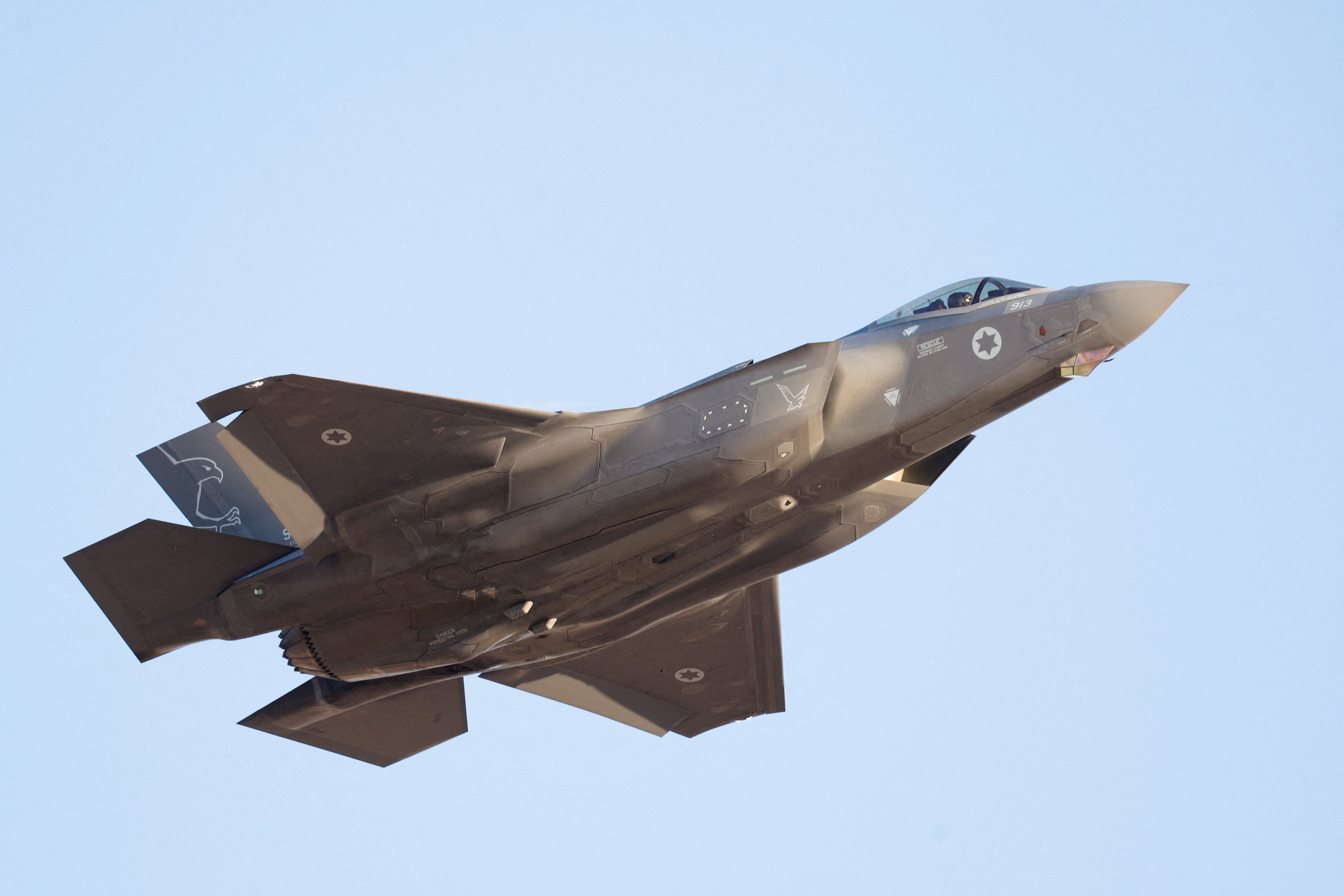
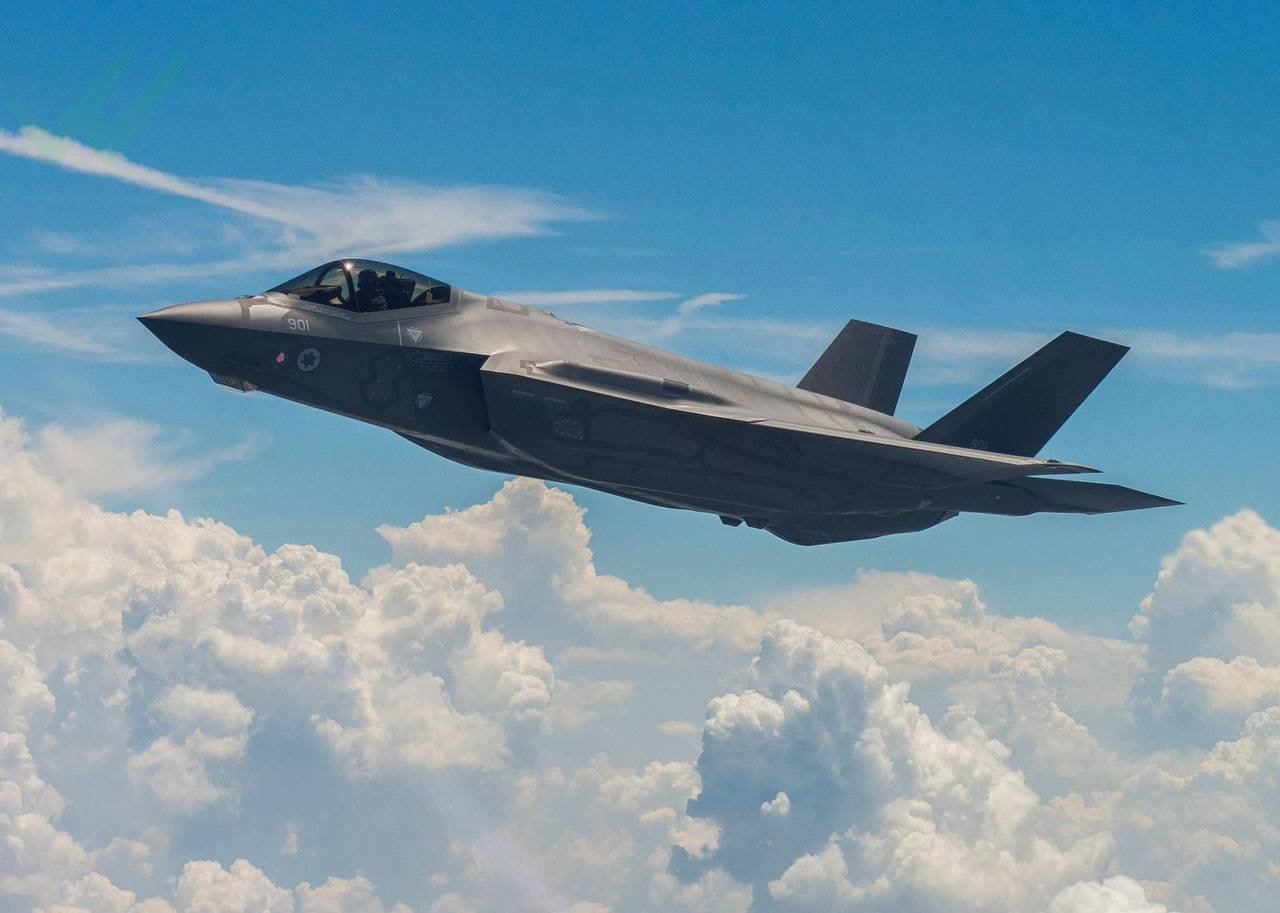
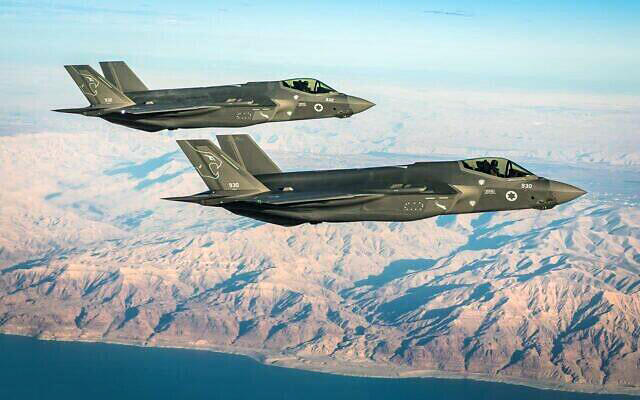
Israel's announcement of a 350-billion-NIS ($95B+) military modernization plan, including acquisition of 25 additional F-35 fighters and 25 F-15IA jets, represents a significant geopolitical shift with cascading implications for cross-border e-commerce sellers. The procurement—valued at tens of billions of NIS with full fleet integration, sustainment, and logistics support—signals sustained regional military tension following the February 2026 Iran conflict, creating both supply chain disruptions and emerging market opportunities for sellers.
Supply Chain Rerouting Impact: The military buildup indicates elevated geopolitical risk in the Middle East, directly affecting sellers with manufacturing or logistics operations in Israel, Palestine, Jordan, and surrounding regions. Sellers currently sourcing from or shipping through Israeli ports (Haifa, Ashdod) face potential disruption risks. This creates immediate arbitrage opportunities for sellers to diversify sourcing to alternative Middle Eastern hubs (UAE, Saudi Arabia) or pivot to Southeast Asian suppliers (Vietnam, Thailand) for categories previously sourced from Israel. The 350-billion-NIS commitment over the next decade suggests sustained military spending, indicating long-term regional instability that will reshape logistics corridors.
Defense-Adjacent Product Opportunities: The military expansion drives demand for civilian defense-related products and services. Sellers can capitalize on emerging categories: military-grade electronics and components (HS codes 8542, 8543), precision instruments (HS 9014-9015), protective equipment (HS 6210-6216), and logistics/supply chain management software. Israel's emphasis on "groundbreaking Israeli-made aircraft" signals domestic tech innovation, creating opportunities for sellers to source Israeli-manufactured electronics, optics, and defense technology components for export to allied nations (US, UK, EU). The $1B Advanced Precision Kill Weapon Systems approval indicates sustained US-Israel defense cooperation, opening procurement channels for US-based sellers to supply Israeli defense contractors.
Market Access and Tariff Implications: The military procurement reflects Israel's strategic positioning as a US-allied defense hub. This strengthens Israel's trade relationships with the US, EU, and allied nations, potentially creating preferential tariff treatment for Israeli-origin products. Sellers sourcing from Israeli manufacturers may benefit from reduced tariffs under existing US-Israel Free Trade Agreement provisions. Conversely, sellers with operations in Iran-adjacent regions face potential sanctions complications and tariff escalations. The geopolitical shift also signals potential trade policy changes favoring defense-capable nations, creating opportunities for sellers to pivot toward allied-nation sourcing and away from neutral/adversarial regions.
Competitive Dynamics: Large defense contractors (Lockheed Martin, Boeing) and their supply chain partners gain competitive advantages through increased procurement visibility and contract opportunities. Mid-market sellers specializing in defense electronics, logistics software, and precision manufacturing can position themselves as suppliers to Israeli defense contractors or their international partners. Small sellers should monitor emerging opportunities in military-adjacent consumer products (tactical gear, survival equipment, communications devices) that benefit from increased defense spending and military modernization cycles.
Questions 8
How long will the military procurement cycle create market opportunities for sellers?
Israel's 350-billion-NIS force buildup plan spans the next decade, creating sustained procurement opportunities through 2034+. The announcement represents the 'first major execution step,' indicating multi-year contract awards and supply chain buildouts. Defense procurement cycles typically involve 18-36 month lead times from contract award to full deployment, creating extended windows for suppliers to establish relationships and secure contracts. Sellers should expect peak demand for components and services during 2025-2027 (initial procurement phase), with sustained demand through 2030+ as aircraft are delivered and integrated. The F-35 and F-15IA acquisitions alone represent 50+ aircraft deliveries over 5-7 years, each requiring extensive supply chain support. Sellers should begin positioning for procurement opportunities immediately, as defense contracts are typically awarded to established suppliers with proven compliance records. Timeline: 18-24 months to establish supplier relationships; 3-5 years for sustained revenue.
What compliance requirements apply to sellers exporting defense-related products to Israel?
Sellers exporting defense-related products to Israel must comply with US Export Administration Regulations (EAR) and International Traffic in Arms Regulations (ITAR) if products contain controlled technology. Most military-grade electronics, precision instruments, and defense components require export licenses from the US Department of Commerce or State Department. Sellers should verify HS code classifications and export control status before sourcing or selling. Israel is a Tier 1 ally with streamlined export processes, but compliance is mandatory. Recommended actions: (1) Consult with export compliance counsel to determine if products require licenses; (2) Obtain Commodity Jurisdiction (CJ) determinations for ambiguous products; (3) Implement export control procedures in your supply chain; (4) Maintain documentation for all export transactions. Non-compliance carries severe penalties (criminal prosecution, export privileges revocation, civil fines up to $300,000+ per violation). Begin compliance review immediately if sourcing defense-related products.