




Red Sea Piracy Crisis Reshapes Global Shipping Routes | Sellers Must Reroute Now
- Fourth hijacking in 2 weeks forces 15-25% shipping cost increases and 2-3 week delays on Asia-Europe routes




















Overview
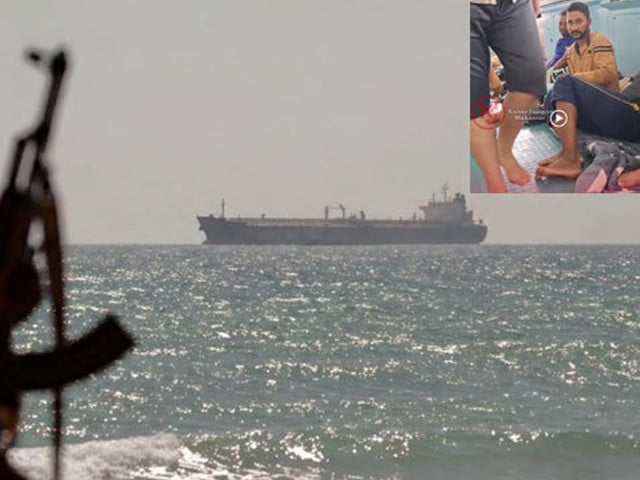
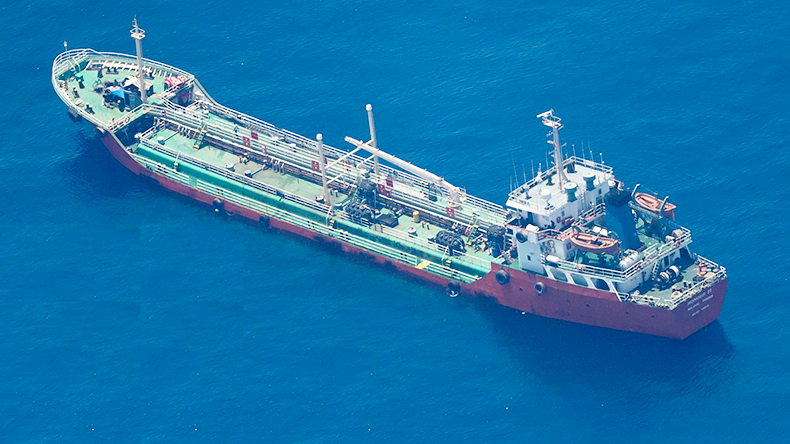
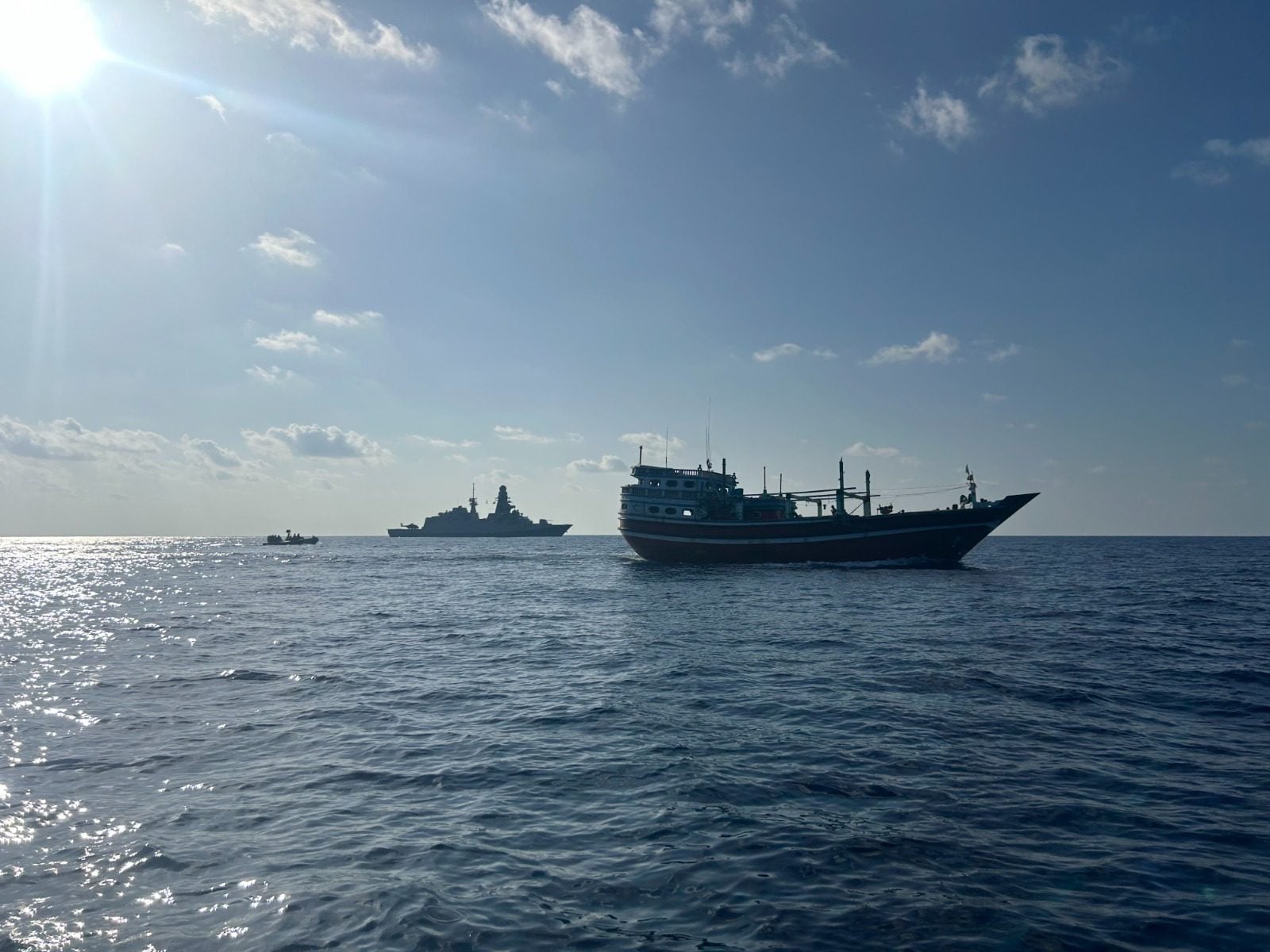
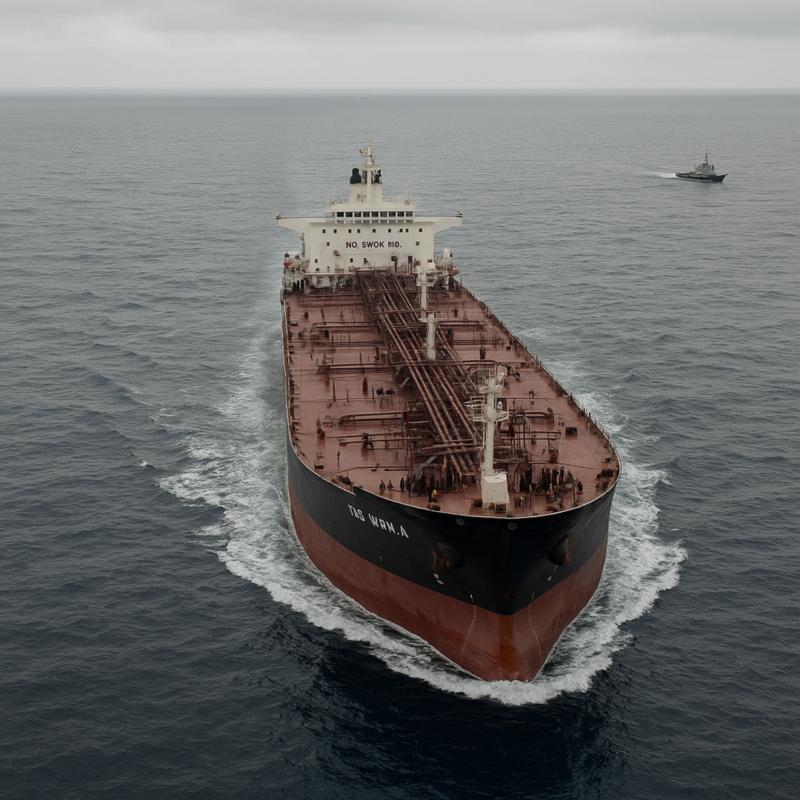
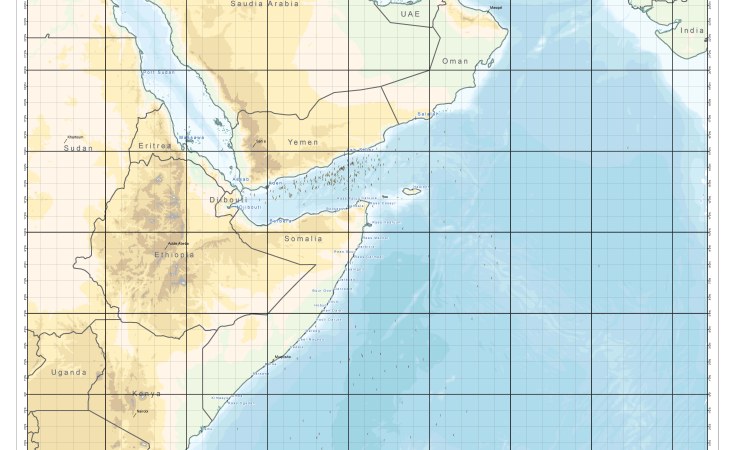
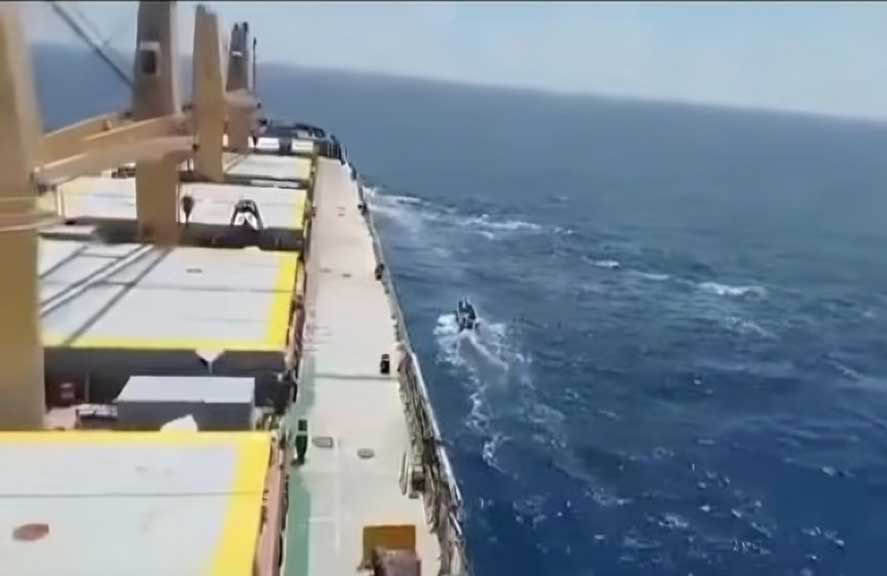
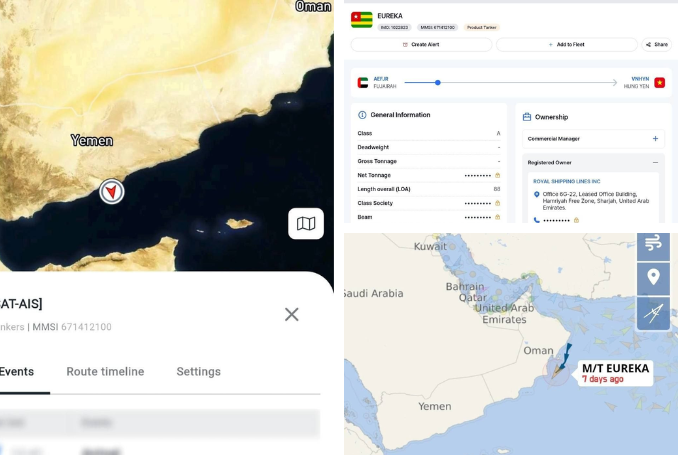
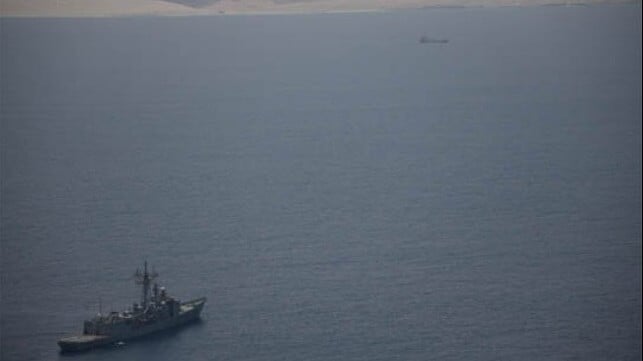
The resurgence of Somali piracy in the Gulf of Aden represents a critical logistics inflection point for cross-border e-commerce sellers. Four successful vessel hijackings in two weeks—including the MT Eureka (April 23) and Honor 25 (April 22)—signal a fundamental shift in maritime security that directly impacts landed costs, inventory positioning, and fulfillment timelines for sellers relying on Asia-Europe-Americas trade corridors.
Immediate Cost Impact: Ocean freight through the Red Sea/Gulf of Aden corridor now carries 15-25% premium pricing due to elevated insurance costs, security surcharges, and vessel rerouting. A standard 20-foot container (TEU) from Shanghai to Rotterdam that cost $2,800-3,200 in Q1 2026 now commands $3,400-4,200 via Suez Canal routes. Sellers avoiding piracy zones must reroute via Cape of Good Hope (additional 10-14 days transit time, +$800-1,200 per TEU). This creates a critical decision point: absorb 18-22% cost increases or accept 2-3 week delivery delays.
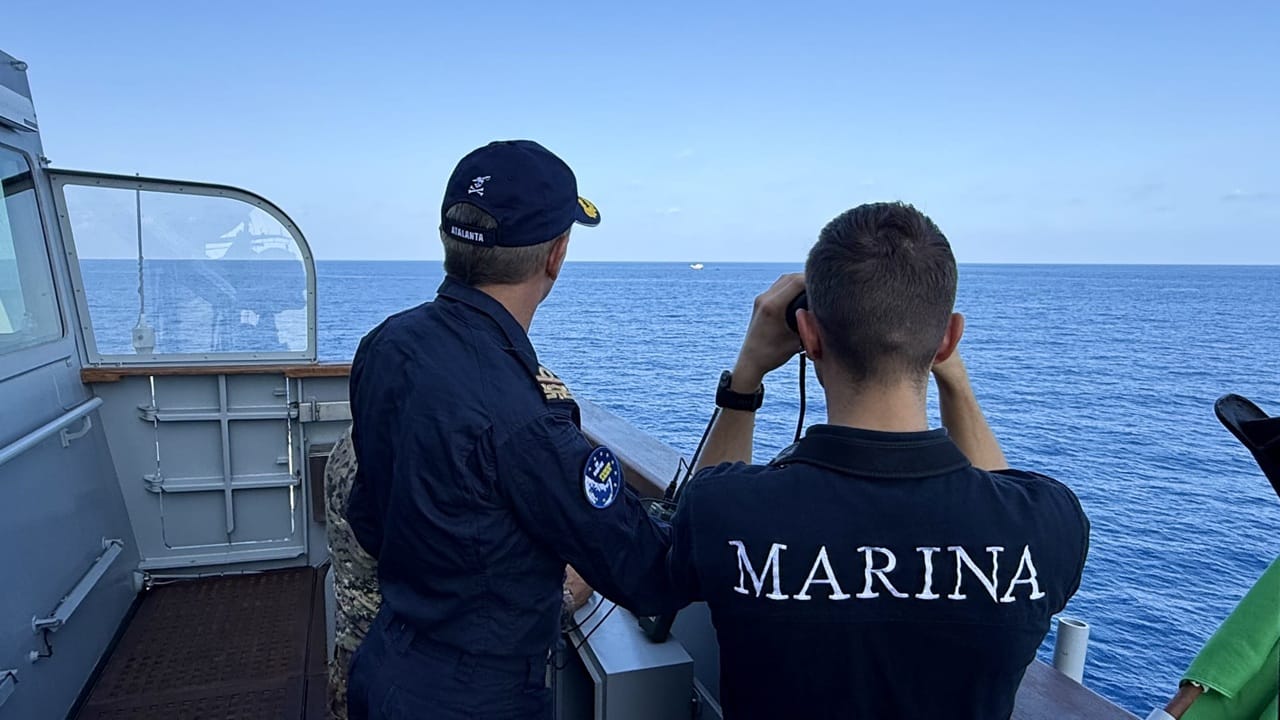
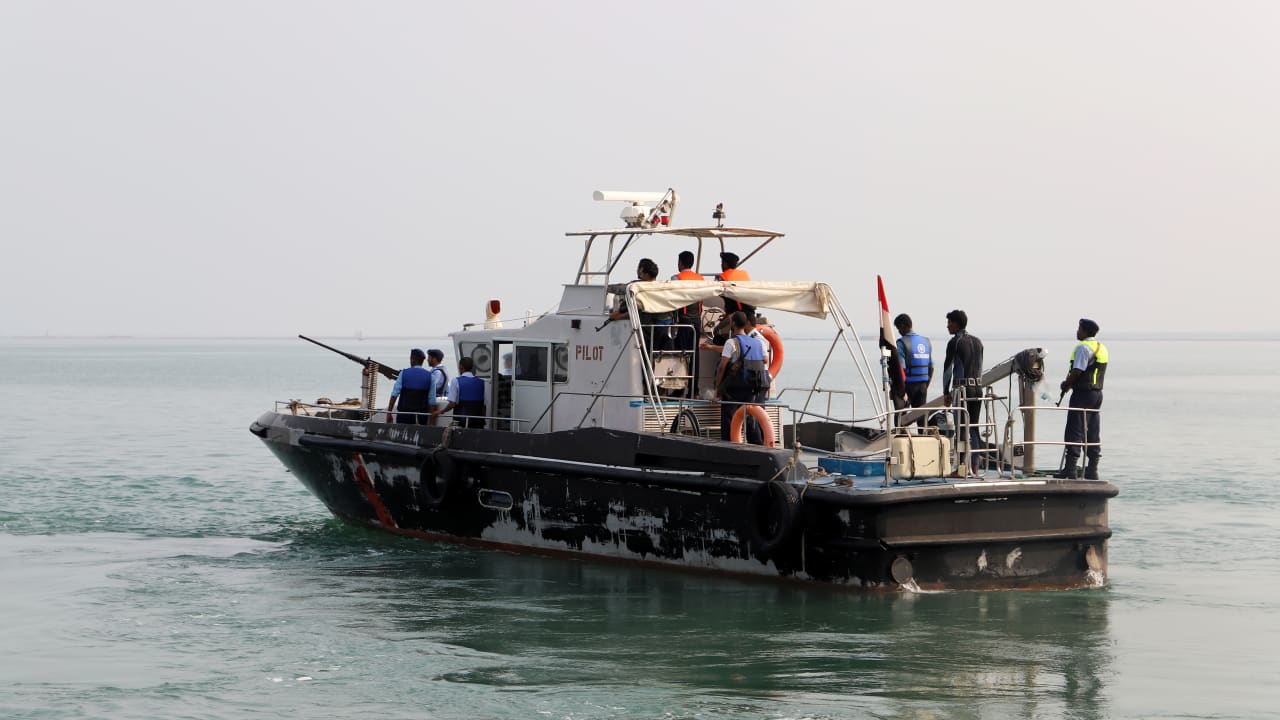
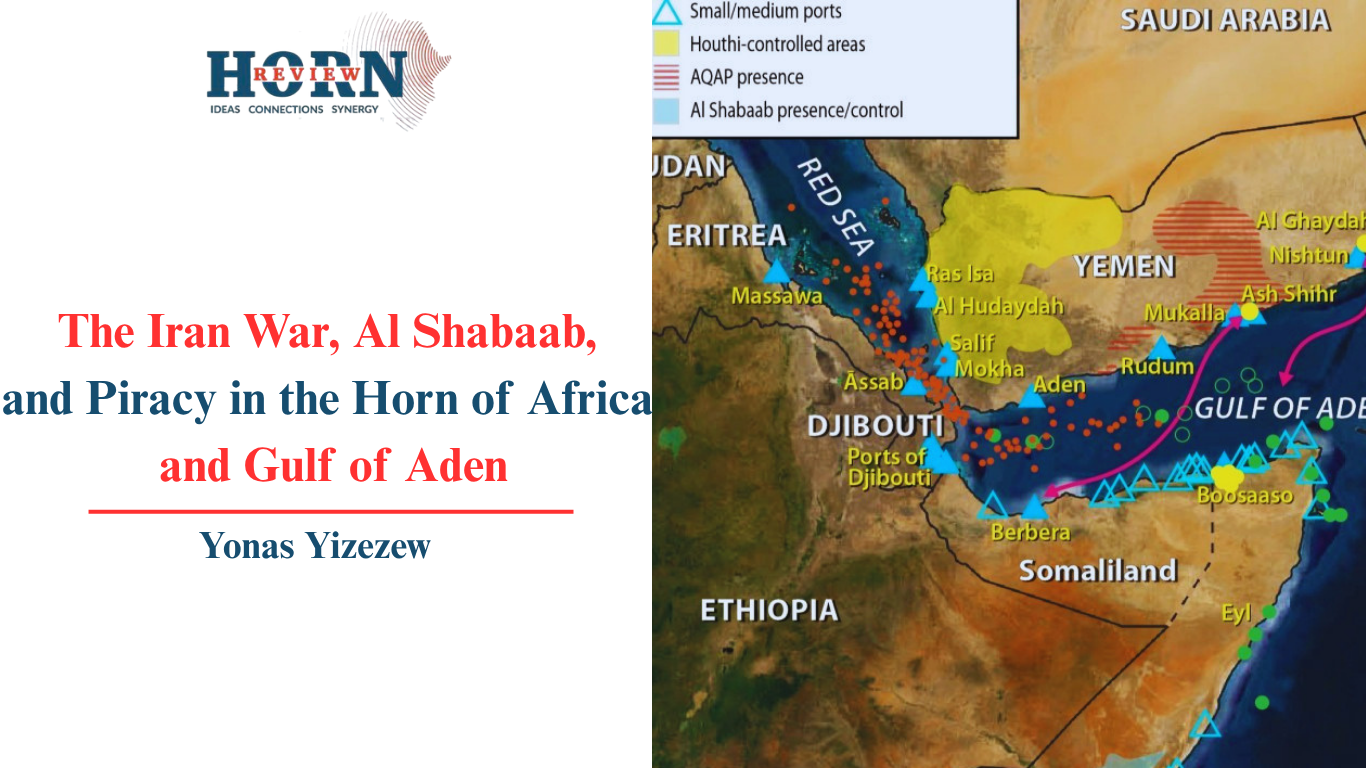
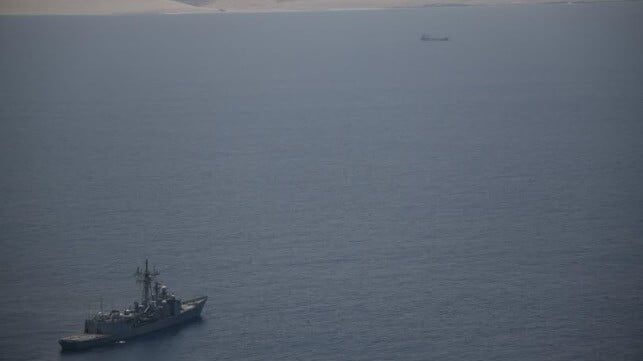
Shipping Route Realities: The security vacuum created by international naval forces focusing on Houthi threats (not traditional piracy) has enabled Somali pirates to expand operations across Somalia's 3,333km coastline. The fourth hijacking in two weeks indicates operational scaling, not isolated incidents. Carriers including Maersk, MSC, and CMA CGM are implementing mandatory armed escort protocols (+$5,000-8,000 per transit) and rerouting non-essential cargo away from high-risk zones. This bifurcates the market: premium-speed routes (Suez, armed escort) cost 20-25% more; slow-route alternatives (Cape of Good Hope) add 10-14 days but save 8-12% on freight.
Seller Segmentation Impact: High-velocity sellers (electronics, apparel, seasonal goods) face margin compression of 3-5% if absorbing freight premiums. Low-velocity, high-margin categories (luxury goods, collectibles, specialty items) can sustain rerouting costs. Sellers with 60+ day inventory windows should shift to Cape of Good Hope routes immediately; those with 30-day windows must evaluate armed escort premiums vs. margin impact. Inventory positioned in Middle East hubs (Dubai, Jebel Ali) becomes stranded—rerouting adds 2-3 weeks and $400-600 per unit in additional handling.
Strategic Positioning: Sellers should immediately audit their supply chain: (1) Identify which SKUs transit Red Sea routes, (2) Calculate breakeven between premium Suez routing vs. Cape rerouting, (3) Shift high-velocity inventory to alternative sourcing regions (Vietnam, India, Mexico) with direct non-Red Sea routes, (4) Increase safety stock in destination warehouses (US, EU) by 2-3 weeks to buffer transit delays. The piracy crisis creates a 60-90 day window where sellers who reposition inventory early gain competitive advantage through lower landed costs and faster fulfillment.
Questions 8
What product categories are most affected by piracy-driven shipping costs?
Low-margin, high-velocity categories (electronics, apparel, home goods) face 3-5% margin compression if absorbing freight premiums. High-margin categories (luxury goods, collectibles, specialty items, premium beauty) can sustain rerouting costs. Seasonal goods (holiday merchandise, summer apparel) with compressed sourcing windows cannot absorb 2-3 week delays—these must use premium Suez routing despite cost increases. Bulk commodities and slow-moving inventory should shift to Cape of Good Hope routes. Sellers should segment inventory by margin and velocity: premium-margin items use Suez; high-velocity items shift to non-Red Sea sourcing; slow-moving items use Cape routing.
How do I calculate whether to reroute via Cape of Good Hope or pay Suez premiums?
Compare total landed costs: (1) Suez route: base freight ($2,800) + piracy premium ($400-600) + insurance surcharge ($200-300) + armed escort ($5,000-8,000 per transit) = $8,400-11,700 per TEU. (2) Cape route: base freight ($3,600-4,000) + 10-14 day delay cost (inventory holding at $0.50-1.00 per unit daily) = $4,200-5,500 per TEU for standard goods. For high-velocity items (turnover >8x annually), Suez premiums are justified; for slow-moving items (turnover <3x annually), Cape routing saves 35-45% on landed costs. Calculate your category's inventory holding cost and compare against freight premium differential.