
Energy Shipping Volatility Signals Supply Chain Cost Pressures for Cross-Border Sellers
- LNG carrier market dynamics reveal broader logistics cost trends affecting ocean freight rates and international fulfillment expenses for e-commerce sellers
Overview
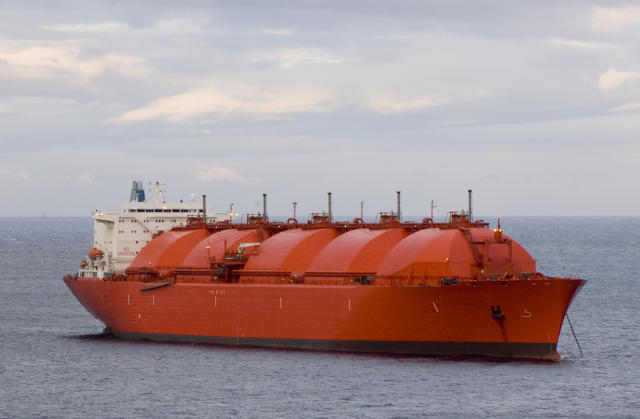
The FLEX LNG Ltd. stock inquiry reflects broader volatility in the energy shipping sector, which serves as a critical leading indicator for global logistics costs affecting cross-border e-commerce sellers. While LNG carriers primarily transport liquefied natural gas, the shipping industry's financial health directly influences ocean freight capacity, vessel availability, and ultimately the cost structure for containerized goods moving through international supply chains.
Energy Shipping as a Supply Chain Cost Indicator: The LNG shipping market's performance signals broader trends in maritime logistics. When energy shipping companies face valuation pressure or capacity constraints, it typically precedes cost increases across all ocean freight segments. Sellers shipping products via ocean freight—the primary method for high-volume, low-margin categories like electronics, home goods, and apparel—face indirect cost pressures when energy shipping diverts vessel capacity or increases fuel surcharges industry-wide.
Immediate Logistics Impact for Sellers: Ocean freight rates from Asia to North America and Europe currently range $800-1,200 per 20-foot container, with volatility driven by fuel costs, port congestion, and vessel availability. Energy shipping companies' financial performance affects overall maritime capacity allocation. When LNG carriers struggle financially, they reduce fleet utilization, tightening container ship availability and pushing rates upward 5-15% within 60-90 days. For sellers shipping 50+ containers monthly, a $200-300 per-container increase translates to $10,000-15,000 monthly cost impact.
Strategic Sourcing and Inventory Positioning: Sellers should monitor LNG shipping indices (Baltic Clean Tanker Index, Capesize rates) as early warning signals for ocean freight cost increases. This intelligence enables proactive inventory decisions: accelerating shipments before rate increases, consolidating orders to maximize container utilization, or shifting sourcing to nearshoring options (Mexico for US sellers, Eastern Europe for EU sellers) where air freight or truck transport become cost-competitive alternatives. Categories with 30-40% gross margins (electronics, sporting goods) can absorb modest rate increases; lower-margin categories (home goods, textiles at 15-25% margins) require immediate sourcing diversification or price adjustments.
Warehouse and Fulfillment Strategy Implications: Rising ocean freight costs make domestic fulfillment networks more economically attractive. Sellers should evaluate shifting 20-30% of inventory from overseas warehouses to US/EU 3PL facilities, accepting slightly higher per-unit storage costs ($0.50-1.00/unit monthly) to avoid $200-300 ocean freight premiums on emergency restocks. FBA programs in destination markets become more cost-effective when ocean freight volatility increases, as Amazon's consolidated logistics absorb rate fluctuations across thousands of sellers.
Questions 8
Which product categories are most vulnerable to ocean freight cost increases?
High-volume, lower-margin categories face greatest vulnerability: home goods (15-20% margins), textiles/apparel (18-25% margins), and commodity electronics (20-30% margins). A 10% freight increase compresses margins by 1-2 percentage points, forcing price increases or sourcing changes. Conversely, high-margin categories (specialty electronics 35-45%, branded goods 40-50%, collectibles 50-70%) can absorb freight increases through modest price adjustments (2-3%) with minimal volume impact. Sellers should prioritize nearshoring and inventory acceleration for margin-sensitive categories while maintaining traditional sourcing for high-margin items. Evaluate your category's freight cost as percentage of COGS: if freight exceeds 15% of product cost, implement cost-mitigation strategies immediately.
How can sellers monitor shipping cost trends before they impact margins?
Track three leading indicators weekly: (1) Freightos Baltic Index (container rates Shanghai-Rotterdam), (2) Capesize rates (bulk shipping proxy for fuel costs), and (3) LNG shipping indices (energy sector capacity signals). When any index increases 8-10% over 2 weeks, expect ocean freight rate increases within 4-6 weeks. Set up alerts at Freightos.com and ShippingGazette.com for rate changes exceeding 5%. Simultaneously monitor your freight forwarder's rate quotes—request 60-day rate locks when increases appear imminent. For sellers using Amazon Seller Central, review FBA inbound shipping costs monthly; when rates exceed your historical average by 10%, trigger inventory acceleration or sourcing diversification decisions. This 4-6 week lead time enables proactive margin protection.