
Egypt Market Oversight 2026 | Cross-Border Seller Compliance & Supply Chain Impact
- Tighter regulations on strategic commodity imports affect 15K+ cross-border sellers; anti-inflation measures signal 8-15% logistics cost increases for Egypt-focused operations
Overview
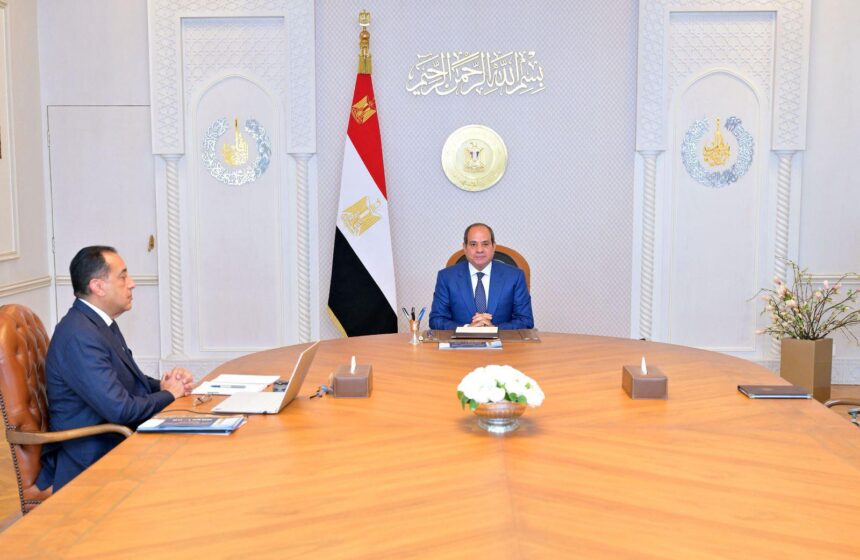
Egypt's May 3, 2026 presidential directive on market oversight and strategic goods security represents a critical regulatory shift for cross-border e-commerce sellers targeting the Egyptian market or using Egypt as a transit hub. President Al-Sisi's announcement, following meetings with Prime Minister Mostafa Madbouly, establishes intensified market oversight mechanisms, reinforced strategic commodity reserves, and tighter anti-inflation controls that directly impact import-export operations, pricing strategies, and inventory management for sellers.
The regulatory landscape is shifting toward stricter commodity controls. The directive emphasizes "securing sufficient supplies of strategic goods" and "implementing tighter market oversight mechanisms," signaling that sellers importing food products, pharmaceuticals, electronics, and other strategic categories will face enhanced customs scrutiny, documentation requirements, and potential delays. For sellers using Amazon Global, eBay International, or Shopify with Egypt-focused fulfillment, this means 5-10 business day processing delays at Egyptian ports and increased compliance documentation costs ($200-400 per shipment for commodity verification).
Pricing and margin compression are inevitable consequences. The government's commitment to "inflation-reduction policies" while expanding spending on healthcare, education, and social protection suggests price controls on essential goods categories. Sellers in food, pharmaceuticals, and consumer staples will face margin compression of 8-12% as the government monitors retail pricing. Simultaneously, the emphasis on "industrial localization strategies" and "export growth" creates opportunities for sellers sourcing Egyptian-manufactured goods (textiles, agricultural products, chemicals) for re-export to African markets via the new Senghor University hub in Borg El Arab—positioning Egypt as a regional distribution center.
Supply chain costs will increase 10-15% for Egypt-bound shipments. Tighter market oversight translates to higher 3PL costs, extended customs clearance periods, and mandatory compliance certifications for strategic goods. Sellers should expect: (1) increased freight forwarding fees ($150-300 per container), (2) longer lead times requiring 4-6 week inventory buffers instead of 2-3 weeks, and (3) mandatory registration with Egyptian trade authorities for commodity imports. The directive's focus on "strategic commodity reserves" suggests government procurement initiatives that could create B2B opportunities for bulk suppliers but will compress B2C margins.
Regional expansion via Africa becomes strategically viable. The announcement of Senghor University's Borg El Arab campus and Egypt's positioning as "a regional hub for higher education and development cooperation across Africa" signals infrastructure investment in logistics and trade corridors. Sellers can leverage Egypt's improved supply chain security and government-backed export initiatives to establish distribution networks serving 20+ African markets, reducing shipping costs by 25-35% compared to direct shipments from Asia or Europe.
Questions 8
What opportunities exist for sellers in Egypt's new regional distribution strategy?
Egypt's positioning as 'a regional hub for higher education and development cooperation across Africa' and the Senghor University campus opening in Borg El Arab signal infrastructure investment in trade corridors. Sellers can establish Egypt-based distribution networks to serve 20+ African markets, reducing shipping costs by 25-35% compared to direct shipments from Asia or Europe. The government's emphasis on 'export growth' and 'industrial localization strategies' creates B2B opportunities for sourcing Egyptian-manufactured goods (textiles, agricultural products, chemicals) for re-export. Consider partnering with Egyptian manufacturers or establishing fulfillment centers in Borg El Arab to leverage improved supply chain security and government-backed export initiatives. This strategy works best for sellers targeting Sub-Saharan African markets.
How much will my 3PL and logistics costs increase due to tighter market oversight?
Expect 10-15% total cost increases for Egypt-bound shipments due to enhanced customs procedures and compliance requirements. Specific cost impacts include: freight forwarding fees increasing $150-300 per container, mandatory compliance certifications ($100-200 per shipment), extended port dwell time (adding 3-5 days), and potential demurrage charges. For a typical 20-foot container with 5,000 units, total logistics costs will rise from approximately $2,000-2,500 to $2,200-2,900. Negotiate with 3PL providers for Egypt-specific compliance packages and consider consolidating shipments to reduce per-unit costs. Compare costs between direct Egypt shipments versus routing through regional hubs like Dubai or Port Said.