


Retail Self-Checkout Pullback Reshapes Store Operations | Seller Opportunities in 2026
- Major retailers removing 12,000+ self-checkout units; 650 Walmart locations remodeling with staffed checkout focus; creates opportunities for POP-UP retail, experiential shopping, and O2O conversion strategies in modernized stores













Overview
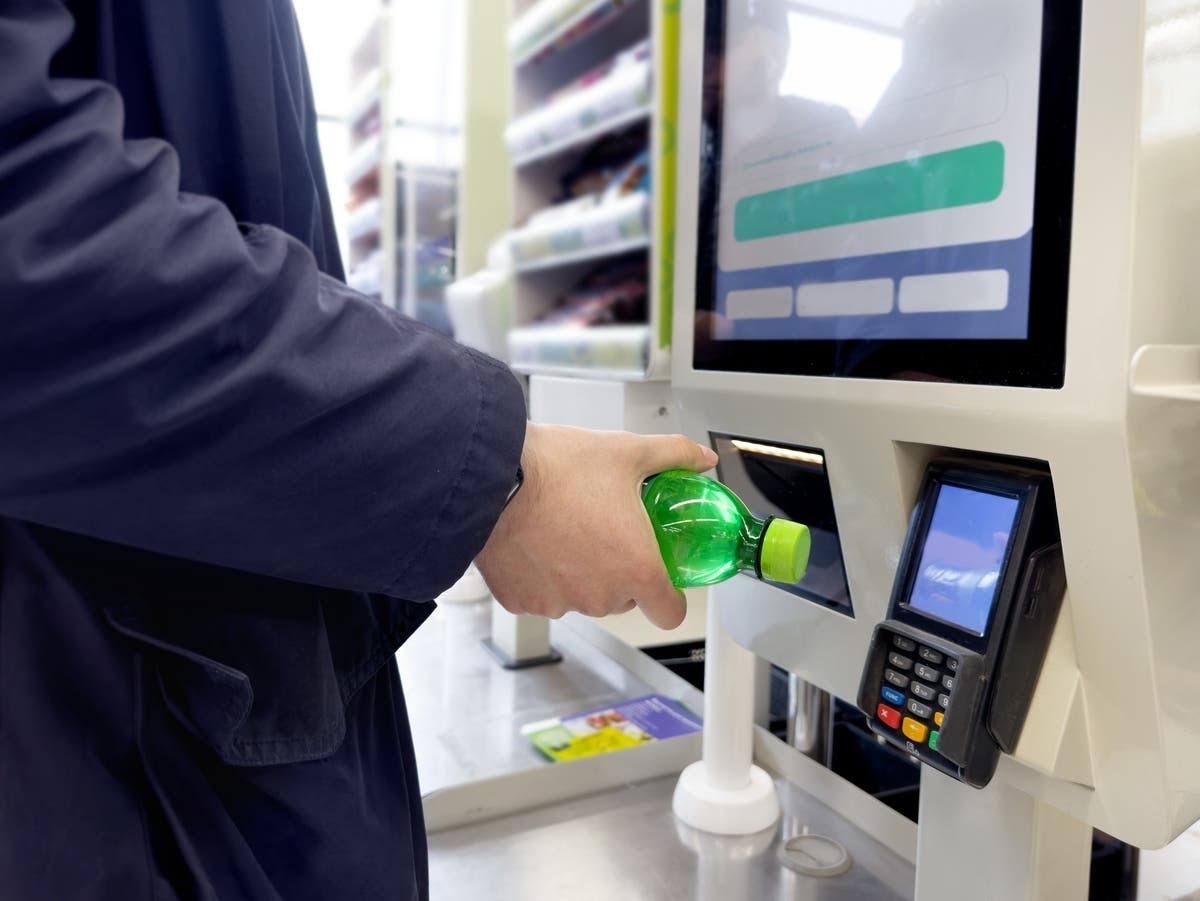
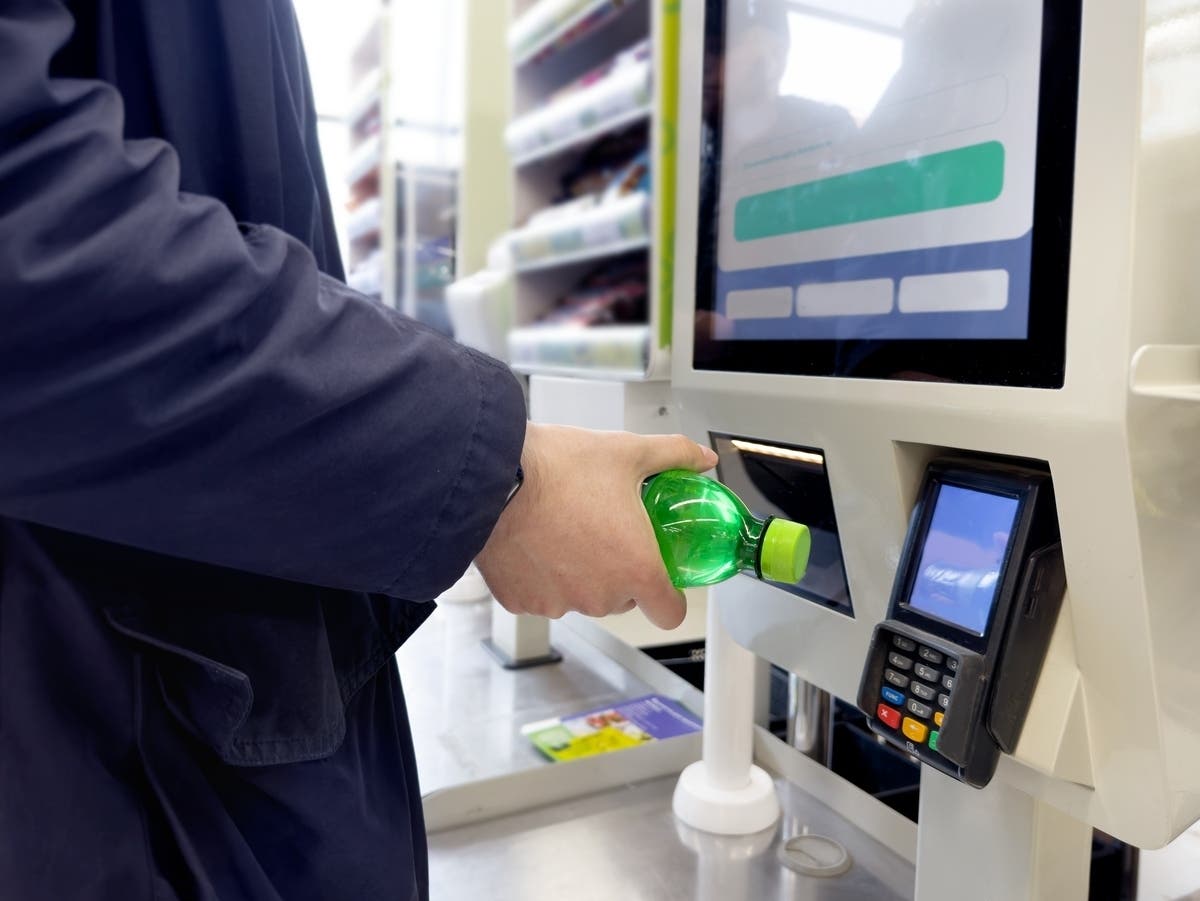
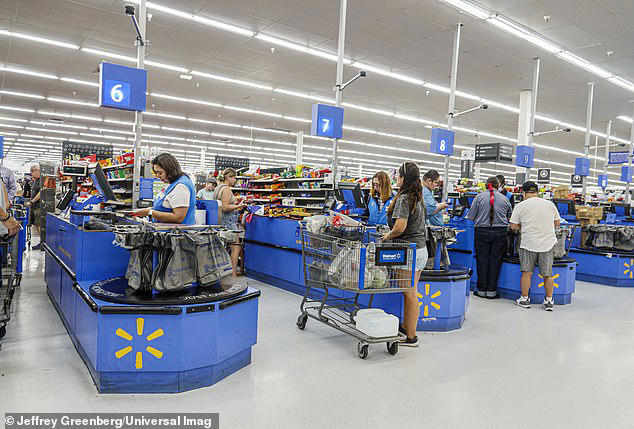
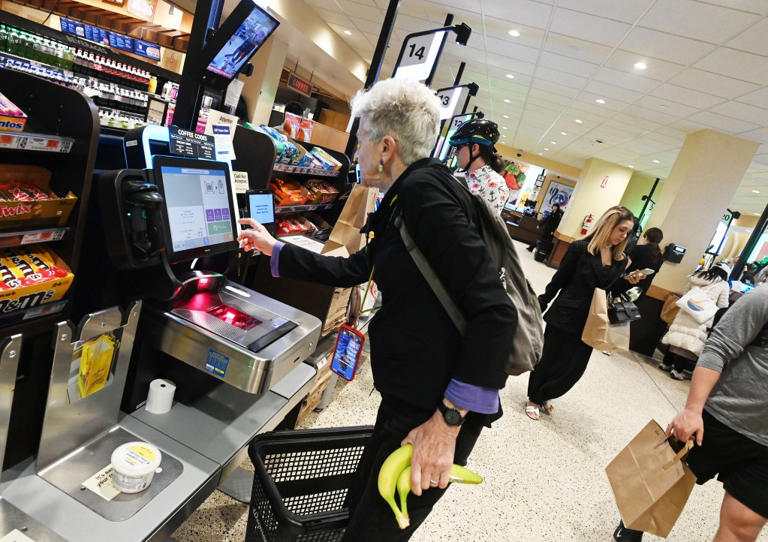
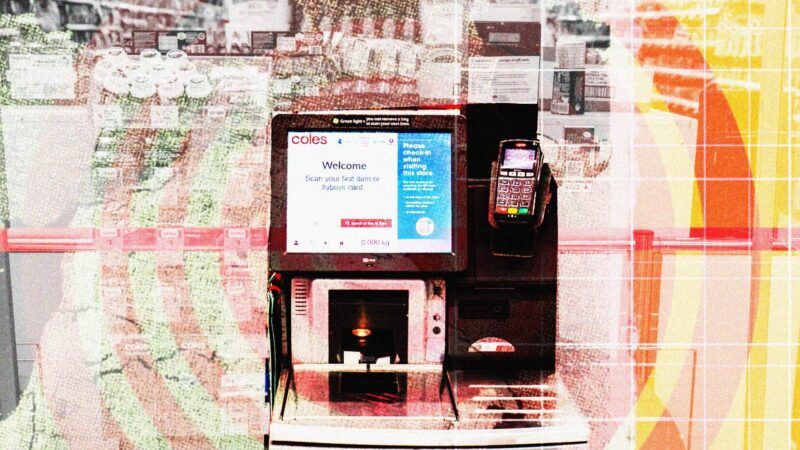
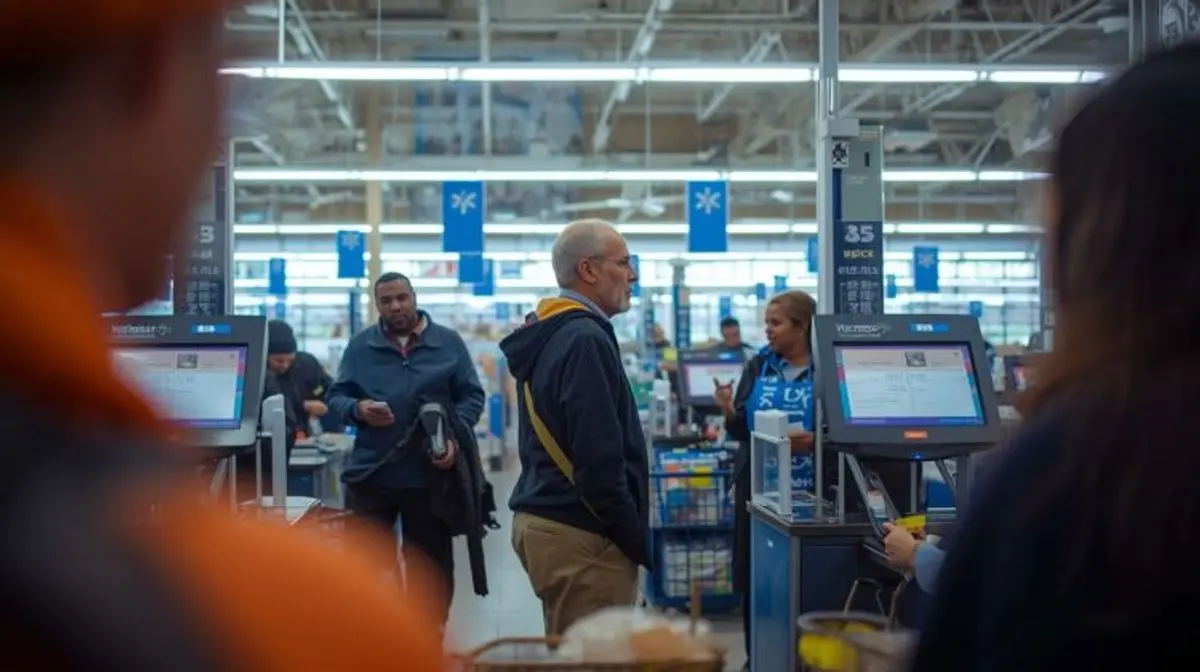
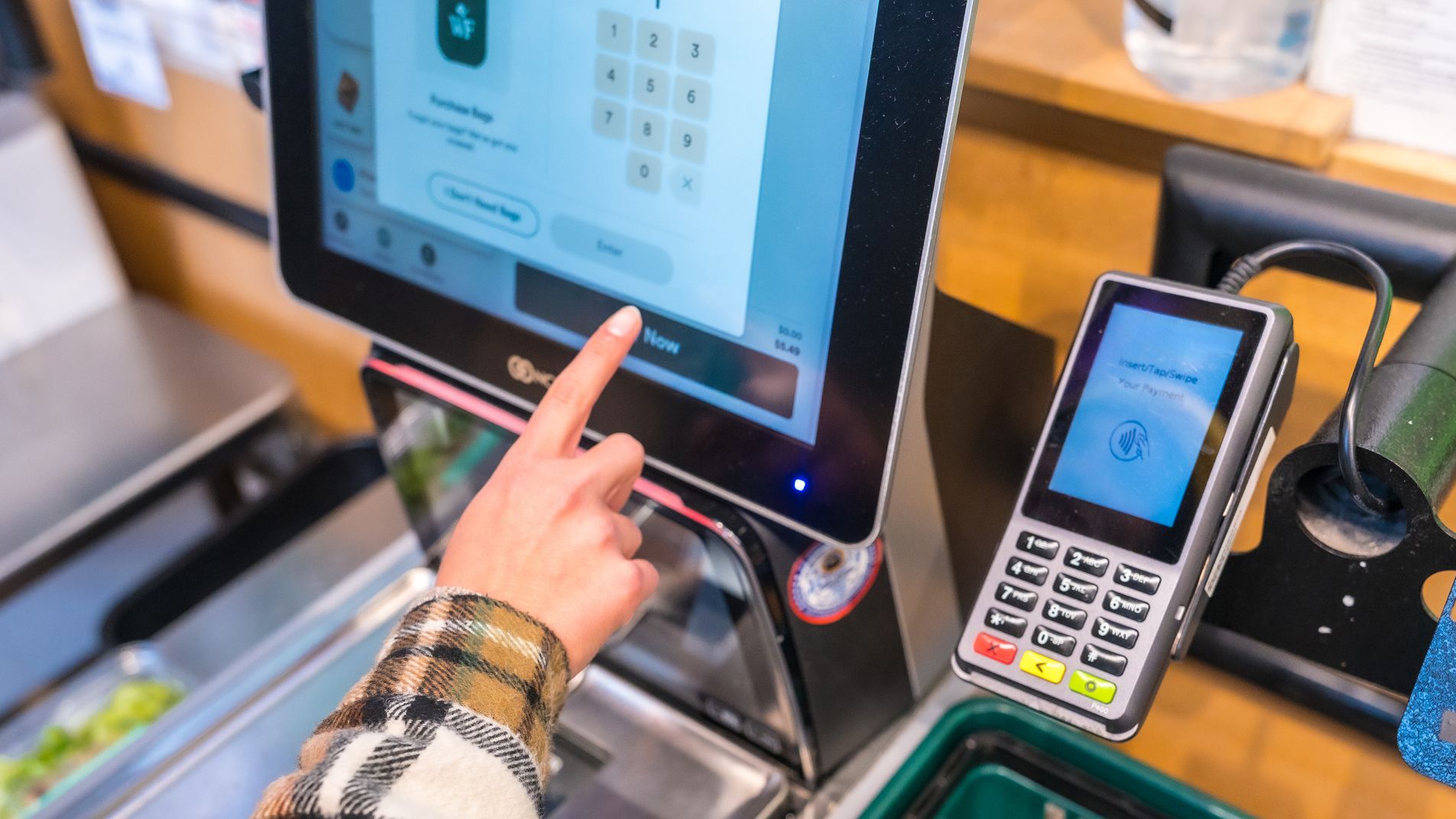
The self-checkout era is ending. Major U.S. retailers including Walmart, Dollar General, Target, Costco, and Five Below are systematically dismantling self-service checkout infrastructure that dominated retail for the past decade. Dollar General removed self-checkout from approximately 12,000 stores in 2024, while Walmart has begun removing machines from select locations including South Philadelphia, reinstating traditional cashier-operated lanes. This represents a dramatic reversal from aggressive automation expansion and signals a fundamental shift in how physical retail will operate through 2026 and beyond.
The driver is clear: retail shrinkage (theft and errors) at self-checkout stations is economically unsustainable. A December 2025 LendingTree survey reveals that 69% of self-checkout users believe it facilitates stealing, 27% admitted intentionally not scanning items, and 36% acknowledged accidentally leaving without scanning—with 61% of those who made accidental mistakes keeping the items anyway. Capital One data shows theft rates up to 65% higher at automated stations compared to staffed lanes. Approximately 36.3 million Americans have stolen items at self-checkout, with nearly 20 million indicating repeat behavior. This isn't theoretical—it's costing retailers billions annually.
Regulatory pressure is accelerating the shift. Ohio Senate Bill 415 (introduced April 2025) proposes mandatory staffed checkout lanes, a 1:3 employee-to-self-checkout ratio, and 15-item purchase limits. Similar proposals are under review in California, New York, Massachusetts, Connecticut, Rhode Island, and Washington, with common provisions capping self-checkout machines at 8 units per store and limiting purchases to 10-15 items. Target has already implemented 10-item limits and is shifting toward hybrid checkout models combining self-service with active staff supervision. These regulatory changes will force operational restructuring including increased staffing requirements, reduced self-checkout capacity, and potential store layout modifications.
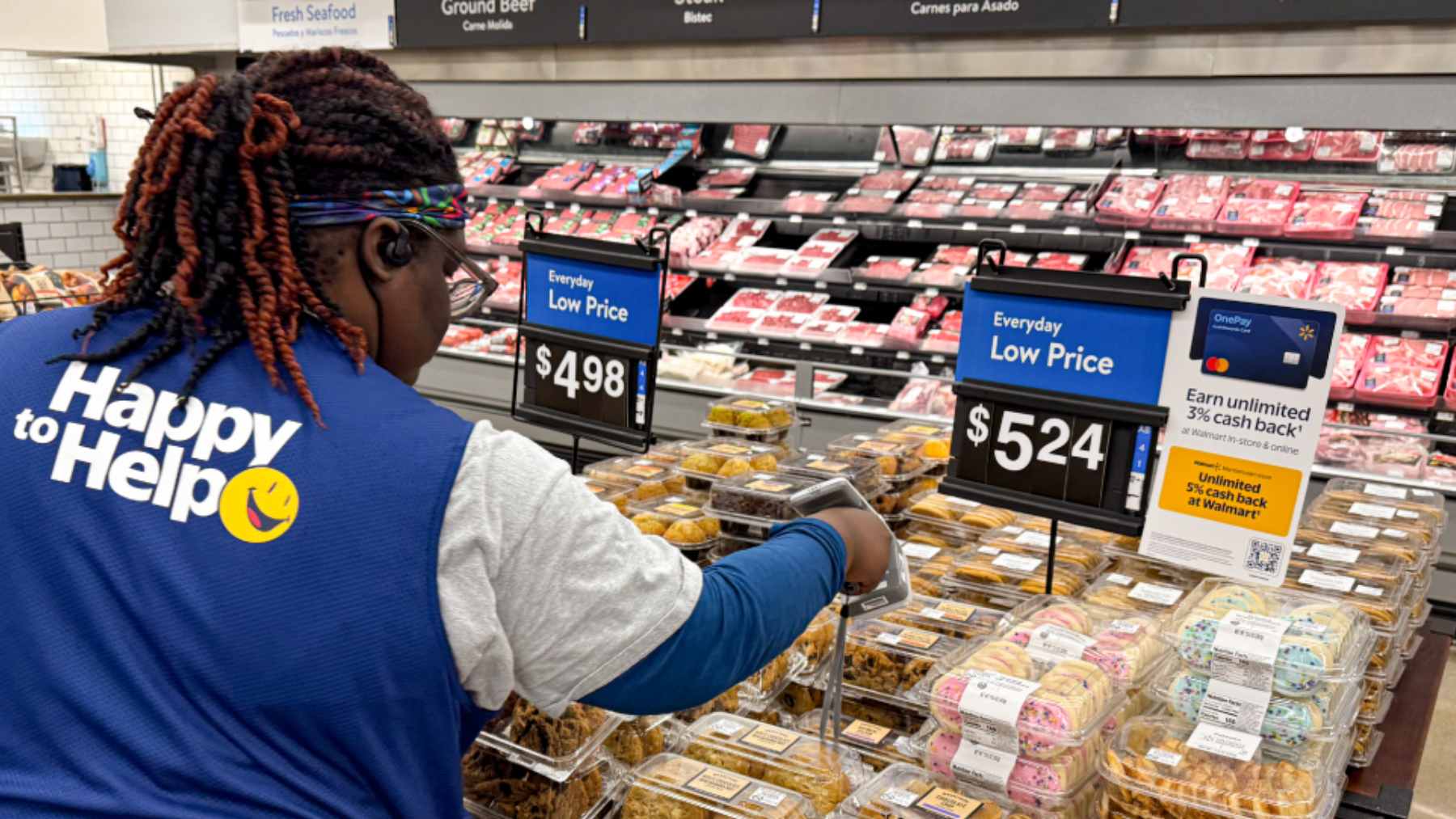
For cross-border sellers and O2O strategists, this creates immediate opportunities. Walmart's massive modernization initiative—remodeling 650 Supercenters and Neighborhood Markets across 47 states in 2026, with 32 shopping centers in Pennsylvania alone—signals retailers are investing heavily in store experience, staffing, and customer service. The company has invested over $518 million in Pennsylvania upgrades over five years and projects one-hour delivery from modernized locations. This modernization includes updated store layouts, new technology implementations, and expanded service offerings. Retailers are now prioritizing human-centric retail experiences, creating prime opportunities for POP-UP stores, experiential retail partnerships, and O2O conversion strategies in these newly remodeled locations. The shift from automation back to staffed, service-oriented retail creates demand for brands that can deliver personalized customer experiences and build trust through physical presence.
Questions 8
Why are major retailers removing self-checkout machines in 2025-2026?
Retailers are eliminating self-checkout due to unsustainable shrinkage losses. Capital One data shows theft rates 65% higher at automated stations, while a December 2025 LendingTree survey found 69% of users believe self-checkout facilitates stealing, with 27% admitting they intentionally don't scan items. Dollar General removed self-checkout from 12,000 stores in 2024, and Walmart is rolling back machines at select locations. Industry experts confirm that financial losses from shrinkage often exceed labor cost savings from staffed lanes, making the ROI negative. Regulatory pressure from states like Ohio, California, and New York—proposing mandatory staffed lanes and 1:3 employee-to-self-checkout ratios—is accelerating this shift.
What are the immediate opportunities for sellers with retail modernization?
Walmart's 650-store remodeling initiative across 47 states in 2026 creates prime opportunities for POP-UP stores, experiential retail partnerships, and O2O conversion strategies. Modernized locations feature updated store layouts, new technology, and expanded service offerings designed to accelerate shopping and delivery. Retailers are now prioritizing human-centric experiences and customer service, creating demand for brands that can deliver personalized interactions and build trust through physical presence. The shift from automation to staffed retail opens doors for temporary retail presence, in-store demonstrations, and hybrid online-offline strategies that leverage the renewed focus on customer engagement.