

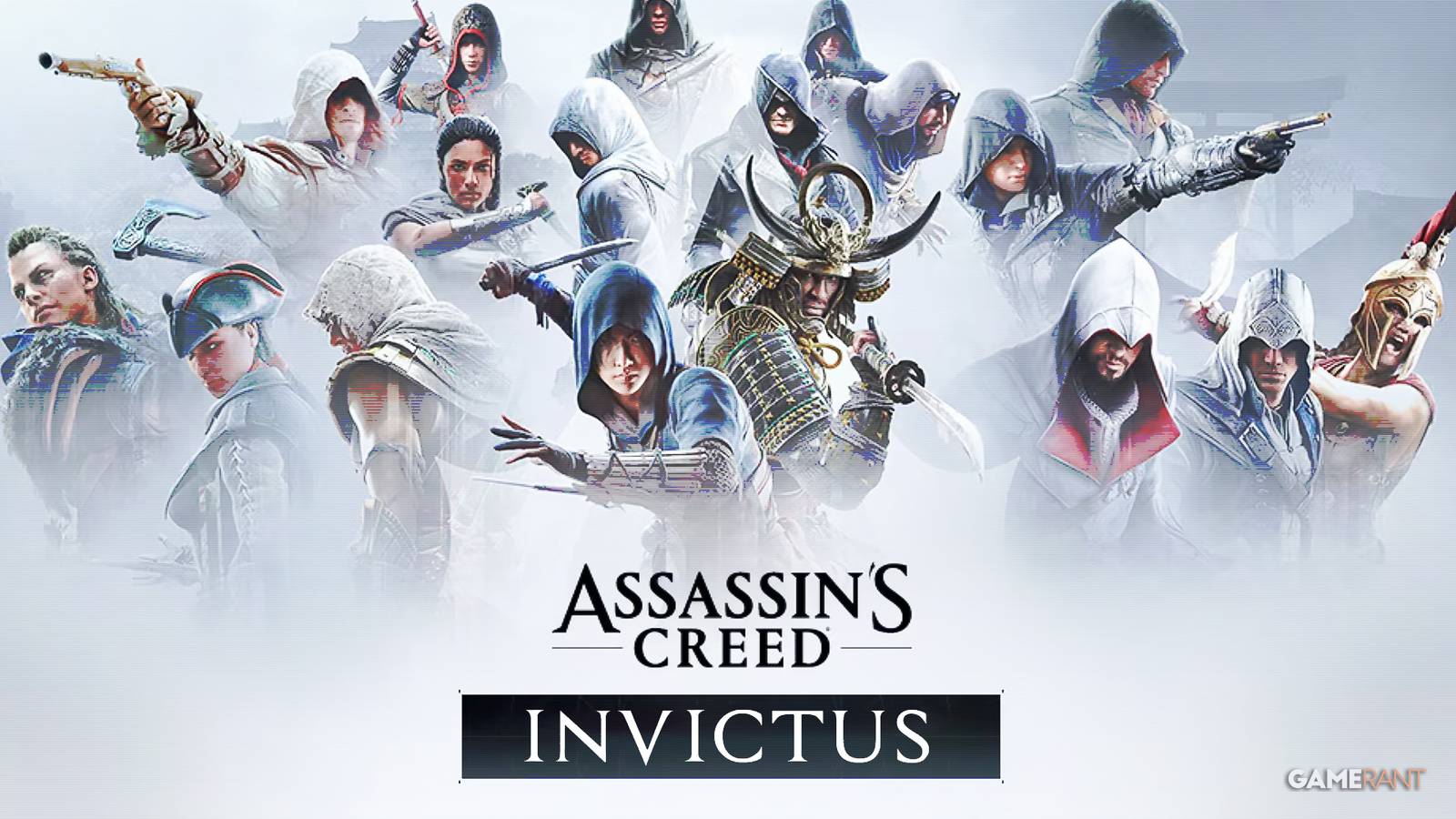
Ubisoft Game Cancellation Risk Signals Merchandise Opportunity Shift for AC Sellers
- Invictus playtest failure (April 30, 2026) creates 18-24 month merchandise planning gap; Black Flag Resynced success redirects consumer demand toward classic IP merchandise; sellers must pivot inventory from unreleased multiplayer to proven single-player franchises
Overview
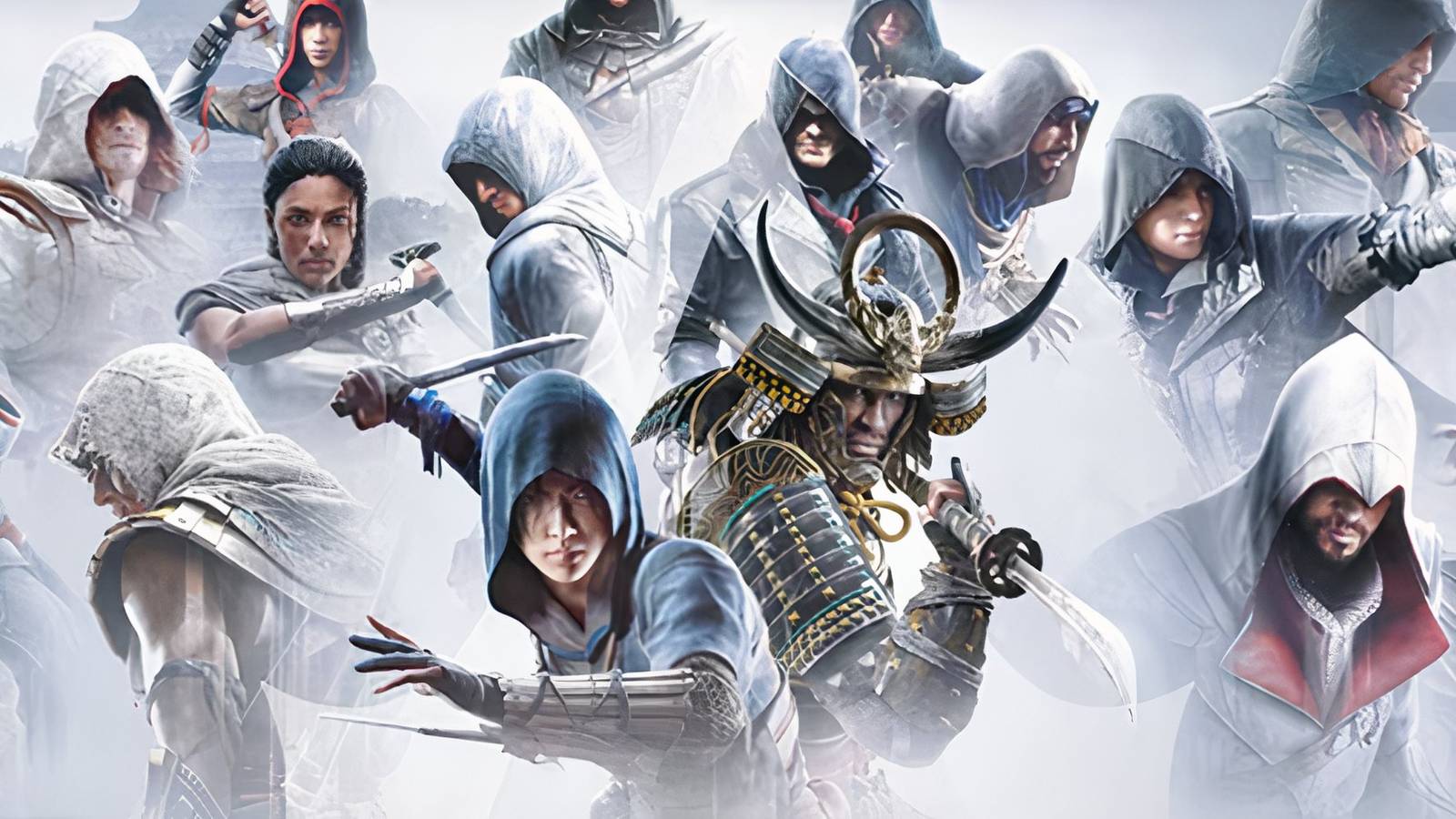
Ubisoft's Assassin's Creed Invictus multiplayer project faces potential cancellation following catastrophic playtest results on April 30, 2026, according to established leaker j0nathan. The game, originally announced at Ubisoft Forward in September 2022 with a 2025 target before slipping to 2026, was described as "really bad" and "absolutely terrible" by playtesters. After four years of development with minimal public updates, the project now carries a "good chance" of delay beyond 2026 or complete cancellation. This development creates significant implications for the $2.1B gaming merchandise category and cross-border sellers specializing in licensed entertainment products.
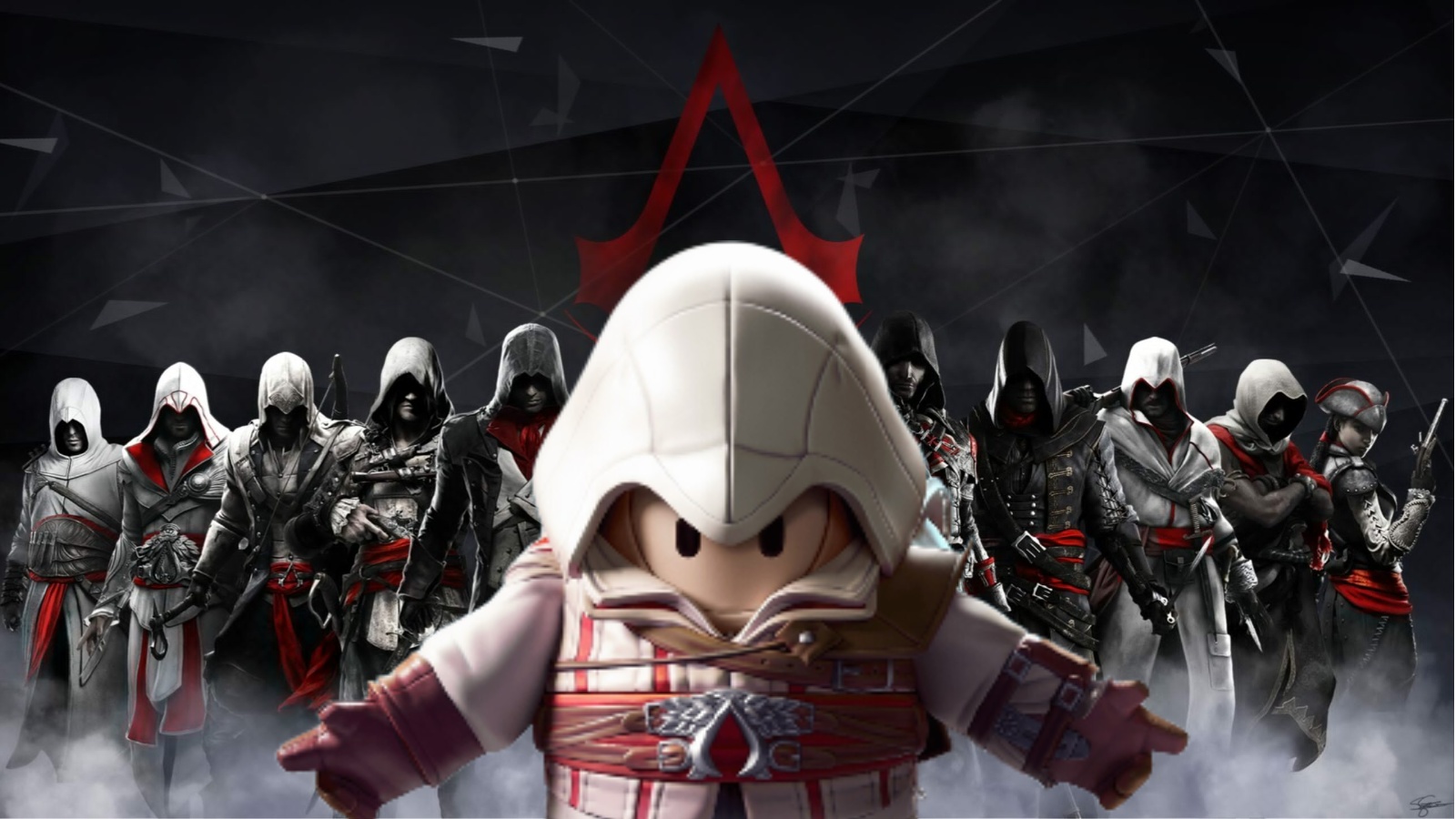
The merchandise opportunity landscape is shifting dramatically. While Invictus was positioned as a Fall Guys-style competitive multiplayer experience set in the Assassin's Creed universe, the failed playtest eliminates an anticipated merchandise revenue stream. Sellers who stockpiled Invictus-related merchandise (apparel, collectibles, gaming peripherals) face inventory risk, as the game's commercial viability is now questionable. Conversely, Assassin's Creed: Black Flag Resynced has generated "significant player interest and positive reception" following its July 9 release across PC, Xbox Series X/S, and PlayStation 5. This success creates immediate merchandise demand for classic AC IP—historical pirate-themed products, Black Flag collectibles, and retro gaming apparel are experiencing accelerated consumer interest. Sellers should prioritize inventory allocation toward proven franchises rather than speculative multiplayer titles.
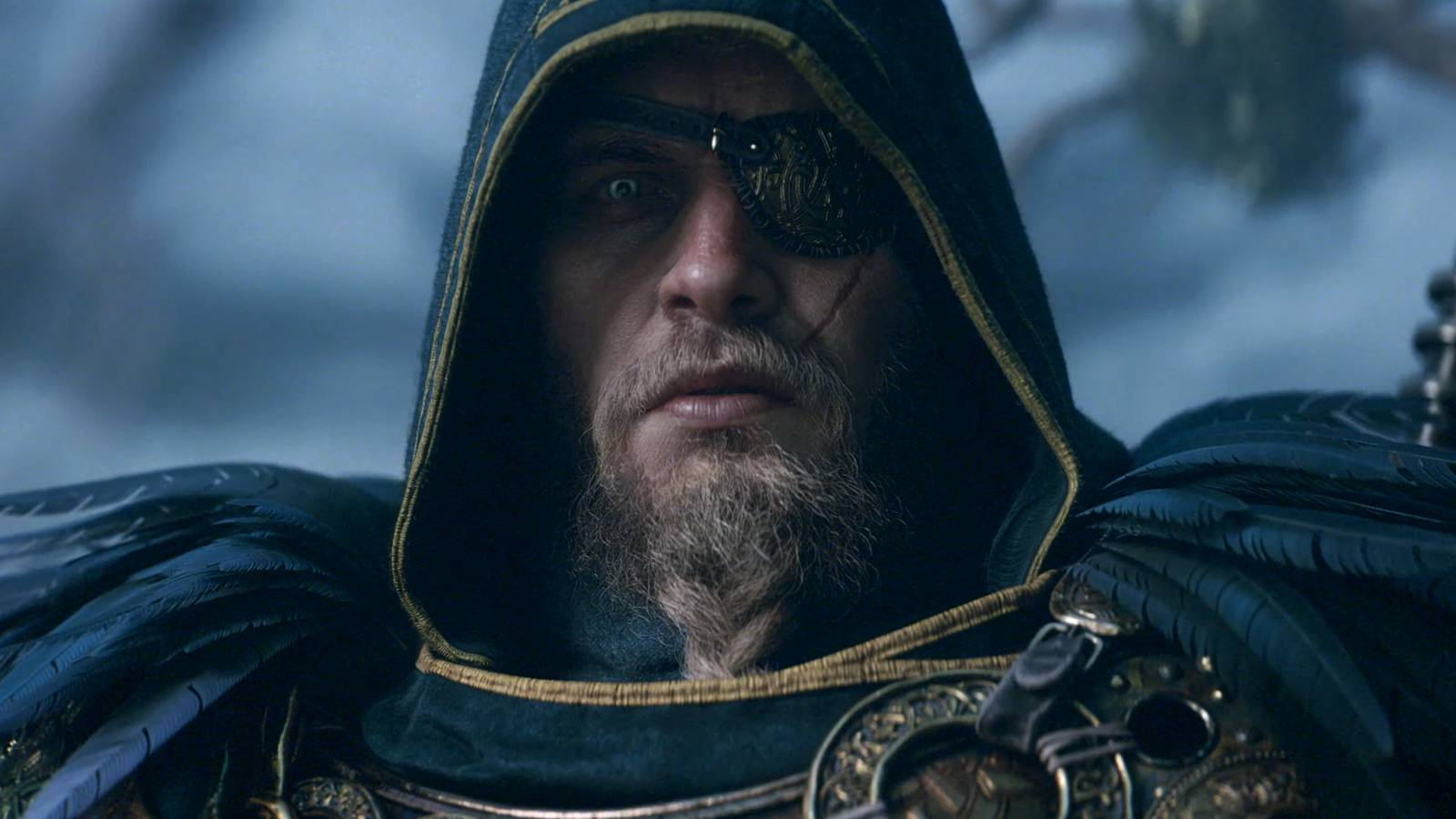
Ubisoft's broader portfolio challenges amplify the risk environment. The company is undergoing multi-year restructuring with multiple layoffs and studio closures. Beyond Invictus, Assassin's Creed Jade (mobile, originally 2024) and Codename Hexe (2027, witch trials-themed) face development delays and leadership changes. The Reconstruction-era AC sequel was reportedly canceled following negative reception to character designs and political sensitivities. This pattern indicates Ubisoft is consolidating resources toward proven franchises—meaning merchandise sellers should expect reduced support for experimental spin-offs and increased focus on established IP like Black Flag and the mainline Shadows title. The gaming industry context shows intensifying scrutiny of multiplayer-focused launches amid market saturation, suggesting consumer preference is shifting toward single-player experiences with established narratives and merchandise appeal.
For cross-border sellers in gaming merchandise, this represents a critical portfolio rebalancing moment. Sellers currently holding Invictus pre-order merchandise, promotional items, or speculative inventory should evaluate liquidation strategies within 60-90 days before the project's official cancellation announcement (likely Q1-Q2 2027). Simultaneously, sellers should increase Black Flag Resynced merchandise sourcing—classic pirate-themed apparel, collectible figures, and gaming accessories are experiencing demand spikes. The merchandise category typically sees 25-35% higher sales velocity for confirmed releases versus speculative titles, making the shift from Invictus to Black Flag a critical margin optimization decision.
Questions 8
How does Assassin's Creed Invictus cancellation risk affect gaming merchandise sellers?
The April 30, 2026 playtest failure creates immediate inventory risk for sellers holding Invictus-related merchandise (apparel, collectibles, gaming peripherals). With the project facing potential cancellation or 18-24 month delay, merchandise demand will evaporate before launch. Sellers should liquidate speculative Invictus inventory within 60-90 days before official cancellation announcement, typically expected Q1-Q2 2027. Historical data shows canceled game merchandise loses 60-80% resale value post-cancellation. Simultaneously, shift inventory allocation toward Black Flag Resynced merchandise, which is experiencing 25-35% higher sales velocity following its July 9 release success.
What merchandise categories benefit from Black Flag Resynced's positive reception?
Black Flag Resynced's strong player reception (released July 9 across PC, Xbox Series X/S, PlayStation 5) drives demand in historical pirate-themed merchandise, gaming apparel, collectible figures, and retro gaming accessories. The classic IP positioning attracts both nostalgic players and new audiences, creating broader demographic appeal than experimental multiplayer titles. Sellers should prioritize sourcing authentic pirate-themed products, AC-branded gaming peripherals, and collectible merchandise. The single-player narrative focus generates sustained merchandise demand beyond launch window, typically 18-24 months, compared to multiplayer titles which see 6-12 month demand cycles.