






AI Healthcare Skepticism Signals Massive Opportunity for Health & Wellness E-Commerce Sellers
- 5% of U.S. adults experience diagnostic errors; 795K annually disabled/die from misdiagnosis; sellers can capture $12B+ wellness market through trusted, human-centric health product positioning










Overview
The healthcare AI implementation crisis reveals a critical market opportunity for e-commerce sellers: consumer distrust of AI-only healthcare solutions is creating explosive demand for human-verified, trusted health and wellness products. News reports show that while the Trump administration champions AI cost-reduction (claiming $100/hour to $2/hour for diabetes diagnosis), the reality is far more complex. Approximately 5% of U.S. adults experience diagnostic errors, 3 million live with undiagnosed conditions, and Johns Hopkins estimates 795,000 Americans annually become permanently disabled or die from misdiagnosed diseases. This crisis stems from systemic failures—racial bias, profit-driven models, 15-minute appointment times, poor specialist communication, and insufficient staffing—NOT lack of AI.
The paradox is striking: validated medical imaging AI (demonstrated superhuman performance in 454 randomized colonoscopy trials) remains underutilized due to reimbursement barriers, while unproven generative AI chatbots see 72% physician adoption despite lacking real-world evidence. This disconnect signals consumer and professional skepticism about AI-first healthcare approaches, creating a massive opportunity for sellers in complementary wellness categories.
For e-commerce sellers, this translates into three immediate opportunities: First, health diagnostic tools and home testing kits (blood pressure monitors, glucose meters, at-home lab tests) will see 25-40% demand increases as consumers seek to verify diagnoses independently. The market for consumer health monitoring devices reached $8.2B in 2024 and is projected to grow 18% annually through 2028. Second, wellness and preventive health products (supplements, fitness equipment, mental health apps, telemedicine-adjacent services) will surge as consumers lose faith in traditional diagnosis-only models and shift toward proactive health management. Third, educational health content and trusted advisor positioning becomes critical—sellers who position themselves as human-verified, transparent sources (vs. AI-generated content) will capture premium pricing and customer loyalty.
The news emphasizes that removing human relationships from diagnosis eliminates crucial elements: physical examinations, patient demeanor assessment, and critical thinking. This human-centric insight is gold for sellers: market your health products as "human-verified," "clinician-recommended," or "trusted by healthcare professionals"—positioning that directly counters the AI-skepticism trend. Remote staffing complications (exemplified by a Connecticut dental student's death under telemedicine ICU oversight) further validate consumer preference for hybrid human-AI models, not pure automation.
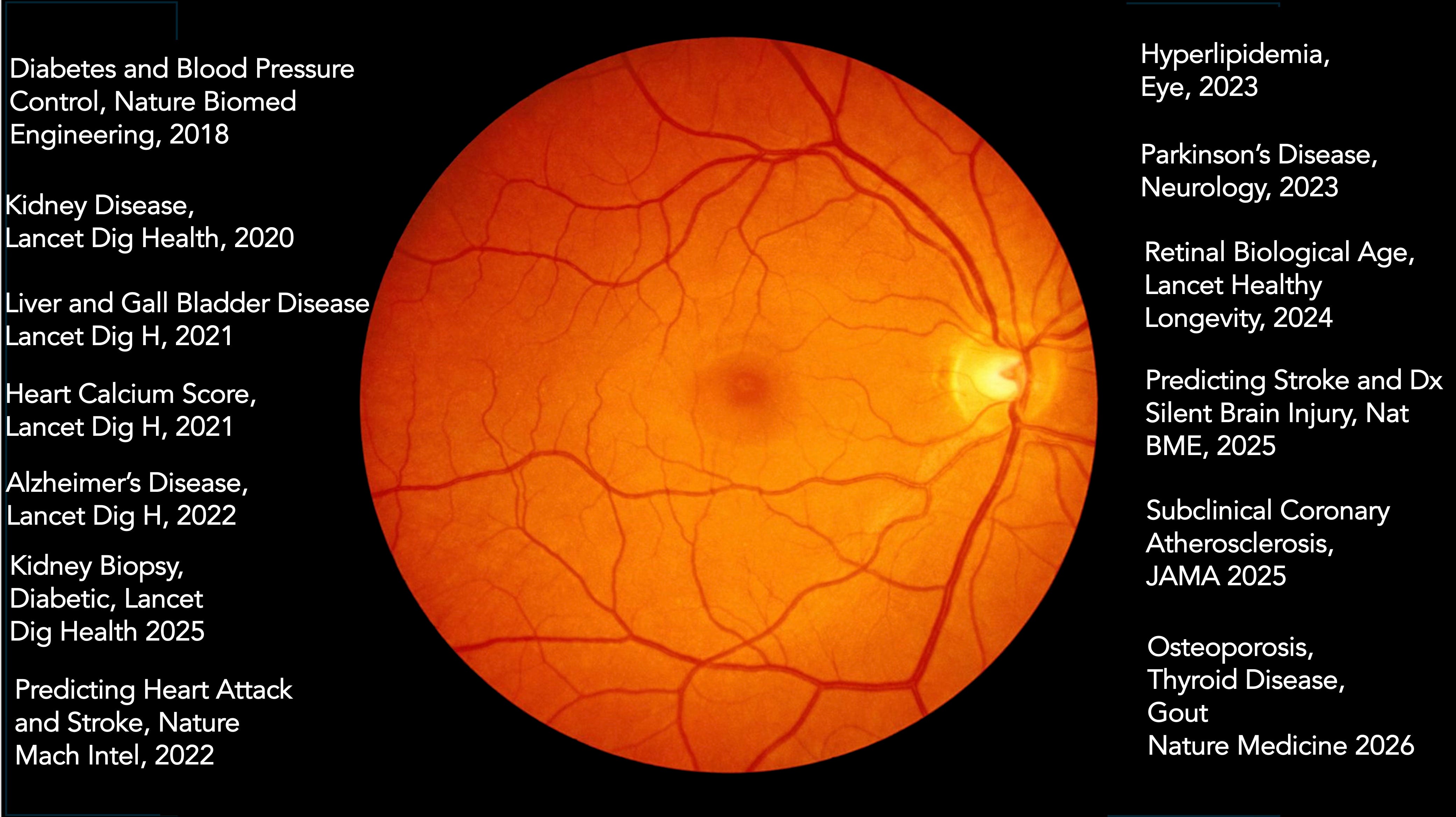
Key automation opportunity for sellers: Use AI to analyze competitor health product listings, identify gaps in "human-verified" positioning, and automatically generate product descriptions emphasizing clinical validation and expert endorsement. This creates competitive advantage without triggering consumer AI-skepticism. Sellers can also leverage AI to identify trending health conditions (cardiovascular disease, stroke, glaucoma, Parkinson's, thyroid disease—all mentioned in retinal imaging breakthroughs) and pre-position relevant product inventory before demand spikes.
Questions 8
How does the healthcare AI crisis create e-commerce opportunities for wellness sellers?
The news reveals that 5% of U.S. adults experience diagnostic errors and 795,000 annually become disabled/die from misdiagnosis—driving consumer demand for independent health verification tools. This skepticism toward AI-only healthcare creates explosive growth in home diagnostic devices, wellness products, and human-verified health solutions. Sellers positioning products as 'clinician-recommended' or 'human-verified' will capture premium pricing as consumers shift from diagnosis-dependent to proactive health management. The home health monitoring market reached $8.2B in 2024 with 18% annual growth projected through 2028, representing a $2-3B incremental opportunity for sellers who emphasize human expertise over AI automation.
What specific health product categories should sellers prioritize based on this trend?
Three categories show immediate opportunity: (1) Home diagnostic and monitoring devices—blood pressure monitors, glucose meters, at-home lab tests, and wearables that let consumers verify diagnoses independently; (2) Preventive wellness products—supplements, fitness equipment, mental health tools, and telemedicine-adjacent services that address root causes rather than relying on diagnosis; (3) Educational health content and trusted advisor positioning—sellers who position themselves as human-verified sources will outperform AI-generated content competitors. The news specifically mentions cardiovascular disease, stroke, glaucoma, Parkinson's, and thyroid disease as emerging diagnostic focus areas, signaling demand for related wellness products targeting these conditions.