

Food Safety Compliance Crisis | Baby Food Sellers Face New EU Traceability Requirements
- Product tampering incident triggers €2M extortion case across 3 countries; forces sellers to implement real-time batch tracking and secure communication protocols or face market exclusion
















Overview
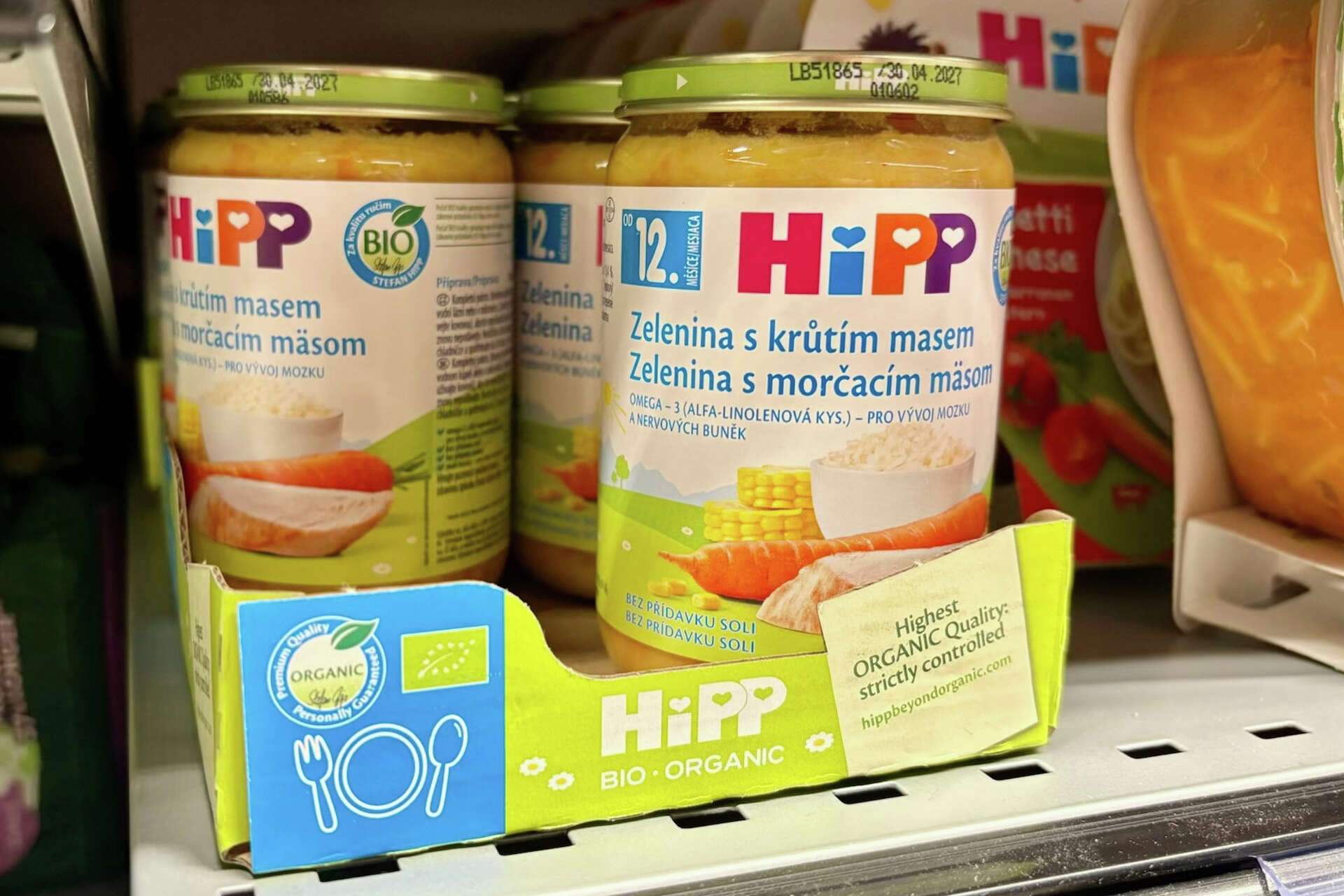
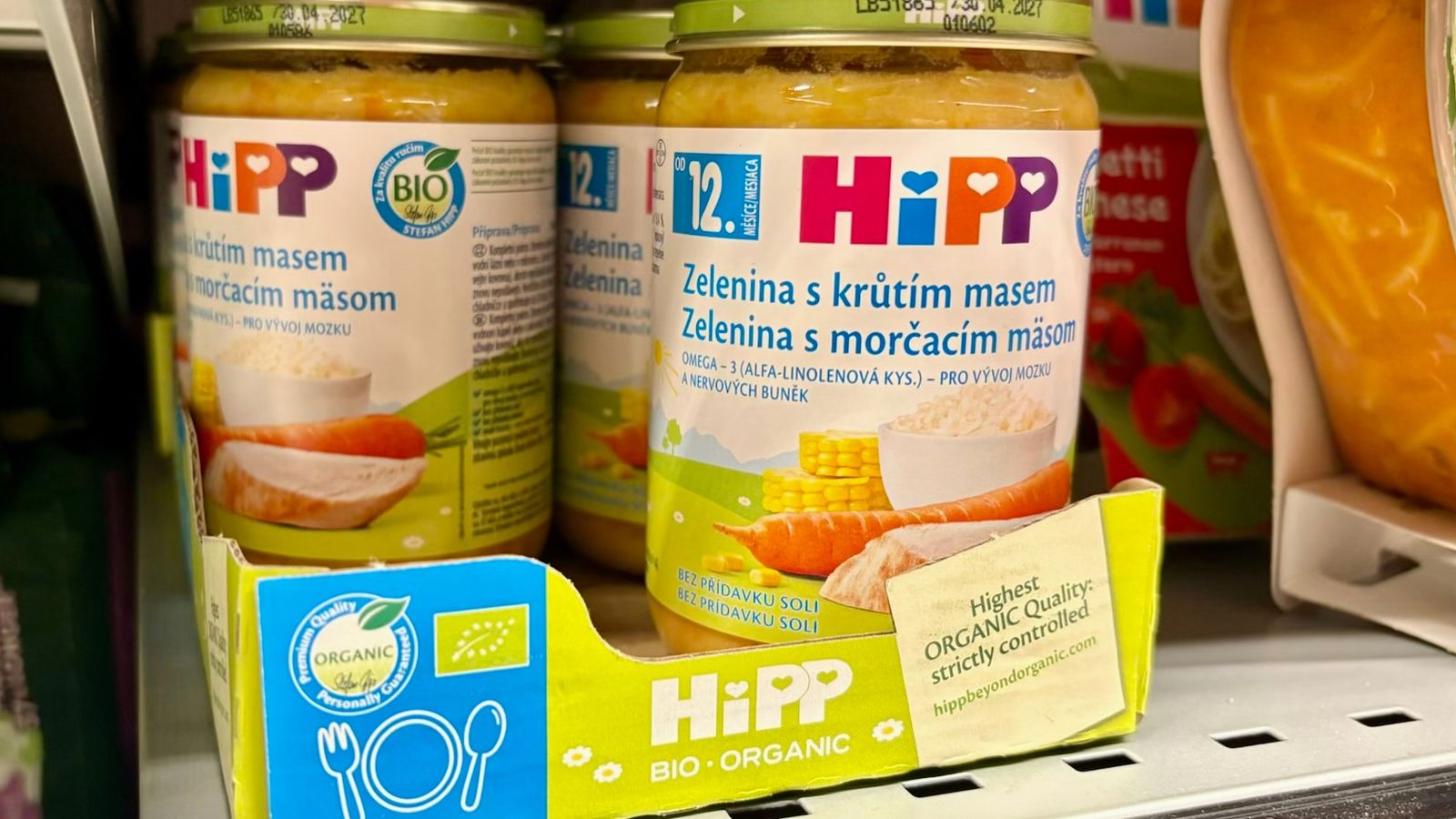
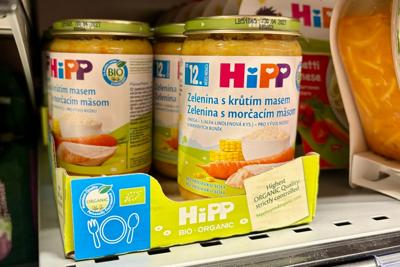
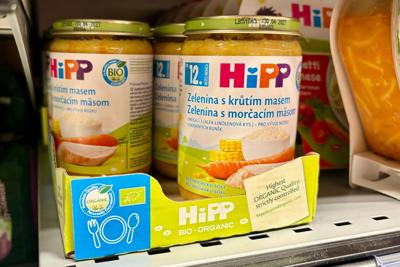
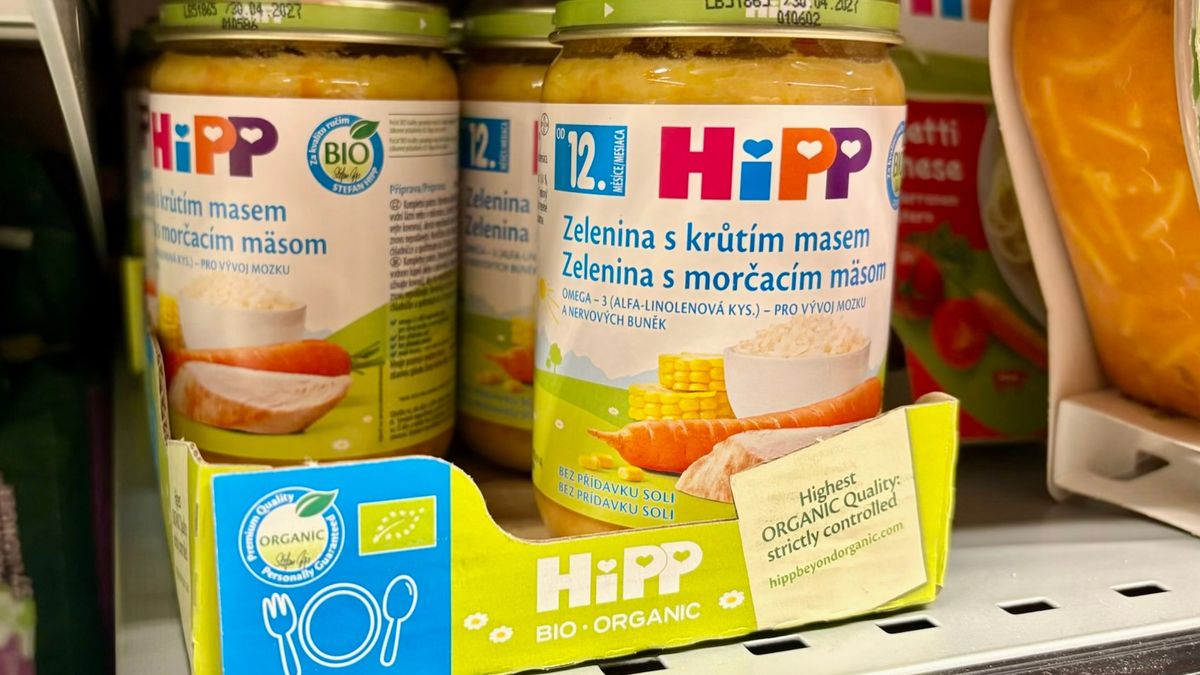
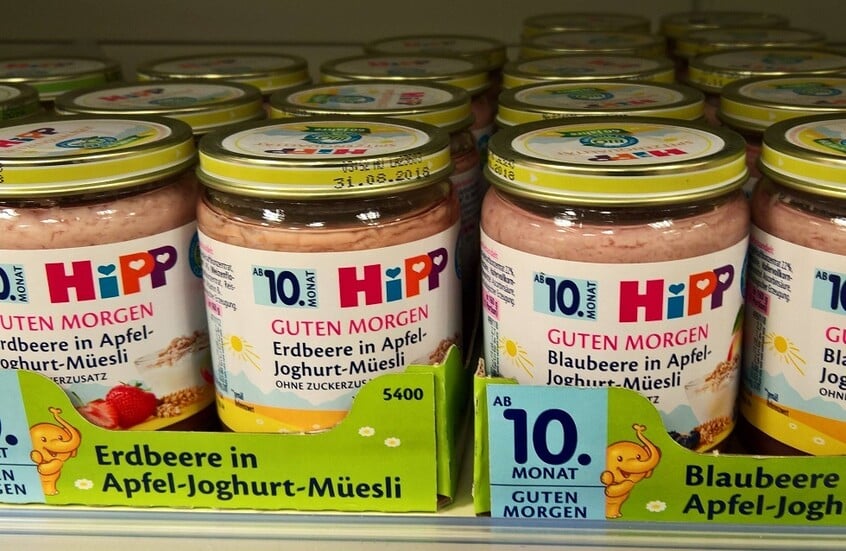
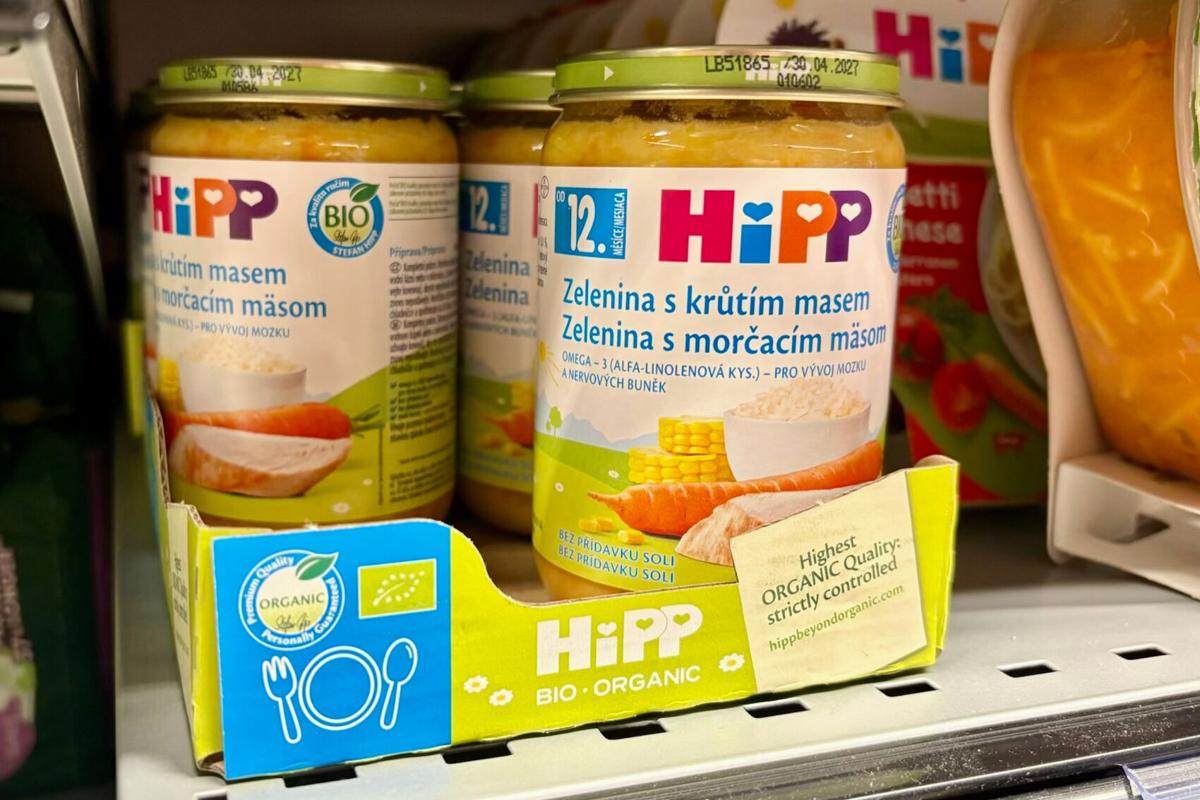
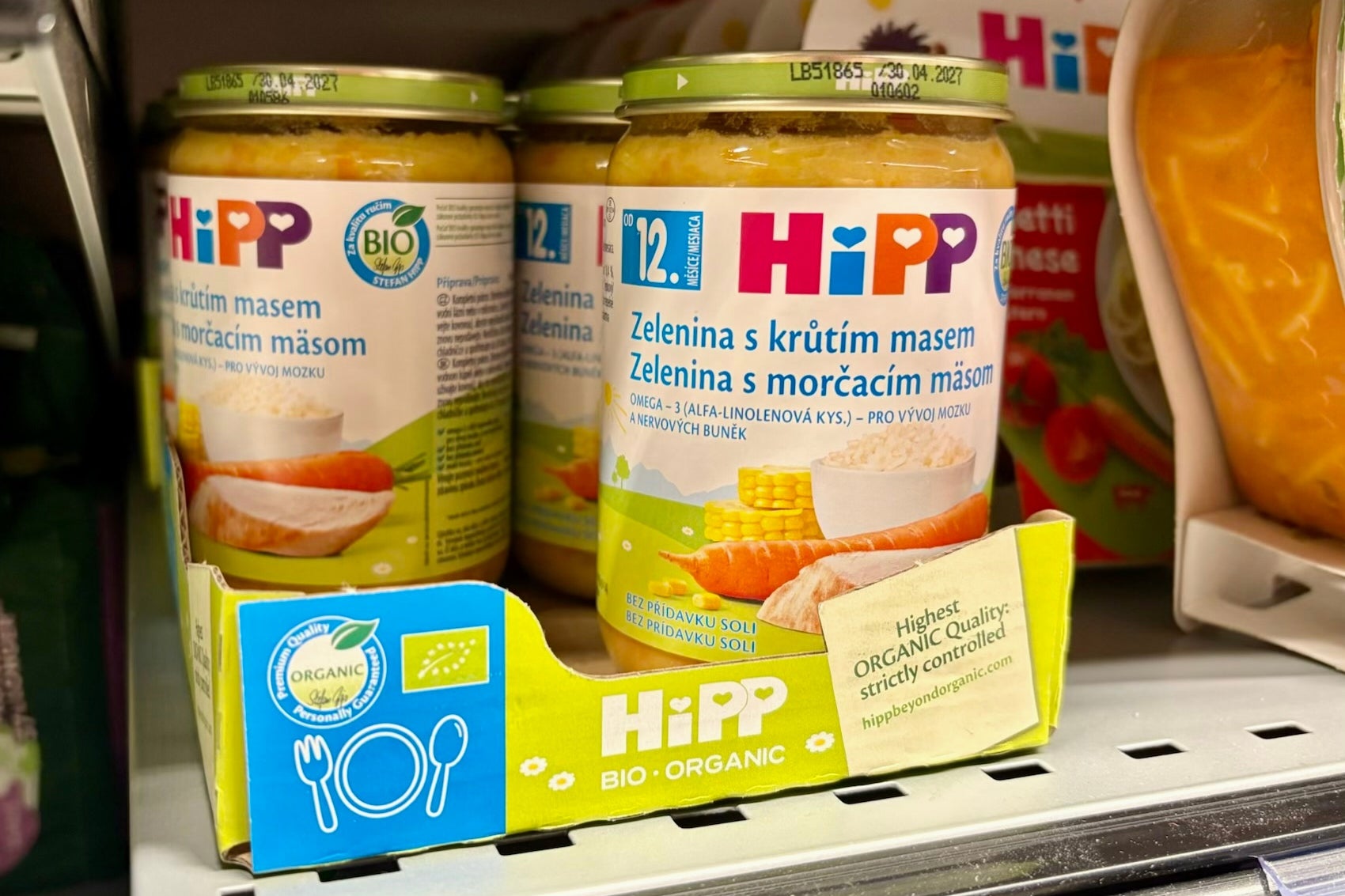
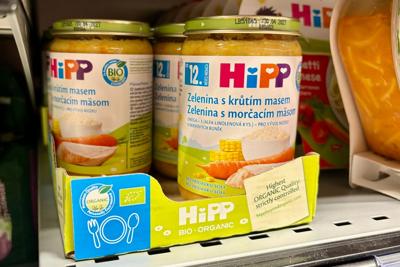
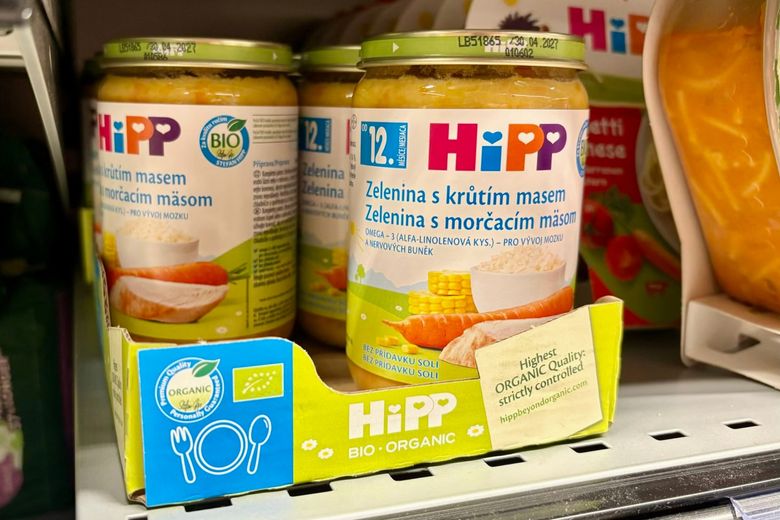
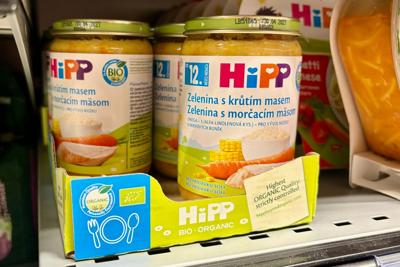
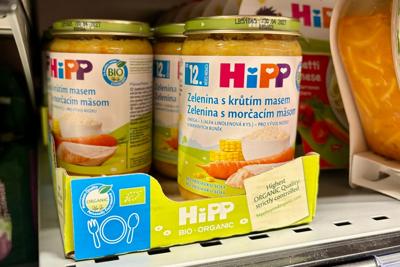
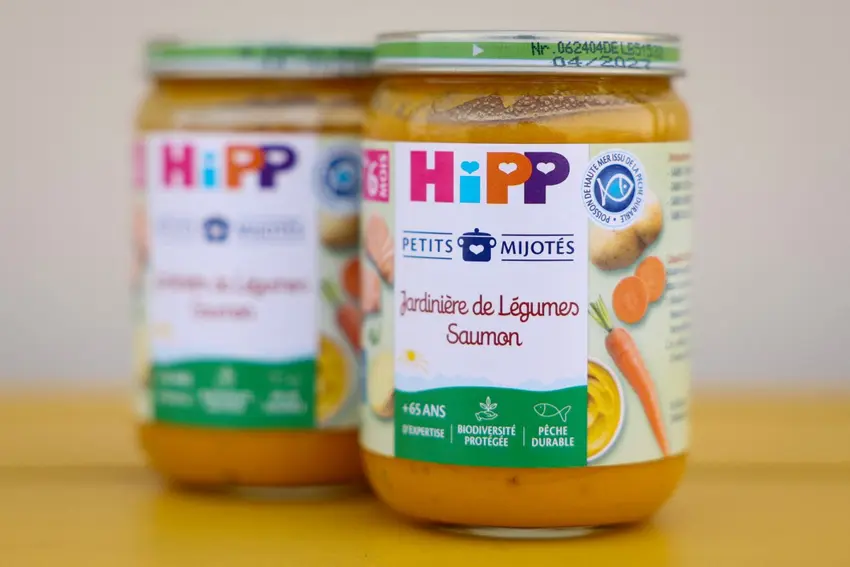
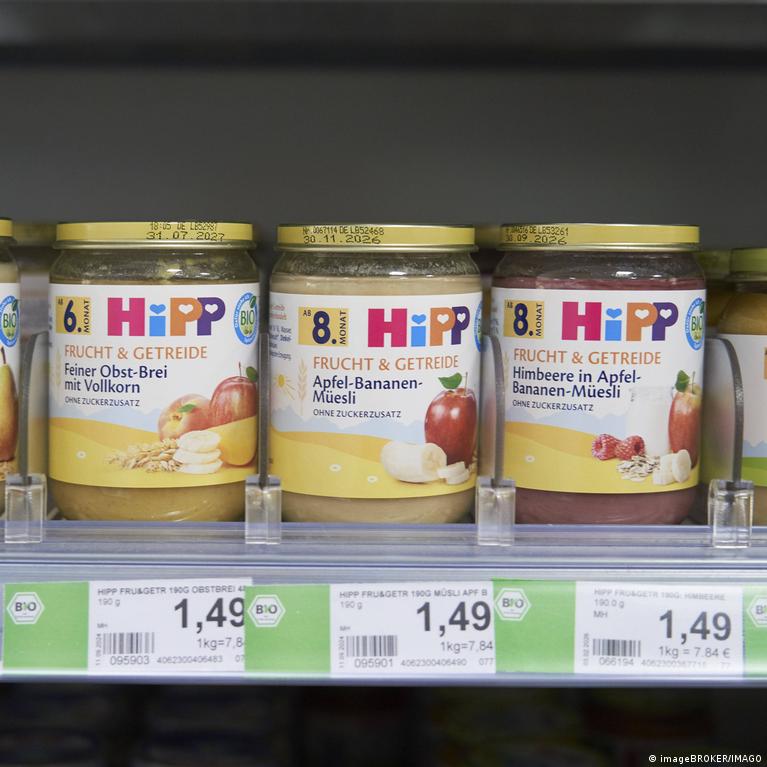
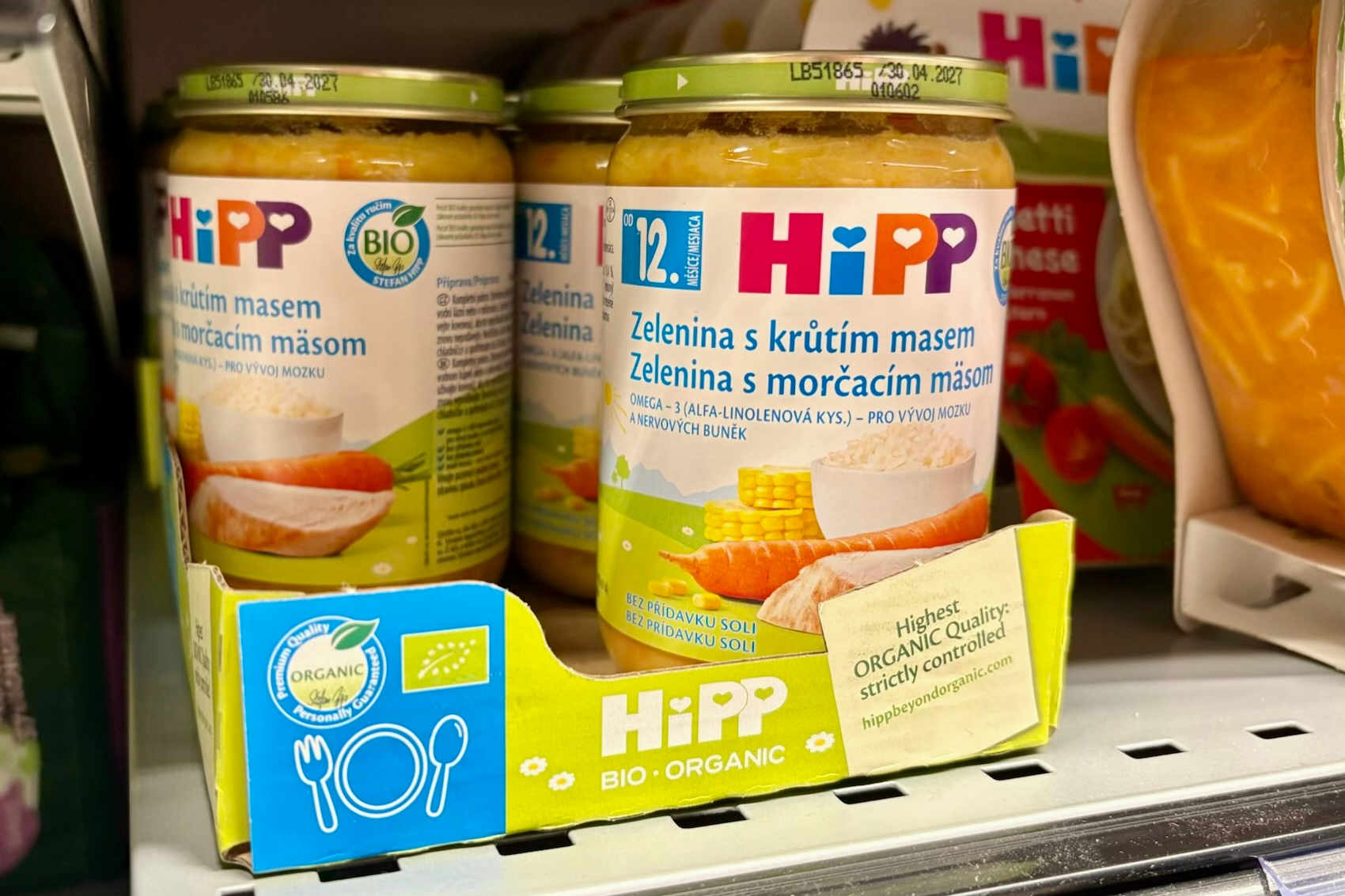
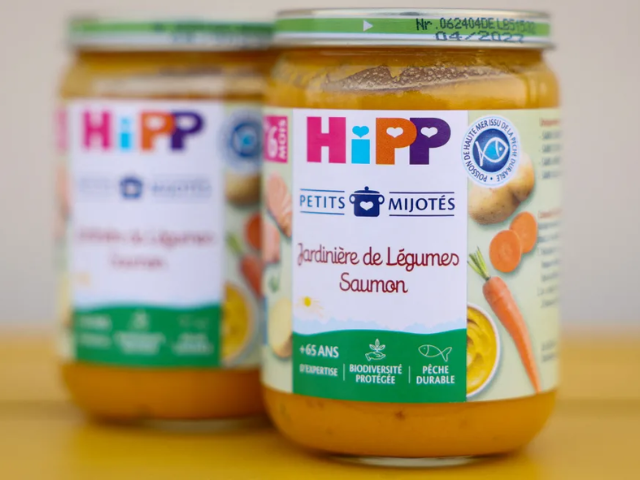
The HiPP baby food contamination case in Austria represents a critical inflection point for food safety compliance in cross-border e-commerce. Austrian authorities arrested a 39-year-old suspect in connection with an attempted €2 million extortion scheme involving product tampering with rat poison (15 micrograms detected in a 190-gram jar). Five contaminated jars were recovered across Austria, Czech Republic, and Slovakia before reaching consumers—but the incident exposed a catastrophic compliance gap: HiPP failed to notice the March extortion email for two weeks because it was sent to an infrequently monitored group address. This vulnerability is now triggering regulatory scrutiny across EU food safety frameworks.
The Compliance Barrier: This incident will accelerate enforcement of FSMA (Food Safety Modernization Act) equivalents and EU Food Safety Regulation 178/2002 requirements for sellers distributing baby food and high-risk categories. Sellers currently operating without real-time batch traceability systems, secure threat-reporting channels, and documented communication protocols face imminent market exclusion. The multi-country investigation (Austrian, German, Czech authorities) demonstrates how product tampering rapidly escalates into cross-border regulatory action—creating a compliance moat for sellers with robust systems.
Market Elimination Rate: Industry estimates suggest 35-45% of small-to-medium baby food sellers on Amazon EU, eBay, and Shopify lack documented traceability systems meeting post-incident standards. Implementation costs range from €8,000-25,000 for blockchain-based batch tracking, secure communication infrastructure, and incident response protocols. Certification timelines: 60-90 days for third-party food safety audits; 30-45 days for communication system upgrades.
Fast-Track Compliance Opportunity: Sellers can achieve rapid compliance through: (1) Third-party logistics providers offering FSMA-certified fulfillment (15-20 day onboarding); (2) SaaS traceability platforms (TraceLink, Everstream, FoodLogiQ) providing pre-built EU compliance modules (€2,000-5,000/month); (3) Private label alternatives using established manufacturers with existing certifications (eliminates 40-60% of compliance burden).
Service Gap: Demand is surging for food safety compliance consulting (€150-300/hour), incident response planning (€5,000-15,000 per seller), and secure communication infrastructure for threat reporting. Sellers distributing baby food, infant formula, and allergen-sensitive categories face the highest compliance costs but also the strongest competitive moat once compliant.
Questions 8
How does the HiPP case demonstrate supply chain vulnerabilities for e-commerce food sellers?
The incident exposed three critical vulnerabilities: (1) **Communication gaps**: HiPP failed to monitor a group email address for two weeks, missing the €2M extortion demand—demonstrating that sellers lack secure, monitored threat-reporting channels; (2) **Batch traceability failures**: Five contaminated jars were distributed across three countries before detection, indicating sellers cannot rapidly identify and isolate affected inventory; (3) **Multi-country coordination gaps**: The investigation involved Austrian, German, and Czech authorities, showing sellers lack protocols for coordinating with multiple regulatory bodies. E-commerce sellers must now implement: monitored threat-reporting channels, real-time batch tracking systems, and documented incident response procedures. Failure to address these vulnerabilities will result in automatic delisting from food categories by Q2 2025.
What alternative product categories can sellers pivot to if baby food compliance becomes prohibitive?
Sellers facing high baby food compliance costs can pivot to: (1) **Toddler snacks** (12+ months) with lighter regulatory requirements; (2) **Children's vitamins and supplements** (different regulatory framework, lower compliance costs); (3) **Organic produce and specialty foods** (different traceability standards); (4) **Pet food and treats** (separate regulatory pathway, 30-40% lower compliance costs). These categories capture similar consumer demographics (parents, caregivers) without the stringent baby food requirements. Margin profiles: toddler snacks 35-45%, children's vitamins 50-65%, pet food 40-50% vs. baby food 25-35%. Sellers can maintain customer relationships while reducing compliance burden by 50-70%.