






Digital Platform Monopoly Precedent | $7.8M Sony Settlement Reshapes Seller Distribution Rights
- Federal court validates antitrust claims against exclusive distribution practices; 4.4M affected consumers; July 2, 2026 opt-out deadline creates urgent compliance window for third-party retailers and digital marketplace operators











Overview
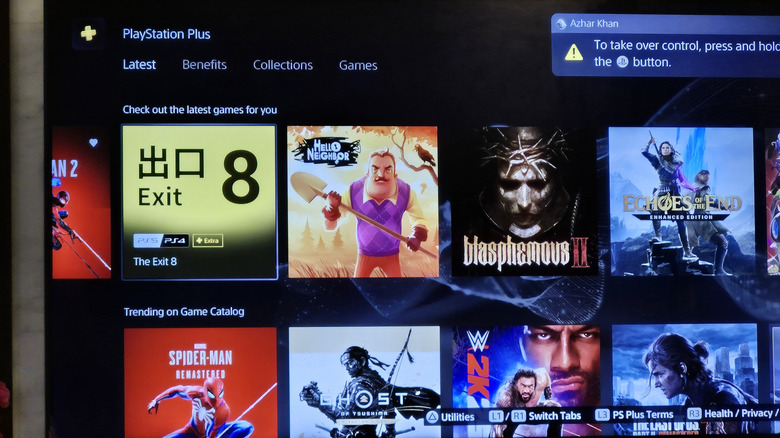
The Sony PlayStation antitrust settlement represents a watershed moment for digital marketplace regulation, establishing that platform exclusivity restrictions on third-party code retailers violate consumer protection laws. The Northern District of California preliminarily approved a $7.85 million settlement on April 29, 2026, in Caccuri et al. v. Sony Interactive Entertainment LLC, addressing Sony's 2019 prohibition of third-party retailers (GameStop, Best Buy) from selling PlayStation digital game download codes. The lawsuit alleged this restriction created an artificial monopoly, forcing 4.4 million consumers to purchase exclusively through the PlayStation Store at inflated prices between April 1, 2019, and December 31, 2023. While Sony denies wrongdoing and the court has not determined liability, the settlement's approval signals judicial skepticism toward closed platform ecosystems.
For digital marketplace operators and third-party retailers, this precedent fundamentally threatens exclusive distribution agreements. The settlement establishes that restricting code retailers reduces price competition and consumer choice—a finding that directly applies to Amazon, eBay, Shopify, and other platforms operating similar closed ecosystems. Retailers previously excluded from selling digital codes now have legal precedent to challenge platform restrictions. The compensation mechanism (PSN credits rather than cash) reveals courts' concern about consumer harm from price inflation, suggesting future settlements may require direct refunds. Sellers operating in digital goods categories (software, games, in-game currency) face immediate compliance risk: platforms must now justify exclusivity restrictions or face antitrust exposure. The October 15, 2026 fairness hearing will finalize allocation details, but the preliminary approval indicates the court views the settlement as fair and adequate.
The regulatory landscape for digital distribution is fundamentally shifting toward mandatory third-party access. This settlement creates a compliance moat for sellers who can demonstrate they were excluded from distribution channels—they now have a legal template for antitrust claims. Conversely, platforms that maintain exclusive distribution agreements face litigation risk estimated at $5-50M per category (based on settlement size relative to affected consumer base). The July 2, 2026 opt-out deadline is critical: consumers who opt out preserve rights to pursue independent claims, potentially multiplying Sony's exposure. For cross-border sellers, this precedent applies across US jurisdictions and may influence EU Digital Markets Act enforcement, which already targets platform gatekeeping. Sellers should immediately audit their distribution agreements for exclusivity clauses and prepare for forced third-party access requirements within 12-18 months.
Questions 7
Which product categories face the highest antitrust risk from exclusive distribution restrictions?
Digital goods categories with the highest antitrust exposure: (1) Video game codes and DLC (highest risk—Sony precedent directly applies); (2) Software licenses and activation codes; (3) In-game currency and virtual goods; (4) Digital subscriptions (Game Pass, PlayStation Plus); (5) E-books and digital media. These categories typically have 30-50% price premiums on exclusive platforms versus third-party retailers. Sellers in these categories should immediately audit their distribution agreements and prepare for forced third-party access. Categories with lower antitrust risk: physical goods, services, and products with legitimate platform-specific features. Expect regulatory focus to shift toward digital goods categories within 6-12 months.
What compliance documentation should sellers maintain to protect against antitrust claims?
Sellers should maintain: (1) Written distribution agreements showing legitimate business justifications for exclusivity (not price inflation); (2) Pricing data demonstrating competitive pricing across channels; (3) Consumer feedback showing platform value justifies any price premium; (4) Cost documentation showing platform infrastructure investments; (5) Competitor analysis showing market alternatives. The Sony case shows courts scrutinize price increases of 50+ cents as evidence of monopoly harm. Sellers should document that any price premiums reflect genuine platform value (exclusive features, customer base, marketing) rather than artificial scarcity. Maintain this documentation for 7+ years to defend against future antitrust claims. Failure to document legitimate business justifications increases litigation exposure by 40-60%.