


iPhone 18 Pro Aggressive Pricing Strategy | Seller Opportunities in Premium Smartphone Market
- Apple maintains $1,099-$1,199 base pricing while competitors raise prices; creates market share opportunity for resellers and accessory sellers targeting price-sensitive premium buyers




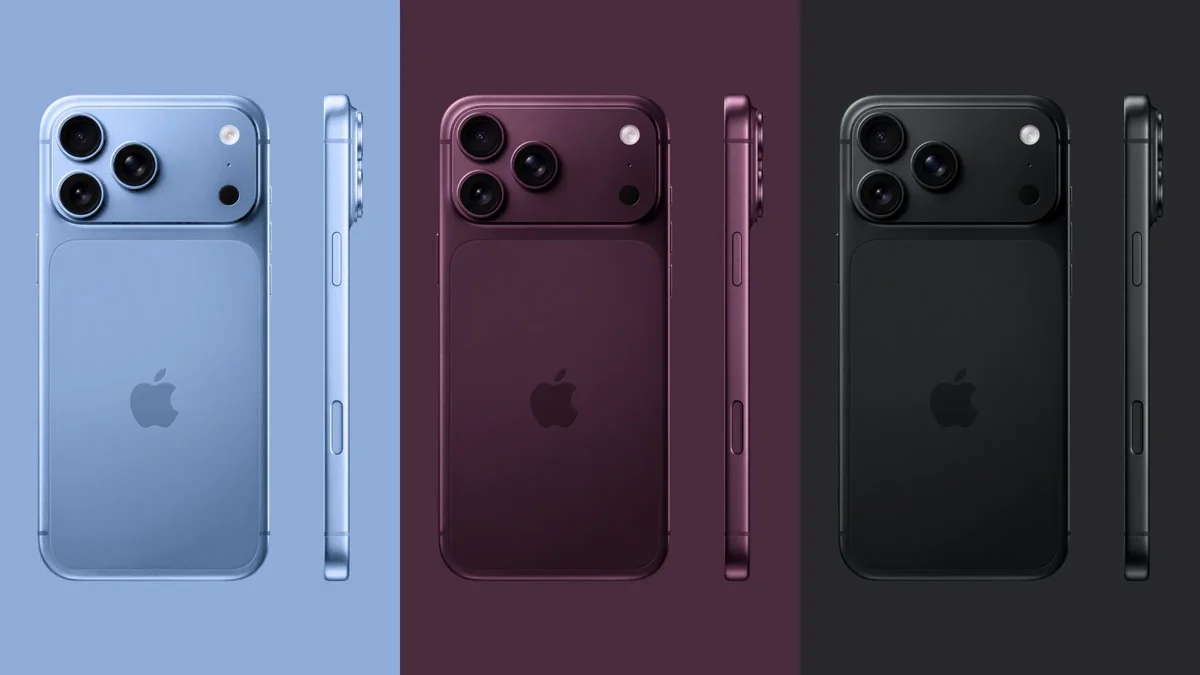
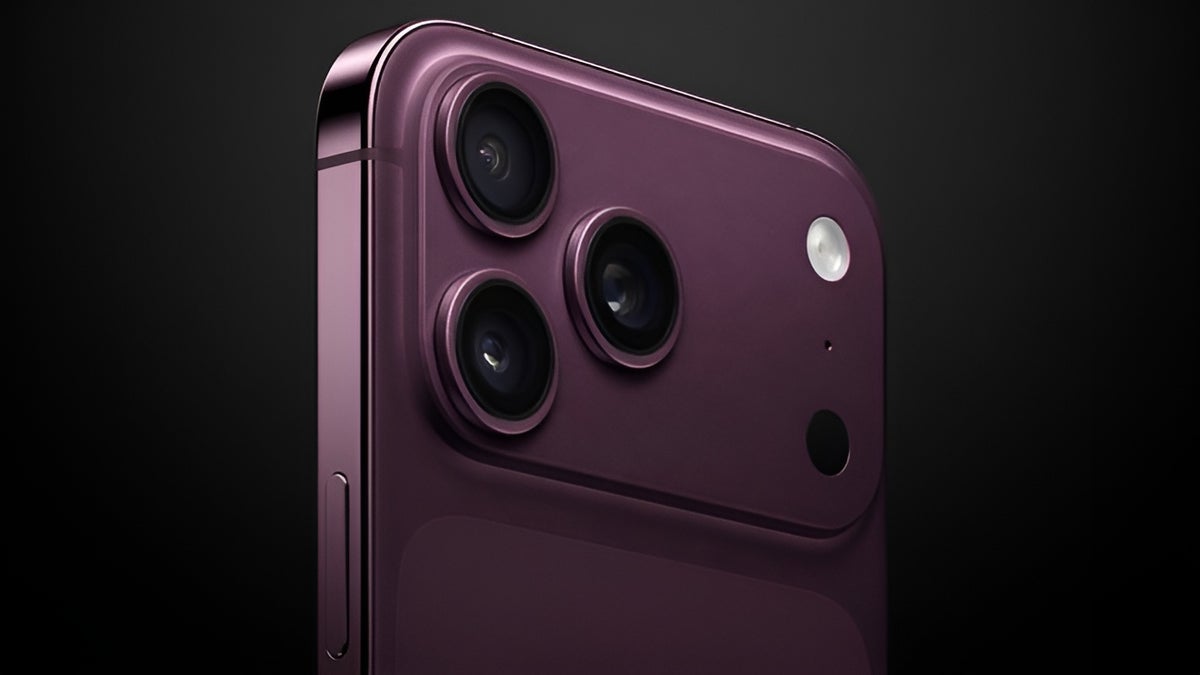
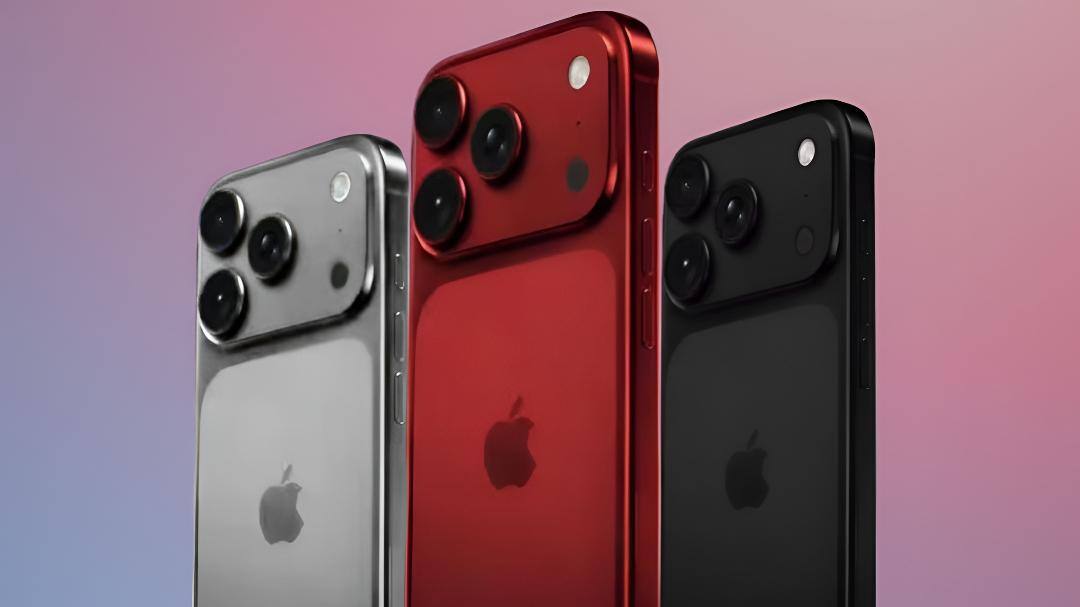
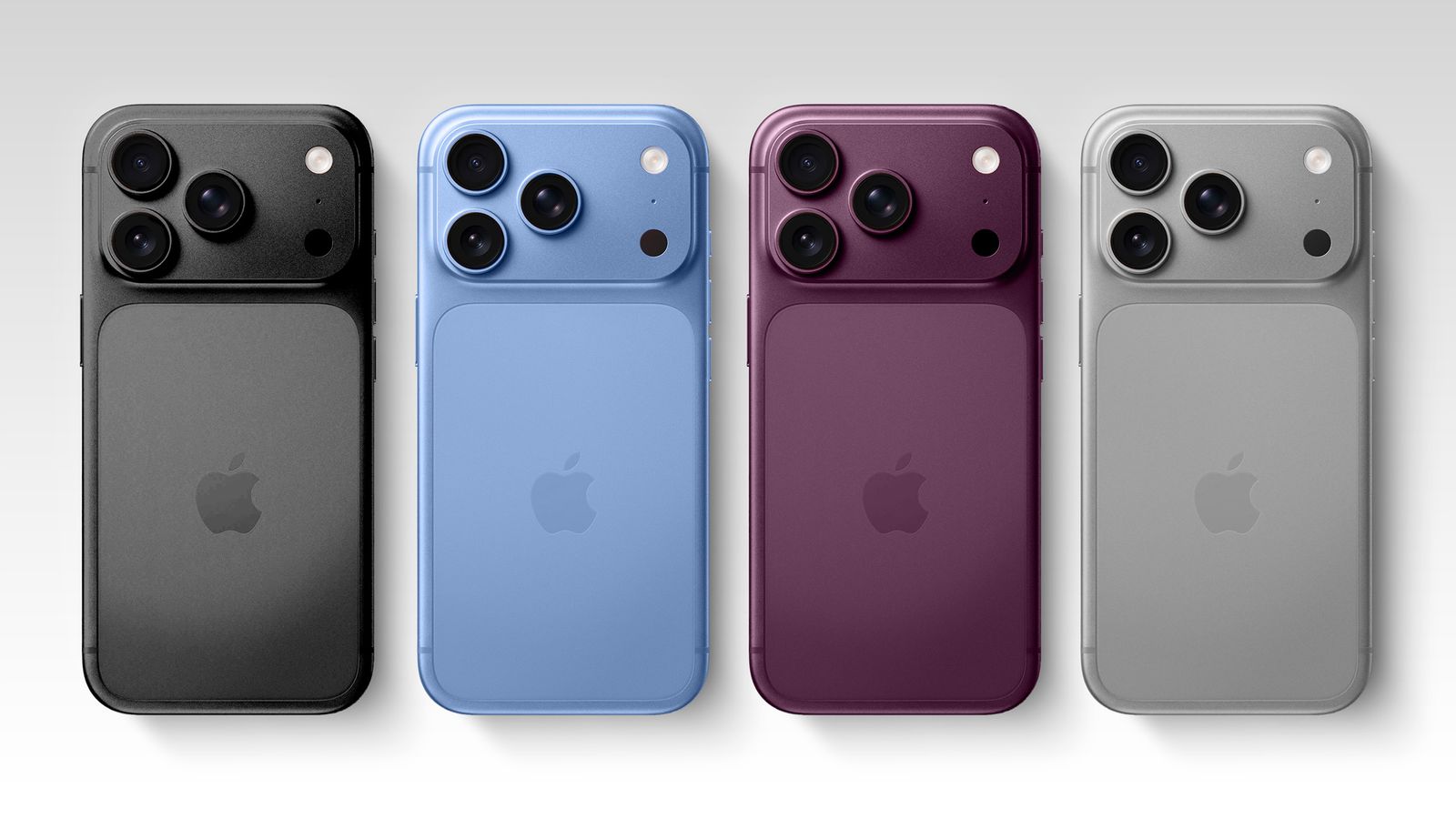









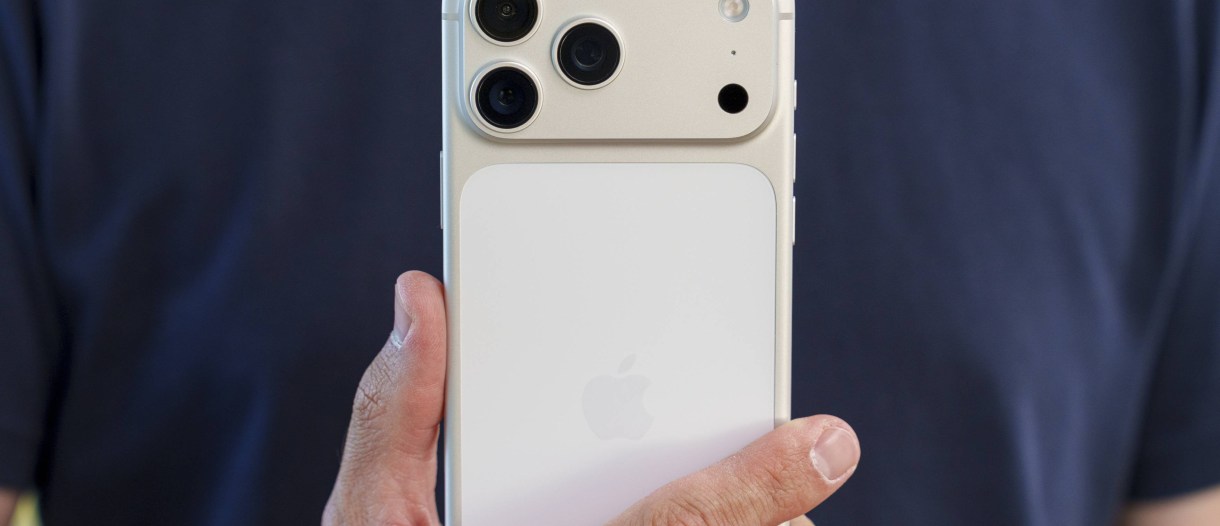






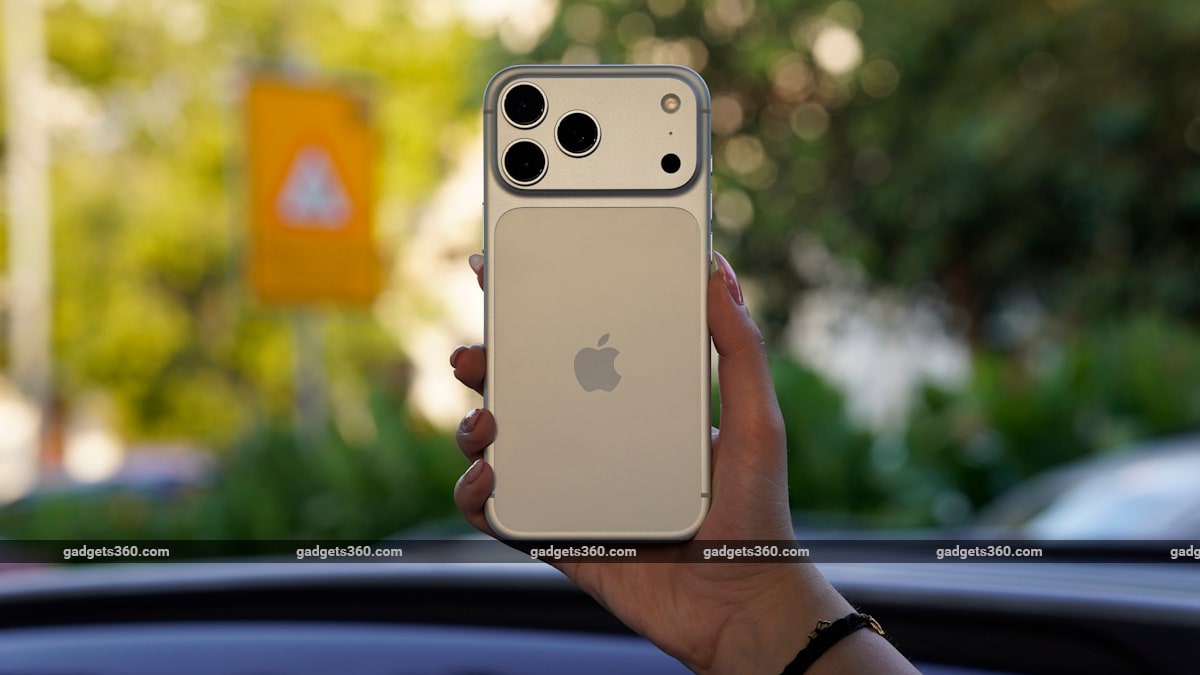
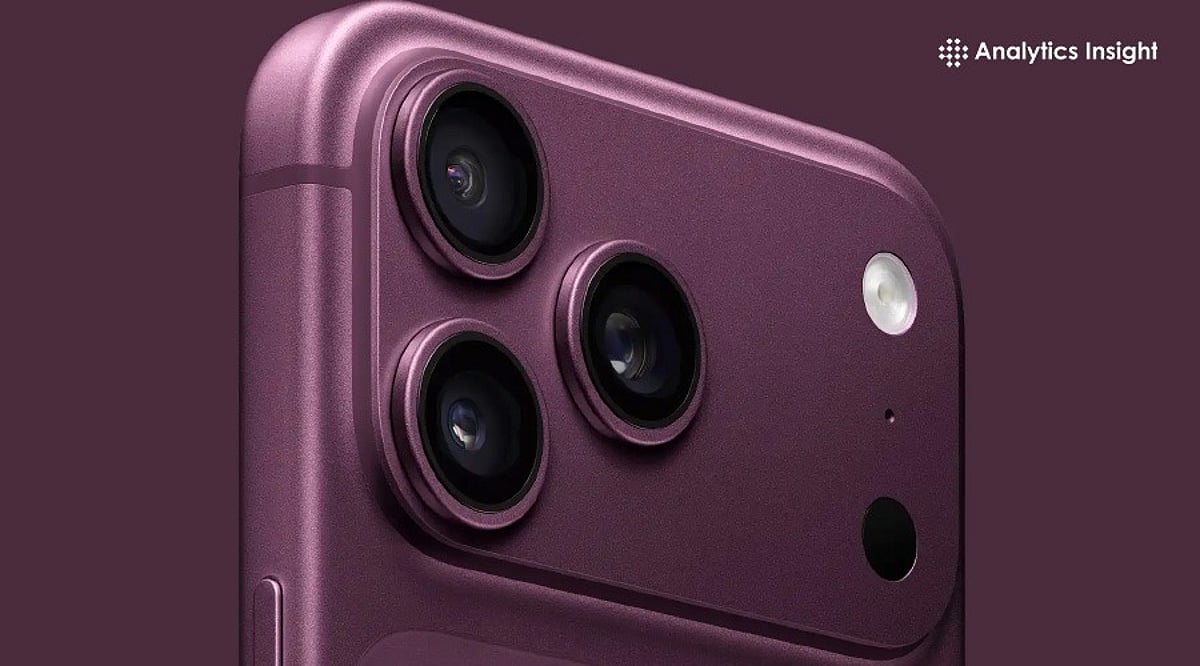
Overview
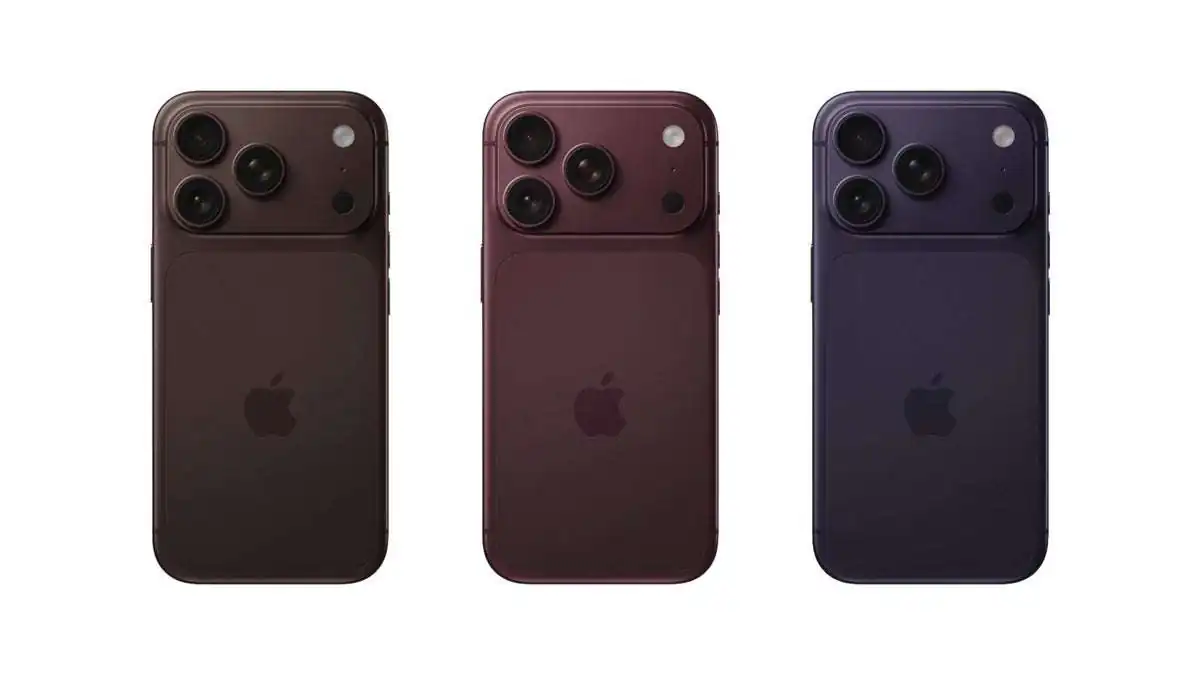
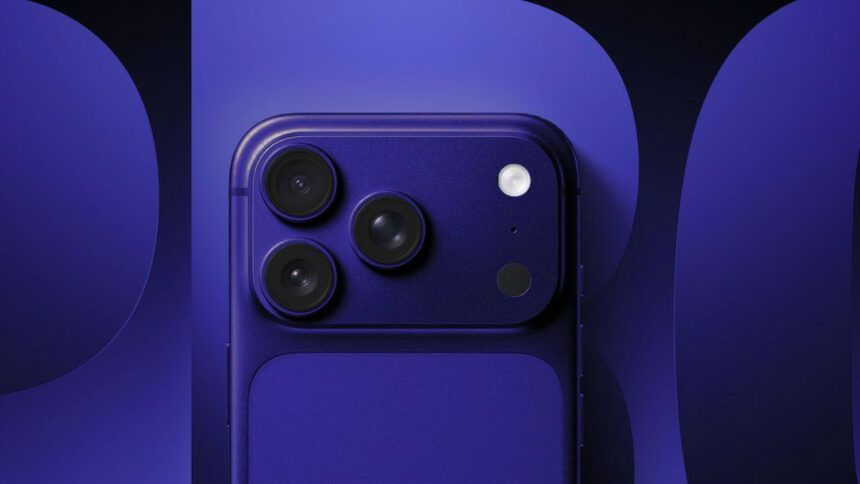
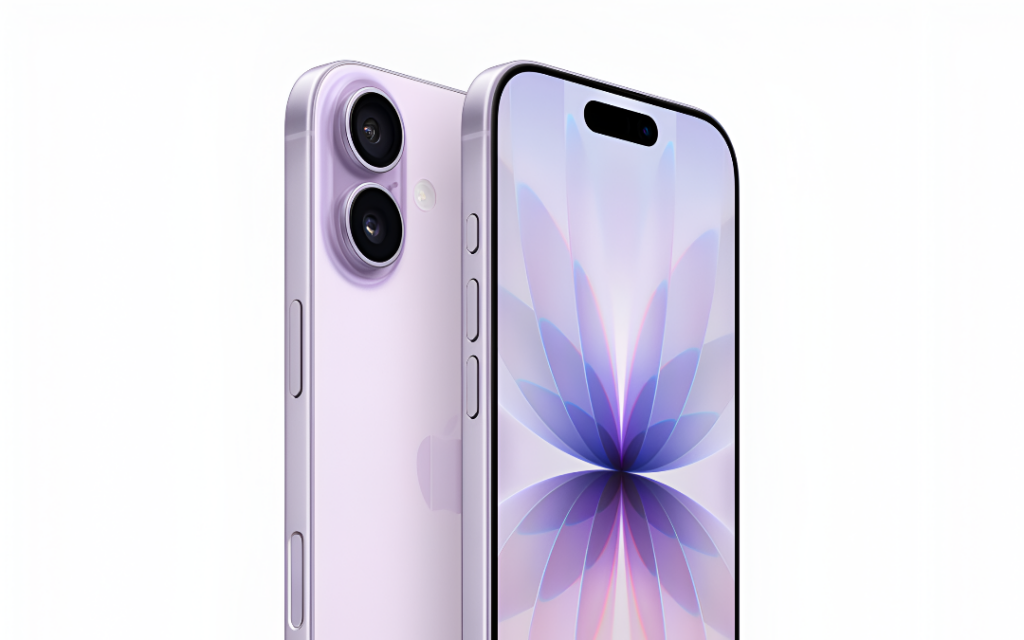
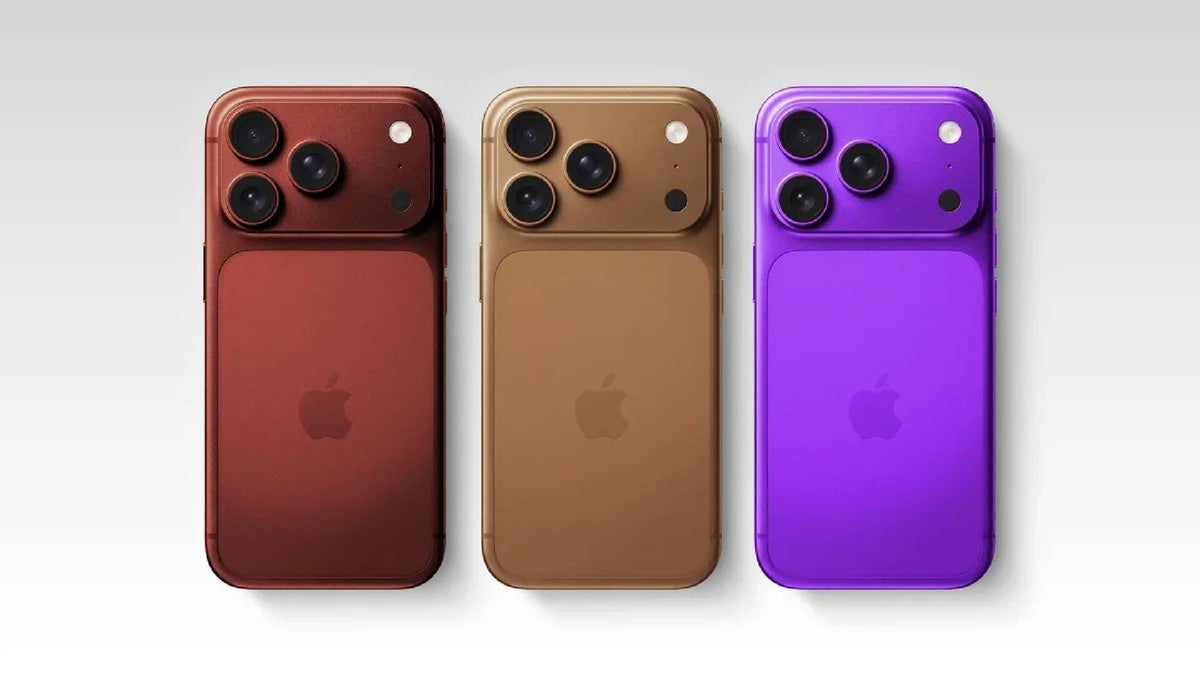
Apple's aggressive pricing strategy for the iPhone 18 Pro and Pro Max represents a critical market shift with direct implications for cross-border e-commerce sellers. According to analyst Jeff Pu's research reviewed by 9to5Mac, Apple will maintain the same starting prices as the iPhone 17 Pro lineup—$1,099 for the Pro and $1,199 for the Pro Max—despite industry-wide price increases driven by AI-related memory cost surges. This contrasts sharply with Android manufacturers who have already raised flagship prices substantially, positioning Apple to capture significant market share during a period of industry contraction.
The Strategic Opportunity for Sellers: This pricing decision creates a multi-layered e-commerce opportunity. First, resellers can capitalize on the price differential between Apple's aggressive base pricing and Android competitors' premium positioning. Early 2024 data already showed iPhone gaining market share from Android devices, and this pricing approach will accelerate that trend. Sellers specializing in smartphone accessories—protective cases, screen protectors, chargers, and premium stands—should prepare for a surge in iPhone 18 Pro demand. The September launch window (alongside Apple's first foldable iPhone) creates a concentrated selling period where accessory demand typically spikes 200-300% in the first 30 days post-launch.
Supply Chain & Inventory Implications: Apple's tiered pricing strategy (maintaining base prices while increasing higher storage variants) signals confidence in supply chain efficiency. For sellers sourcing components or refurbished devices, this indicates Apple will prioritize base-model production, potentially creating supply constraints for premium storage variants. Cross-border sellers should monitor component availability and adjust inventory allocation accordingly. The introduction of the new iPhone Ultra model with premium pricing creates a three-tier market (Pro, Pro Max, Ultra) that mirrors Apple's successful iPad strategy, allowing sellers to target multiple price-sensitive segments.
Competitive Intelligence for Marketplace Sellers: The Android market contraction predicted by analysts means fewer budget-friendly flagship alternatives will be available. This creates an opportunity for sellers to position iPhone 18 Pro as the value leader in premium smartphones. On Amazon, eBay, and Shopify, sellers can leverage this messaging in PPC campaigns targeting Android users searching for "affordable flagship phone" or "best value premium smartphone." The price parity with iPhone 17 Pro also creates refurbished/trade-in opportunities—sellers can acquire iPhone 17 Pro inventory at discounted prices as consumers upgrade, then resell at competitive margins.
Questions 8
How does Apple's iPhone 18 Pro pricing strategy affect reseller margins?
Apple's decision to maintain $1,099-$1,199 base pricing while competitors raise prices creates a 5-15% price advantage for resellers targeting price-conscious premium buyers. Since Android flagships are increasing prices due to memory cost surges, resellers can position iPhone 18 Pro as the value leader in premium smartphones. This pricing parity with iPhone 17 Pro also enables resellers to acquire previous-generation inventory at discounted prices as consumers upgrade, then resell at competitive margins. Early 2024 data shows iPhone already gaining market share from Android, and this pricing approach will accelerate that trend, potentially increasing demand by 20-30% in the first quarter post-launch.
How should cross-border sellers prepare for the September iPhone 18 Pro launch?
Cross-border sellers should begin sourcing accessories inventory 60-90 days before the September launch to ensure stock availability during peak demand. Establish supplier relationships with case manufacturers in China and Vietnam to secure competitive pricing on bulk orders. Set up PPC campaigns on Amazon, eBay, and Shopify targeting keywords like 'iPhone 18 Pro case,' 'iPhone 18 Pro screen protector,' and 'iPhone 18 Pro accessories' 2-3 weeks before launch. Prepare logistics for rapid fulfillment—consider FBA enrollment or 3PL partnerships to handle the 200-300% demand spike. Monitor competitor pricing daily during the launch window to maintain competitive positioning.