



Strait of Hormuz Crisis Drives Oil Prices to $112/Barrel | Shipping Cost Impact for Cross-Border Sellers
- Brent crude surges 3.61% amid military intervention; fuel surcharges hit seller margins within 30-60 days; Asia-Pacific sourcing routes face 10-15% cost increases through Q2 2026































Overview
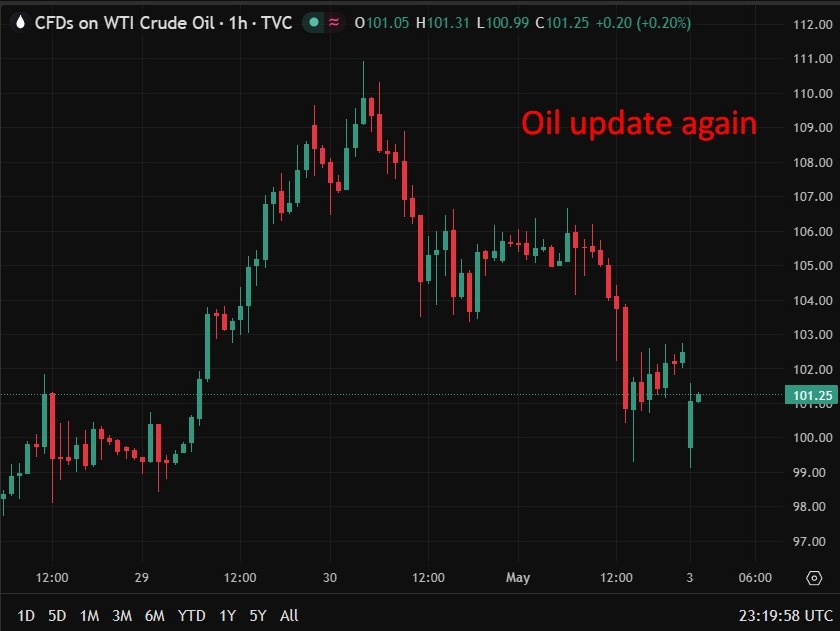
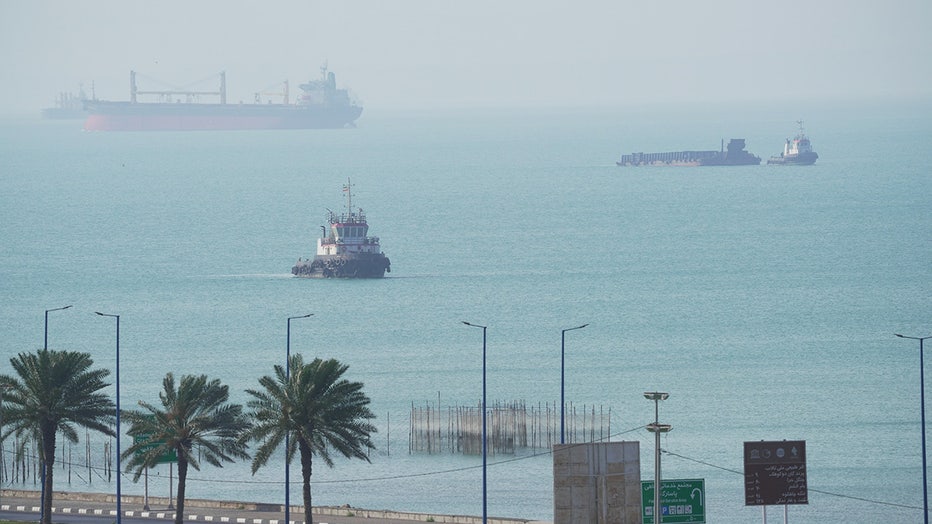
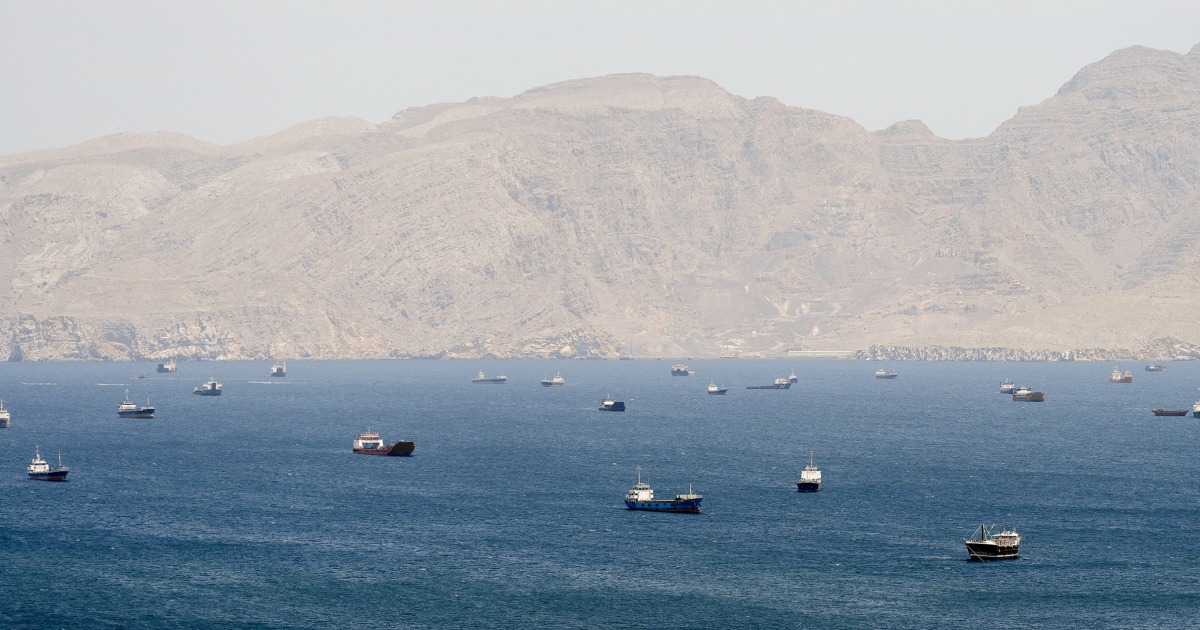
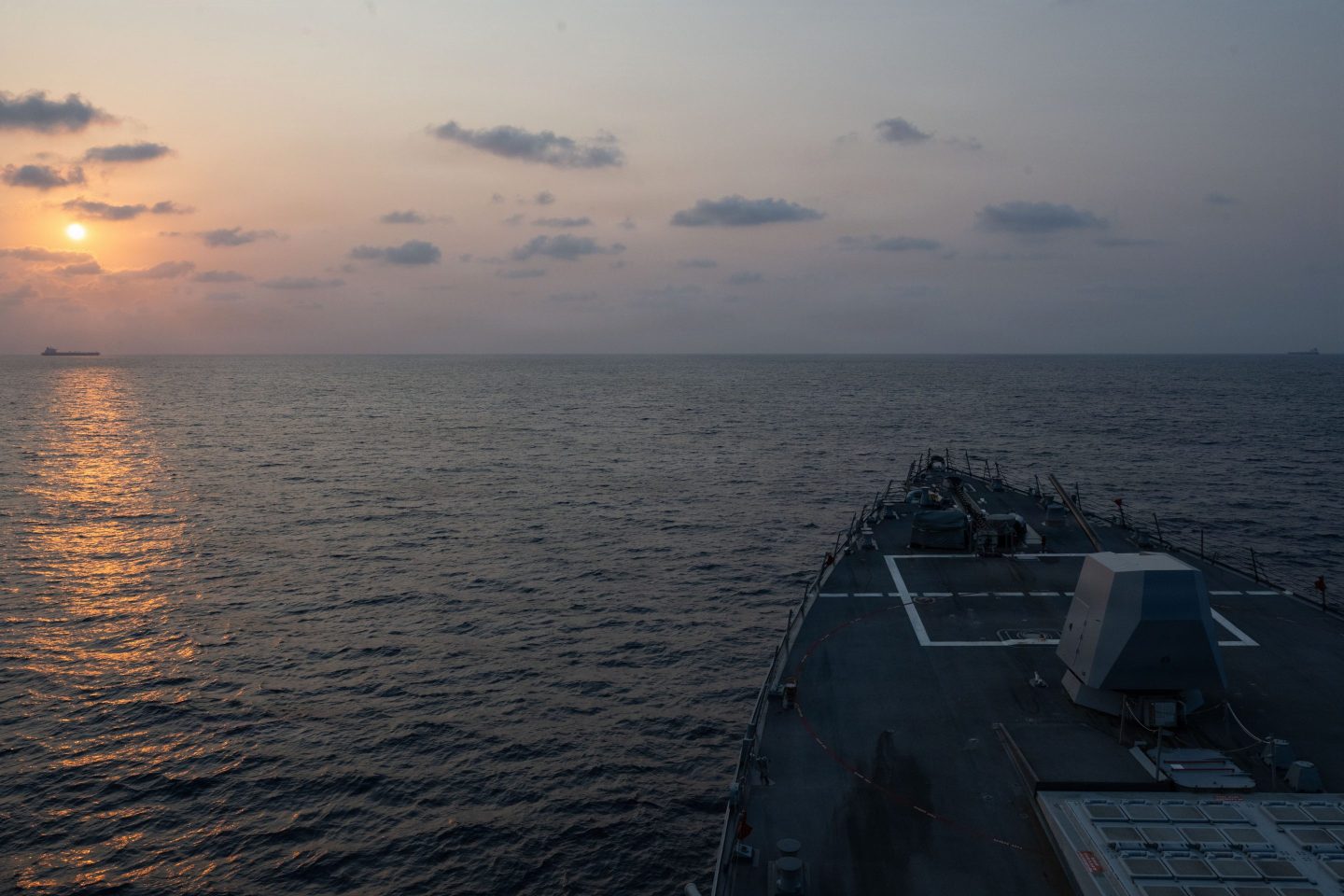
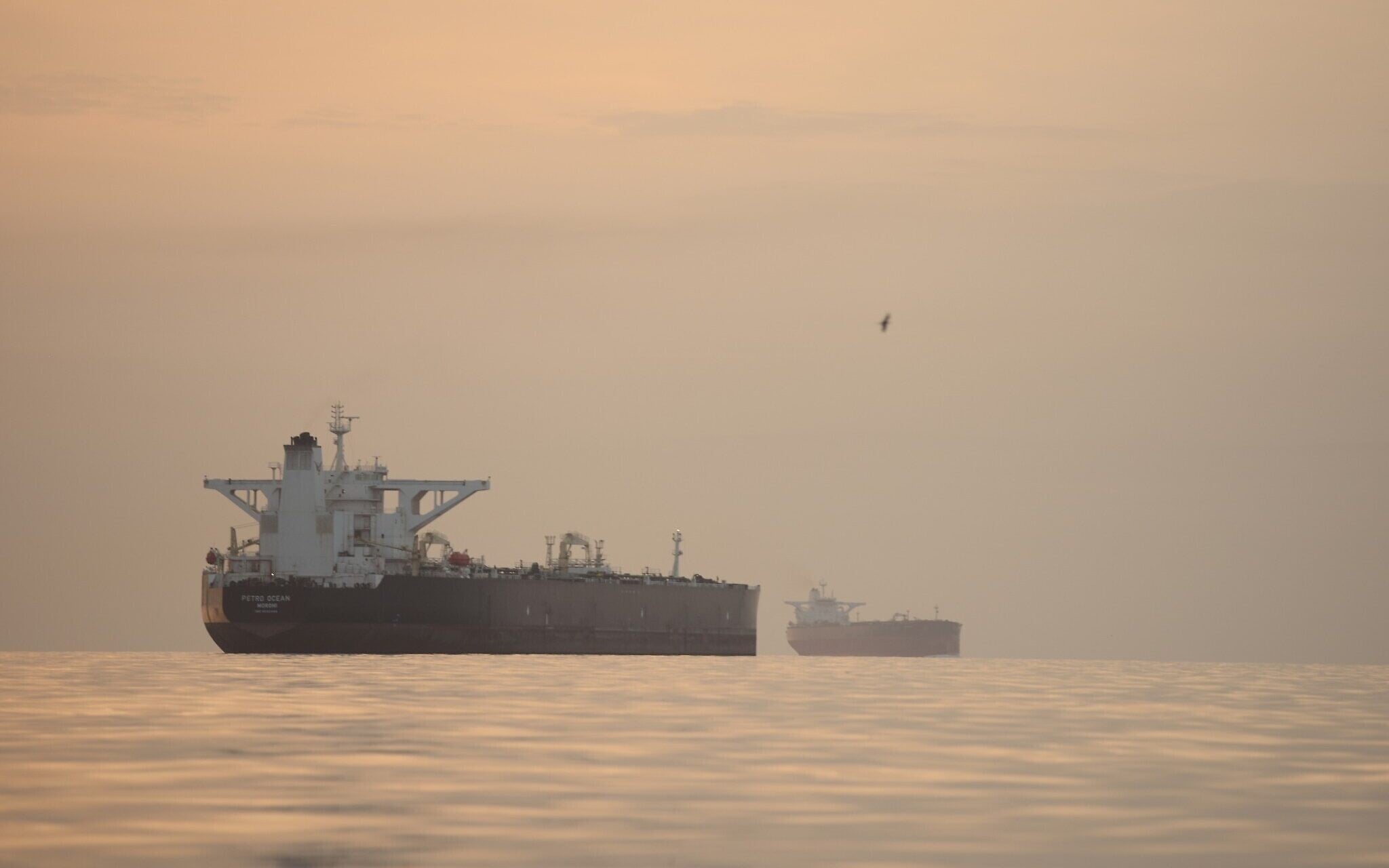
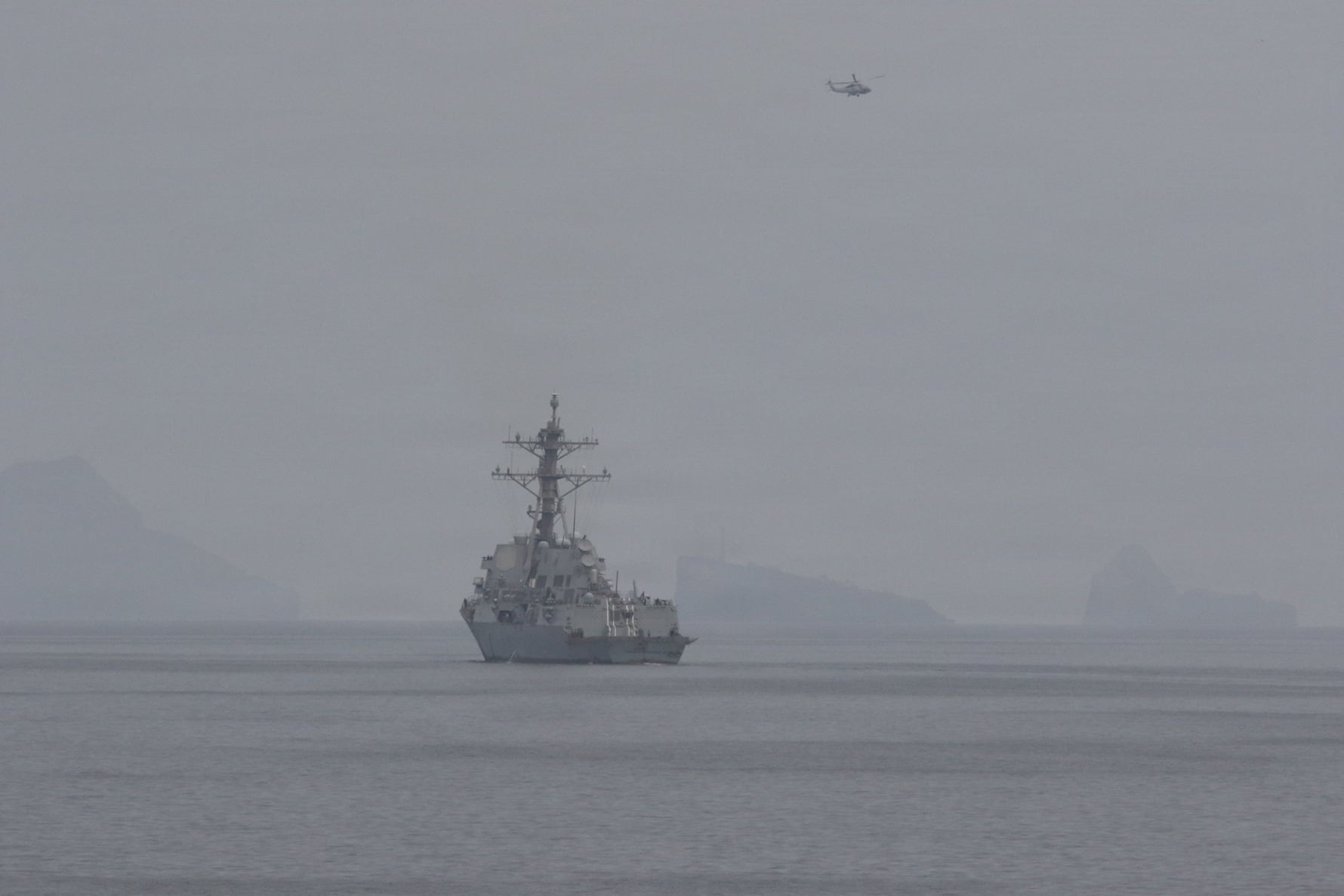
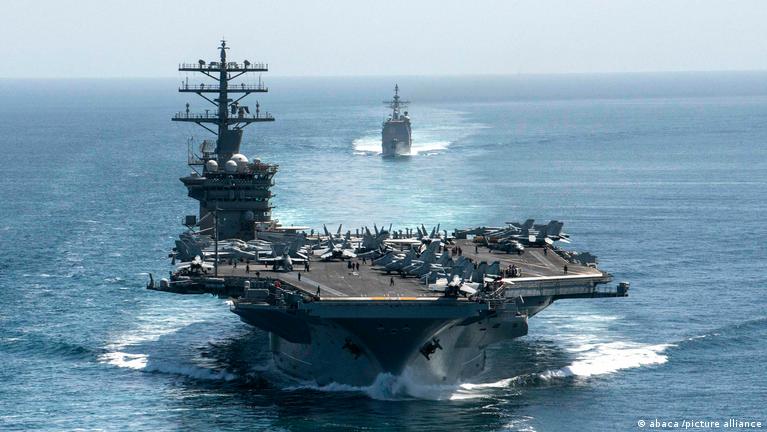
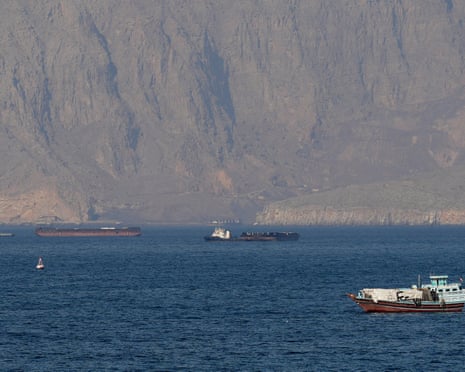
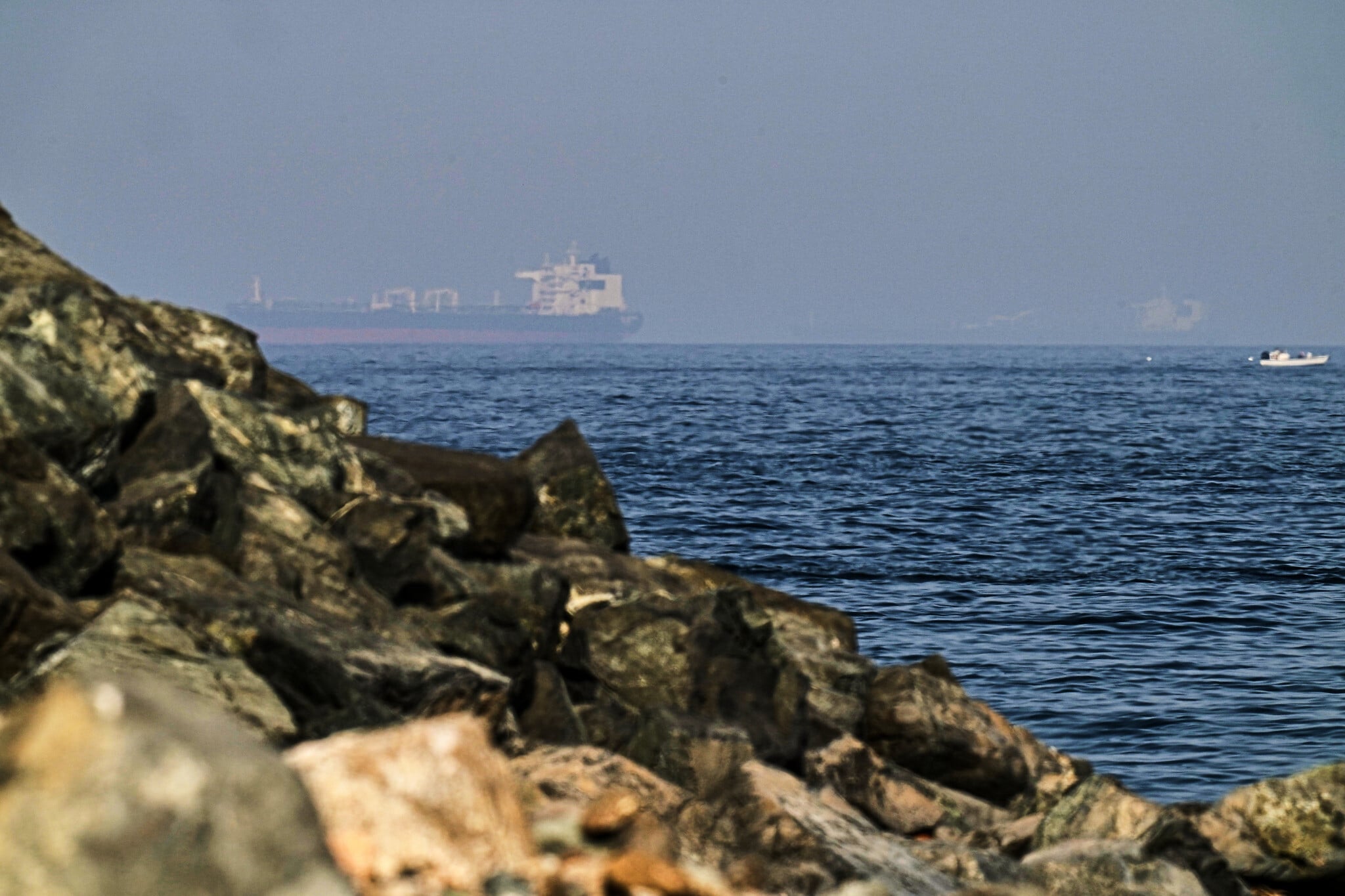
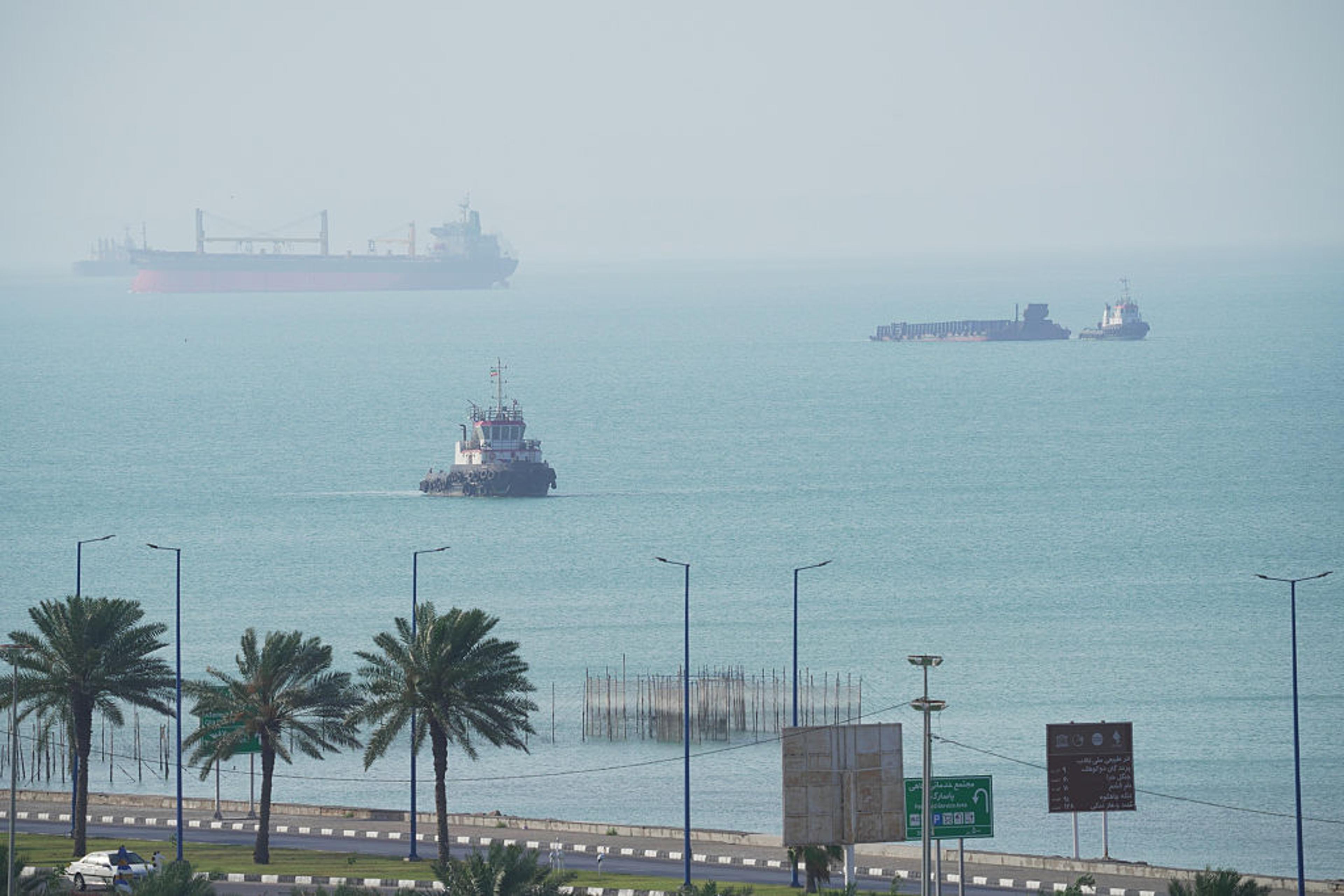
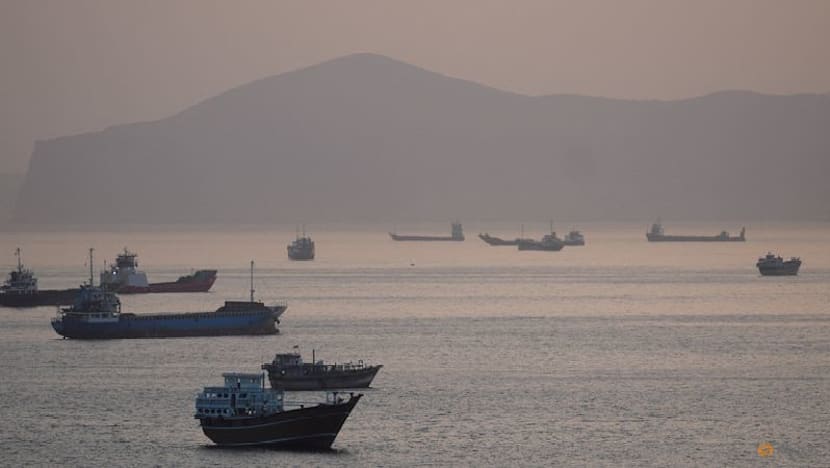
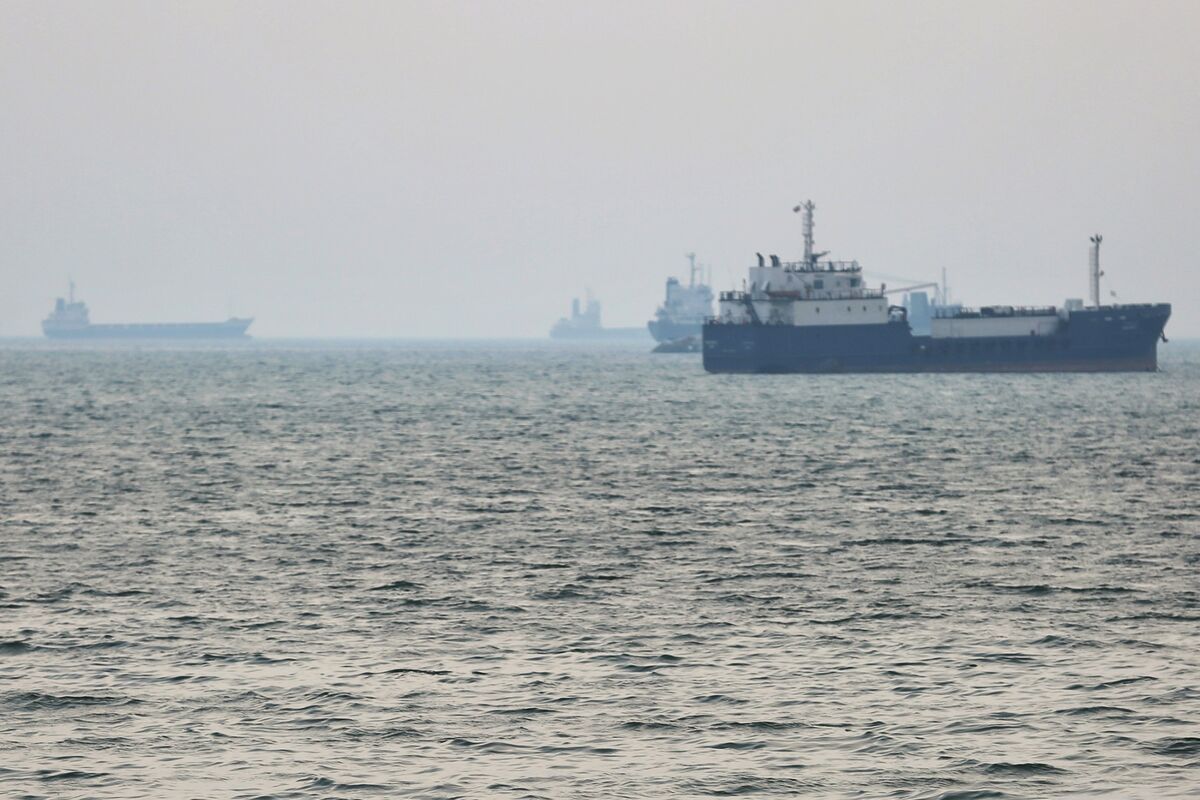
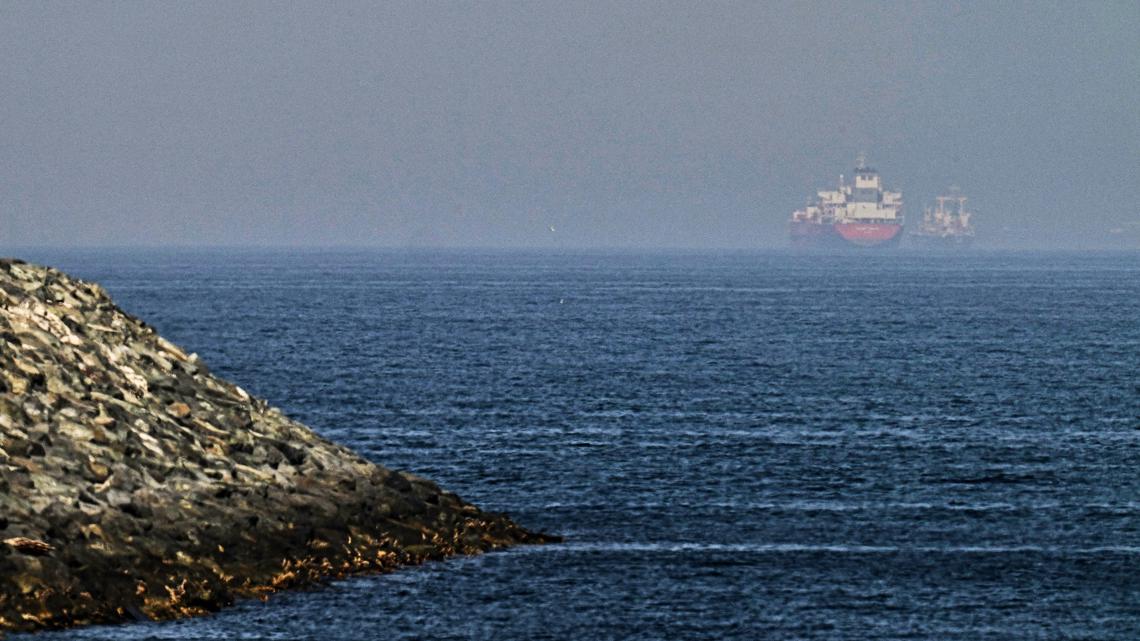
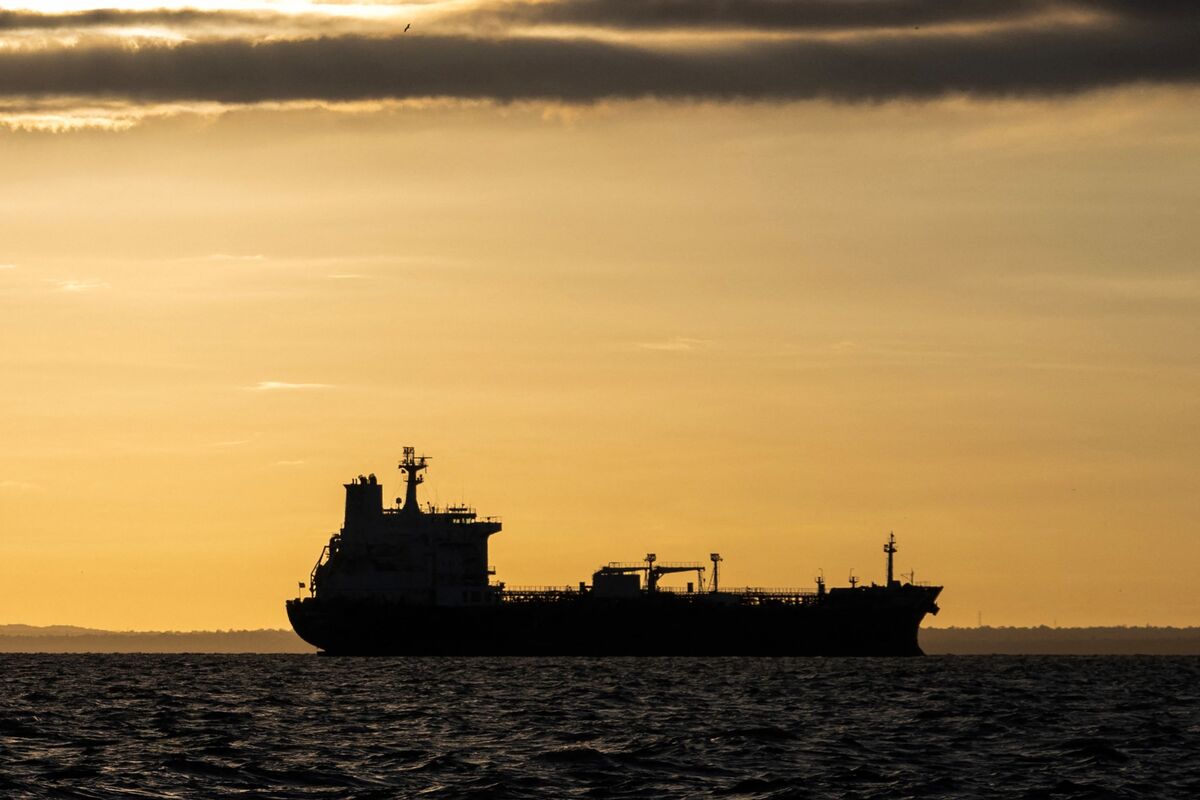
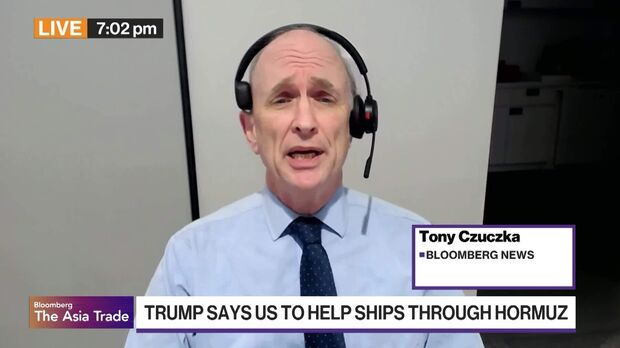
The Strait of Hormuz blockade represents a critical supply chain crisis for cross-border e-commerce sellers, with immediate and cascading cost implications. President Trump's announcement of "Project Freedom" on May 4, 2026—a U.S. military operation involving 15,000 service members, guided-missile destroyers, and 100+ aircraft—aims to free cargo ships stranded in this critical waterway that handles approximately 21% of global petroleum transit. The blockade has already driven Brent crude futures to $112.08/barrel (up 3.61%) and West Texas Intermediate to $105.55/barrel (up 3.54%), with industry experts warning that sustained prices above $125/barrel could trigger global economic recession according to Moody's Analytics.
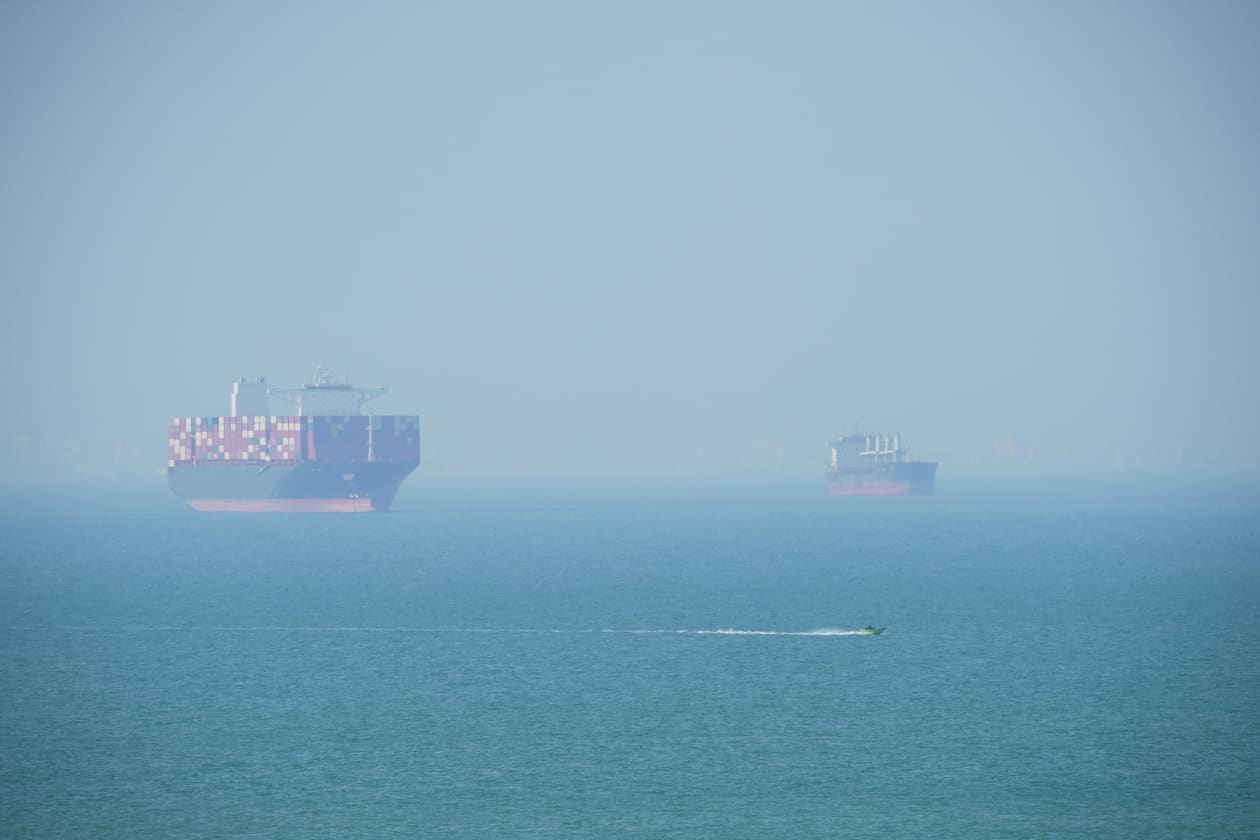
For cross-border e-commerce sellers, this translates to immediate shipping cost compression. Logistics providers typically pass fuel surcharges to shippers within 30-60 days, meaning sellers shipping goods from Asia-Pacific markets to North America and Europe face 8-12% increases in air freight costs and 5-8% increases in ocean freight rates. A seller shipping 1,000 units monthly via air freight (average cost $3-5/unit) could see additional surcharges of $240-600 monthly. Sellers relying on time-sensitive shipments—particularly in electronics, apparel, and perishables categories—face heightened uncertainty as maritime traffic remains near standstill despite historically handling one-fifth of world energy transit. The UK Maritime Trade Operations agency reported active threats, with a tanker hit by projectiles north of Fujairah, UAE, creating additional insurance and routing complications.
Strategic sourcing opportunities emerge from this disruption. Sellers currently dependent on Asia-Pacific sourcing should evaluate alternative supply chains: Vietnam, India, and Mexico-based suppliers offer 15-20% cost advantages when avoiding Strait of Hormuz routes. OPEC's concurrent approval of 188,000 barrels/day output increase (following UAE's cartel exit) suggests potential price stabilization by Q2-Q3 2026, creating a 6-9 month window of elevated costs before relief. Sellers with inventory in transit face immediate margin compression, while those with flexibility can adjust pricing strategies or shift to 3PL providers offering alternative routing through the Suez Canal (longer transit times but potentially lower fuel surcharges). The military operation's success could reduce logistics costs by Q2-Q3 2026, but escalation risks remain given Iran's warnings against U.S. forces, making this a volatile 6-month planning horizon for international commerce.
Questions 8
Which product categories are most affected by shipping cost increases?
High-volume, time-sensitive categories face the greatest margin compression: electronics (average 15-20% margins), apparel (10-15% margins), and perishables (5-10% margins). Low-weight, high-value items like jewelry and watches absorb fuel surcharges better due to higher margins (40-60%). Bulk, heavy items like furniture and sporting goods see 2-4% margin compression per 1% fuel surcharge increase. Sellers in electronics and apparel should prioritize pricing adjustments or inventory repositioning. Perishable sellers face the highest risk due to time-sensitive shipping requirements and inability to delay shipments.
How much will my shipping costs increase due to the Strait of Hormuz blockade?
Fuel surcharges typically increase 5-8% for ocean freight and 8-12% for air freight within 30-60 days of oil price spikes. With Brent crude at $112.08/barrel (up 3.61%), a seller shipping 1,000 units monthly via air freight at $3-5/unit faces additional surcharges of $240-600 monthly. Logistics providers like DHL, FedEx, and UPS automatically apply fuel surcharges to international shipments. The impact varies by carrier and route—Asia-Pacific to North America routes see higher surcharges than intra-European shipments. Monitor your logistics provider's fuel surcharge index weekly, as rates adjust based on crude oil futures.