




Pragmata: The Strategic Convergence of Cross-Platform Gaming and Global Market Innovation
- A Landmark Release Demonstrating Next-Generation Game Development and International Market Positioning








Overview
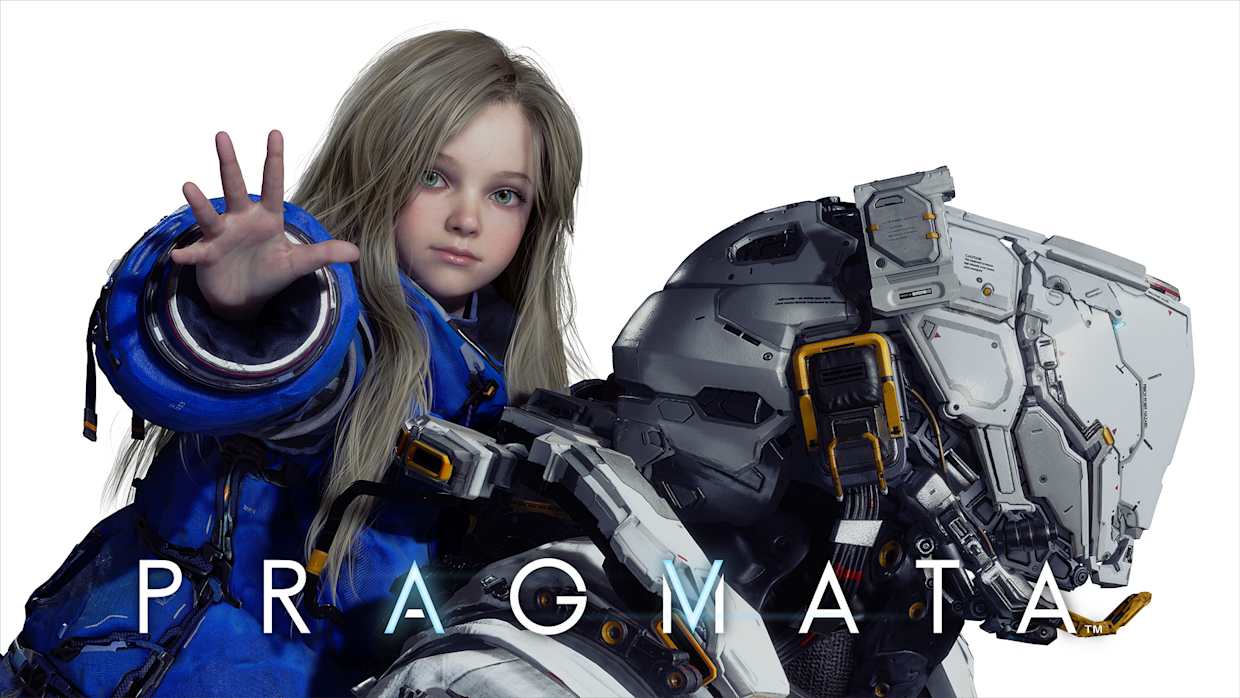
The Pragmata game release represents a pivotal moment in cross-platform gaming strategy, revealing how sophisticated game developers are transforming technological constraints into competitive advantages. Capcom's meticulous approach to the game's multi-platform launch—spanning PC, PS5, Xbox Series X/S, and Nintendo Switch 2—demonstrates a new paradigm of game development that prioritizes technical optimization and global market penetration.
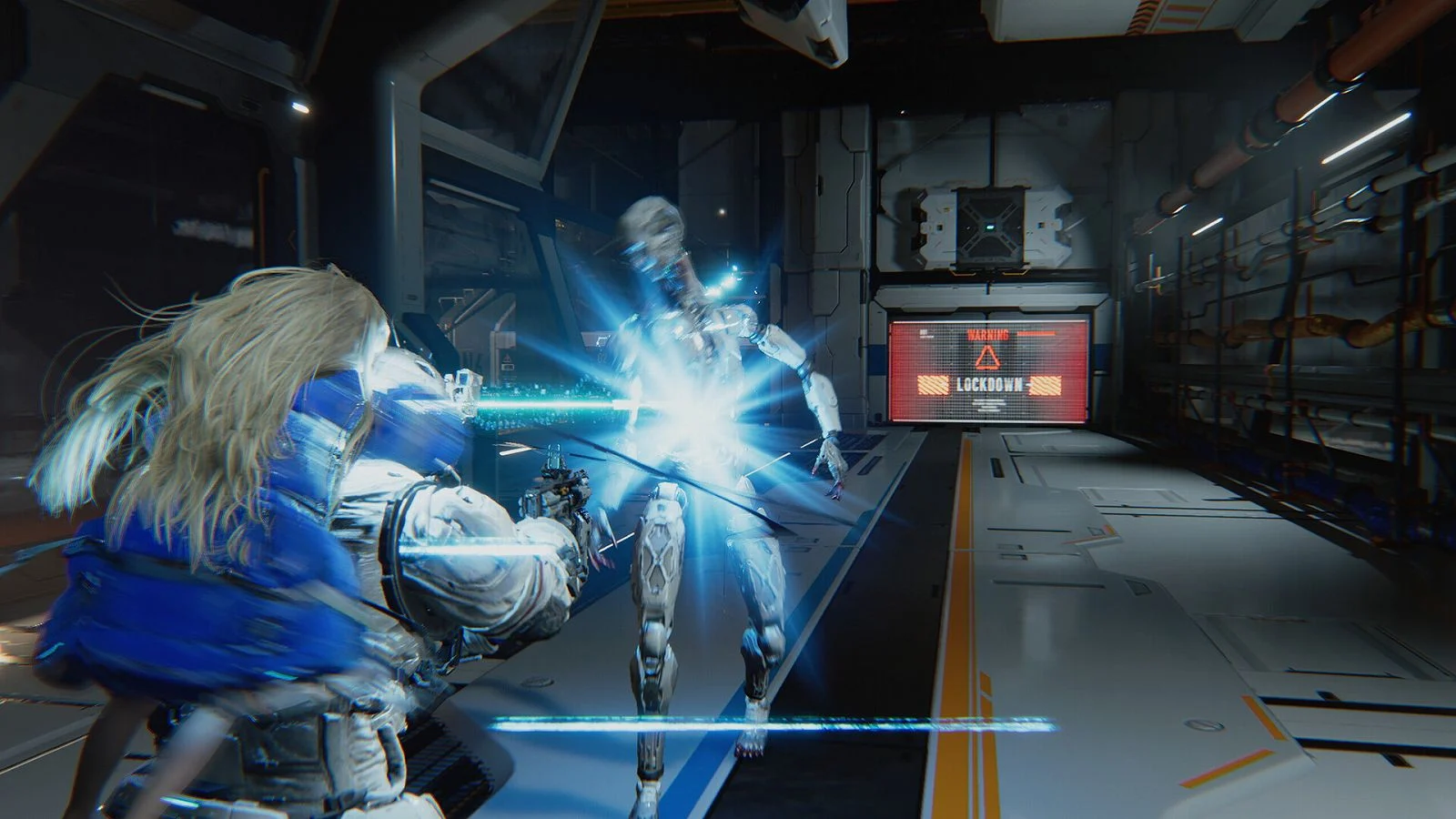
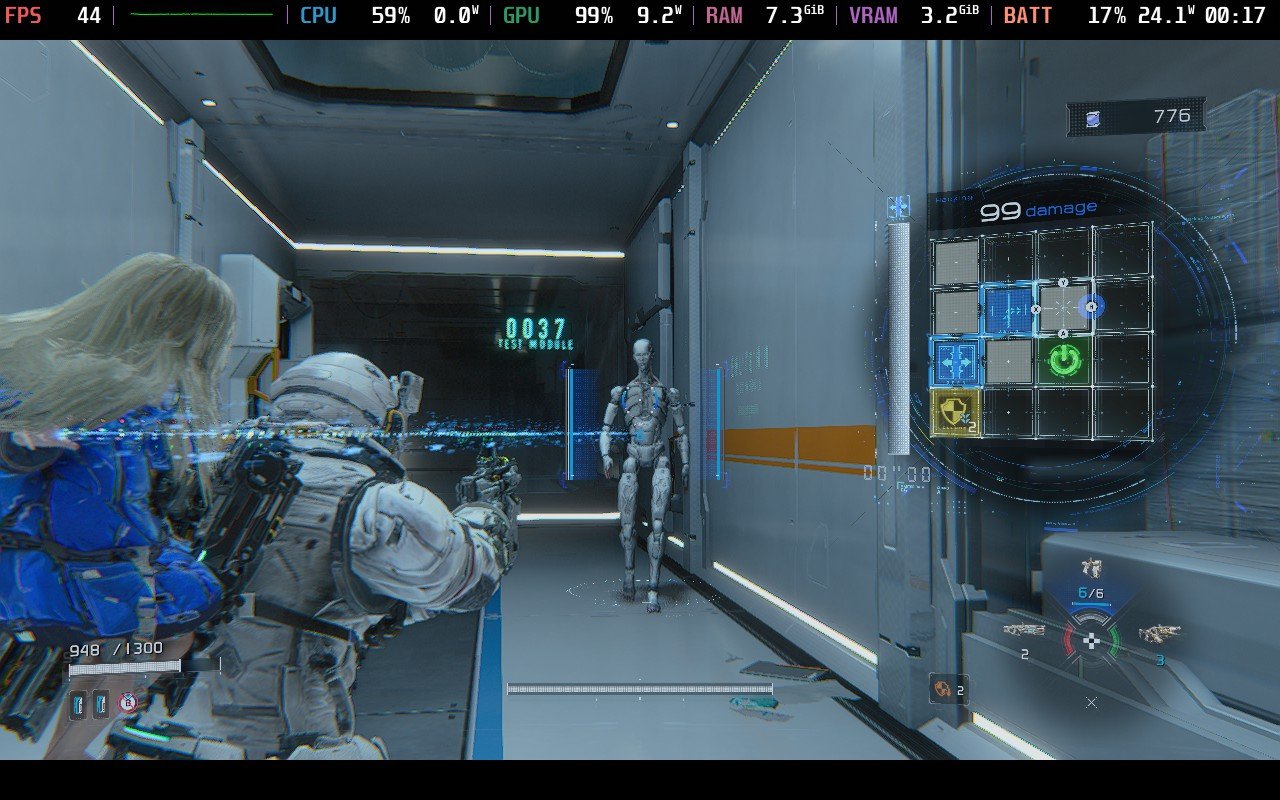
Technical Optimization as a Competitive Lever: By releasing an early Steam demo, Capcom is pioneering a data-driven development approach. The demo serves not just as a marketing tool, but as a sophisticated testing ground for performance across diverse hardware environments. Producer Naoto Oyama's team prioritized framerate stability and player comfort over pure graphical complexity, signaling a mature understanding that technical performance trumps visual spectacle in creating compelling gaming experiences.
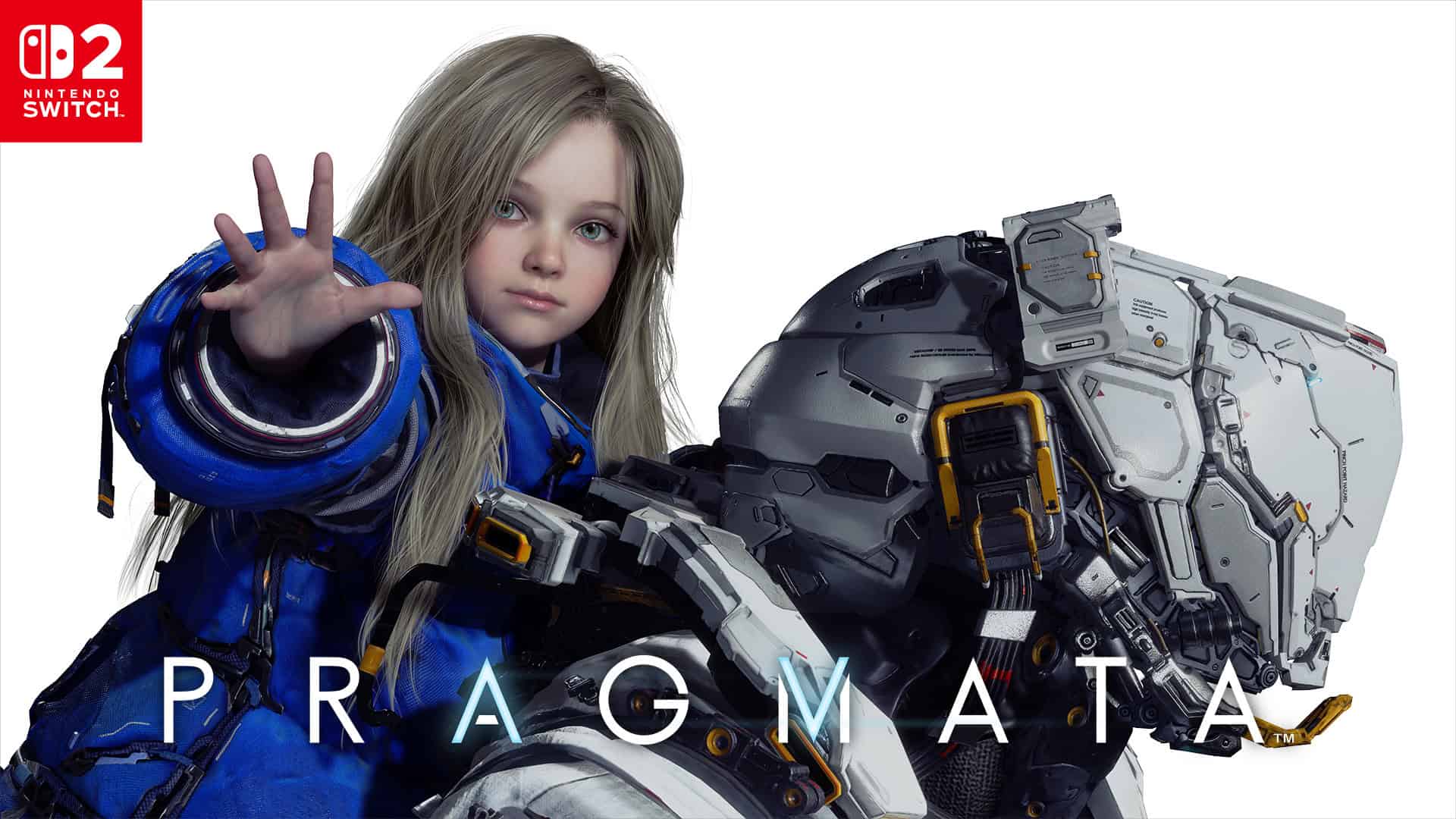
The multi-platform strategy is particularly noteworthy. By simultaneously targeting PC, current-gen consoles, and the upcoming Nintendo Switch 2, Capcom is positioning Pragmata as a flexible, adaptable gaming experience. The game's compatibility with Nintendo Switch Online and support for multiple languages (including Japanese, French, German, Italian, Spanish, Korean, Russian, and Chinese dialects) reveals a carefully orchestrated global market entry strategy.
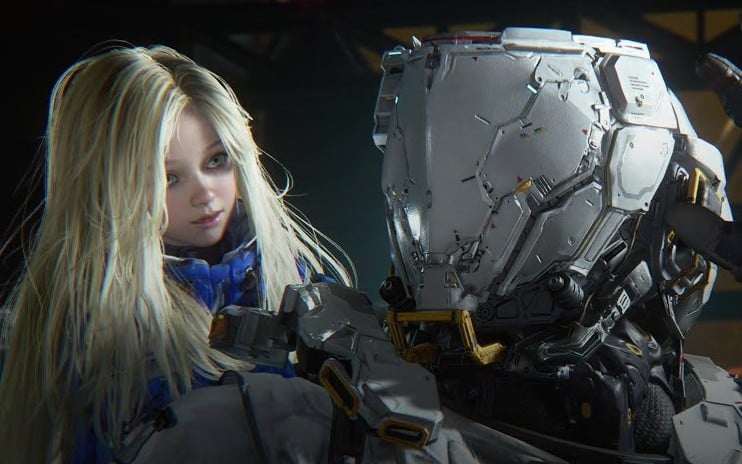
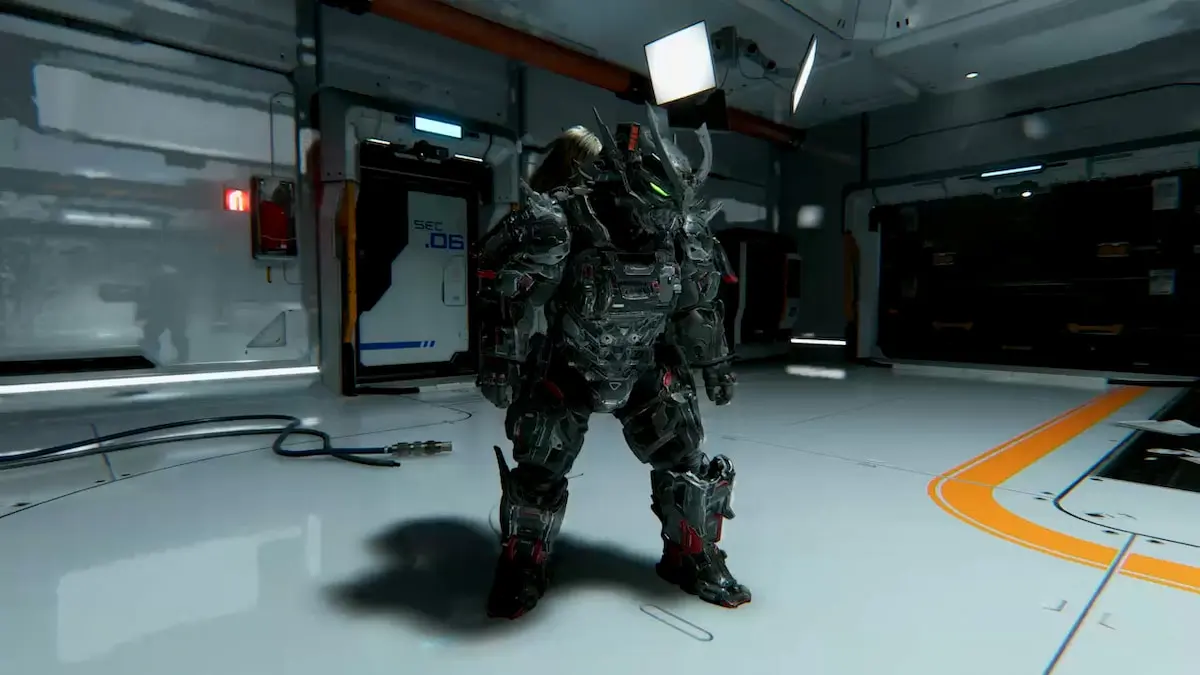
Strategic Market Positioning: The game's pre-order bonuses—unique character outfits inspired by the Sengoku Period—demonstrate sophisticated cultural marketing. By embedding Neo Bushido and Neo Kunoichi costume themes, Capcom is not just selling a game, but crafting a narrative experience that resonates across international markets. The 17 GB file size and multi-mode support (TV, tabletop, handheld) further underscore the developer's commitment to flexible, user-centric design.
Pragmata emerges as more than a game; it's a blueprint for next-generation game development that seamlessly integrates technical innovation, market strategy, and cultural storytelling. Developers and publishers will likely study this release as a masterclass in global product positioning.
Questions 3
How does Pragmata's global market strategy differ from traditional game launches?
Unlike traditional game launches, Pragmata incorporates multi-language support across 8 languages, culturally resonant pre-order bonuses (Neo Bushido and Neo Kunoichi costumes), and a flexible game design supporting multiple play modes. This approach transforms the game from a product into a globally tailored entertainment experience.
What makes Pragmata's multi-platform approach unique?
Pragmata demonstrates a sophisticated multi-platform strategy by simultaneously targeting PC, PS5, Xbox Series X/S, and Nintendo Switch 2, with careful technical optimization for each platform. The early Steam demo serves as a technical testing ground, allowing developers to gather performance data and refine the game experience across diverse hardware environments.