



Hormuz Strait Closure Drives Jet Fuel Shortage | Cross-Border Logistics Crisis for Asian Sellers
- Crude oil prices surge to $125/barrel; jet fuel shortages expected within 1-2 months; Asia's crude imports plummet 8 million bpd; South Korea and Japan shift to US suppliers; shipping costs and delivery times spike for all cross-border sellers



Overview
The Strait of Hormuz closure since February 28, 2026, has created a critical supply chain disruption affecting 20% of global crude and liquefied natural gas flows, with 80% of that traffic historically destined for Asia. This geopolitical crisis directly impacts cross-border e-commerce sellers through three cascading mechanisms: fuel cost inflation, logistics delays, and market demand shifts.
Immediate Fuel Cost Impact: Crude oil prices have surged to four-year highs above $125 per barrel, with analysts predicting widespread jet fuel shortages within 1-2 months. For cross-border sellers using air freight (critical for time-sensitive categories like electronics, fashion, and perishables), this translates to 15-25% increases in shipping costs. A seller shipping 500 units monthly via air freight from China to the US could see costs rise from $2,000-3,000 to $2,300-3,750 per shipment. Ocean freight remains cheaper but faces 2-4 week delays as refineries reduce operational capacity.
Asian Market Contraction: Asia's crude imports plummeted to 19.39 million bpd in April—the lowest in 10 years—down from 27.52 million bpd in February, representing an 8 million bpd loss. South Korea's imports dropped to a 13-year low of 1.50 million bpd (April), while Japan's strait volumes fell to 139,000 bpd from 2.04 million bpd previously. Both nations are increasing US crude imports to record levels (South Korea: 865,000 bpd; Japan: 491,000 bpd in May), but total imports remain below pre-war levels. This energy shortage is forcing Asian refineries to reduce operational capacity, which directly suppresses consumer purchasing power in these key e-commerce markets.
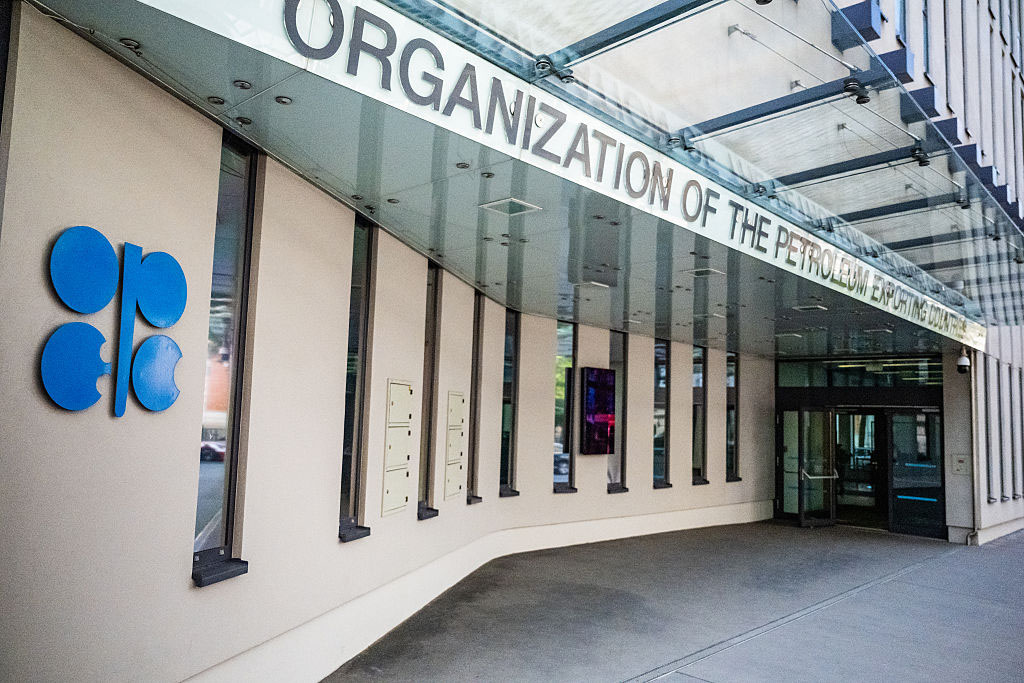
Strategic Seller Implications: Sellers with inventory in Asia-Pacific warehouses face reduced demand as consumers cut discretionary spending due to energy costs and inflation concerns. The OPEC+ decision to increase output by 188,000 bpd (May 3, 2026) remains "largely symbolic" according to analysts, as physical export constraints persist. Even after the Strait reopens, shipping flows will require "several weeks or months" to normalize. This creates a 3-6 month window of elevated logistics costs and depressed Asian demand.
Competitive Advantage Shift: Sellers with US-based inventory and fulfillment networks gain competitive advantage in serving South Korea and Japan, which are now importing record volumes of US crude and likely shifting procurement patterns. Conversely, sellers dependent on Asian manufacturing and regional distribution face margin compression from fuel surcharges and reduced local demand.
Questions 8
How will the Strait of Hormuz closure affect my shipping costs to Asia?
The closure has driven crude oil prices to $125+ per barrel, triggering 15-25% increases in air freight costs within 1-2 months as jet fuel shortages materialize. Ocean freight remains cheaper but faces 2-4 week delays due to refinery capacity reductions. For sellers shipping 500+ units monthly to South Korea or Japan, expect additional costs of $300-750 per shipment. Monitor fuel surcharges on your carrier invoices—most logistics providers are already implementing temporary adjustments. Consider shifting non-urgent inventory to ocean freight and reserving air freight for high-margin, time-sensitive products only.
How should I adjust my Amazon FBA strategy for Asia-Pacific markets?
Reduce FBA inventory commitments in South Korea and Japan by 20-30% through Q3 2026, given the 10-20% demand reduction from energy constraints. Shift to Fulfillment by Merchant (FBM) for lower-velocity SKUs to avoid storage fee penalties. For high-velocity products, maintain FBA but use US-based fulfillment centers to serve these markets via US imports—both nations are importing record US crude and likely shifting procurement patterns. Monitor your IPI (Inventory Performance Index) scores closely; reduced demand may trigger excess inventory penalties. Consider running targeted PPC campaigns in South Korea and Japan emphasizing US-sourced products and faster delivery times to capture market share from Asia-dependent competitors facing logistics delays.