


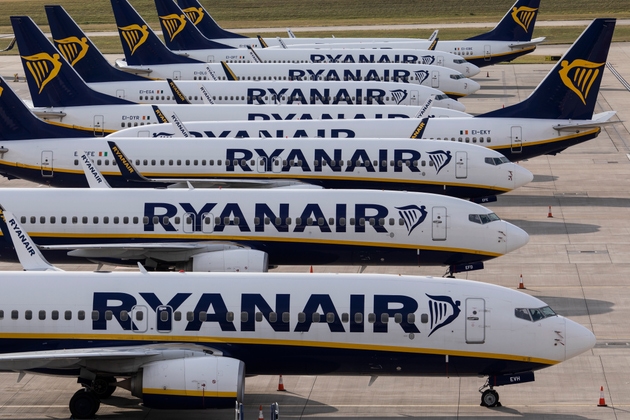



Air Freight Costs Surge 120% | Critical Impact on Cross-Border Sellers
- Jet fuel prices doubled from £831 to £1,838/tonne since February 2024; Lufthansa cuts 20,000 flights; air freight capacity constraints threaten time-sensitive e-commerce fulfillment across Europe and Asia-Pacific markets
























Overview
The Strait of Hormuz blockade triggered by Middle East geopolitical tensions has created an unprecedented jet fuel crisis directly impacting cross-border e-commerce logistics. Jet fuel prices surged 120% from £831 to £1,838 per tonne since late February 2024, with European prices climbing from €68.27 to €153.84 per barrel by late April. The International Energy Agency warned Europe has approximately six weeks of jet fuel remaining, with daily consumption at 1.6 million barrels against domestic production of only 1.1 million barrels. This supply-demand imbalance directly affects e-commerce sellers relying on air freight for time-sensitive international shipments.
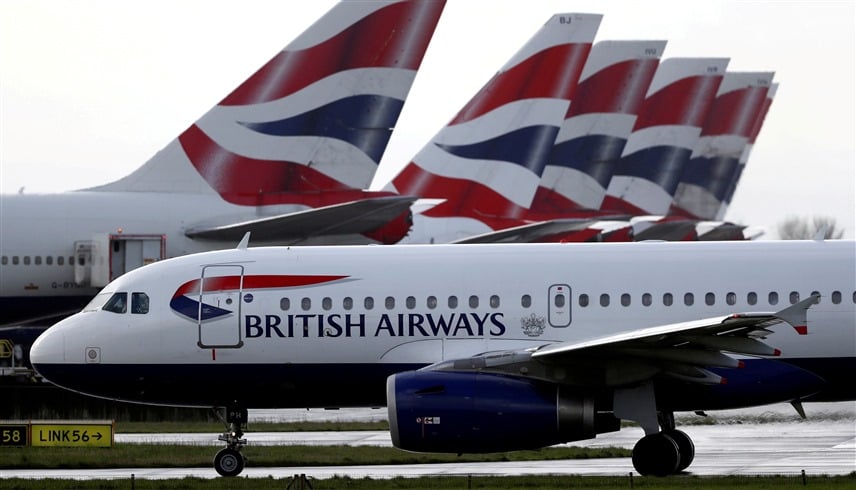
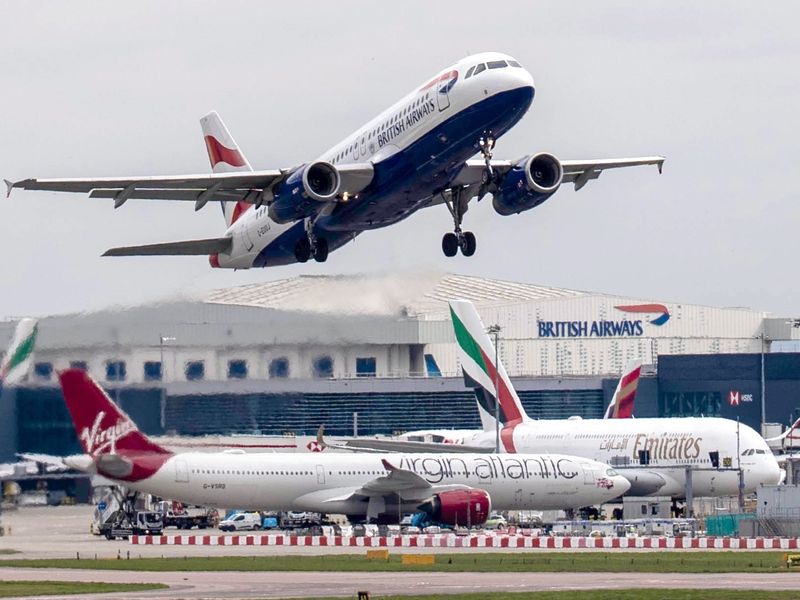
For cross-border sellers, the operational impact is severe and immediate. Airlines have responded with aggressive capacity cuts—Lufthansa removing 20,000 flights through October, Scandinavian Airlines canceling 1,000 flights, and Air France-KLM imposing €100 surcharges on long-haul routes. Long-haul air freight costs have increased £76+ per shipment (London-Melbourne example), while short-haul European routes face capacity constraints rather than price competition. Sellers shipping express parcels, perishables, electronics, and fashion items to European markets face 15-25% cost increases on air freight services. The crisis particularly impacts small-to-medium sellers (SMBs) without fuel hedging contracts—unlike major carriers with locked-in rates, 3PL providers and freight forwarders are passing through 100% of fuel surcharges to shippers. EasyJet's hedging strategy at £717/tonne still cost £25 million in March alone, illustrating the magnitude of unhedged exposure.
Strategic sourcing shifts are accelerating as alternative supply sources emerge. Europe's vulnerability stems from over 50% reliance on Gulf imports combined with only four operational UK refineries (down from nine two years ago). Alternative sources from the US, East Asia, South Korea, Taiwan, and Nigeria provide partial relief but cannot fully replace lost Middle Eastern supplies. This creates a critical 6-week window (April-June 2024) for sellers to optimize logistics strategies before potential supply shortages intensify. Sellers should immediately evaluate 3PL providers' fuel hedging status, shift non-urgent shipments to ocean freight (2-4 week transit), and consolidate air freight shipments to maximize per-unit cost efficiency. The AccelerateEU plan for jet fuel monitoring and supply coordination across EU member states may eventually stabilize prices, but near-term volatility will persist. Well-hedged carriers gain competitive advantages, while unhedged operators face severe margin pressure—creating opportunities for sellers to negotiate better rates with carriers offering fuel-locked pricing through mid-2024.
Questions 8
What is the timeline for the jet fuel shortage to impact e-commerce logistics?
The International Energy Agency warned Europe has approximately six weeks of jet fuel remaining as of mid-April 2024, with reserves potentially reaching critical levels by June if current import trends continue. This creates an urgent 6-week window (April-June 2024) for sellers to optimize logistics strategies before potential supply shortages intensify further. Airlines have already begun cutting schedules—Lufthansa removing 20,000 flights through October—indicating capacity constraints will persist through Q3 2024. Sellers should act immediately to secure freight capacity and negotiate fuel-locked pricing with carriers before June 2024.
Which e-commerce product categories are most affected by the jet fuel crisis?
Time-sensitive categories relying on air freight are most vulnerable: electronics (high-value, fast-moving inventory), fashion/apparel (seasonal demand windows), perishables (food, cosmetics), and express parcels under 30kg. These categories typically use air freight for 20-40% of international shipments to meet delivery windows. Sellers in these categories should immediately shift non-urgent inventory to ocean freight (2-4 week transit) and consolidate air shipments to reduce per-unit costs. Conversely, sellers of heavy, low-margin items (furniture, bulk goods) using ocean freight are largely insulated from this crisis.