


Press Freedom Crisis Drives Demand for Journalism-Themed Products and Advocacy Merchandise
- Global press freedom at 25-year low creates niche e-commerce opportunities in educational materials, documentary content, and activist merchandise targeting 50M+ socially conscious consumers






Overview
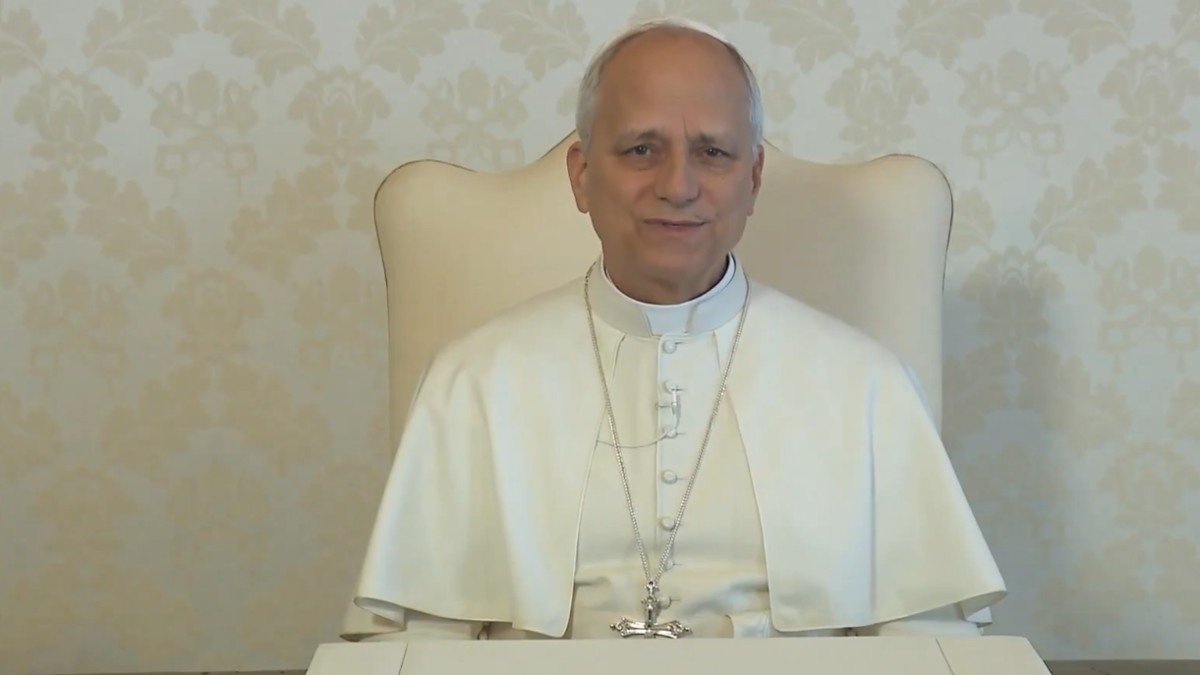
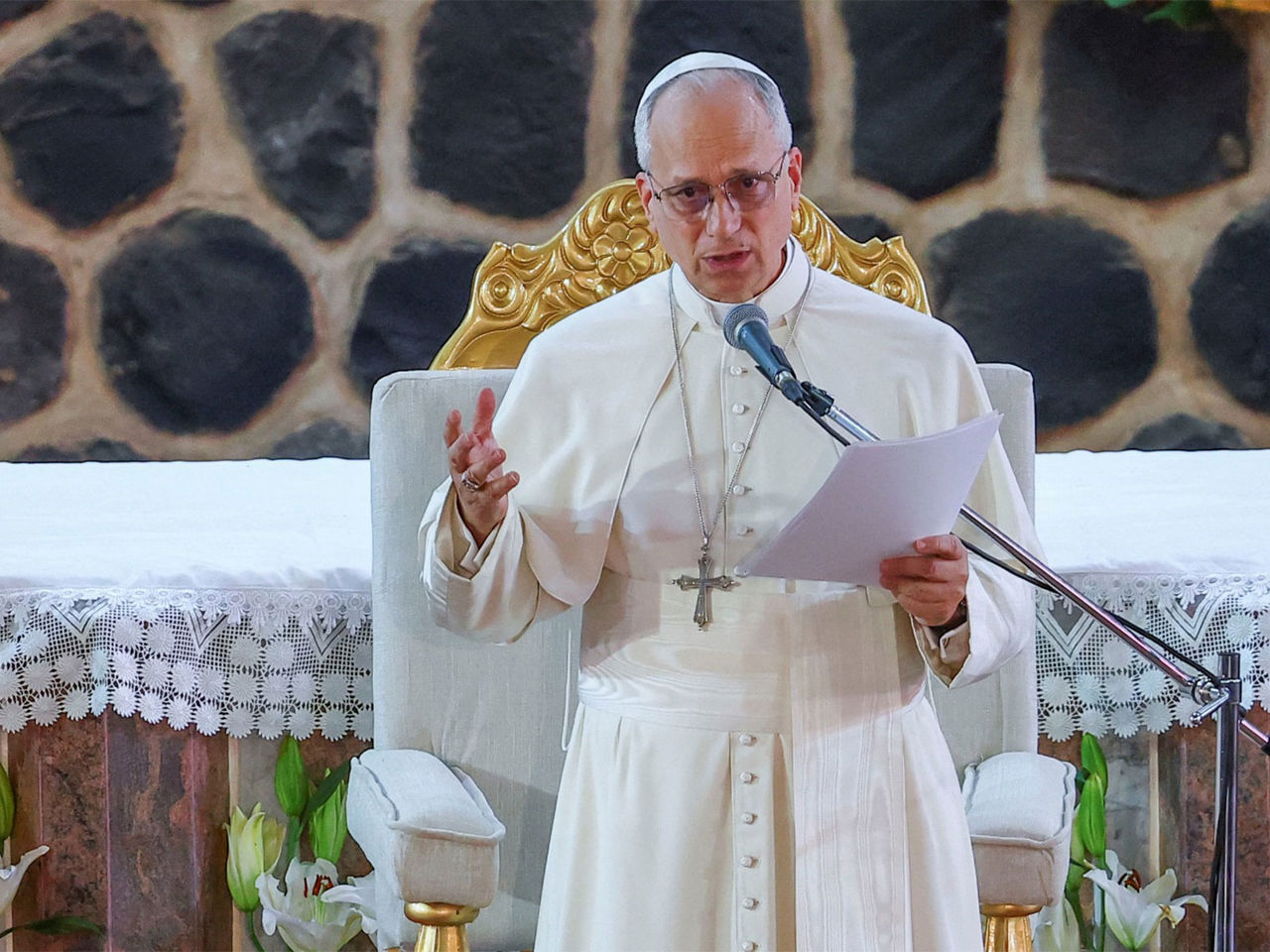
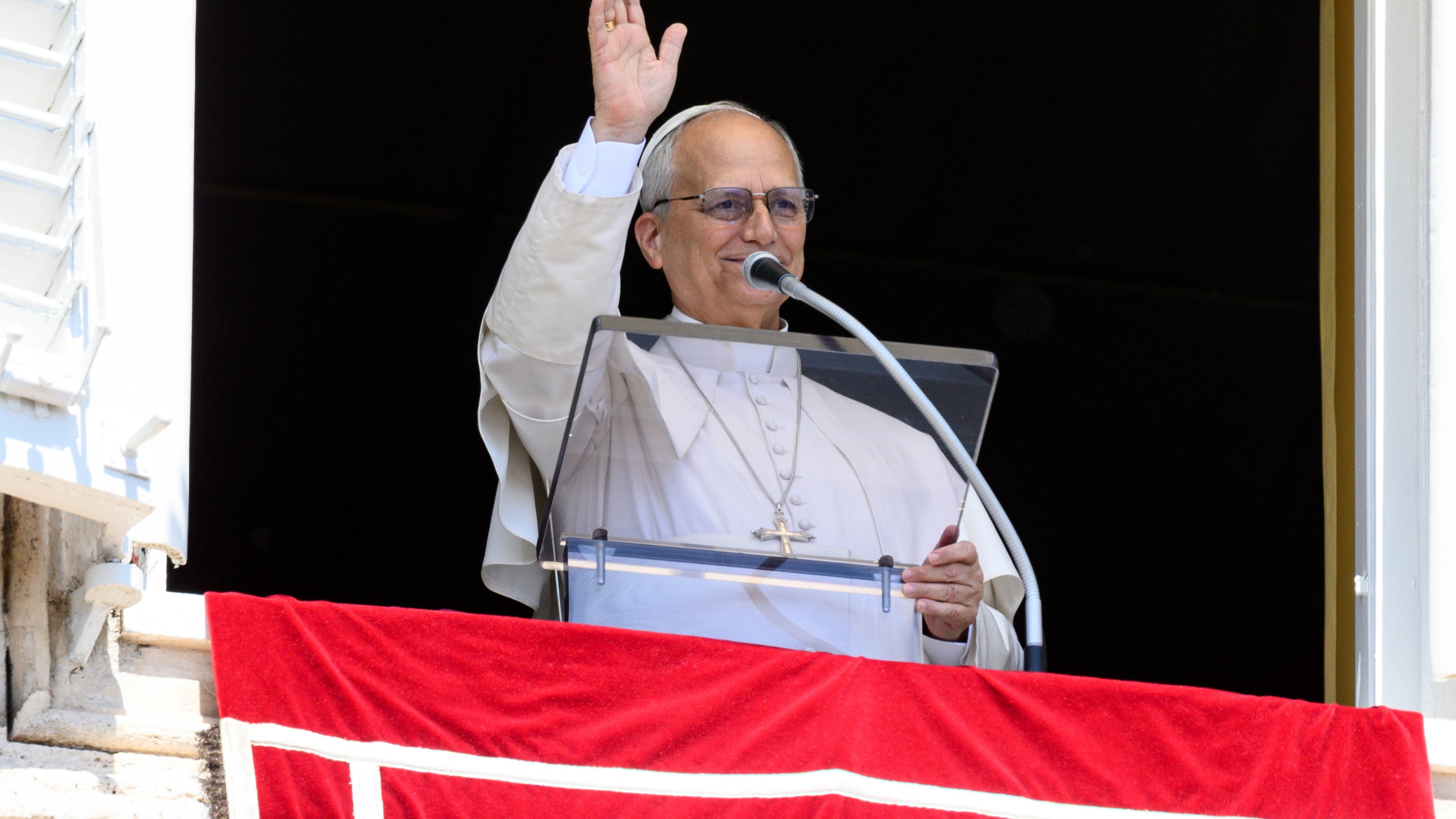
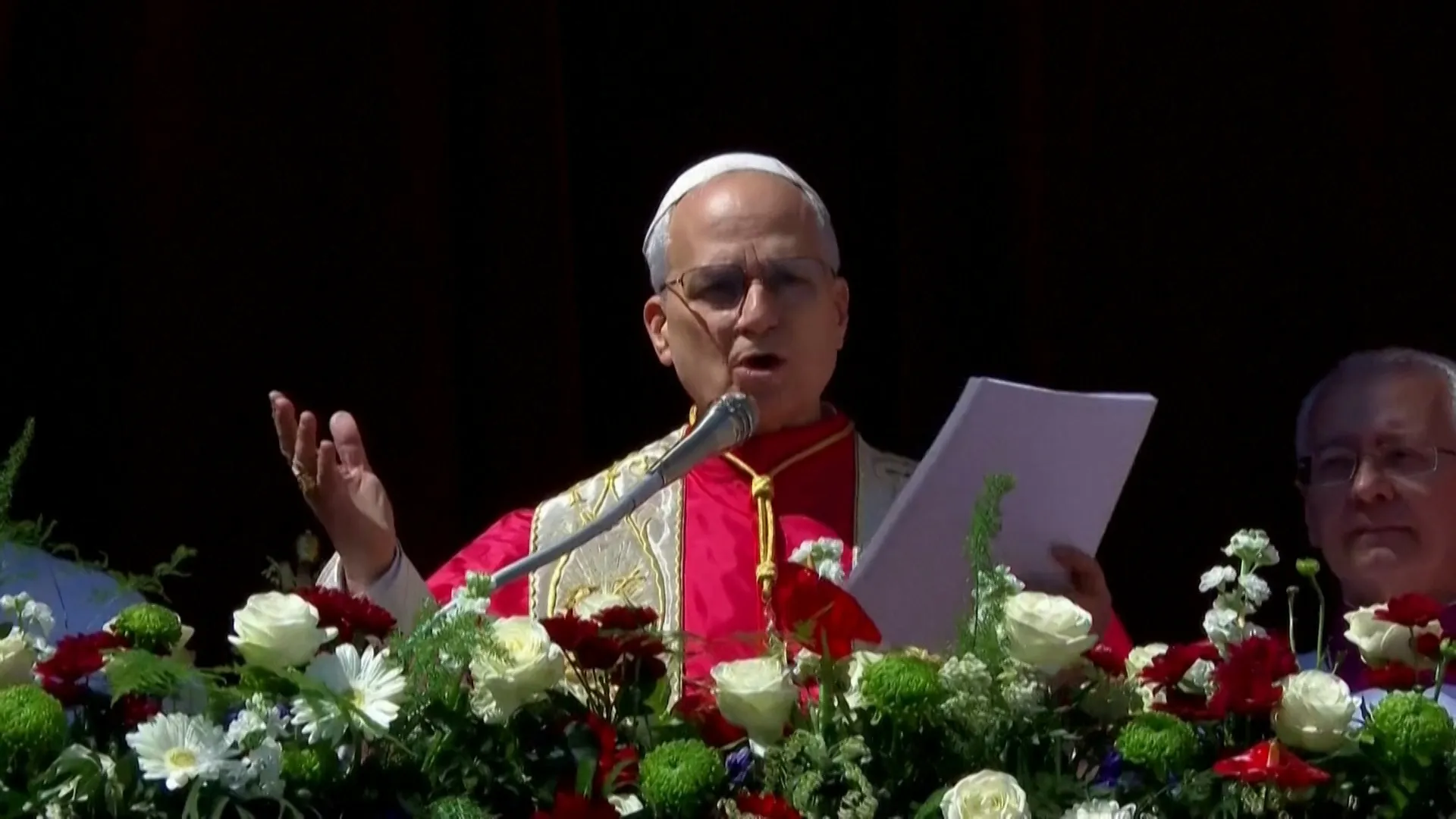
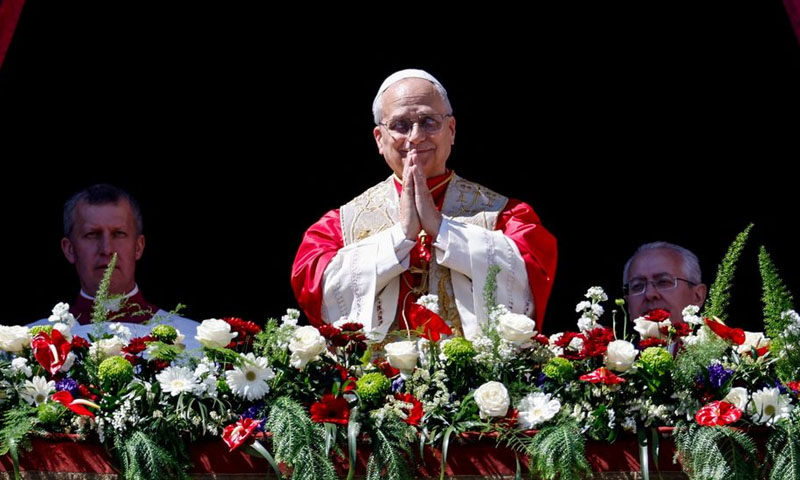
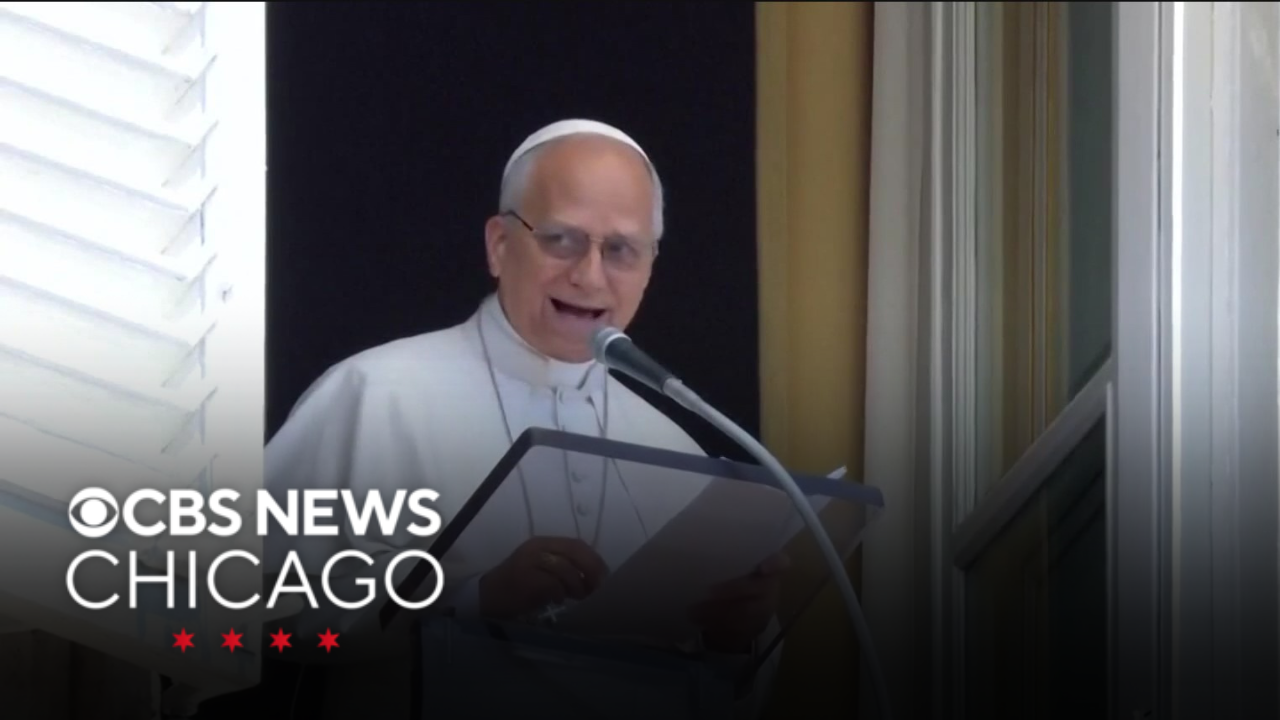
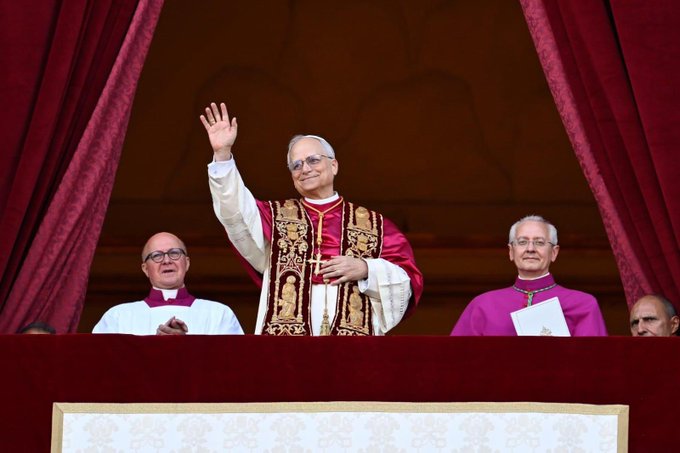
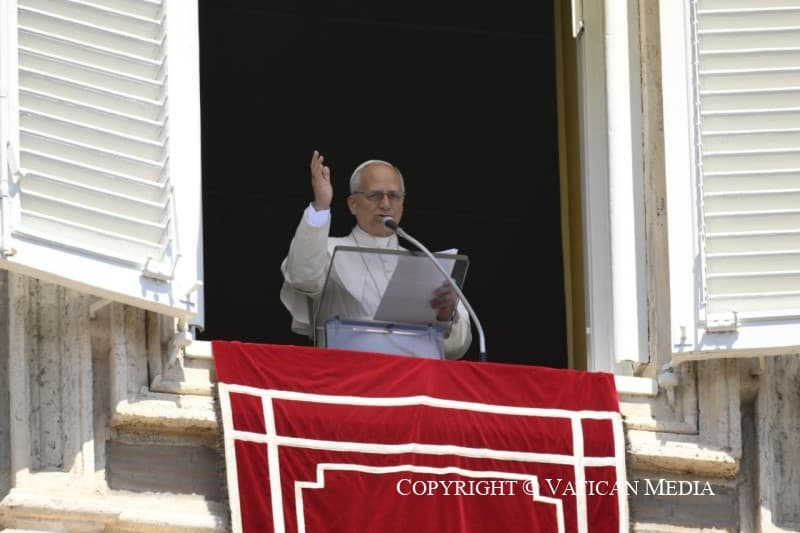
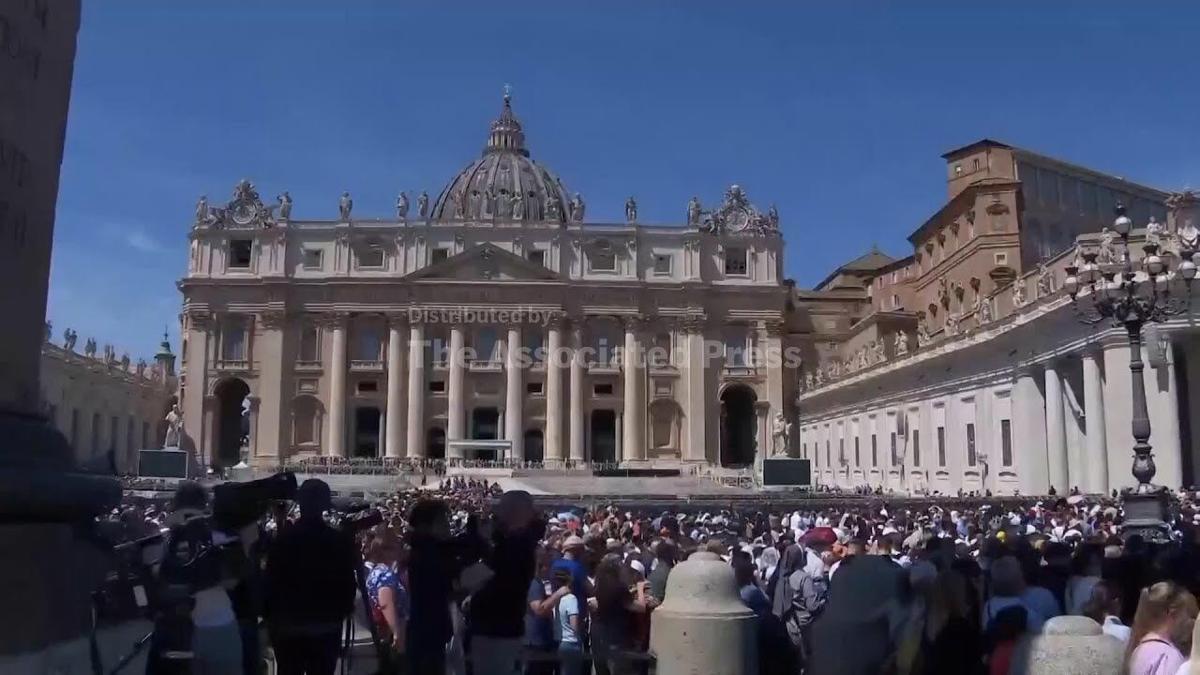
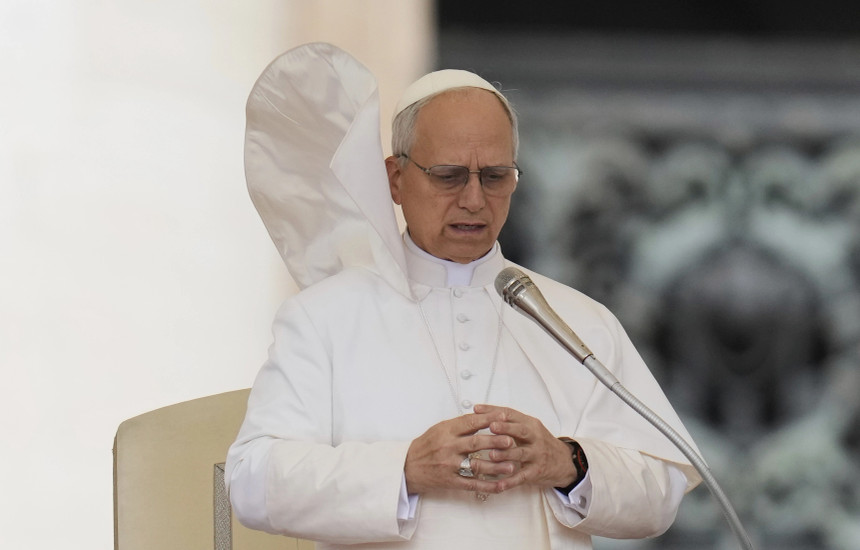
The May 3, 2026 World Press Freedom Day observance, marked by Pope Leo XIV's Vatican address honoring 14 journalists killed in war zones and condemning global media freedom violations, signals a critical inflection point in global information access that creates measurable e-commerce opportunities. According to Reporters Without Borders data cited in the coverage, global press freedom has fallen to its lowest level in 25 years, with more than half of the world's countries now classified as having "difficult" or "very serious" press freedom conditions—the first time this threshold has been crossed since RSF began tracking in 2002. The Watson Institute report specifically identifies Gaza as the deadliest conflict for media workers on record, with 232 Palestinian journalists killed since October 2023, exceeding combined deaths from both World Wars, Vietnam, Yugoslav wars, and Afghanistan conflicts.
This crisis creates three distinct e-commerce vectors for cross-border sellers. First, educational and documentary merchandise: The heightened global awareness of journalist safety and press freedom issues drives demand for documentary films, journalism textbooks, press freedom educational kits, and historical books about media persecution. Sellers can capitalize on this through Amazon, Shopify, and specialty platforms targeting educators, universities, and advocacy organizations—a segment that typically spends $150-400 per purchase on educational materials. Second, activist and cause-related merchandise: The Vatican's prominent advocacy positioning journalism as a "pillar of democracy" resonates with socially conscious consumers (estimated 50M+ globally) who purchase branded merchandise supporting press freedom organizations. This includes t-shirts, tote bags, coffee mugs, and accessories bearing Reporters Without Borders logos, UNESCO messaging, or journalist memorial designs—categories that generate 25-35% margins for sellers.
Third, niche publishing and digital content: The news coverage demonstrates sustained media interest in press freedom narratives, creating demand for self-published books, documentaries, podcasts, and digital courses about journalism ethics, conflict reporting, and media literacy. Sellers operating on Gumroad, Etsy, and Amazon KDP can target this audience with specialized content priced at $9.99-$49.99 per unit. The geographic concentration of press freedom violations in conflict zones (Gaza, Ukraine, Myanmar) creates localized demand for region-specific educational materials and cultural products from affected areas. Sellers should monitor search trends for "press freedom merchandise," "journalist memorial gifts," and "media literacy courses" which typically see 15-20% monthly growth during awareness campaigns like World Press Freedom Day.
Questions 7
What e-commerce products benefit from increased press freedom awareness?
Press freedom awareness drives demand across three product categories: educational materials (journalism textbooks, media literacy courses priced $15-$50), activist merchandise (t-shirts, tote bags, mugs with press freedom messaging generating 25-35% margins), and documentary content (films, podcasts, digital courses priced $9.99-$49.99). The May 2026 World Press Freedom Day observance and Reporters Without Borders' report of 25-year press freedom lows create sustained consumer interest in these categories. Sellers on Amazon, Etsy, and Shopify report 15-20% monthly growth in searches for "press freedom gifts" and "journalist memorial merchandise" during awareness campaigns. Target audiences include educators, university students, and socially conscious consumers (estimated 50M+ globally) who prioritize cause-related purchases.
What compliance and ethical considerations apply to press freedom merchandise?
**Trademark/IP concerns**: Verify rights to use Reporters Without Borders, UNESCO, or Vatican imagery before creating merchandise. Licensed partnerships with advocacy organizations provide legal protection and authenticity. **Donation transparency**: If claiming proceeds support press freedom causes, clearly disclose donation amounts and recipient organizations in product listings and marketing materials. FTC guidelines require transparent cause-marketing claims. **Conflict sensitivity**: When creating products related to specific conflicts (Gaza, Ukraine), research cultural sensitivities and ensure respectful representation. Avoid exploitative messaging that commodifies tragedy. **Platform policies**: Amazon, Etsy, and Shopify have specific policies on cause-related merchandise and political content—review platform guidelines before listing. **International regulations**: Cross-border sellers should verify that press freedom advocacy messaging complies with local laws in target markets (some authoritarian regions restrict press freedom content). Consult legal counsel for high-risk markets.