






Game Industry Disruption Emerges as Legendary Developer Launches Bold Urban Crime Saga
- Signals transformative shift in narrative-driven action game development through innovative studio creation
























Overview
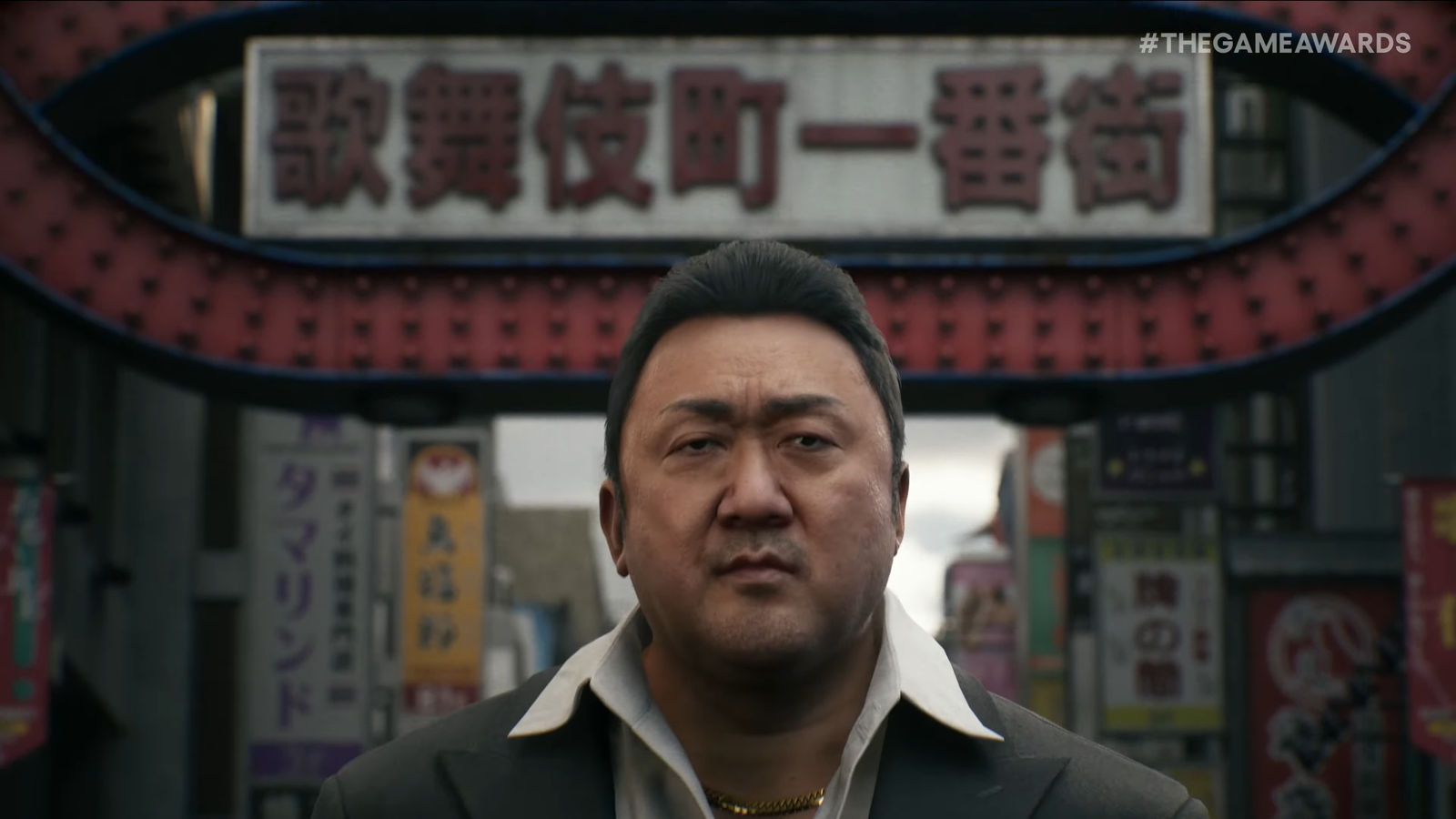
The video game industry stands at a fascinating inflection point with Nagoshi Studio's announcement of Gang of Dragon, a groundbreaking urban crime drama that represents more than just another game release—it symbolizes a strategic realignment of creative talent and narrative innovation.
Toshihiro Nagoshi, a 30-year veteran game developer, has effectively created a new creative laboratory by founding his studio under NetEase after departing from Ryu Ga Gotoku Studios. The Gang of Dragon project isn't merely a game; it's a calculated move that demonstrates how top-tier developers can leverage their reputation to create entirely new intellectual properties while maintaining their distinctive storytelling approach.
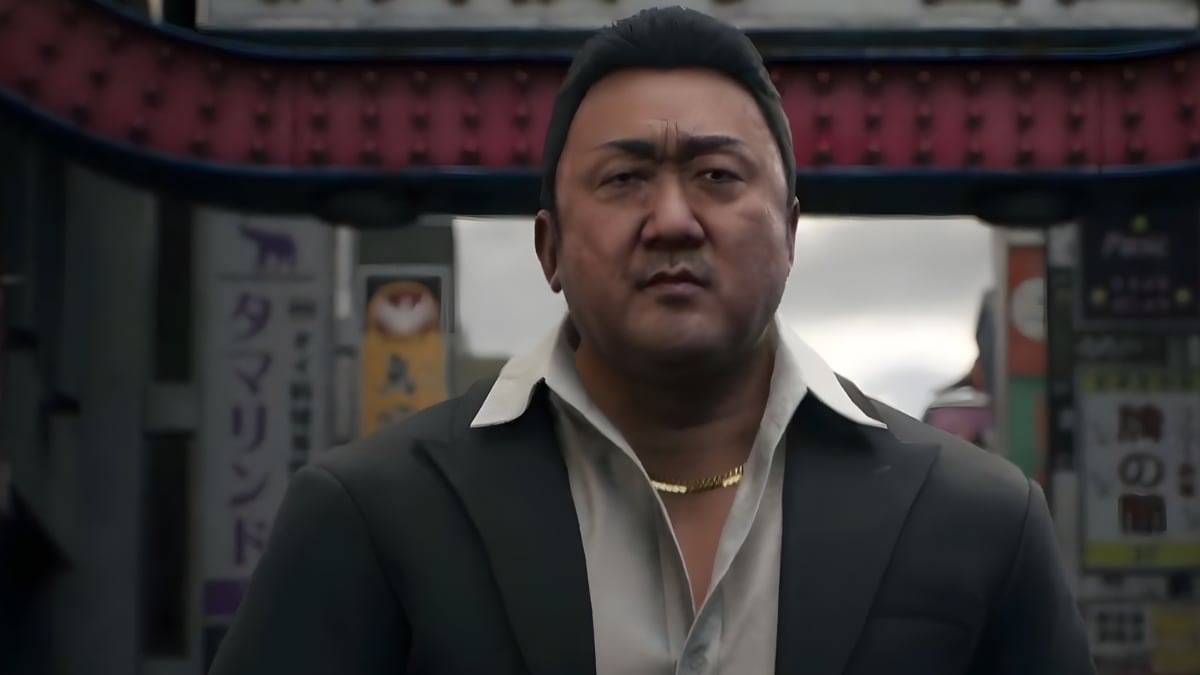
Strategic Game Development Reimagined: By setting the game in Kabukicho, Tokyo's iconic entertainment district, and featuring Ma Dong-seok as the protagonist Shin Ji-seong, Nagoshi is crafting an experience that transcends traditional gaming boundaries. The game promises an immersive third-person narrative with complex gameplay mechanics—hand-to-hand combat, blade attacks, gunplay, and vehicle action—that suggest a deep, cinematic approach to interactive storytelling.
The broader industry context is equally compelling. While Nagoshi's former studio simultaneously develops Stranger Than Heaven, it reveals a fascinating trend: the urban crime drama genre continues evolving, demonstrating remarkable resilience and creative potential. This suggests that narrative-driven action games are not just a niche, but a robust, globally appealing category with significant market potential.
For game developers and industry observers, Gang of Dragon represents more than a new title—it's a masterclass in personal brand transformation, showing how elite creative talent can reinvent themselves while maintaining their core artistic vision. The project signals that in modern game development, a developer's reputation and storytelling capability can be more valuable than institutional affiliation.
Questions 3
What makes Gang of Dragon unique in the current game development landscape?
Gang of Dragon represents a unique blend of cinematic storytelling and complex gameplay mechanics, created by a legendary developer who has successfully transitioned from a major studio to an independent setup. Its focus on narrative depth, urban setting, and multi-layered action mechanics sets it apart from traditional genre offerings.
What strategic advantages does NetEase provide for Nagoshi Studio?
NetEase offers Nagoshi Studio global publishing capabilities, financial backing, and potentially less restrictive creative constraints compared to traditional Japanese game publishers. This partnership allows Nagoshi to maintain creative control while accessing broader market resources.