




Prehistoric Fire-Making Reveals the Sophisticated Intelligence of Early Humans
- Groundbreaking archaeological discovery challenges our understanding of human technological evolution







Overview
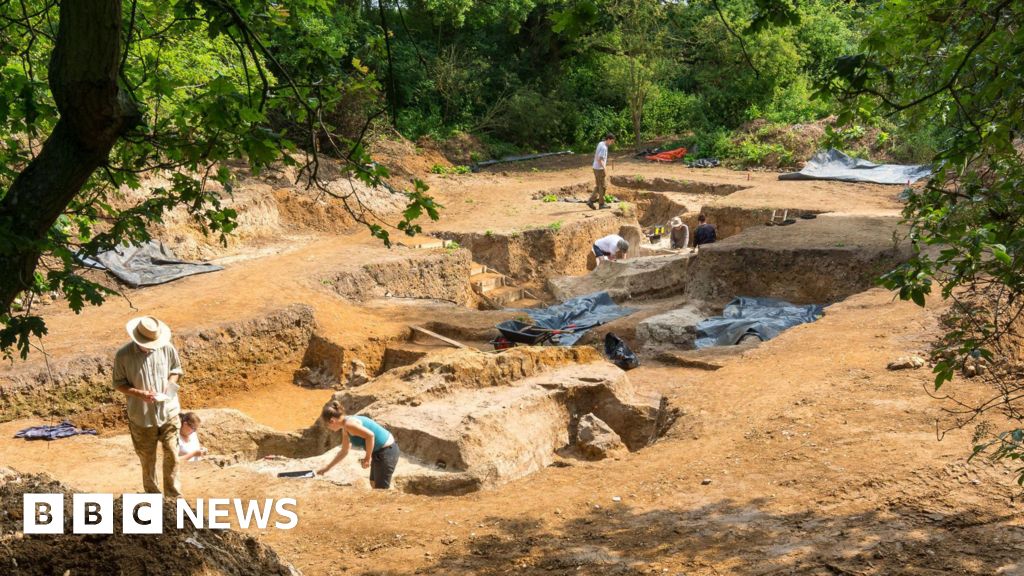
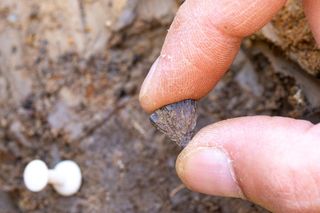
The discovery of a 400,000-year-old fire-making site in Barnham, Suffolk, represents a pivotal moment in understanding human cognitive capabilities, dramatically reshaping our perception of early human intelligence. This archaeological breakthrough reveals that Neanderthals possessed far more advanced technological and strategic thinking than previously imagined, challenging long-held assumptions about prehistoric human development.
Geological precision meets technological innovation in this remarkable finding. The Cromer Forest Bed geological formation provided an unprecedented preservation context, capturing a moment of critical human technological advancement. Researchers from the British Museum, led by curator Nick Ashton, uncovered evidence that early humans strategically selected this location for multiple survival advantages. The site wasn't just a random settlement, but a carefully chosen landscape offering essential resources like flint, natural water sources, and protection from predators.
The implications extend far beyond a single archaeological site. This discovery suggests a more nuanced narrative of human technological evolution, indicating that early humans—specifically Neanderthals—had cognitive capabilities comparable to modern humans. Their ability to create fire, select optimal settlement locations, and adapt to complex environmental conditions demonstrates a level of strategic thinking that fundamentally challenges our understanding of prehistoric intelligence.
Contextually, this finding is part of a broader pattern of significant prehistoric discoveries in East Anglia. The region has already yielded the earliest evidence of human footprints outside Africa, dating back over 800,000 years. The geological conditions make this area a unique archaeological treasure trove, offering unprecedented insights into human technological and cognitive development.
Researchers believe this fire-making site is likely not an isolated incident, suggesting similar evidence might exist across Europe and beyond. The discovery provides a compelling narrative of human adaptability, technological innovation, and strategic thinking that predates our current understanding by hundreds of thousands of years.
Actionable Insight: Researchers and archaeologists should intensify investigations in similar geological formations, recognizing that our understanding of early human capabilities is still evolving. Risk Warning: Existing archaeological narratives about prehistoric human intelligence may require significant reevaluation in light of such groundbreaking discoveries.
Questions 3
What implications does this discovery have for future archaeological research?
This finding suggests that similar advanced archaeological sites might exist across Europe. Researchers should focus on geological formations with preservation potential and reconsider existing narratives about prehistoric human capabilities, potentially leading to more nuanced understanding of human technological evolution.
Why is the Cromer Forest Bed geological formation significant for archaeological research?
The Cromer Forest Bed formation provides exceptional preservation conditions, capturing detailed sedimentary evidence from the Anglian glaciation period. Its unique geological characteristics allow researchers to study prehistoric environments and human activities with unprecedented precision.