





Geopolitical Oil Surge & Tariff Escalation | Cross-Border Seller Logistics Crisis
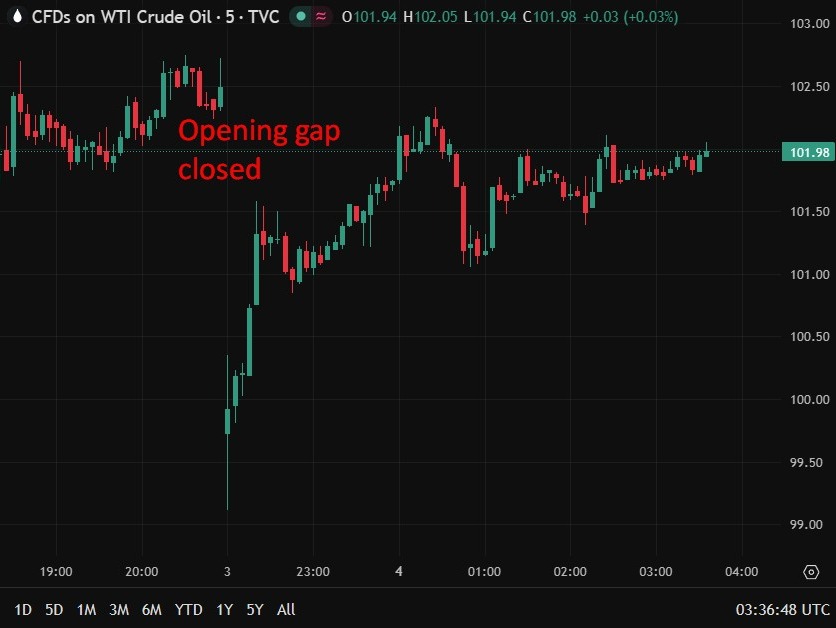
- Brent crude surges to $110.73/barrel amid Persian Gulf tensions; shipping costs rise 8-15% within 2-4 weeks for FBA and 3PL sellers sourcing from Asia

























































Overview
Critical Market Shift: Dual Supply Chain Pressures Converge on Cross-Border Sellers
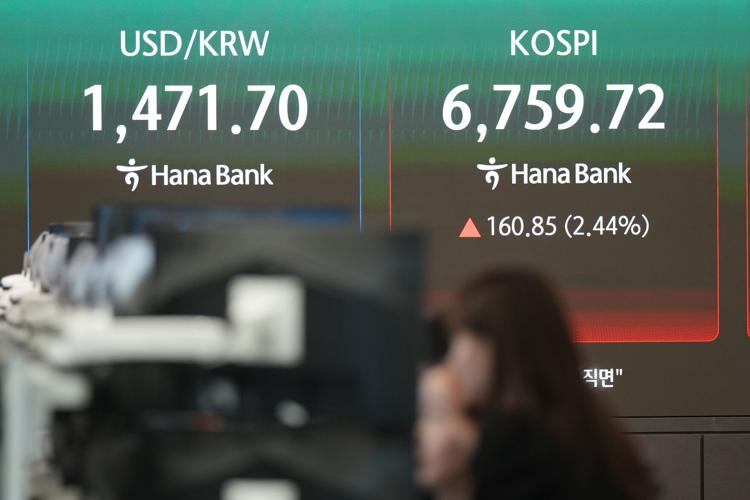
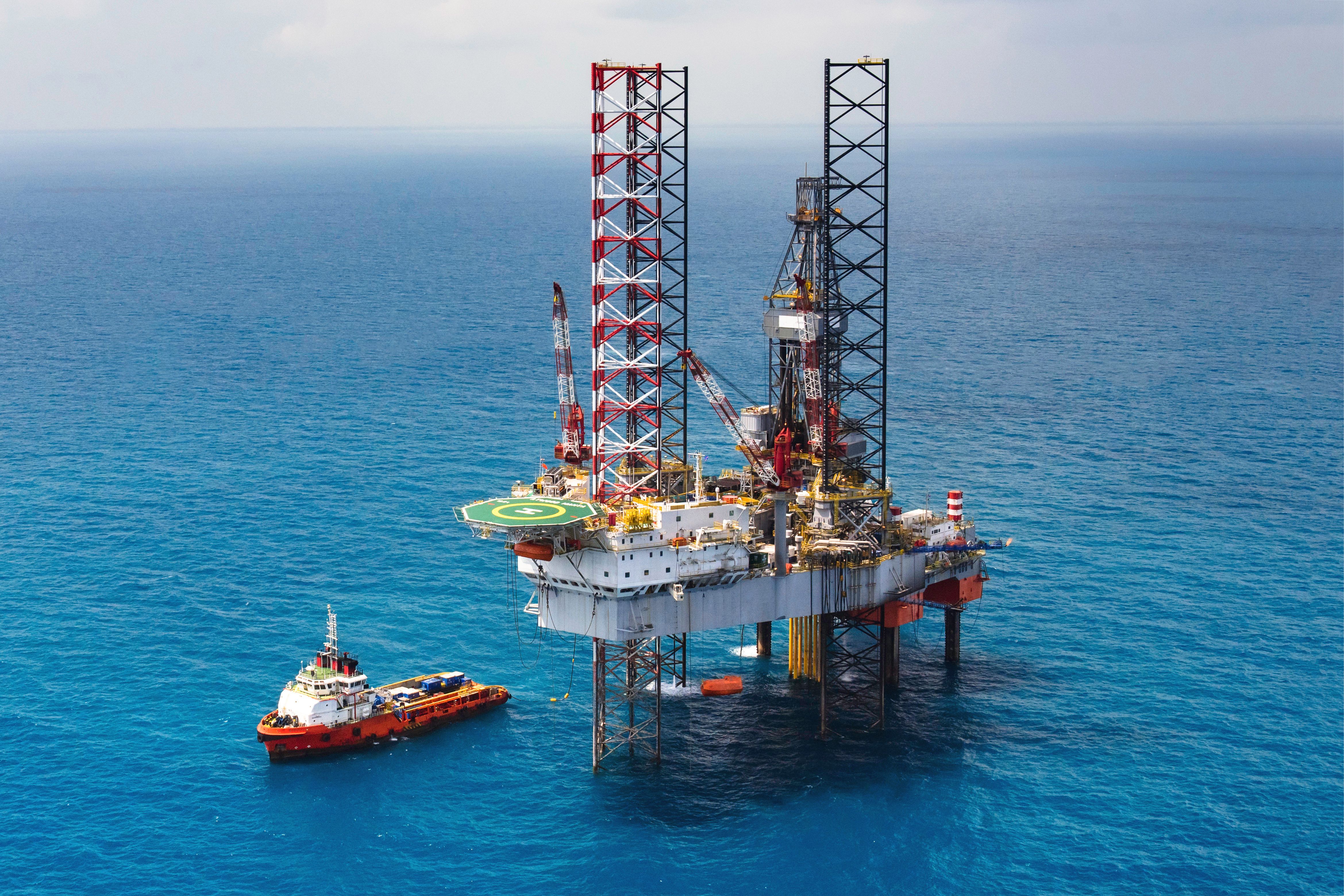
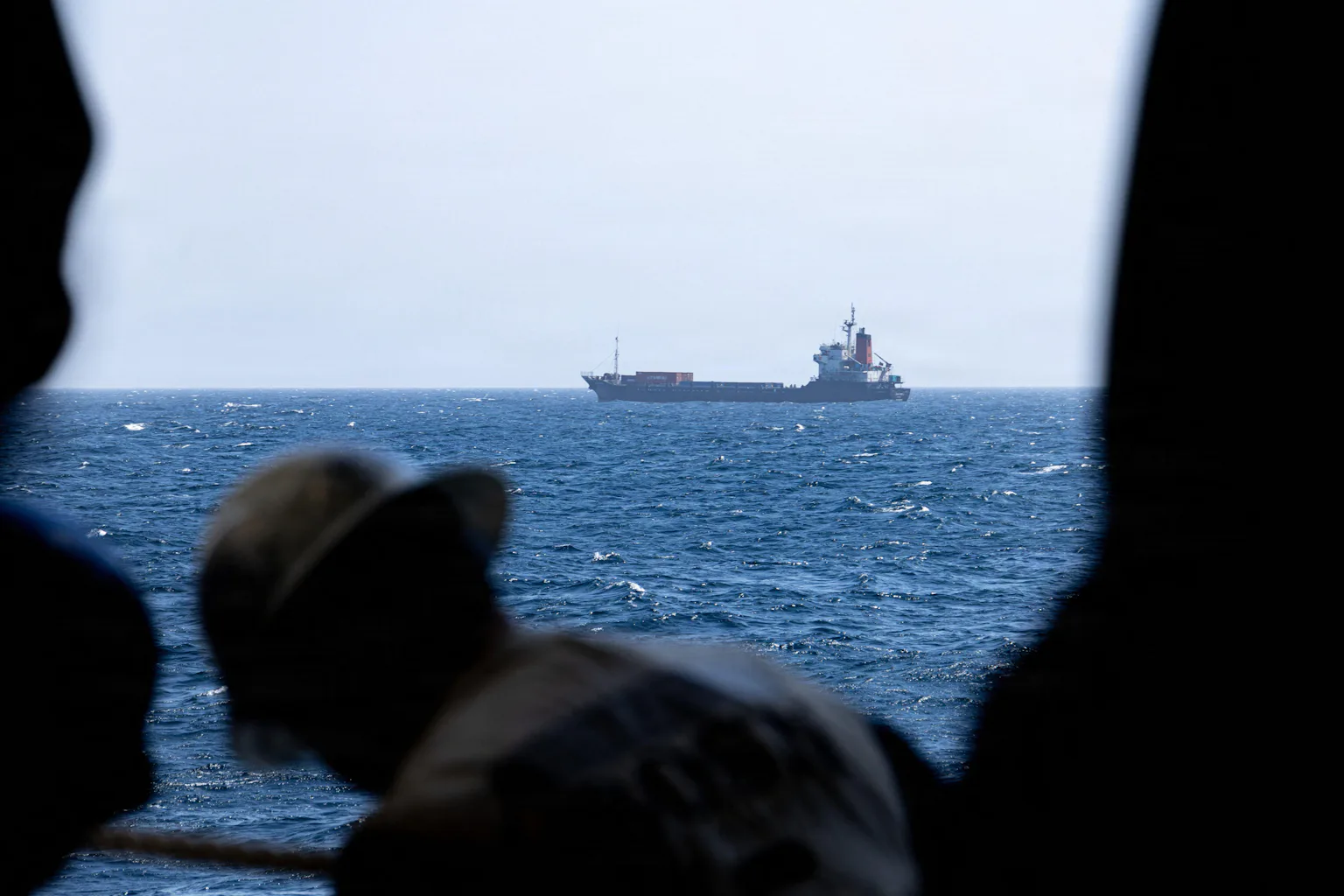
The convergence of Middle East geopolitical tensions and Trump's announced tariff increases on European vehicles creates a perfect storm for international e-commerce logistics. Brent crude surged $2.50 to $110.73/barrel following maritime security incidents near Iran's Strait of Hormuz, while the U.S. Central Command deployed 15,000 military personnel and 100+ aircraft to secure Gulf shipping lanes. Simultaneously, Trump's tariff announcement dampened European markets (STOXX 600 down 0.3%), signaling broader protectionist policies ahead. For cross-border sellers, this dual pressure translates to immediate cost escalation: shipping fees typically increase 8-15% within 2-4 weeks when oil prices spike above $110/barrel, directly compressing margins on FBA inventory and third-party logistics shipments from China, Vietnam, and India.
Immediate Logistics Cost Impact Across Seller Segments
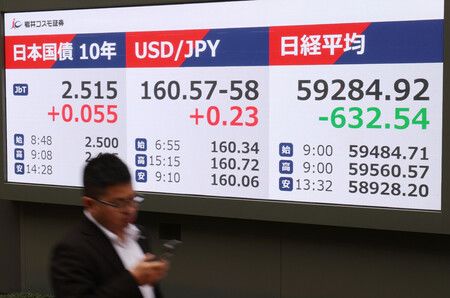
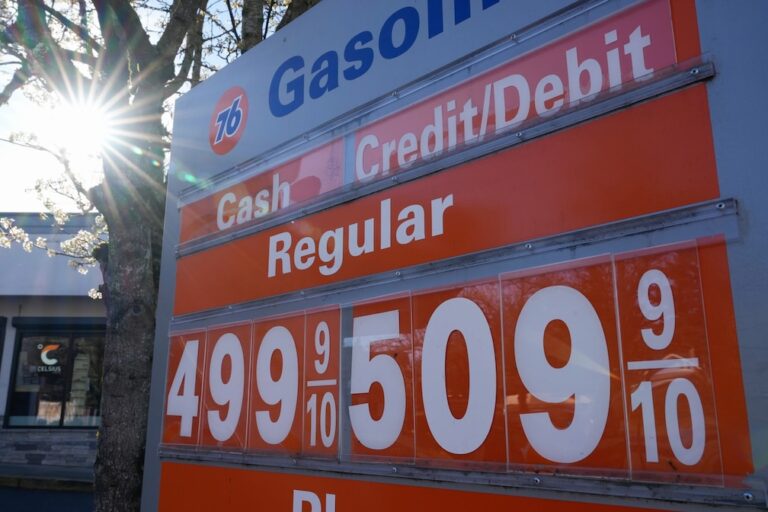
The $110.73 Brent crude level represents a critical threshold where freight forwarding fees accelerate. Sellers shipping 1,000+ units monthly via FBA can expect $200-400 additional monthly fulfillment costs, while 3PL providers typically pass through fuel surcharges within 14-21 days. Asian currency volatility compounds this pressure: the Japanese yen fluctuated between 155.7-156.93 against the dollar following Japan's $35 billion currency intervention, directly affecting sourcing costs for sellers importing from Japan, South Korea, and Southeast Asia. Small-to-medium sellers (SMBs) with tight 15-20% margins face the greatest risk, as shipping cost increases of $0.50-1.50 per unit can eliminate profitability on lower-priced categories (electronics accessories, home goods, apparel). Large sellers with 25%+ margins and diversified sourcing can absorb costs more easily, creating competitive advantage consolidation.
Tariff Escalation Creates Secondary Supply Chain Restructuring
Trump's announced tariff increases on European cars and trucks signal broader protectionist momentum beyond automotive. Historical patterns show tariff announcements typically precede expanded coverage across related categories within 60-90 days. Sellers should anticipate tariff exposure across: industrial machinery (HS 8407-8409), electrical equipment (HS 8501-8548), and precision instruments (HS 9001-9033). The policy creates arbitrage opportunities for sellers who can shift sourcing from Europe to tariff-advantaged regions (Vietnam, India, Mexico) before expanded tariff schedules take effect. However, this requires 30-60 day lead time to negotiate new supplier contracts and adjust inventory pipelines—a window that closes rapidly as other sellers recognize the same opportunity.
Strategic Positioning for Margin Protection
Sellers must execute three concurrent actions: (1) Immediate pricing adjustments (within 7-14 days) to reflect anticipated shipping cost increases, targeting 5-8% price increases on high-volume SKUs before competitors saturate the market; (2) Sourcing diversification (30-60 day window) to shift 20-30% of inventory from China/Vietnam to Mexico or India for tariff-exposed categories, locking in pre-tariff pricing; (3) Logistics hedging (ongoing) through 3PL contracts with fixed fuel surcharge caps or alternative shipping routes avoiding Strait of Hormuz exposure. The Federal Reserve's hawkish stance (no rate cuts expected in 2025) means financing costs for inventory expansion will remain elevated at 8-12% annually, making working capital efficiency critical. Sellers delaying action face 4-6 week lag before cost pressures fully materialize, but by then competitor pricing will have already shifted, reducing pricing power.
Questions 8
How should sellers adjust pricing to protect margins during this period?
Implement 5-8% price increases on high-volume SKUs within 7-14 days before competitors saturate the market with similar adjustments. Calculate exact increases based on your shipping cost structure: if shipping represents 15% of COGS, a $0.75/unit increase requires 5% price adjustment. Monitor competitor pricing daily and adjust within 48 hours to maintain Buy Box eligibility. Use dynamic pricing tools to test elasticity by category—premium categories (electronics) tolerate 8% increases while price-sensitive categories (home goods) may only support 4-5% increases without demand destruction.
What is the timeline for tariff expansion beyond European vehicles?
Based on historical tariff policy patterns, expanded tariff schedules typically roll out 60-90 days after initial announcements. Trump's Friday announcement of European vehicle tariffs suggests related categories (machinery, electrical equipment, precision instruments) face tariff exposure by mid-June to July 2025. Sellers have a critical 30-60 day window to shift sourcing before tariff rates increase. After 90 days, tariff-advantaged sourcing becomes standard practice across the industry, eliminating competitive advantage. Act immediately to secure supplier contracts and lock in pre-tariff pricing.