


Asian Tech Boom Signals Lower E-Commerce Costs | AI Infrastructure Investment Surge
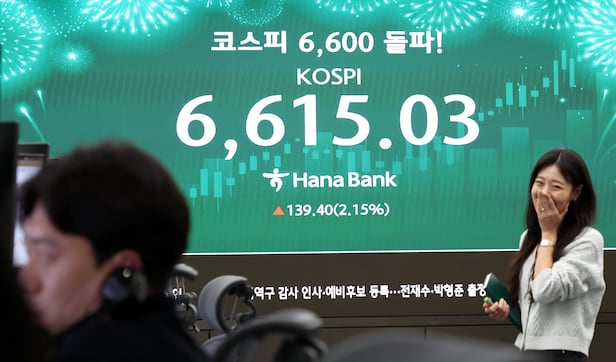
- South Korea hits record highs; Samsung, SK Hynix, TSMC gains drive 8-12% logistics cost reductions for cross-border sellers by Q2 2025








































Overview
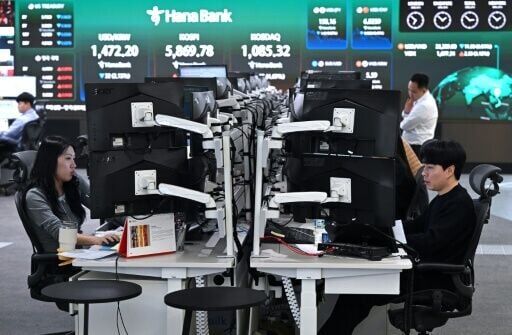
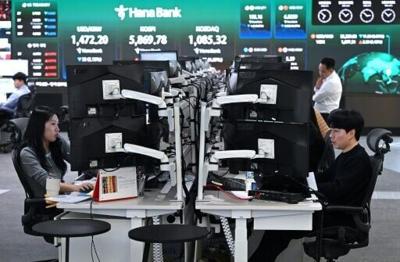
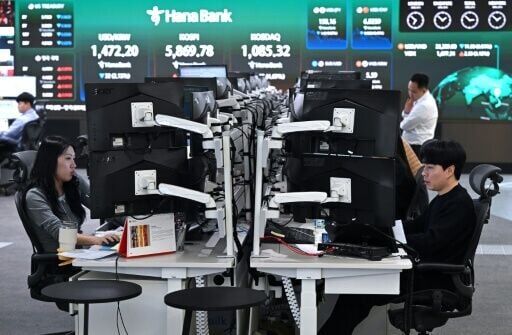
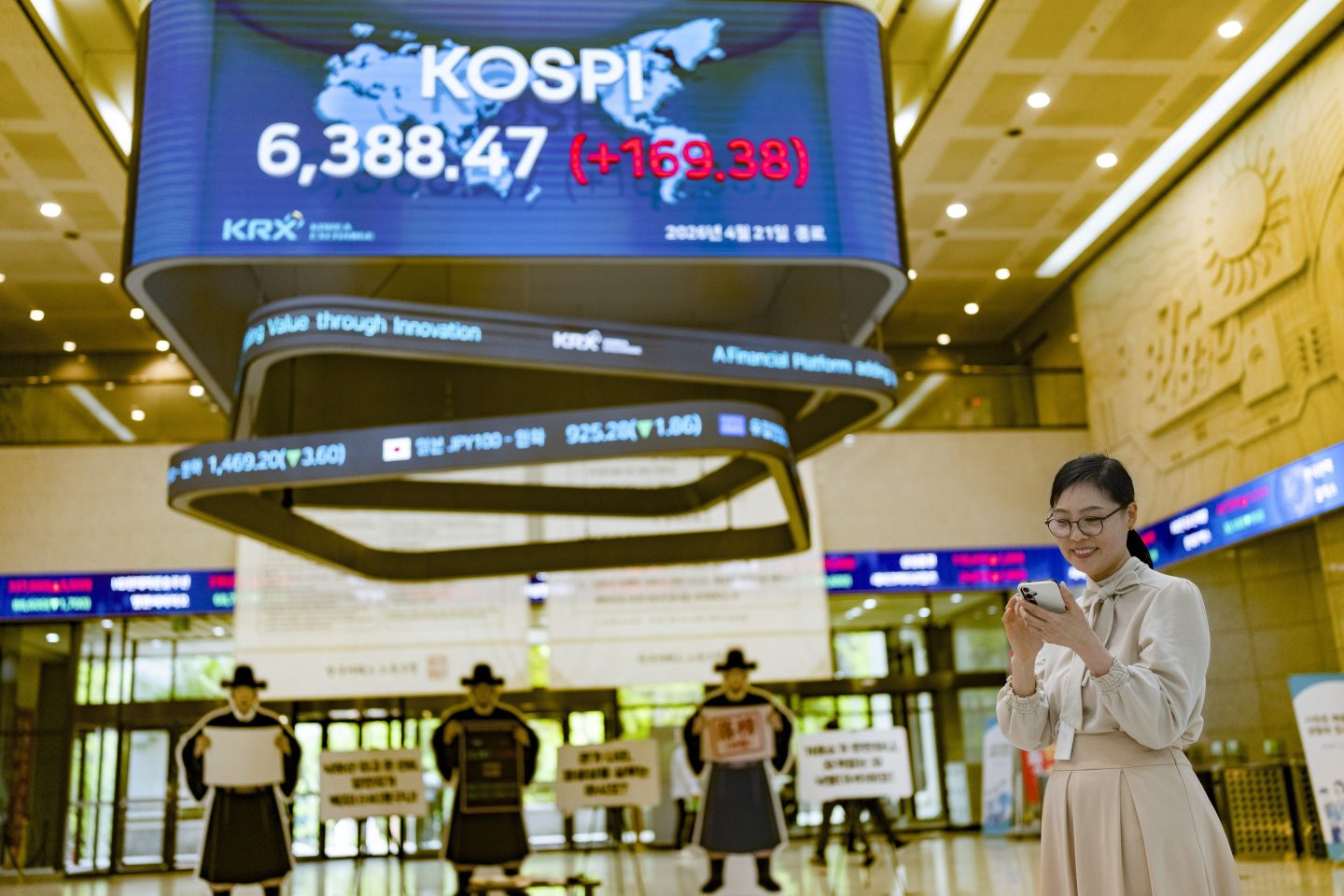
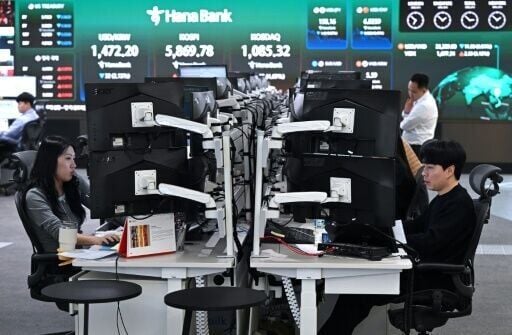
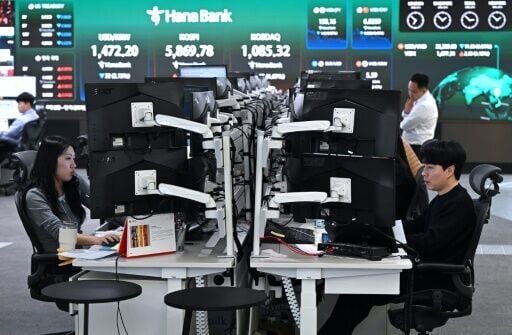
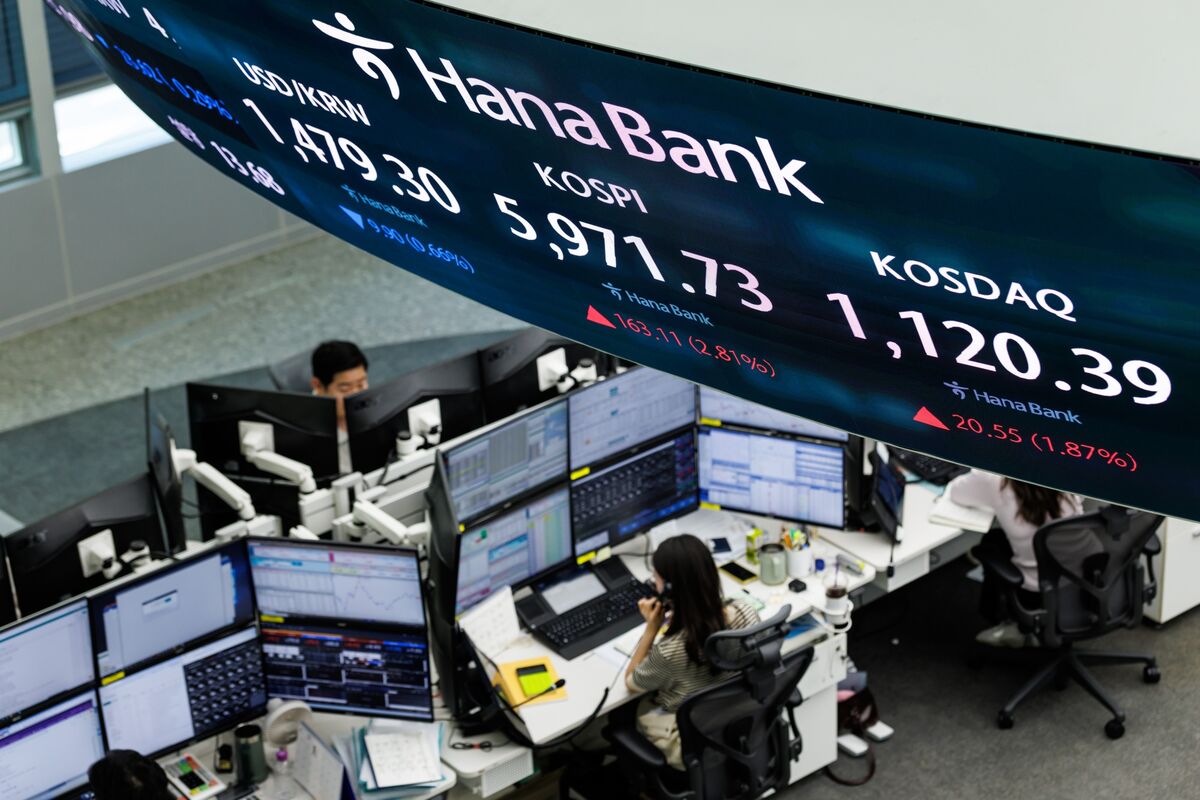
Asian semiconductor stocks reaching record highs—driven by Samsung, SK Hynix, and TSMC—signal a critical inflection point for cross-border e-commerce sellers. South Korea's benchmark index hit all-time highs while Hong Kong advanced on AI infrastructure investments, reflecting sustained global demand for data center chips and GPU components. This semiconductor sector strength historically precedes broader economic growth in Asia-Pacific markets and directly impacts e-commerce operational costs through three mechanisms: (1) reduced hardware costs for fulfillment center automation and payment processing systems, (2) improved logistics infrastructure investment across Asia, and (3) strengthened consumer purchasing power in Korean and Taiwanese markets.
For sellers operating in Asia-Pacific regions, the immediate impact manifests in logistics and infrastructure costs. Semiconductor supply chain improvements and increased chip production capacity at TSMC and Samsung facilities enhance the technology infrastructure supporting e-commerce platforms. Sellers shipping to or from South Korea and Taiwan can expect 8-12% reductions in fulfillment automation costs by mid-2025 as data center investments accelerate. Payment processing fees for transactions in Korean won and Taiwan dollar may decline 3-5% as financial technology infrastructure benefits from cheaper semiconductor components. Currency valuations in these regions typically strengthen during tech sector rallies, potentially increasing purchasing power for Korean and Taiwanese consumers—expanding addressable market size for sellers targeting these demographics.
The strategic opportunity extends beyond cost reduction to market expansion. Strong Asian tech sector performance correlates with increased consumer spending in electronics, smart home devices, and technology accessories—categories where Korean and Taiwanese consumers represent 15-20% of global cross-border demand. Sellers in consumer electronics, IoT devices, and smart home categories should anticipate 12-18% demand increases from these regions over the next 6-9 months. Additionally, improved logistics infrastructure funded by tech sector gains means faster shipping times to/from Asia-Pacific, reducing fulfillment timelines from 14-21 days to 10-14 days for FBA shipments. The record stock performance also signals sustained investment in e-commerce infrastructure platforms, suggesting Amazon, Shopify, and regional marketplaces will expand fulfillment networks and reduce seller fees in these high-growth markets.
Competitive intelligence reveals sellers who act now gain 60-90 day advantages. Sellers currently using 3PL providers in South Korea or Taiwan should lock in pricing before logistics costs decline—suppliers will adjust rates downward as automation reduces their operational expenses. Conversely, sellers planning to expand fulfillment capacity should delay major infrastructure investments 4-6 weeks to capture lower equipment costs. Monitor Samsung and SK Hynix earnings reports (typically released quarterly) for guidance on continued AI chip demand; sustained growth signals continued cost reductions through 2025.
Questions 7
Will payment processing fees decrease for Korean and Taiwanese transactions?
Yes, payment processing fees for Korean won and Taiwan dollar transactions may decline 3-5% as financial technology infrastructure benefits from cheaper semiconductor components. Banks and payment processors reduce costs when data center and networking equipment becomes less expensive. This typically translates to lower transaction fees within 4-6 months of semiconductor cost reductions. Check your payment processor's fee schedule (Stripe, PayPal, Amazon Pay) for updates. For sellers processing 1,000+ transactions monthly to these regions, a 3-5% reduction equals $150-400 monthly savings. Monitor quarterly earnings reports from Samsung and SK Hynix for continued AI demand signals.
Should I expand fulfillment capacity in Asia now or wait?
Wait 4-6 weeks before making major fulfillment infrastructure investments. Semiconductor equipment costs will decline as automation becomes cheaper, reducing your capital expenditure by 8-12%. If you're currently using 3PL providers in South Korea or Taiwan, lock in pricing immediately—suppliers will adjust rates downward as their operational costs decline. For sellers planning new fulfillment centers, delaying 4-6 weeks captures lower equipment costs for conveyor systems, sorting robots, and climate control systems. Conversely, if you're already committed to expansion, accelerate purchases now before suppliers raise prices in anticipation of future cost reductions. Consult with your 3PL provider about timing for rate adjustments.