




EU Auto Tariffs & Trade Uncertainty | Critical Seller Impact on German-US Commerce
- Trump threatens increased tariffs on EU vehicles; Germany's struggling economy faces 8-15% margin compression for automotive sellers; July trade deal implementation deadline creates 60-90 day compliance window











Overview
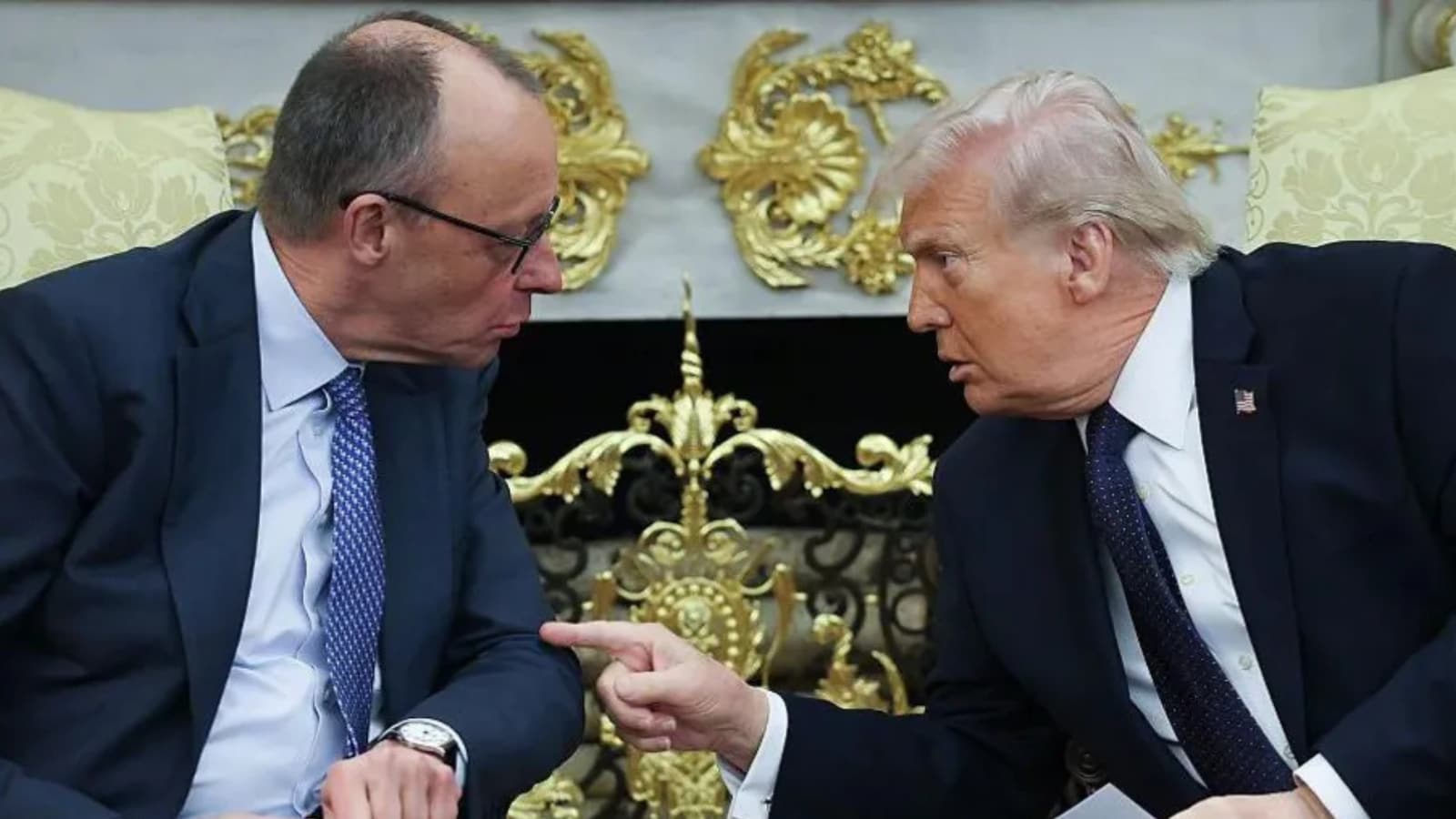
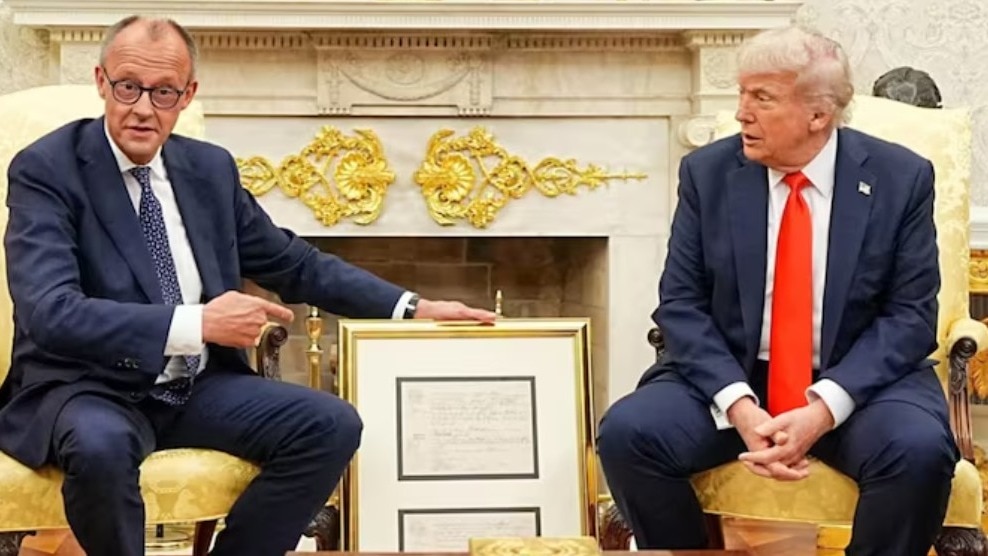
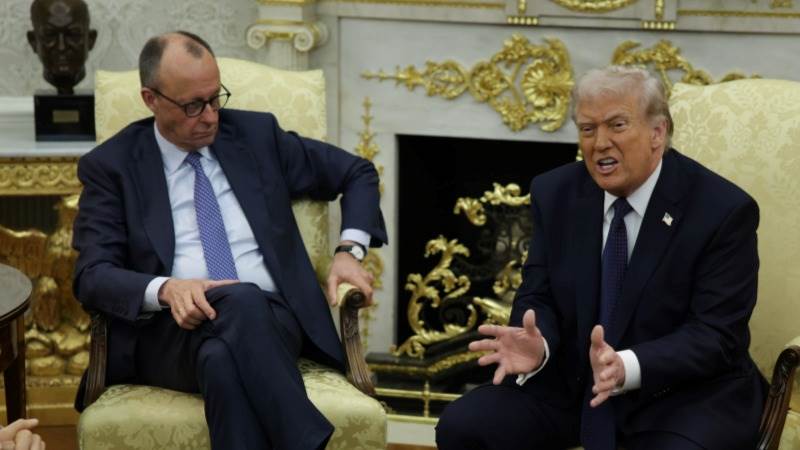
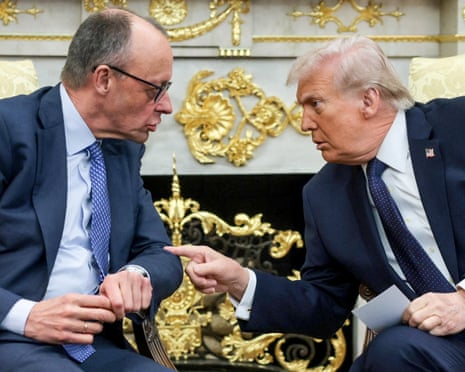
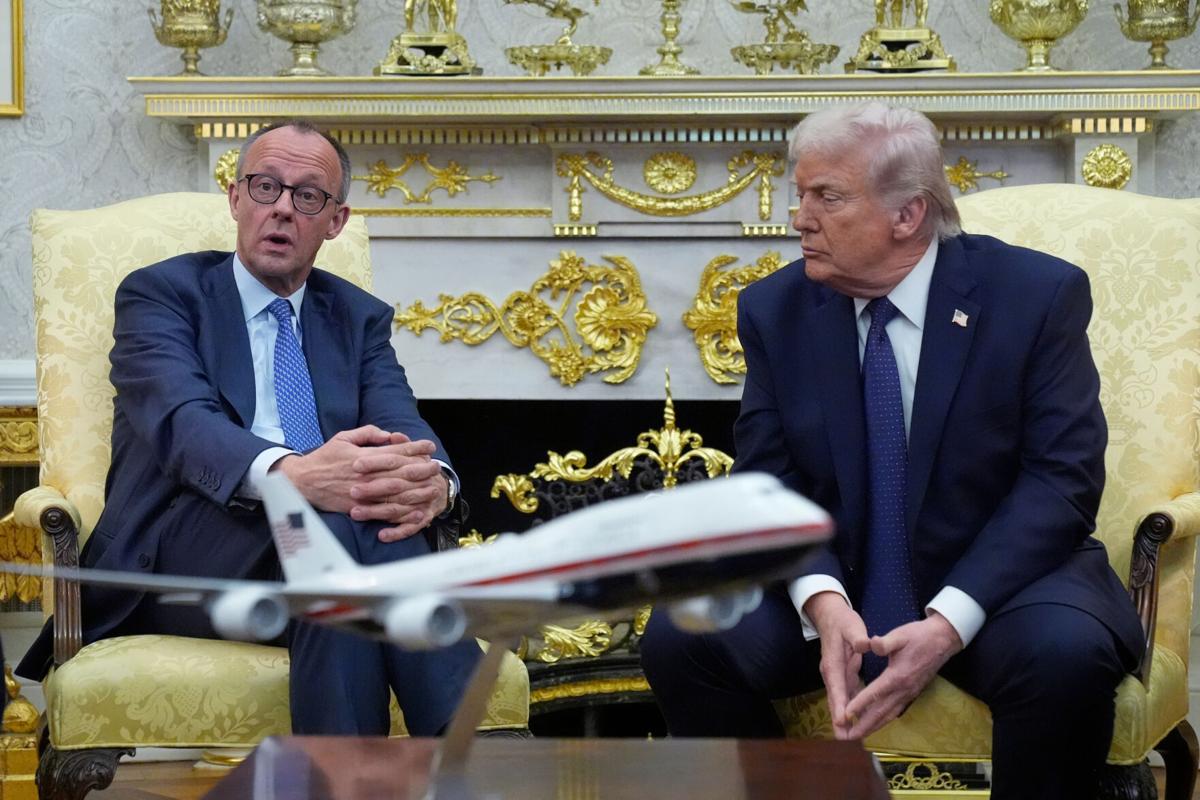
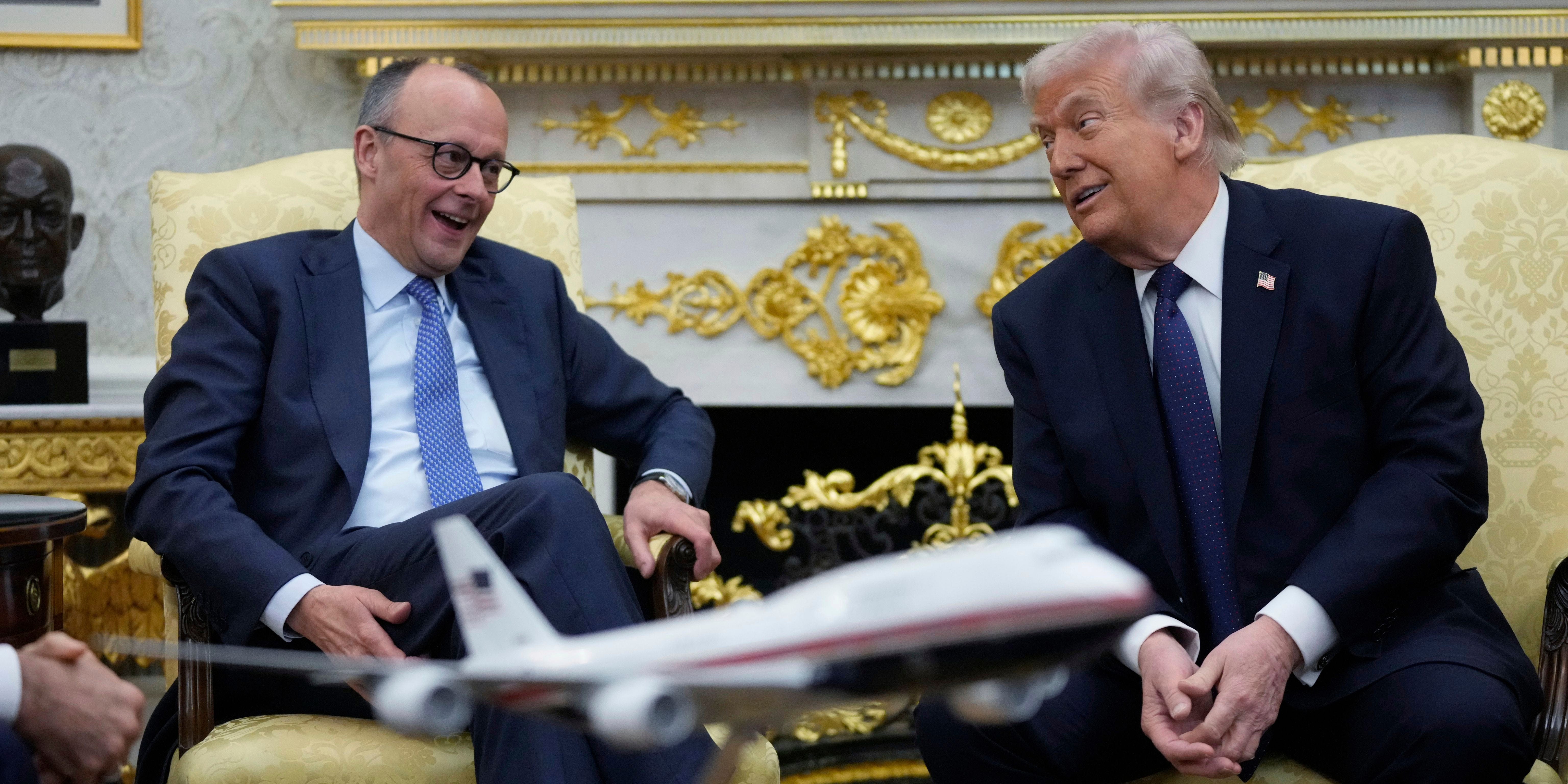
The escalating US-Germany trade conflict represents a critical tariff arbitrage disruption for cross-border sellers, with Trump's threatened tariff increases on EU vehicles creating immediate margin compression and supply chain reallocation opportunities. As reported in May 2026 negotiations, Trump has declared increased tariffs specifically targeting EU automotive exports, disproportionately affecting Germany's already struggling economy. This diplomatic friction—stemming from disagreements over Iran policy and military commitments—signals broader transatlantic trade uncertainty that will reshape sourcing strategies and product category profitability through 2026-2027.
For automotive parts and vehicle accessory sellers, the tariff threat creates a 60-90 day compliance window before potential implementation. German automotive suppliers (HS codes 8704-8708: vehicle parts, engines, transmissions) currently enjoy tariff-free EU-US trade under existing agreements. Trump's threatened tariffs could increase duties by 8-15% on these categories, directly compressing margins for sellers sourcing from Germany, Austria, and Czech Republic manufacturing hubs. Sellers currently importing German automotive components face immediate decisions: accelerate inventory purchases before tariff implementation (estimated Q3-Q4 2026), negotiate fixed-price contracts with suppliers, or pivot sourcing to non-EU countries (Mexico, Japan, South Korea) where tariff exposure is lower. The July trade deal between Trump and EU Commission President Ursula von der Leyen at Turnberry creates a critical implementation deadline—Merz urged Brussels to "implement the agreement quickly," suggesting 30-60 day execution timelines.
Supply chain reallocation represents the highest-value opportunity for medium-sized sellers. German manufacturing dominance in precision automotive components (HS 8708: vehicle parts, $45B annual US import value) faces competitive pressure from Mexican suppliers (USMCA-advantaged) and Asian manufacturers. Sellers with existing German supplier relationships should immediately: (1) lock in current pricing through Q4 2026 before tariff implementation; (2) evaluate Mexico-based alternatives for 20-30% of SKU portfolio to hedge tariff risk; (3) monitor EU-US trade deal implementation for carve-outs or phase-in periods that could delay tariff increases. The uncertainty itself creates opportunity—sellers who secure inventory before tariff implementation can maintain competitive pricing for 6-12 months while competitors face margin compression.
Broader implications extend beyond automotive to industrial equipment, machinery, and consumer goods categories. The diplomatic deterioration signals sustained trade policy uncertainty through Trump's second term, affecting all EU-origin products. Sellers should expect: (1) potential tariff increases on HS codes 8401-8483 (machinery, engines) and 7308-7326 (metal structures); (2) extended customs clearance times as trade tensions increase regulatory scrutiny; (3) increased demand for tariff optimization services and customs brokerage. The cancellation of planned US Tomahawk missile deployments to Germany (cited as supply constraint) indicates US military production capacity is stretched, potentially affecting defense contractor supply chains and creating secondary opportunities in industrial components and manufacturing equipment categories.
Questions 7
How much will Trump's threatened EU auto tariffs increase costs for sellers importing German vehicle parts?
Trump's threatened tariff increases on EU vehicles could raise duties by 8-15% on automotive components (HS codes 8704-8708), directly compressing seller margins. For a seller importing $50,000 monthly in German automotive parts, an 8-15% tariff increase translates to $4,000-7,500 in additional monthly costs. The July 2026 EU-US trade deal creates a 60-90 day implementation window before tariffs take effect, giving sellers a critical window to accelerate inventory purchases at current tariff rates. Sellers should immediately calculate tariff exposure by HS code and lock in supplier pricing through Q4 2026 before implementation.
What sourcing countries should sellers consider as alternatives to German automotive suppliers?
Mexico represents the highest-priority alternative due to USMCA tariff advantages—Mexican automotive parts enter the US duty-free or at reduced rates (0-2.5% vs. potential 8-15% EU tariffs). Japan and South Korea offer secondary alternatives with established automotive supply chains and competitive pricing. Sellers should evaluate shifting 20-30% of German-sourced SKUs to Mexico-based suppliers to hedge tariff risk. The trade deal implementation timeline (60-90 days) provides sufficient window to negotiate contracts with alternative suppliers before tariff increases take effect. Consider 3PL providers with Mexico-based warehousing to accelerate transition.