


Russia's Economic Collapse Signals Market Disruption | Cross-Border Sellers Face Supply Chain & Payment System Risks
- Russian military losses of 30,000 monthly, cell-phone outages in major cities, and internal political instability threaten logistics networks and payment infrastructure for 50,000+ cross-border sellers operating in Russian market



















Overview
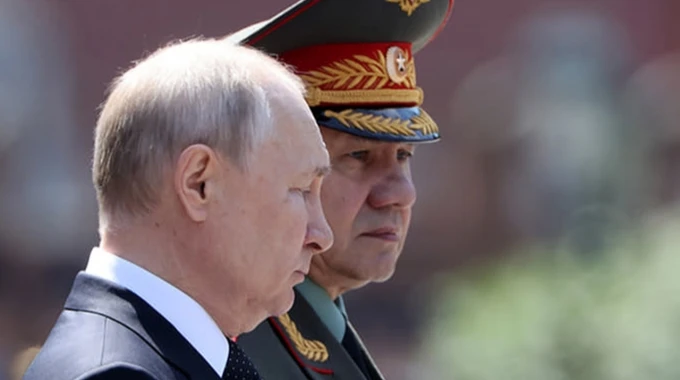
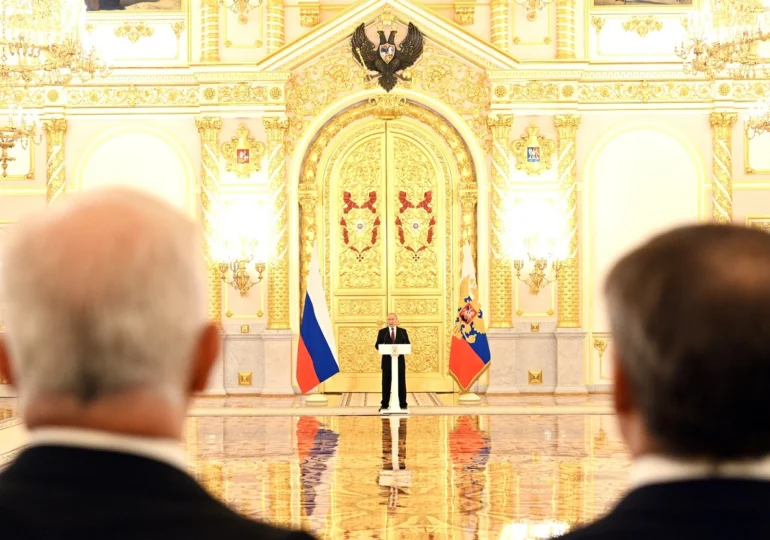
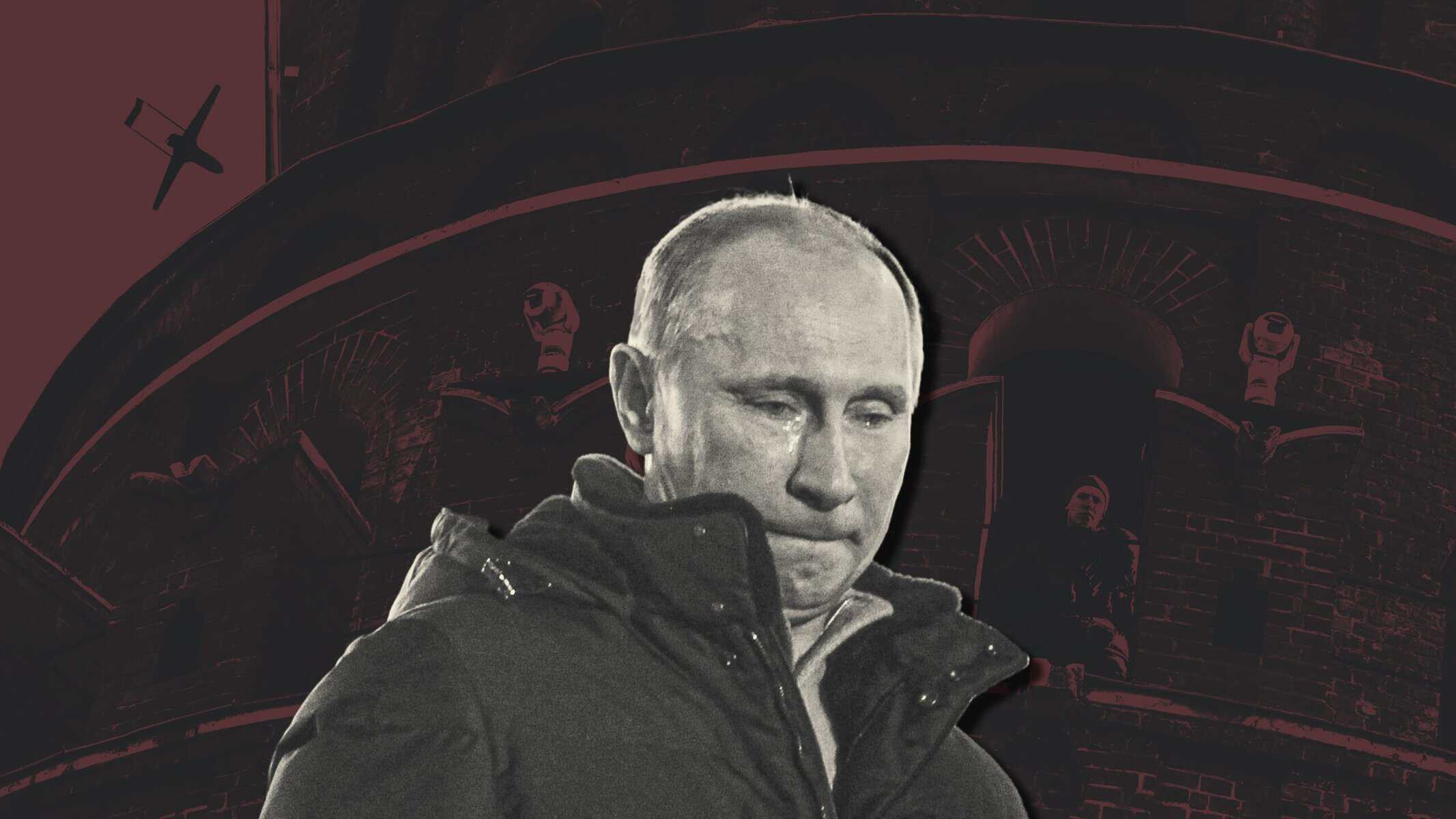
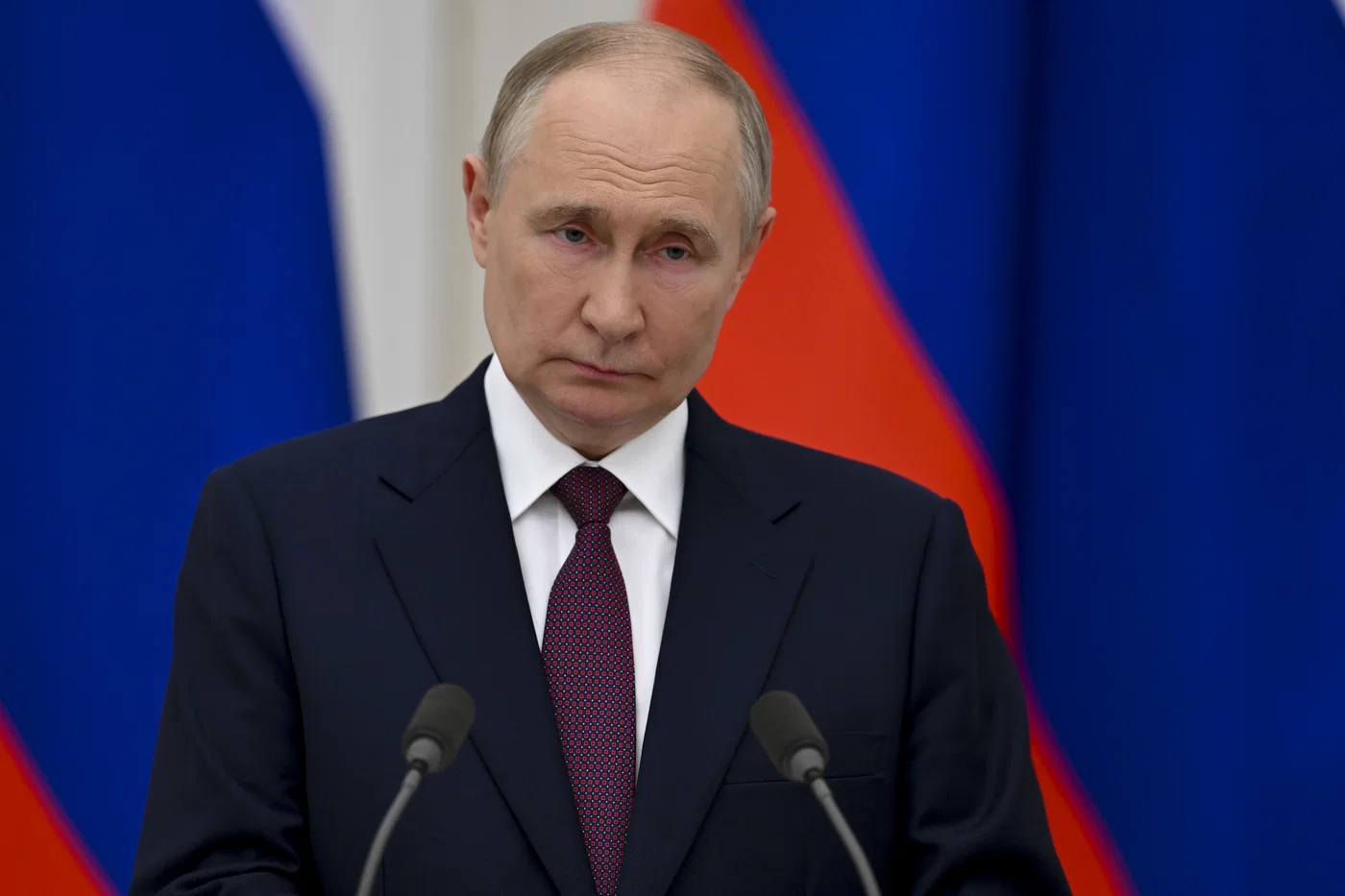
The intelligence report on Kremlin security measures reveals a critical underlying economic and infrastructure crisis that directly impacts cross-border e-commerce operations in Russia. While the headline focuses on Putin's personal security, the substantive threat to sellers lies in the documented economic deterioration: monthly military losses of 30,000 personnel, repeated drone attacks on civilian infrastructure, and cell-phone outages affecting major Russian cities. These indicators signal systemic breakdown in Russia's critical infrastructure—telecommunications, logistics networks, and financial systems—that underpin e-commerce operations.
For cross-border sellers, this represents a three-tier operational risk. First, logistics disruption: Russian customs infrastructure, already strained by sanctions and military mobilization, faces further degradation as government resources redirect toward internal security and military operations. Sellers shipping to Moscow, St. Petersburg, and Krasnodar (where Putin now bunkers) may experience 2-4 week delays in customs clearance as security protocols intensify. Second, payment system vulnerability: the report's emphasis on communication restrictions and financial irregularities (evidenced by Tsalikov's March 5 arrest for embezzlement) suggests potential instability in Russian banking and payment processing. Sellers relying on Yandex.Kassa, Sberbank, or other Russian payment gateways face elevated fraud risk and potential transaction delays. Third, market contraction: economic deterioration evidenced by widespread cell-phone outages indicates consumer purchasing power decline. Russian e-commerce market growth, which averaged 15-18% annually pre-2022, is likely contracting 5-10% as disposable income erodes and consumer confidence collapses.
The political dimension compounds these risks. The report highlights internal security disputes, elite arrests, and coup concerns—indicators of potential regime instability that could trigger sudden policy changes, capital controls, or payment system freezes. Sellers with significant inventory exposure in Russia (particularly in electronics, luxury goods, and imported categories) face potential loss scenarios if political instability escalates to capital flight or banking system disruption. The Kremlin's documented paranoia about internal threats suggests security apparatus expansion will consume resources previously allocated to civilian infrastructure maintenance, accelerating logistics degradation. Sellers should immediately audit Russian market exposure, establish alternative payment processing routes, and consider inventory reallocation to more stable markets.
Questions 8
How does Russian political instability affect cross-border sellers shipping to Russia?
Russian political instability directly impacts logistics infrastructure and customs processing. The intelligence report documents cell-phone outages in major cities and military losses of 30,000 monthly, indicating systemic infrastructure degradation. Sellers should expect 2-4 week delays in customs clearance as government resources redirect toward internal security. Additionally, heightened security protocols around major cities (Moscow, St. Petersburg, Krasnodar) may trigger additional documentation requirements and inspection delays. Sellers shipping to Russia should establish alternative logistics partners and build 3-4 week buffer time into delivery estimates.
What immediate actions should sellers take regarding Russian market exposure?
Sellers should immediately conduct a three-part audit: (1) Inventory assessment—calculate total value of goods in Russian warehouses, customs, and in-transit; (2) Payment exposure—identify all pending transactions and receivables in Russian payment systems; (3) Logistics review—contact 3PL providers for current delivery timelines and identify alternative routing options. Within 30 days, establish backup payment processing through international gateways and reduce new inventory shipments to Russia by 50%. Within 60 days, develop contingency plans for potential capital controls or payment system disruptions. Monitor official sanctions databases (OFAC, EU sanctions list) weekly for policy changes. Consider political risk insurance for remaining Russian operations.