



GameStop-eBay Merger Signals Massive Marketplace Consolidation | Seller Fee & Policy Risks
- Potential $55.5B acquisition could reshape eBay's 1,600+ seller fee structure and authentication policies within 12-18 months


















Overview
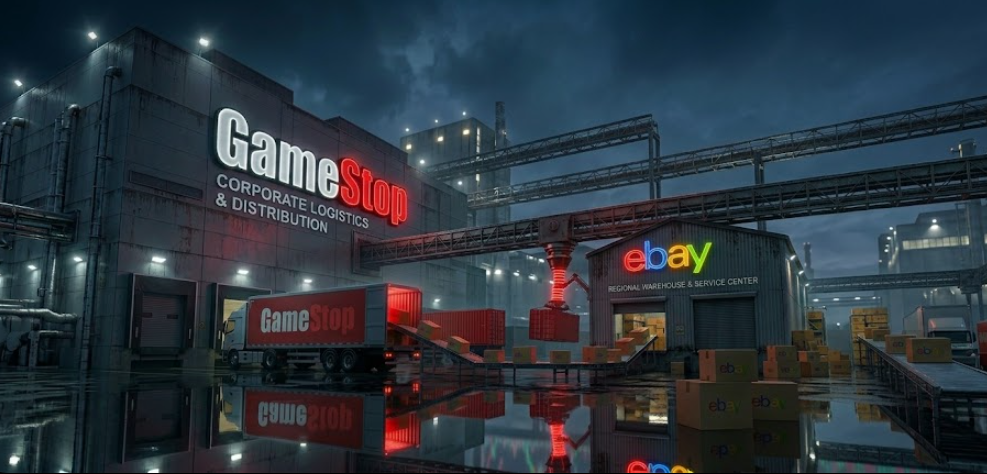
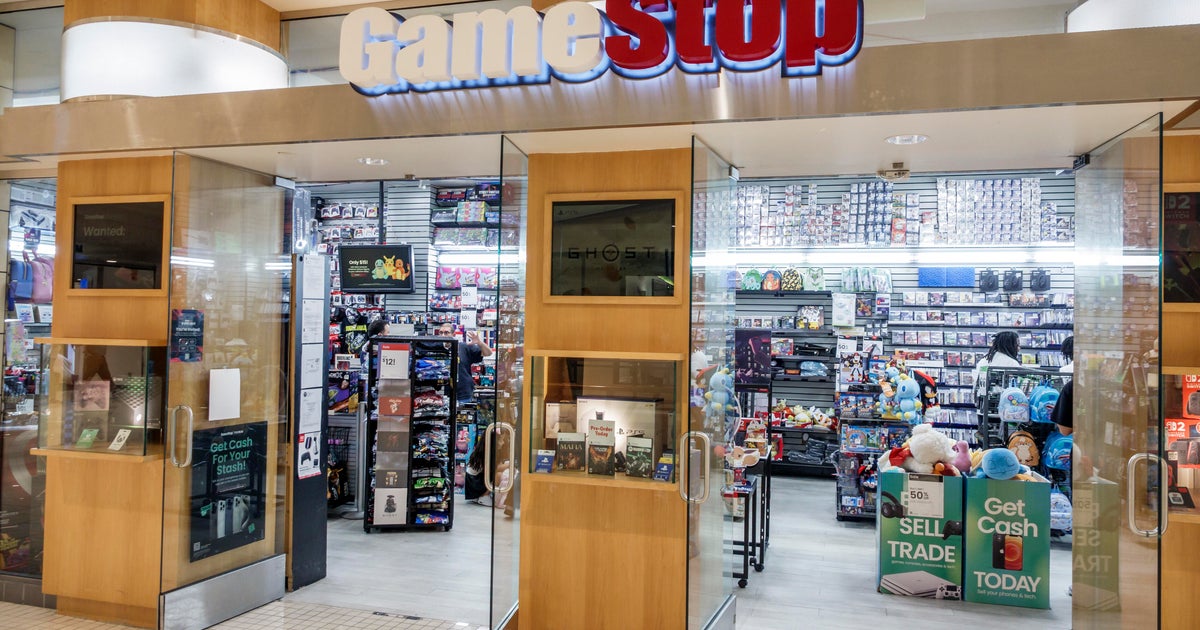
GameStop's unprecedented $55.5 billion unsolicited takeover bid for eBay (announced May 4, 2026) represents the most significant e-commerce marketplace consolidation attempt in history, with direct implications for millions of cross-border sellers. CEO Ryan Cohen's acquisition strategy centers on transforming eBay into an "Amazon competitor" by leveraging GameStop's 1,600 retail stores as authentication and fulfillment hubs, while implementing aggressive cost-cutting measures totaling $2 billion annually—including $1.2 billion in sales/marketing reductions and $300 million in product development cuts. This consolidation signals a fundamental shift in how major marketplaces will compete, directly affecting seller economics, platform policies, and operational requirements.
The merger's immediate impact on eBay sellers hinges on Cohen's stated operational transformation. Currently, eBay's Q1 2026 revenue reached $3.09 billion with 0.75% net buyer growth despite $2.4 billion in annual marketing spend—a metric Cohen explicitly criticized as inefficient. If the acquisition succeeds, sellers should anticipate: (1) Fee structure changes as GameStop implements cost optimization across product development and administrative functions; (2) Authentication requirements leveraging GameStop's 1,600 stores for grading/verification of collectibles, gaming hardware, and trading cards—potentially creating new mandatory fulfillment pathways; (3) Live commerce integration converting GameStop locations into livestream auction studios, fundamentally altering how sellers present inventory; (4) Seller support restructuring as $500 million in administrative cuts likely affect customer service, seller education, and dispute resolution resources. The financing structure—$20 billion from TD Securities plus potential Middle Eastern sovereign wealth fund backing—suggests serious acquisition intent despite Cohen's difficulty explaining financing details in recent media appearances.
Regional and category-specific seller impacts vary significantly. Collectibles sellers (gaming hardware, trading cards, vintage merchandise) face the most immediate operational changes, as GameStop's core competency in authentication and grading directly overlaps with eBay's collectibles category. The Depop acquisition (British secondhand fashion resale app, $1.2 billion purchase from Etsy) indicates eBay's parallel strategy to capture younger, fashion-conscious demographics—suggesting potential fee increases for non-collectibles categories to fund fashion-focused platform development. US-based sellers benefit from GameStop's 1,600-store fulfillment network, while international sellers (particularly EU-based) face uncertainty regarding cross-border authentication requirements and potential policy changes. The merger's success depends on regulatory approval and shareholder support, with typical integration timelines of 12-18 months before major policy changes take effect.
Questions 8
What are the authentication and fulfillment changes sellers should prepare for?
GameStop's proposal to leverage 1,600 retail stores as authentication hubs and fulfillment nodes represents a fundamental operational shift. Collectibles sellers (trading cards, gaming hardware, vintage items) will likely face mandatory authentication requirements through GameStop locations, potentially requiring sellers to ship inventory to these hubs before listing. This creates new logistics costs and processing delays (estimated 5-10 business days per shipment). Sellers should begin documenting product condition, grading standards, and authentication processes now. Non-collectibles sellers may avoid these requirements initially, but should prepare for potential expansion of authentication mandates across categories within 18-24 months.
Which product categories face the highest risk from this merger?
Collectibles (trading cards, gaming hardware, vintage merchandise) face the most immediate operational changes, as GameStop's core expertise directly overlaps with eBay's collectibles category. Fashion/apparel sellers face moderate risk due to eBay's simultaneous $1.2 billion Depop acquisition, suggesting potential fee increases or policy changes in this category. General merchandise and electronics sellers face lower immediate risk but should monitor for policy changes. Gaming-related products (video games, consoles, accessories) may benefit from GameStop's operational integration, potentially receiving preferential treatment in search algorithms and seller support. Sellers should audit their category mix and consider shifting inventory allocation toward collectibles/gaming if they have expertise in these areas.