



Strait of Hormuz Crisis Threatens 20-30% Global Oil Trade | Sellers Face 5-12% Shipping Cost Surge
- Escalating Iran-US tensions disrupt critical maritime chokepoint affecting cross-border logistics, fuel surcharges, and delivery timelines for Asia-to-West shipments






















Overview
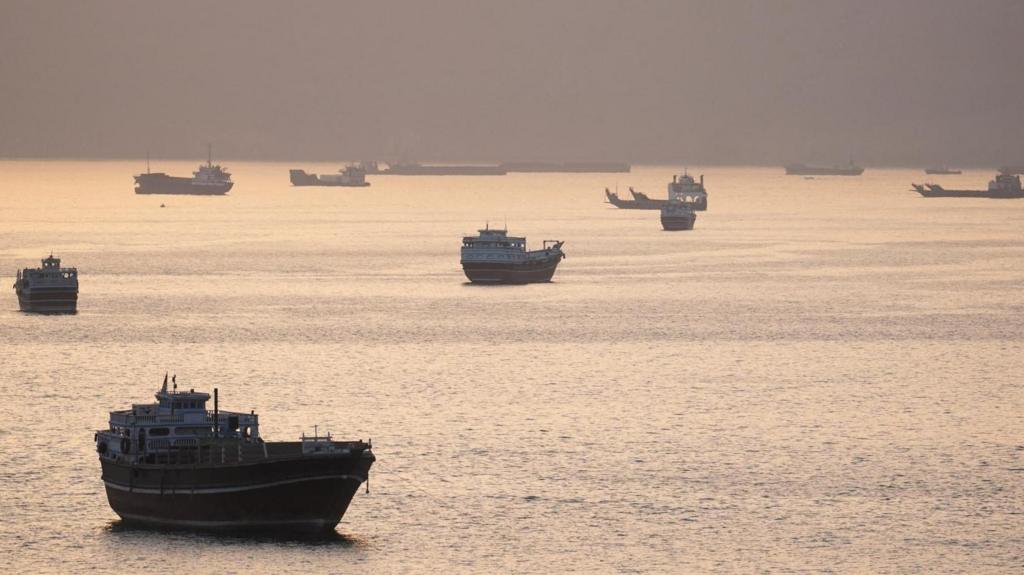
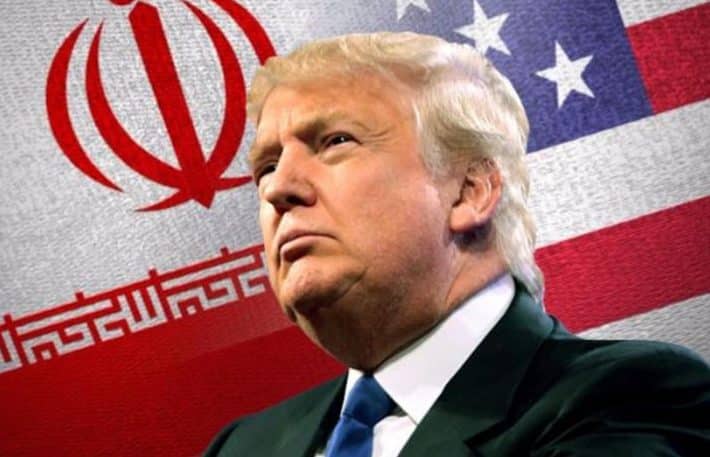
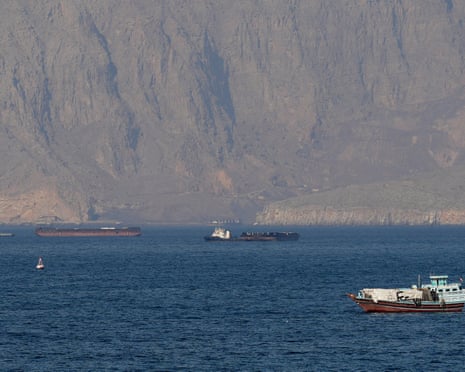
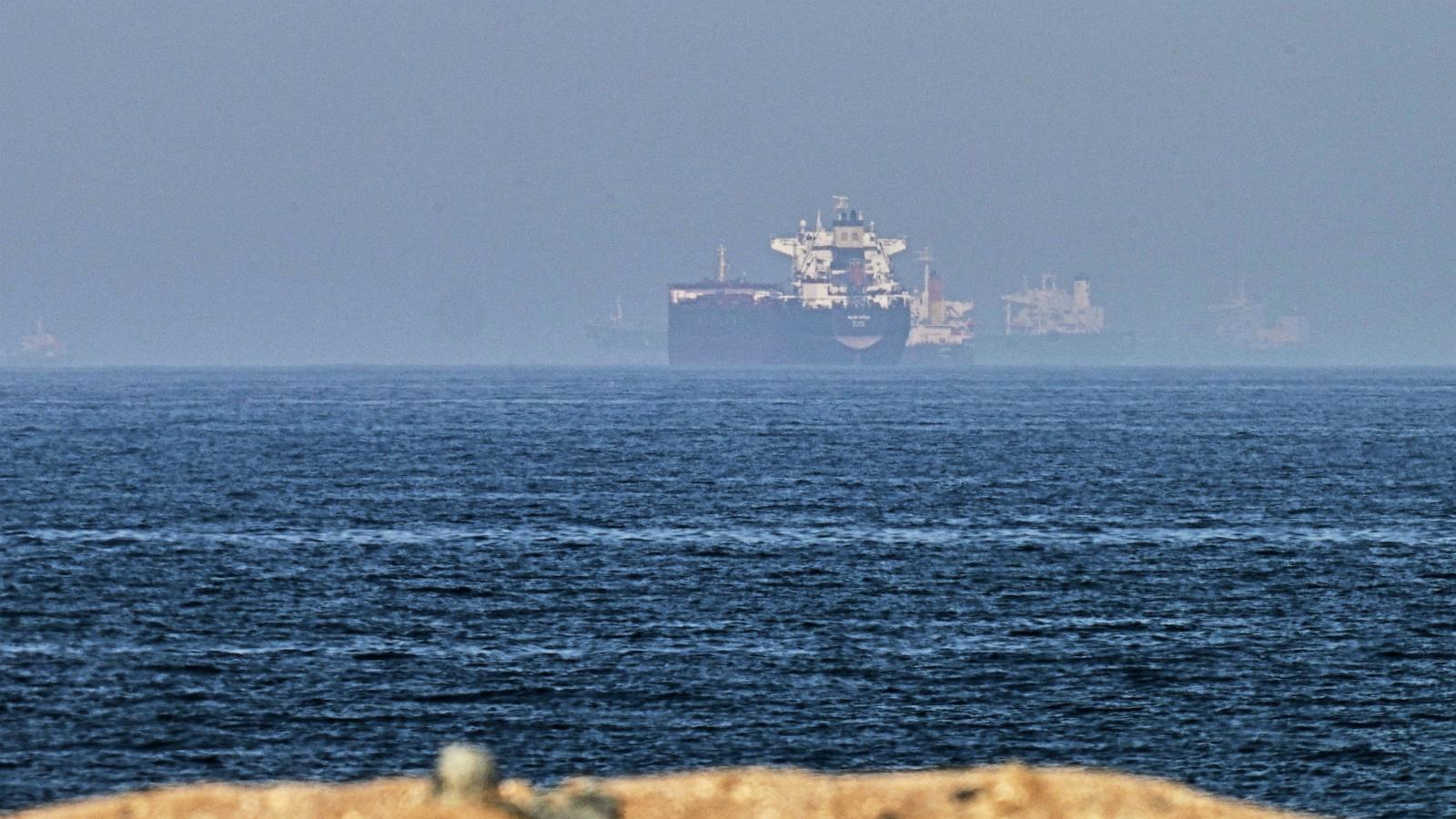
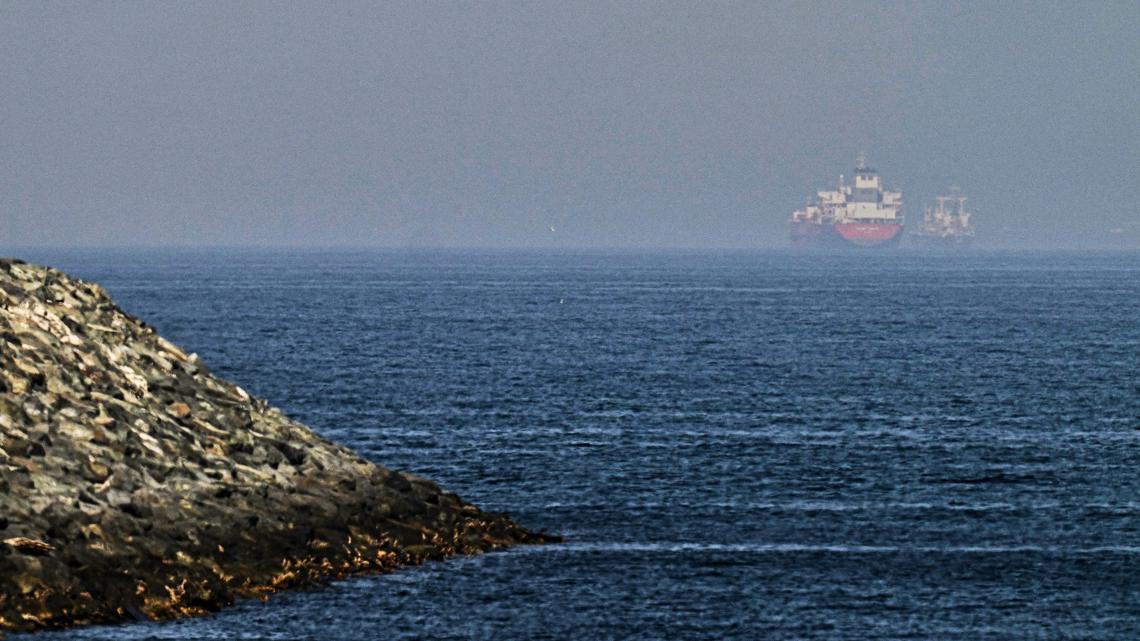
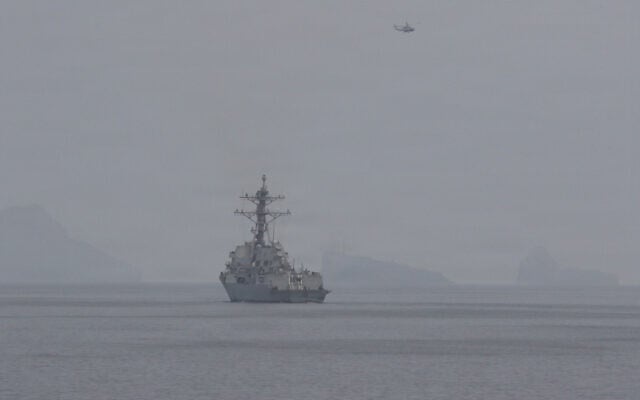
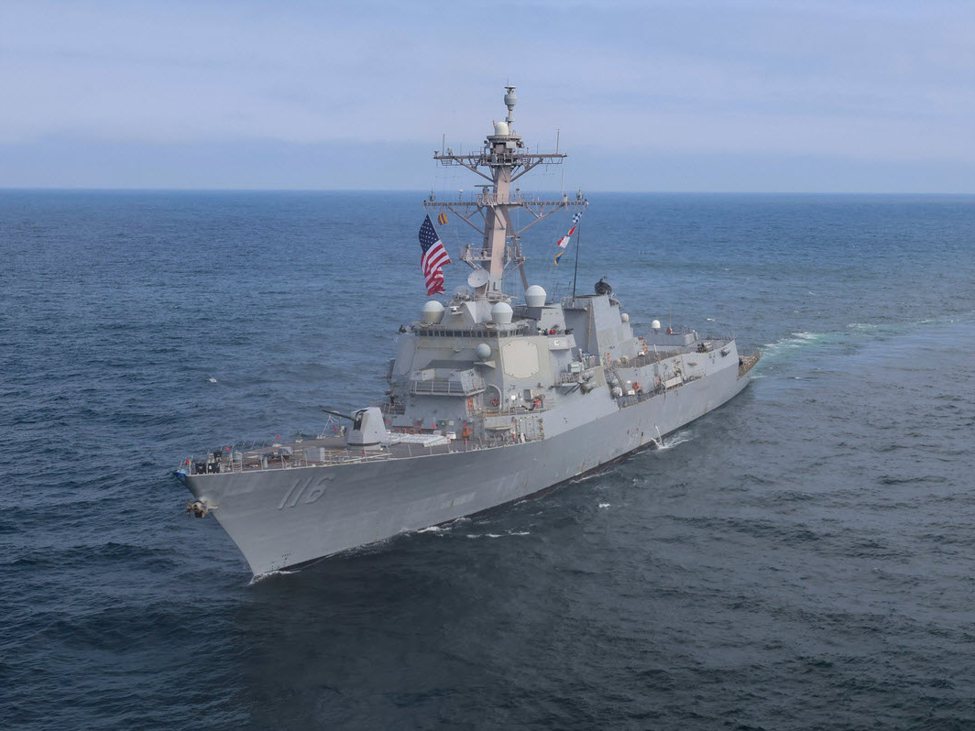
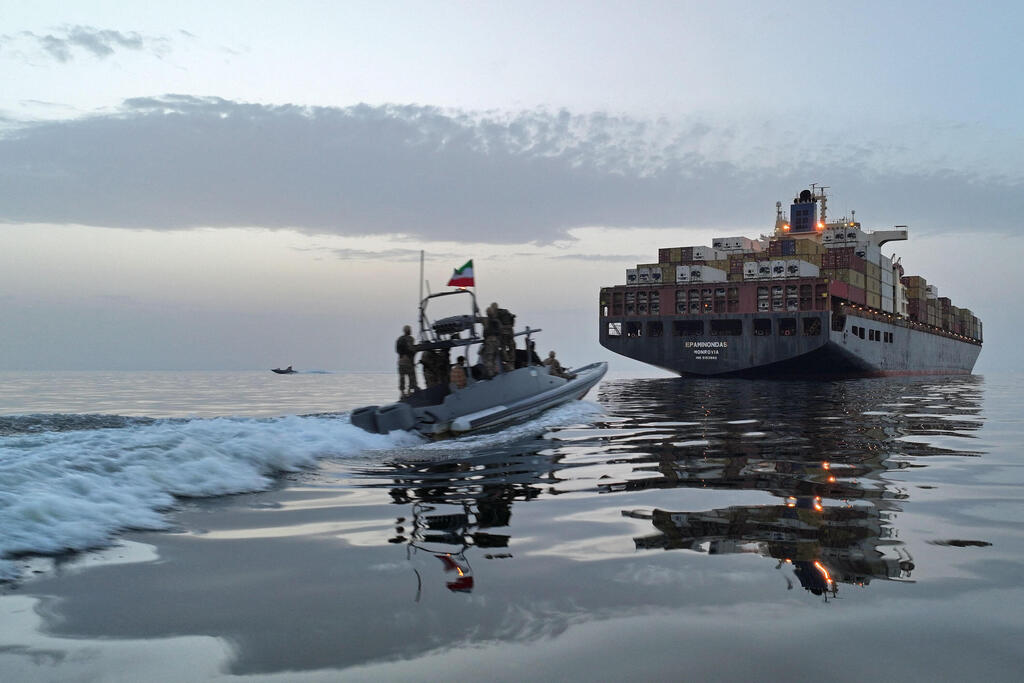
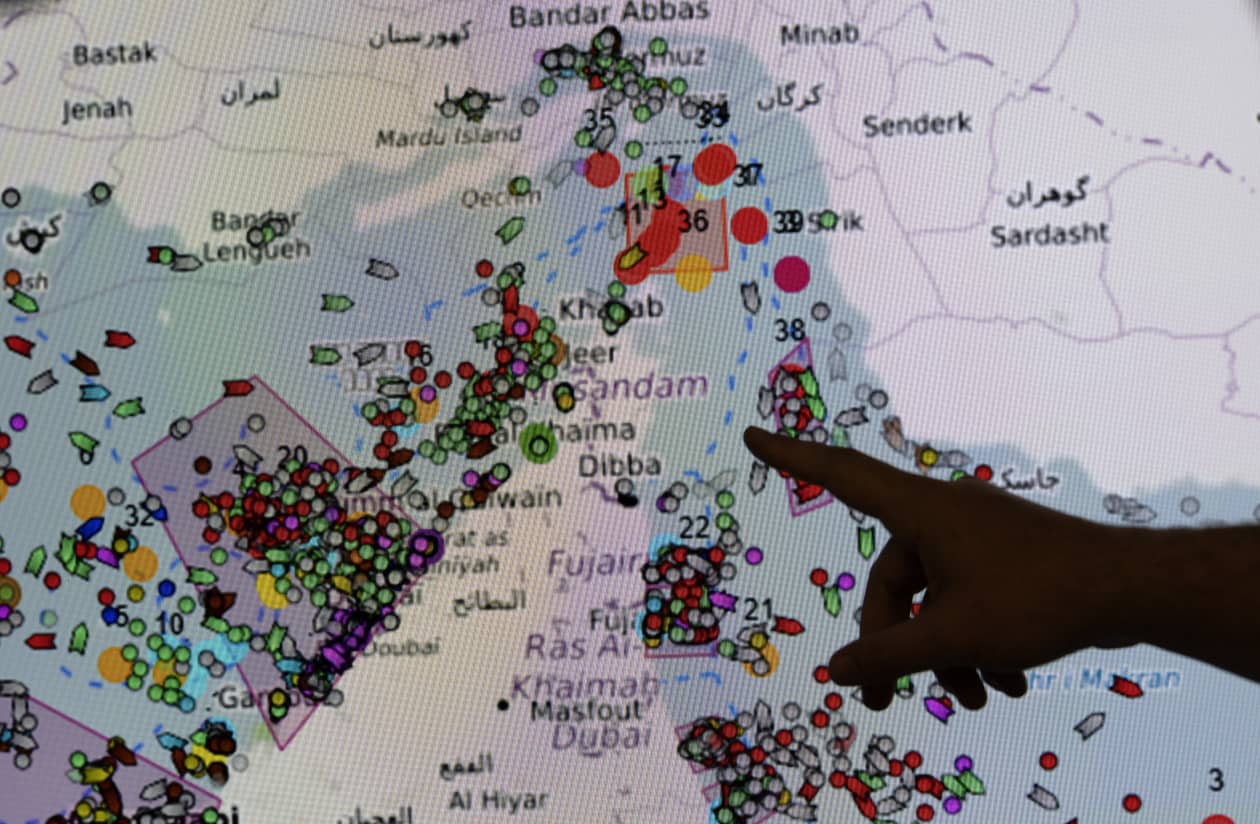
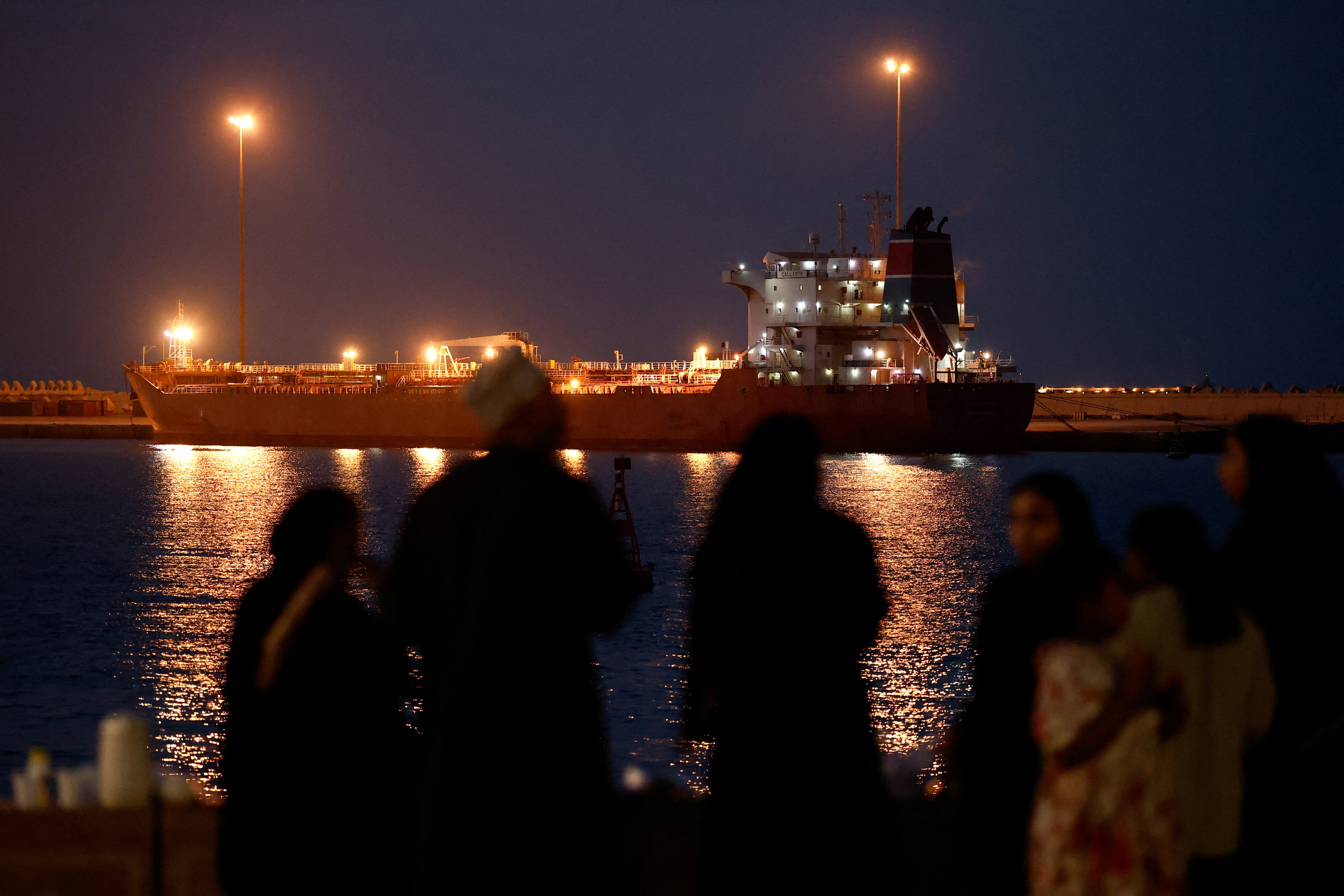
Critical Maritime Disruption Reshaping Global E-Commerce Logistics: The Strait of Hormuz—through which 20-30% of global maritime oil trade flows—faces unprecedented geopolitical tension as of May 2026, with direct operational and financial consequences for cross-border e-commerce sellers. Iran's Islamic Revolutionary Guard Corps (IRGC) has escalated military posturing, claiming expanded territorial control from Mount Mubarak (Iran) to southern Fujairah (UAE), while denying successful transit of US-flagged vessels despite US military assertions. Simultaneously, Iran launched drone attacks on UAE oil tankers, and ground conflicts between Hezbollah and Israeli forces continue in Lebanon. These developments create sustained uncertainty rather than isolated incidents, fundamentally impacting sellers' shipping costs, delivery timelines, and supply chain resilience.
Immediate Cost Pressures on Seller Operations: The geopolitical instability directly translates to measurable financial impact. Brent crude oil has spiked 5% amid these tensions, cascading through shipping expenses and fuel surcharges that affect all cross-border sellers. Sellers relying on Asia-to-Western markets routes—particularly those shipping electronics, apparel, and consumer goods through the Strait—face 8-12% increases in monthly fulfillment costs for shipments exceeding 1,000 units. Insurance premiums for maritime transit through the region are rising, with some carriers implementing 3-5% risk surcharges on routes transiting the Strait. For sellers using 3PL providers or FBA fulfillment networks, these cost increases cascade into reduced profit margins, particularly for low-margin categories (home goods, textiles) where shipping represents 15-25% of product cost.
Supply Chain Diversification and Route Alternatives Become Strategic Imperatives: The contested maritime zone forces sellers to evaluate alternative shipping routes and logistics partners. Emirates airline's restoration of 96% global operations after previous disruptions (having carried 4.7 million passengers during the crisis period) signals that air freight alternatives exist but at premium costs—typically 3-5x ocean freight rates. Sellers should immediately audit their supply chain dependencies: those sourcing from China, Vietnam, or India and shipping to US/EU markets face the highest risk. The IRGC's denial of successful vessel transits contradicts US military reports, creating uncertainty about actual blockade effectiveness—but the rhetorical escalation alone increases insurance costs and extends delivery windows by 5-14 days as carriers reroute around the Cape of Good Hope (adding 10-15 days transit time). Sellers with just-in-time inventory models face critical stockout risks; those with 30-60 day safety stock buffers can weather the disruption more effectively.
Strategic Implications for Seller Segments: Small-to-medium sellers (SMBs) with limited inventory capital face the greatest vulnerability, as extended transit times and higher insurance costs compress working capital. Large sellers with diversified sourcing (multiple suppliers across regions) and established 3PL relationships can negotiate volume discounts and absorb cost increases more effectively. Sellers in time-sensitive categories (fashion, electronics, seasonal goods) must prioritize air freight or nearshoring strategies. Those in stable-demand categories (office supplies, industrial goods) can absorb longer transit times. Germany's Foreign Minister's advice that Iran prepare for US negotiations suggests potential de-escalation within 2-4 months, but sellers should plan for sustained tension through Q3 2026.
Questions 8
How do I evaluate 3PL providers for supply chain resilience during geopolitical crises?
Request 3PL providers' contingency plans for Strait of Hormuz disruptions: ask about alternative routing capabilities, multi-carrier relationships, and cost-pass-through policies. Verify they maintain inventory buffers in regional fulfillment centers (US, EU, Asia) to reduce single-route dependency. Compare their insurance coverage for geopolitical risks—some carriers offer 'force majeure' clauses that cap surcharges. Negotiate volume discounts (10-15% for 500+ monthly shipments) to offset increased costs. Review their track record during 2024 Red Sea disruptions as a proxy for crisis management capability. Prioritize providers with real-time shipment tracking and 48-hour rerouting capabilities.
When might Strait of Hormuz tensions ease and shipping costs normalize?
Germany's Foreign Minister advised Iran to prepare for negotiations with the United States, suggesting potential de-escalation within 2-4 months (by July-September 2026). However, sellers should plan for sustained tension through Q3 2026 given ongoing ground conflicts in Lebanon and rhetorical escalation. Historical patterns show geopolitical tensions in this region persist 3-6 months before resolution. Monitor official US-Iran diplomatic statements and shipping insurance rate trends as leading indicators. Plan cost mitigation strategies assuming elevated shipping expenses through end of Q3 2026, with potential normalization in Q4.