
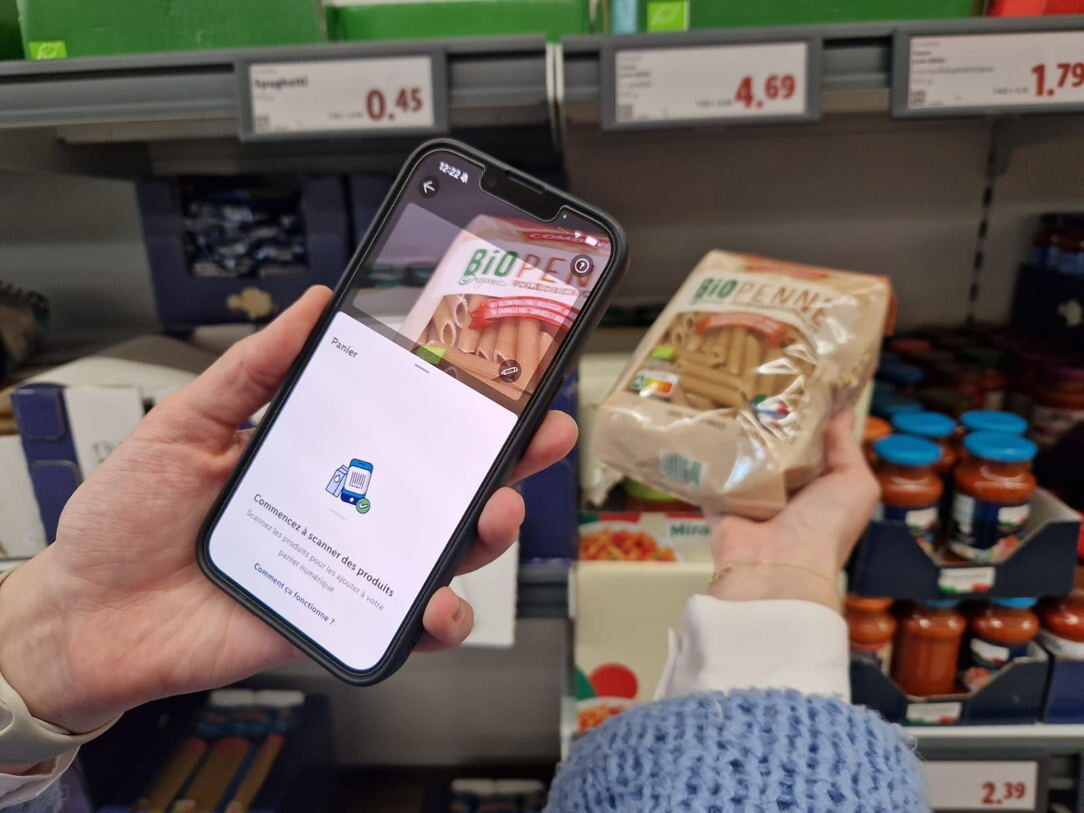
AI-Powered Retail Automation Reshapes Grocery Shopping | Seller Opportunities in Smart Checkout Technology
- Lidl's Scan & Go system with visual recognition technology launches May 2024, targeting 17-20% checkout time reduction and creating new product opportunities for sellers in smart retail infrastructure
Overview
Lidl's transformative AI-powered Scan & Go system represents a critical inflection point in retail automation that directly impacts e-commerce sellers across multiple dimensions. Beginning May 4, 2024, trials in three Luxembourg stores (Dudelange, Strassen, Windhof) will test smartphone-integrated scanning with real-time basket totals and instant checkout, with full rollout planned by end of 2027. The breakthrough innovation—smart scales with visual recognition technology for produce and frozen foods—solves retail's most persistent automation bottleneck: fresh product identification complexity that historically prevented self-scanning adoption.
The automation opportunity for sellers is immediate and quantifiable. Lidl's strategic approach automates only critical bottlenecks rather than pursuing Amazon's costly full-autonomy model, making efficiency gains achievable without massive infrastructure overhaul—crucial in retail's low-margin environment. Industry data confirms the ROI: Colruyt's AI-assisted checkouts in Luxembourg show estimated 17-20% time savings, while Carrefour and Ahold Delhaize have already deployed mobile scanning with manual intervention for bulk goods. This creates direct opportunities for sellers in three categories: (1) smart scale hardware and visual recognition software providers, (2) mobile app development for Scan & Go integration, and (3) product packaging optimization for barcode-less identification systems.
For cross-border sellers, this trend signals fundamental shifts in retail operations and consumer expectations. The non-linear adoption pattern—some Luxembourg retailers deliberately maintain staffed checkouts responding to customer demand for human interaction—reveals that automation success depends on balancing operational efficiency with customer experience. Sellers must prepare for dual-track retail: optimizing product listings for both traditional checkout and AI-powered scanning systems. Fresh produce sellers face immediate pressure to ensure visual recognition compatibility, while packaged goods sellers should audit barcode placement and packaging design for automated systems. The 2027 full rollout timeline provides a 3-year window for sellers to develop competitive advantages through AI-ready product presentation, dynamic pricing integration with smart checkout systems, and customer data insights from Scan & Go transaction patterns.
Strategic sellers can leverage this transformation for competitive moats. Real-time basket data from Scan & Go systems enables predictive analytics on purchase patterns, seasonal demand, and cross-category buying behavior—insights unavailable in traditional retail. Sellers who integrate with Lidl Plus app data can optimize product recommendations, personalized pricing, and inventory positioning. The technology also creates opportunities for sellers in complementary categories: smart packaging solutions, barcode-alternative identification systems (QR codes, RFID), and checkout-adjacent products (payment systems, loyalty program integration). As European retailers follow Lidl's model, sellers positioned early in smart retail infrastructure will capture disproportionate market share during the 2024-2027 transition period.
Questions 8
How does Lidl's automation strategy differ from Amazon's approach?
Lidl automates only critical bottlenecks (produce identification, payment processing) while maintaining human staff and customer choice, requiring minimal infrastructure overhaul. Amazon pursues costly full-autonomy models requiring extensive infrastructure investment. Lidl's approach is more scalable and economically viable in retail's low-margin environment. For sellers, this means Lidl's model will likely be adopted by more European retailers than Amazon's expensive approach. Sellers should prepare for widespread Scan & Go adoption across traditional grocery chains rather than waiting for full automation. The 2027 rollout timeline provides a clear window for sellers to develop competitive advantages in smart retail infrastructure, visual recognition optimization, and AI-ready product presentation.
What AI tools and technologies should sellers use to capitalize on this trend?
Sellers should immediately implement: (1) AI-powered product image optimization tools to ensure visual recognition compatibility, (2) dynamic pricing software integrated with real-time checkout data, (3) predictive analytics platforms analyzing Scan & Go transaction patterns, (4) inventory management systems synchronized with smart checkout data, and (5) customer behavior analysis tools revealing cross-category purchase patterns. Sellers should also audit packaging design for barcode placement and visual distinctiveness. Consider investing in RFID or alternative identification systems as backup to visual recognition. Monitor Lidl Plus app integration opportunities and prepare product data feeds for smart retail platforms. Early adoption of these tools creates 3-year competitive advantage window before widespread European adoption.