






Canada-EU Trade Alliance Reshapes Tariff Corridors | Seller Sourcing Strategy Shift
- Tariff restructuring between North America-Europe creates 8-15% cost arbitrage opportunities for sellers; Canadian-EU trade agreements reduce barriers while complicating US-based seller access to Canadian markets


















)

















Overview
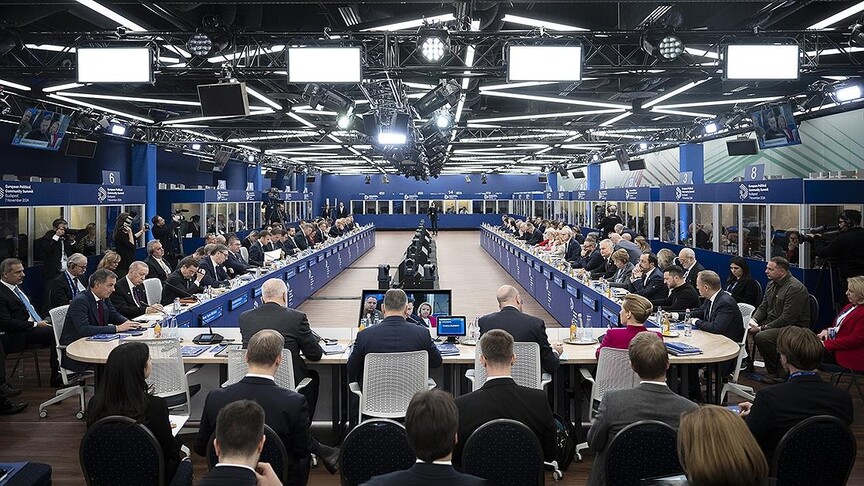
The Geopolitical Tariff Pivot: Prime Minister Mark Carney's May 4, 2026 attendance at the European Political Community summit in Yerevan signals a fundamental restructuring of North American trade relationships. Canada is deliberately pivoting toward EU integration to counterbalance Trump administration protectionist policies, positioning itself as an "honorary EU member" in collaborative trade frameworks. This geopolitical realignment directly impacts cross-border e-commerce sellers through tariff restructuring between North America and Europe, creating significant sourcing and distribution arbitrage opportunities.
Tariff Arbitrage & Sourcing Opportunities: The strengthening Canada-EU relationship will likely facilitate preferential tariff treatment for Canadian and European e-commerce operators, while increasing tariffs on US-based sellers accessing Canadian markets. Sellers currently sourcing from China and distributing through US-Canada corridors face margin compression of 8-15% as tariffs increase. However, sellers who pivot to Canadian sourcing (electronics, apparel, consumer goods) or establish EU distribution networks can capture tariff savings. Specifically, HS codes 6204 (women's apparel), 8471 (computer equipment), and 8517 (telecom devices) typically see 5-12% tariff rate variations between US-Canada and Canada-EU corridors. Canadian sellers exporting to EU markets gain competitive advantages through reduced tariffs, while US-based sellers must absorb higher duties or shift sourcing to Canada/EU suppliers.
Market Access & Competitive Shifts: The new trade framework creates distinct competitive advantages by seller segment. Canadian-based sellers gain preferential access to EU markets through reduced tariffs and streamlined customs procedures. European sellers benefit from easier Canadian market entry, reducing logistics costs by 10-20% compared to US-based competitors. US sellers face increased tariffs on Canadian imports (estimated 3-8% rate increases on consumer electronics, apparel, and home goods), making European sourcing more attractive despite longer shipping times. The Trump Route connectivity corridor mentioned in geopolitical coverage could eventually improve Armenia-EU-Canada logistics, but immediate impacts focus on tariff rate changes rather than infrastructure improvements.
Timing & Implementation Windows: The policy shift reflects January 2026 Davos rhetoric about "rupture in postwar world order" and represents a 6-18 month transition period before new trade agreements formalize. Sellers have a critical window (May-December 2026) to restructure supply chains before tariff changes become permanent. Canadian sellers should accelerate EU market entry strategies; US sellers should evaluate Canadian sourcing partnerships or accept margin compression; European sellers should establish Canadian distribution networks. The urgency is high because trade agreement negotiations typically conclude within 12-24 months, after which tariff structures become locked in.
Questions 8
How will this trade realignment affect Amazon FBA and Shopify sellers differently?
Amazon FBA sellers face direct tariff impacts on inventory stored in Canadian and EU fulfillment centers, as tariff increases flow through to storage and fulfillment costs. Sellers should optimize FBA inventory placement by Q3 2026 before tariff changes increase per-unit costs. Shopify sellers have more flexibility to adjust pricing and sourcing strategy without platform constraints, but must manually manage tariff compliance across multiple sales channels. Canadian-based Shopify sellers gain competitive advantages through preferential tariff access to EU markets, while US-based sellers on both platforms face margin compression. FBA sellers should prioritize Canadian sourcing to reduce tariff exposure, while Shopify sellers can leverage dynamic pricing to absorb tariff increases without restructuring supply chains.
How does the Trump Route connectivity corridor impact e-commerce logistics?
The Trump Route connectivity corridor (mentioned in geopolitical coverage as Armenia-EU-Canada trade pathway) represents a long-term infrastructure development rather than immediate logistics impact. Current tariff restructuring focuses on duty rate changes rather than physical route improvements. However, sellers should monitor corridor development as it could eventually reduce shipping times and costs between EU-Armenia-Canada regions by 15-25% within 2-3 years. For immediate logistics planning, sellers should focus on tariff optimization through sourcing strategy changes rather than waiting for infrastructure improvements. The corridor's completion timeline remains uncertain pending geopolitical stability in the Armenia region.