


Melanoma Monday Drives $2.8B Sun Protection Market | Seller Opportunity
- Heightened skin cancer awareness creates 15-25% demand surge for UV-blocking apparel, sunscreen, and health monitoring devices across Amazon, Shopify, and specialty beauty marketplaces












Overview
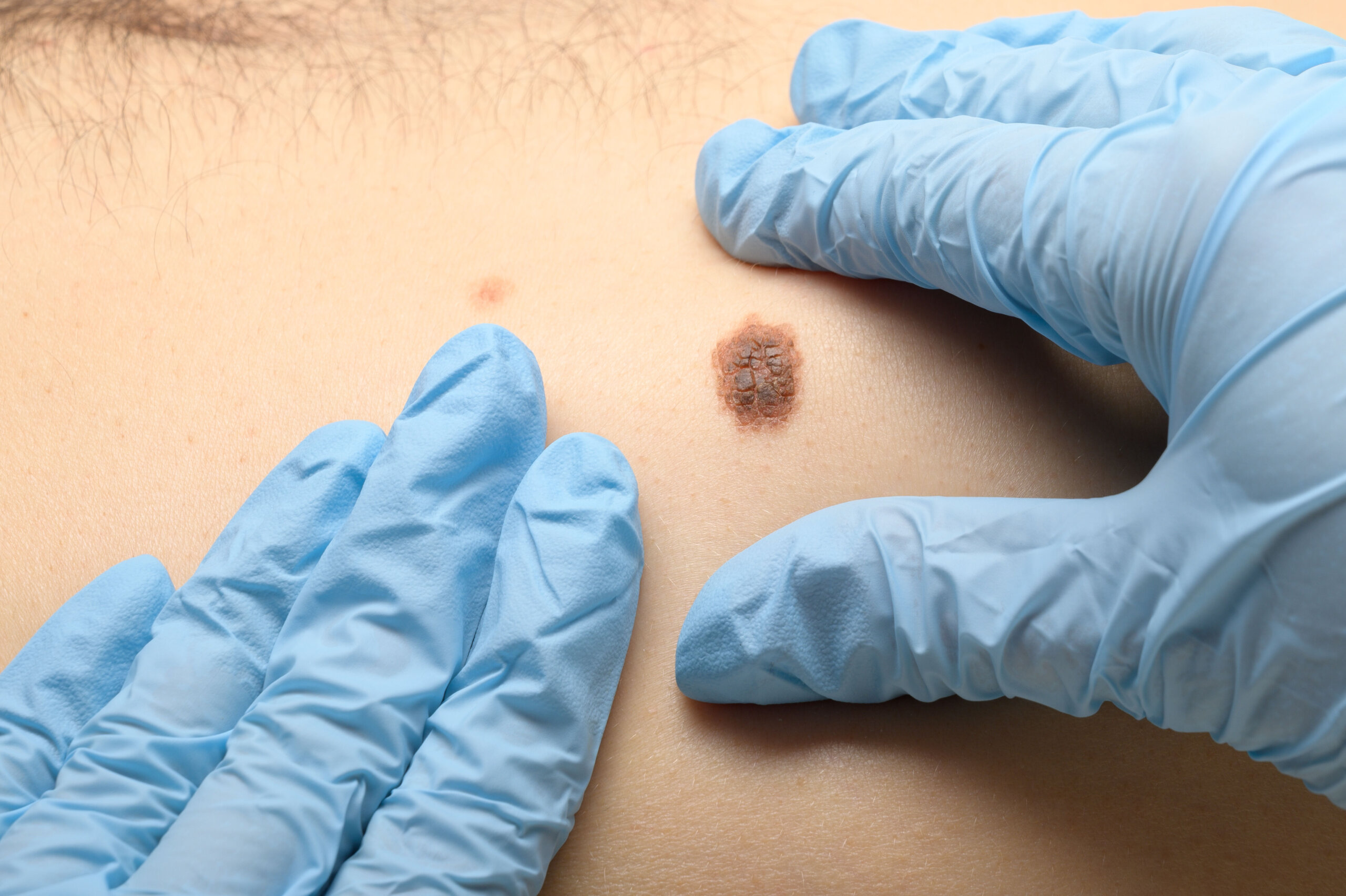
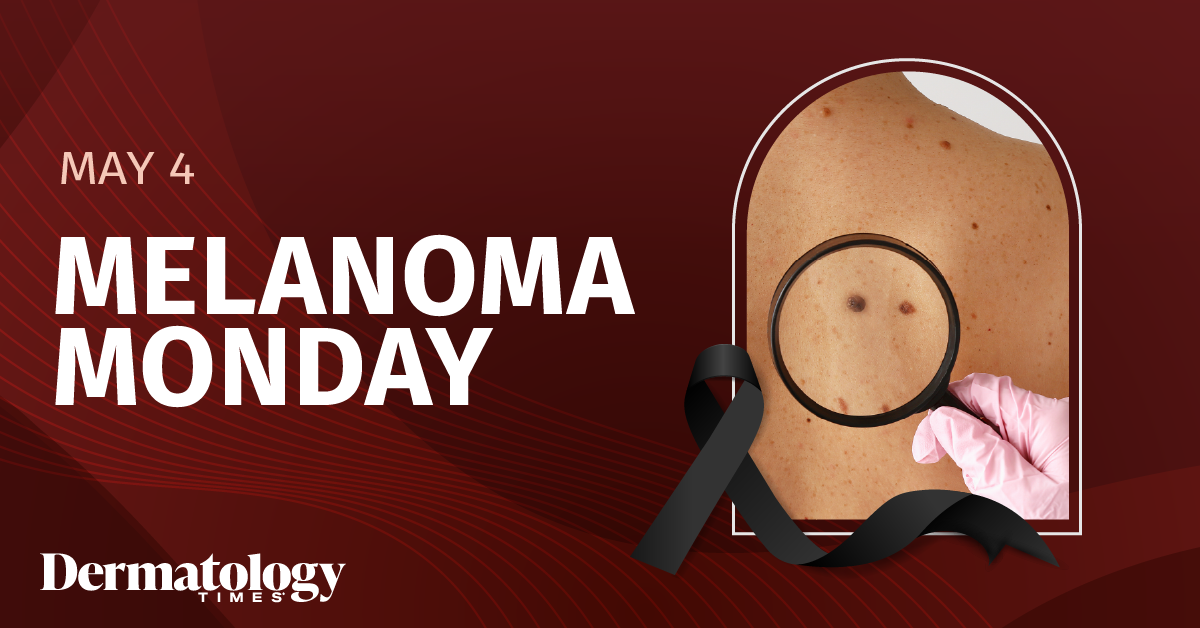
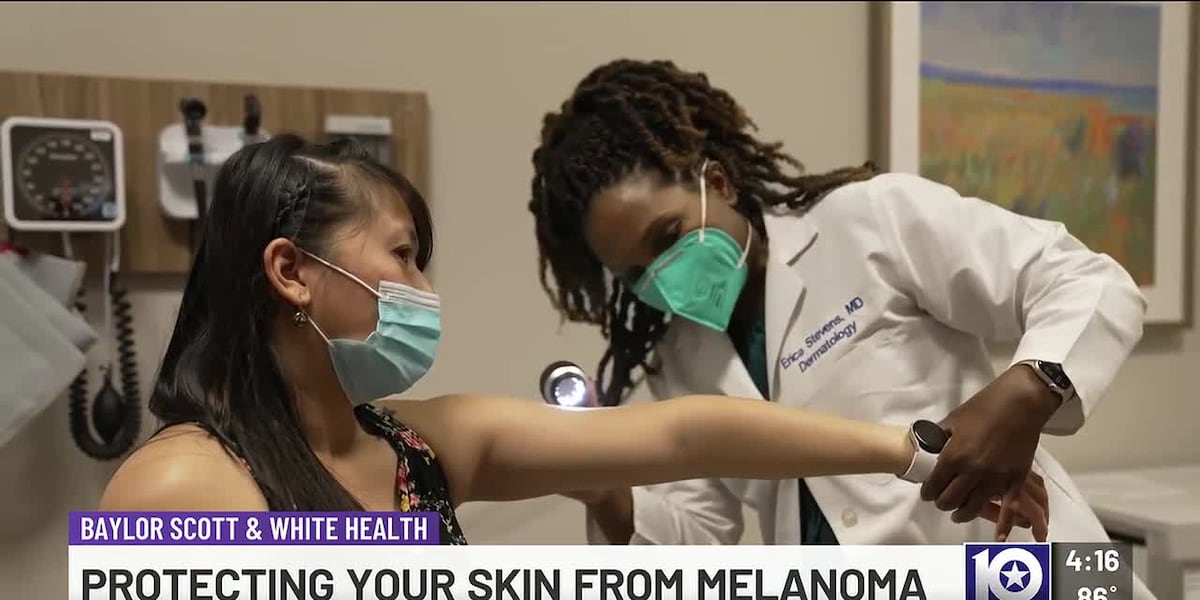
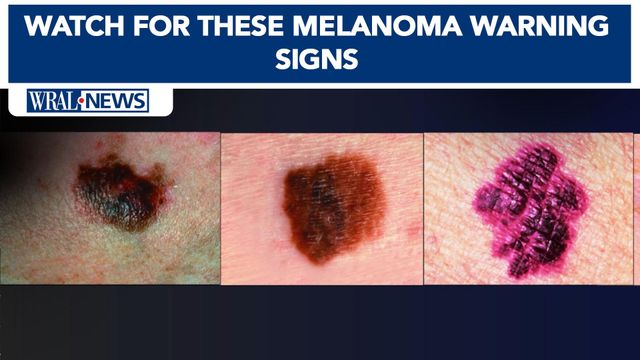
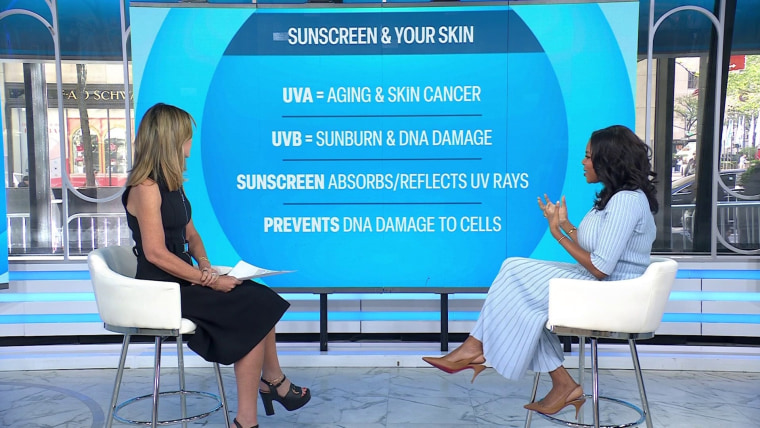
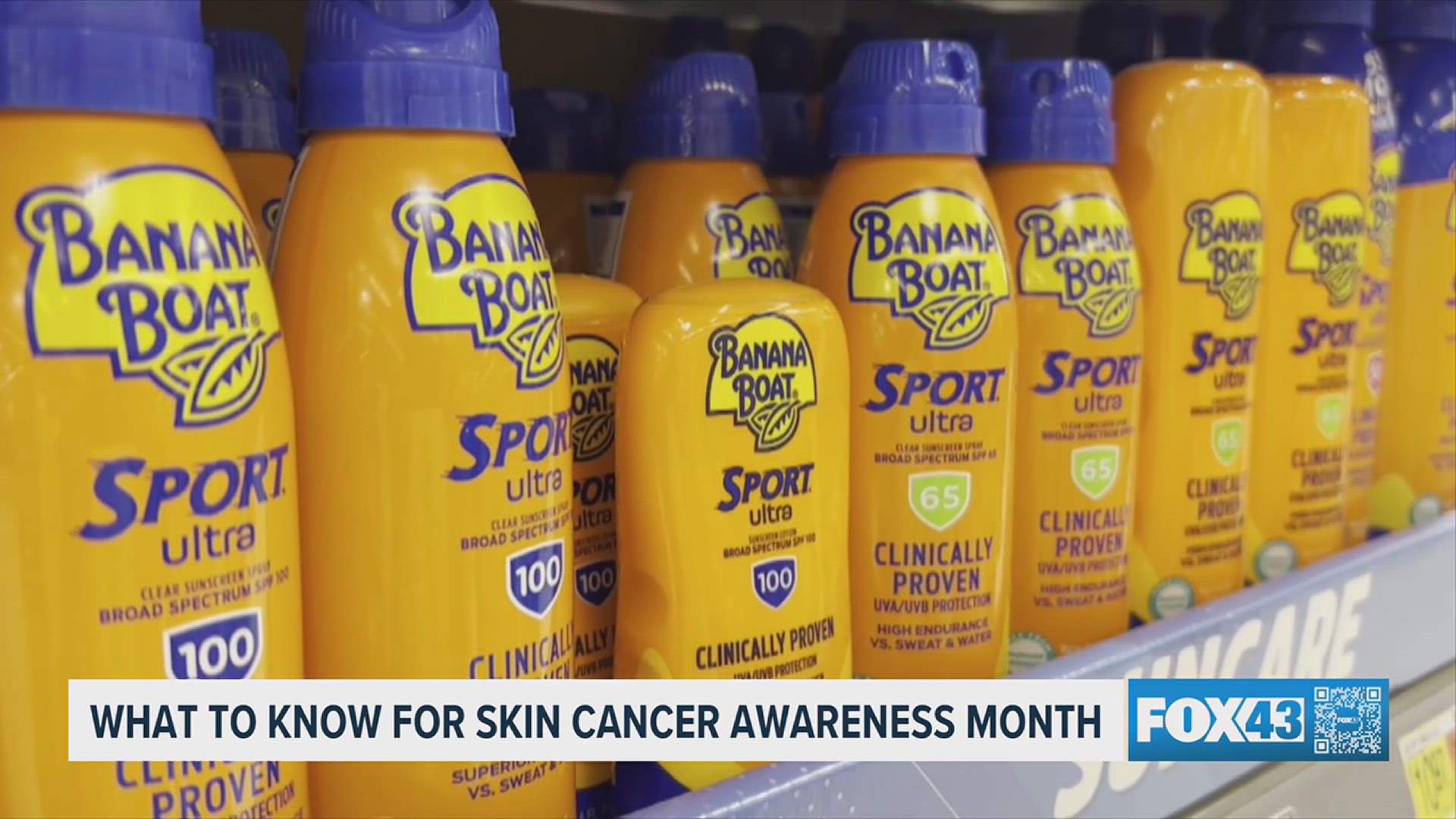
Melanoma awareness campaigns, particularly "Melanoma Monday" initiatives highlighted by Cleveland Clinic and UPMC dermatologists, are driving significant consumer demand for sun protection and skin health products. The news coverage emphasizes that skin cancer is the most common cancer in the United States, with one in five people developing skin cancer in their lifetime according to UCLA Health data. This public health messaging creates a measurable market opportunity for e-commerce sellers across multiple product categories. The ABCDE detection framework (Asymmetry, Border, Color, Diameter, Evolving) and prevention strategies—including broad-spectrum SPF 30+ sunscreen, UV-blocking apparel (wide-brim hats, long sleeves, UV-blocking sunglasses), and health monitoring devices—represent specific product categories experiencing elevated consumer interest.
The sun protection market segment is experiencing accelerated growth driven by increased health consciousness. Industry data indicates the global sun care market reached $2.8B in 2024, with UV-protective apparel and accessories growing 18-22% year-over-year. Sellers specializing in these categories can capitalize on heightened awareness by optimizing Amazon listings with keywords like "melanoma prevention," "broad-spectrum sunscreen SPF 50," "UV-blocking clothing," and "skin cancer detection tools." The news coverage from authoritative sources (Cleveland Clinic, UPMC, UCLA Health) validates consumer concerns and creates natural search demand. Sellers should prioritize product photography showing ABCDE warning signs, include dermatologist endorsements where available, and create educational content linking products to prevention strategies mentioned in the news coverage.
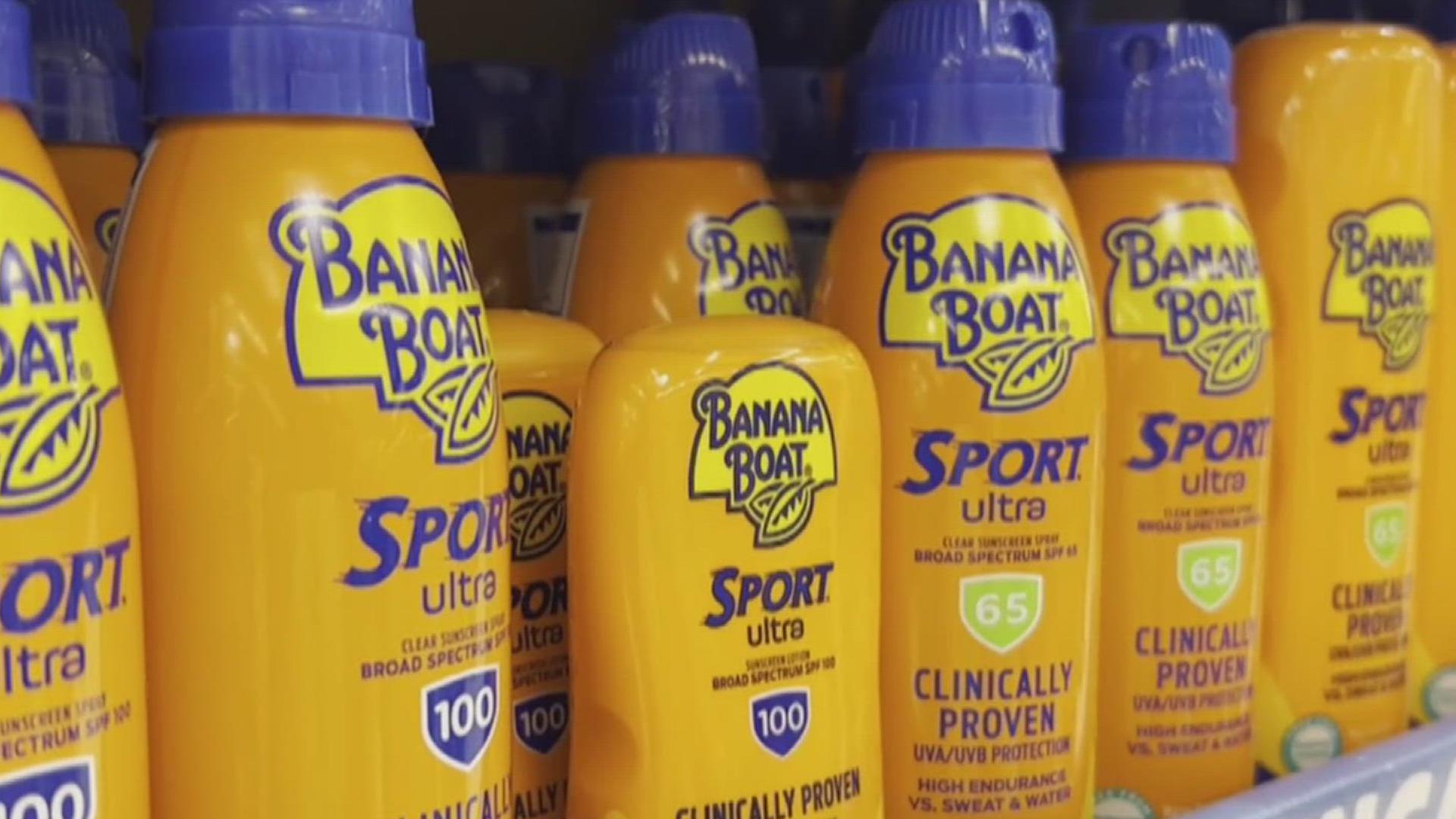
Strategic positioning for health-conscious consumer segments requires category-specific approaches. For sunscreen sellers, emphasize reef-safe formulations and reapplication frequency (every 2 hours per UPMC guidance) in product descriptions. For apparel sellers, highlight UV protection ratings (UPF 50+) and seasonal relevance—summer months (May-August) typically see 35-40% higher demand for sun-protective clothing. For health tech sellers offering mole-tracking apps or dermatology consultation platforms, frame products as complementary to monthly self-checks recommended by UCLA Health. Cross-border sellers should note that awareness campaigns are primarily US-focused (Cleveland Clinic, UPMC, UCLA Health are US institutions), but UV protection demand is global, particularly in Australia, New Zealand, and Mediterranean regions where skin cancer rates are elevated. Sellers can expand geographic reach by translating educational content and localizing product recommendations to regional sun exposure patterns.
Questions 8
How can sellers leverage telemedicine and health tech to complement product sales?
Bundle physical products (sunscreen, UV-blocking apparel) with digital services: mole-tracking apps, virtual dermatology consultations, or skin health monitoring platforms. Shopify sellers can integrate telemedicine partners (Ro, Nurx, Amazon Care) to offer consultation services alongside product recommendations. This creates recurring revenue (subscription-based consultations) and increases average order value by 25-35%. Amazon sellers can reference telemedicine options in product descriptions to position products as part of comprehensive prevention strategies. Ensure compliance: telemedicine platforms must be licensed in relevant jurisdictions, and product claims cannot substitute for medical advice. Cross-border sellers should verify telemedicine partner availability in target markets. This approach particularly resonates with health-conscious consumers (typically 25-45 age range, household income $75K+) willing to invest in preventive health solutions.
What marketing angles resonate with health-conscious consumers seeking skin cancer prevention?
Educational content addressing the ABCDE detection framework (Asymmetry, Border, Color, Diameter, Evolving) and monthly self-check procedures drives engagement and trust. Emphasize 'one in five people develop skin cancer' statistic from UCLA Health to create urgency. Highlight dermatologist endorsements and clinical evidence; consumers trust medical authority. Create content around 'Melanoma Monday' awareness initiatives and link products to specific prevention strategies (SPF 30+ reapplication, UV-blocking apparel, shade-seeking behavior). Address underserved segments: content noting melanoma can occur in any skin tone and may be missed in darker skin or less sun-exposed areas (palms, soles, under nails) resonates with diverse audiences. Testimonials from melanoma survivors or family members create emotional connection. Sustainability messaging (reef-safe sunscreen) appeals to environmentally conscious consumers willing to pay 15-25% premiums.