




NATO Defense Spending Surge Creates $50B+ Procurement Opportunity for Military Equipment Suppliers
- European nations commit to increased defense budgets; sellers of military-grade electronics, logistics equipment, and industrial components face tariff shifts and new market access across 9+ NATO countries
)








Overview
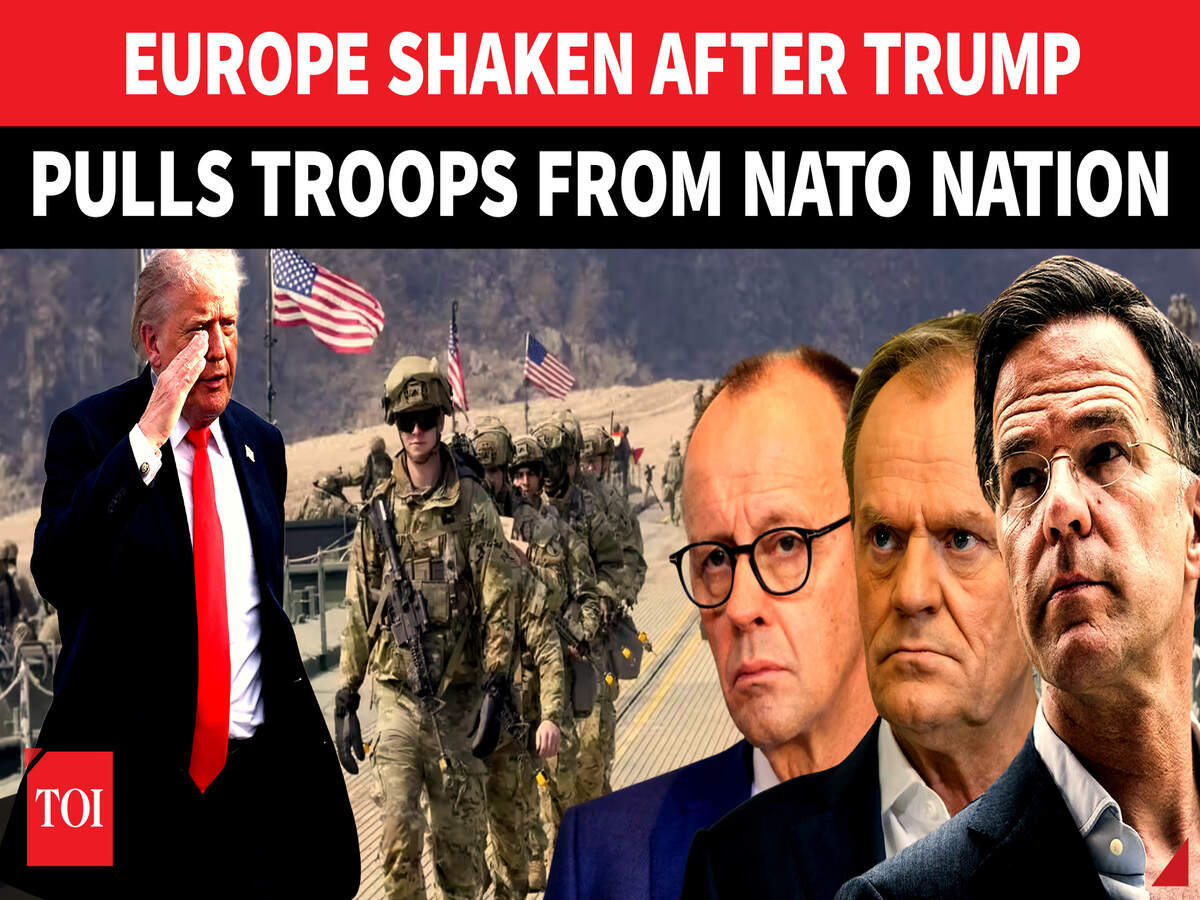
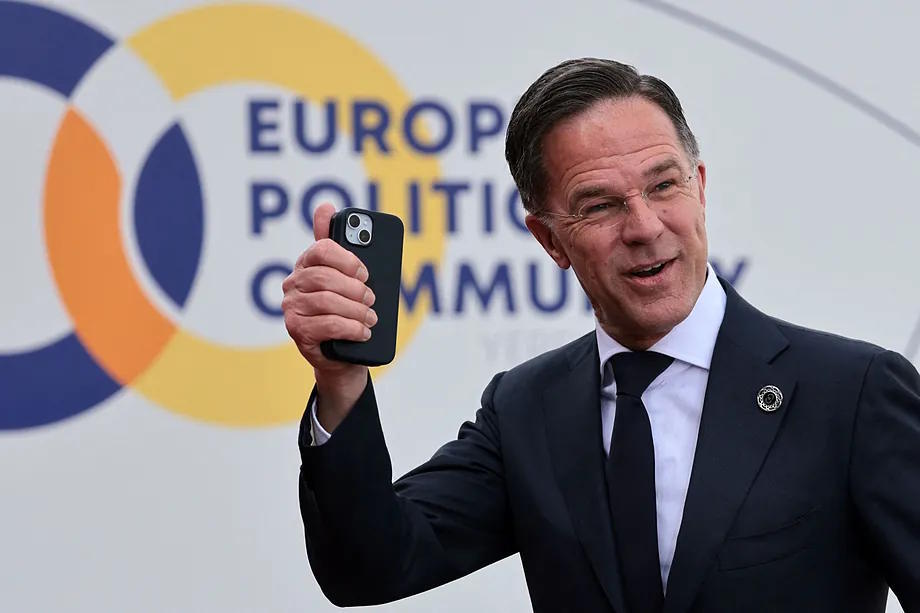
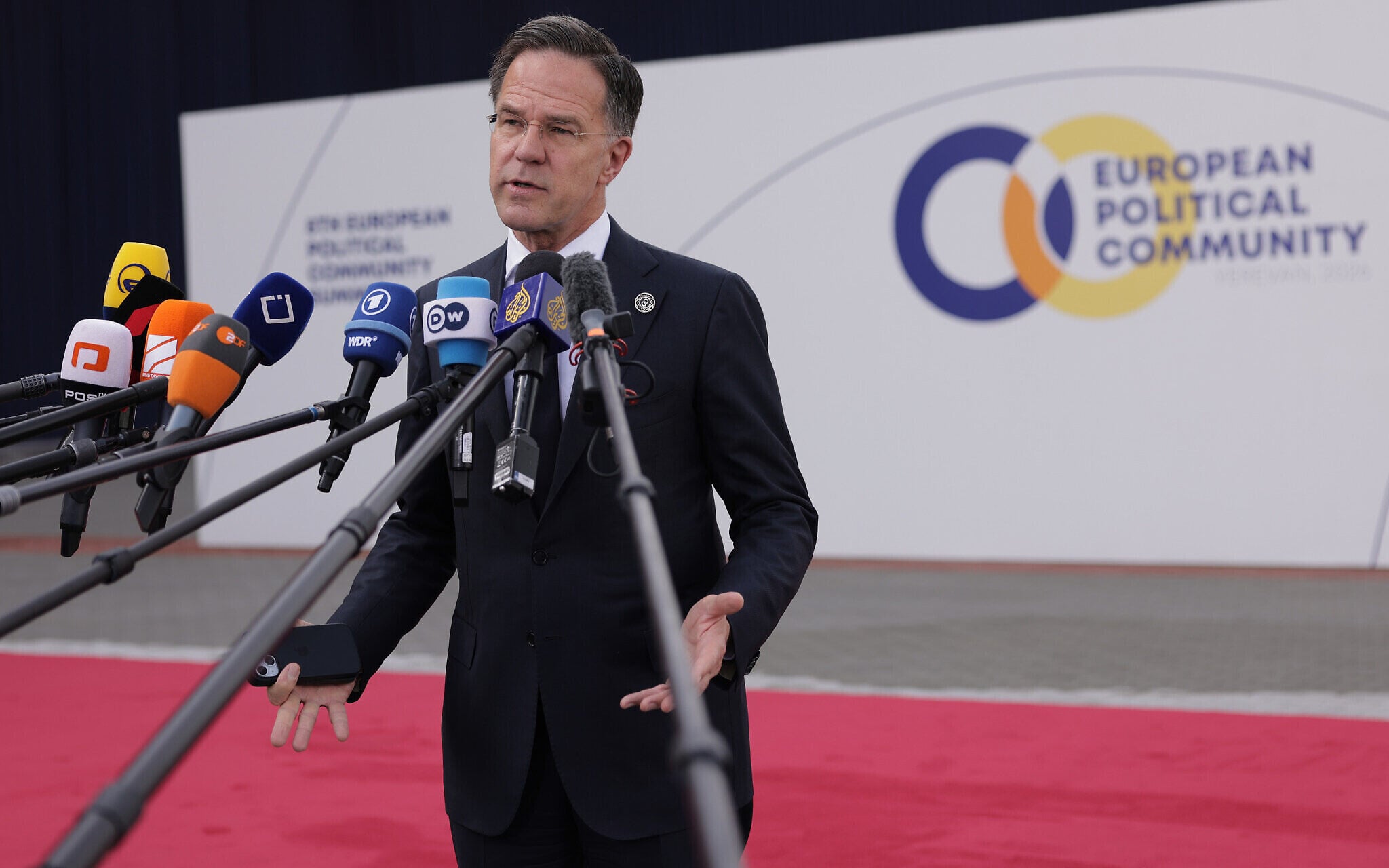
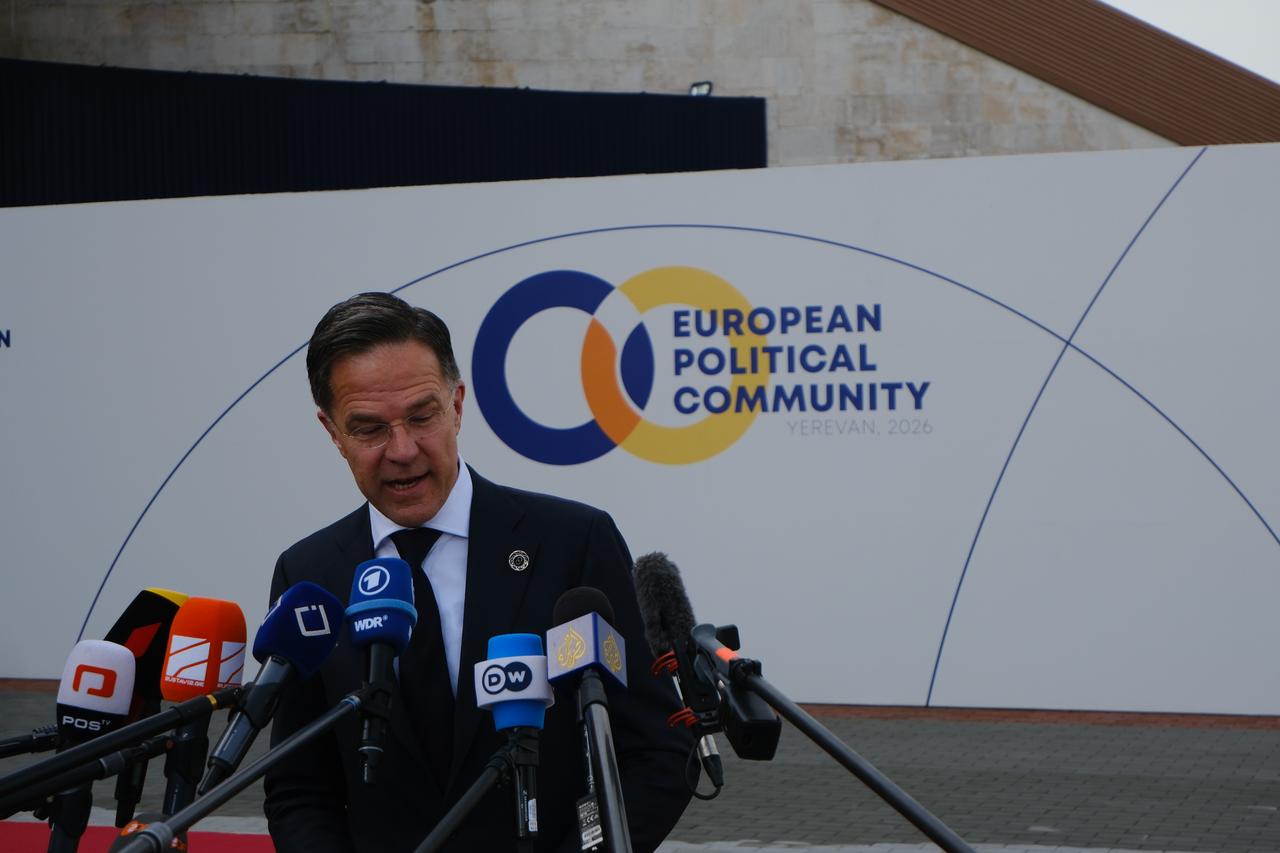
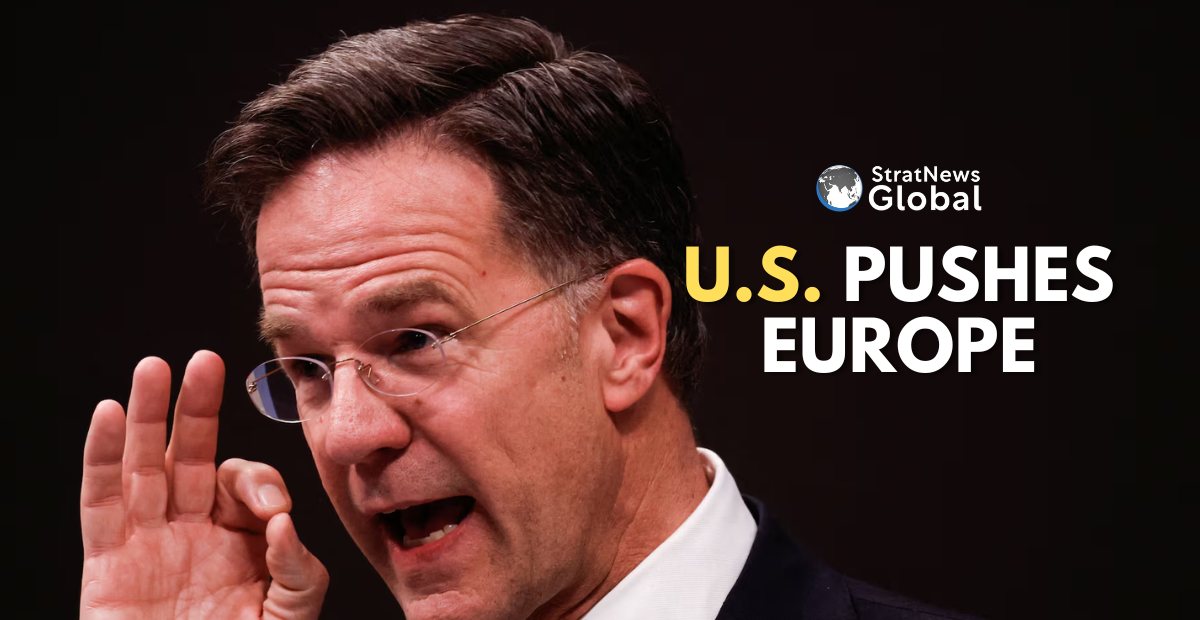
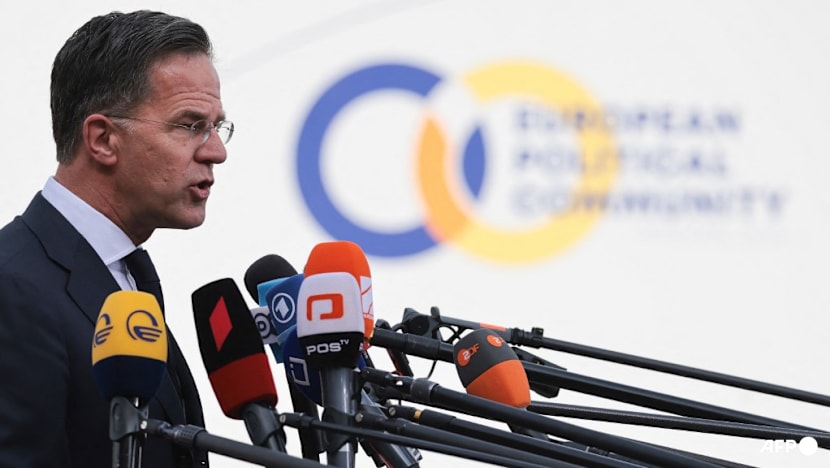
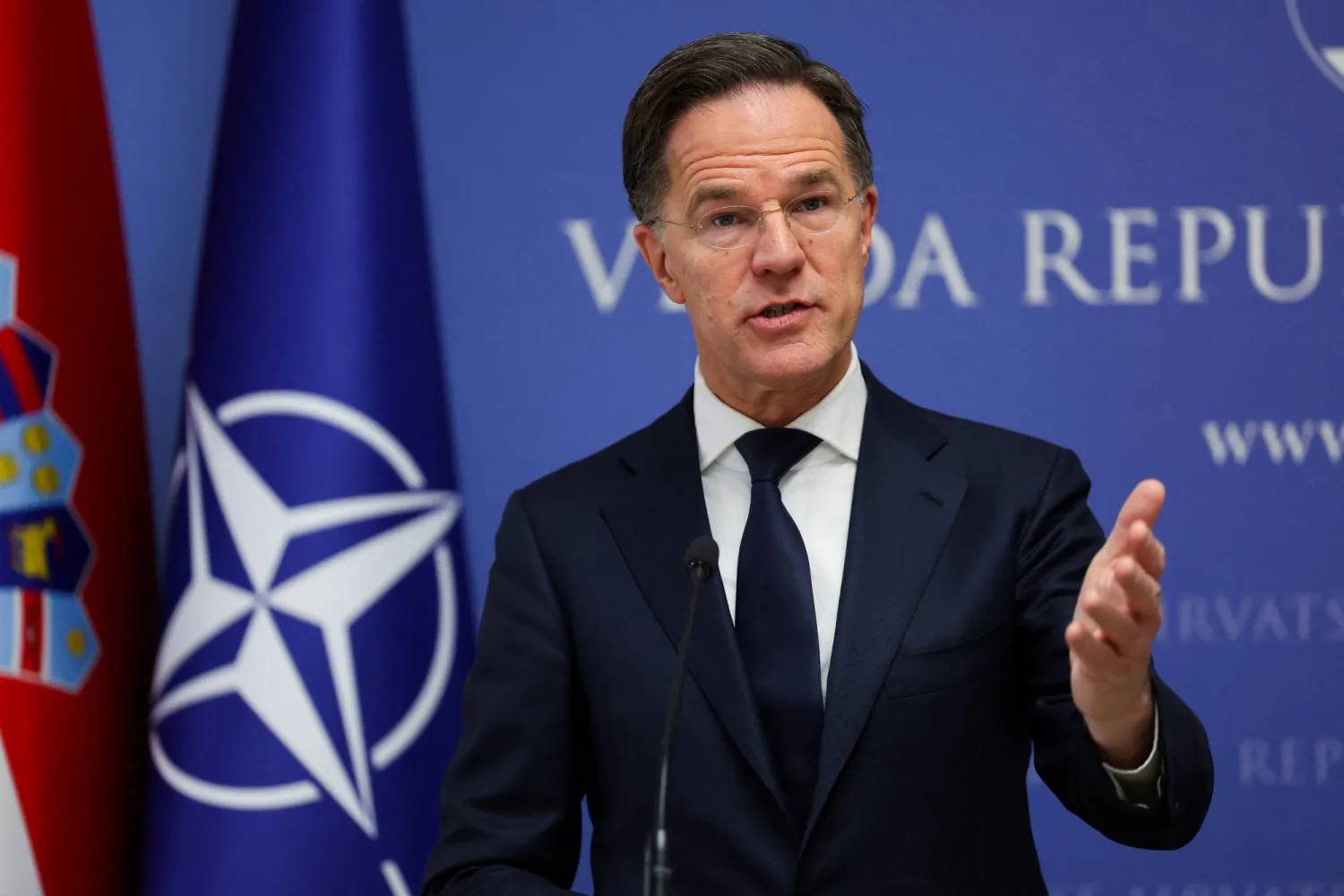
The NATO defense spending surge triggered by Trump's pressure campaign and the Iran conflict represents a transformative procurement opportunity for cross-border sellers in industrial, electronics, and logistics categories. NATO Secretary-General Mark Rutte announced on May 4, 2026, that European nations including Germany, France, Italy, Romania, Croatia, Montenegro, Portugal, and Greece are implementing bilateral military base agreements and pre-positioning naval assets near the Persian Gulf. This coordinated response signals a fundamental shift in European defense strategy, with nations committing to increased military spending driven by concerns about U.S. NATO commitment reliability and Russia's ongoing Ukraine assault.
The tariff arbitrage opportunity is substantial: European defense procurement traditionally faces complex tariff structures under HS codes 8401-8537 (electrical machinery), 7308-7326 (metal structures), and 9305-9307 (military weapons/ammunition). The shift toward European military independence creates pressure to source equipment domestically or from allied suppliers, potentially reducing tariffs on U.S. and allied nation exports while increasing barriers on non-aligned suppliers. Specifically, minehunters and minesweepers pre-positioned near the Persian Gulf require specialized electronics, hydraulic systems, and composite materials—categories where tariff reductions could improve margins by 8-15% for qualifying suppliers.
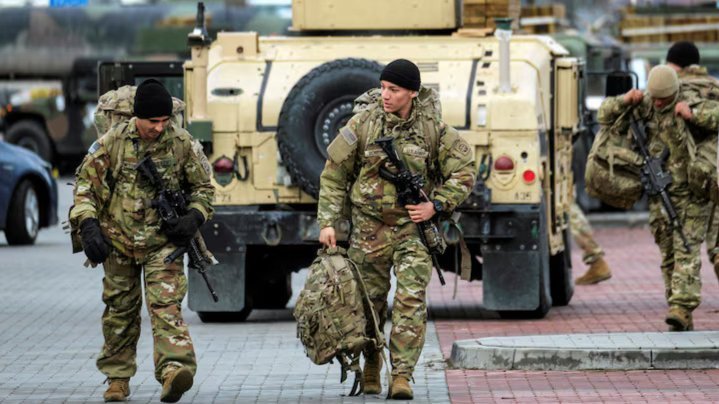
Market access expansion is immediate: The announcement of bilateral basing agreements across 9 NATO countries signals new procurement channels opening simultaneously. Germany's military modernization (following the 5,000-troop withdrawal announcement), France's enhanced capabilities initiative, and Italy's expanded naval operations create distinct procurement windows. Sellers of industrial electronics (HS 8534-8542), precision instruments (HS 9014-9031), and logistics equipment (HS 8704-8708) can expect increased RFQ (Request for Quotation) activity from government defense contractors in these countries through Q3-Q4 2026.
Competitive dynamics shift dramatically: The news explicitly states Spain maintains restrictions on military base usage for Iran operations, creating a tariff/market access disadvantage for Spanish-based suppliers. Conversely, Germany, France, Italy, and Eastern European NATO members (Romania, Croatia, Montenegro) become preferred sourcing destinations. This geographic reallocation benefits sellers with supply chains in these regions and creates arbitrage opportunities for sellers currently sourcing from non-preferred regions. The timing window is critical—procurement cycles typically begin 60-90 days after policy announcements, meaning Q2-Q3 2026 represents the optimal entry point before competitors establish relationships.
Shipping disruptions in the Strait of Hormuz add logistics complexity: The news highlights economic disruption from shipping disruptions affecting global commerce. This creates dual opportunities: (1) sellers of maritime safety equipment and navigation systems see demand spikes, and (2) sellers shipping to Middle Eastern markets face 15-30% longer transit times and potential 5-8% cost increases. Sellers should evaluate 3PL providers with alternative routing capabilities and consider pre-positioning inventory in European ports to serve the increased naval operations near the Persian Gulf.
Questions 8
What competitive advantages do sellers in Germany and France gain from this NATO shift?
Germany and France gain significant competitive advantages as primary beneficiaries of NATO's defense spending surge. Germany faces immediate modernization pressure following the 5,000-troop withdrawal, creating urgent procurement demand for military equipment and logistics support. France's explicit commitment to European military independence signals preference for domestic and allied suppliers over traditional U.S. sources. Sellers based in these countries benefit from: (1) proximity to government procurement offices, (2) existing relationships with defense contractors, (3) potential tariff advantages under bilateral agreements, and (4) reduced compliance complexity for domestic suppliers. Non-EU sellers should establish partnerships with German and French distributors or defense contractors to access these markets. The competitive advantage window is 6-12 months, before procurement relationships stabilize.
How does Trump's threat to terminate trade relationships with Spain affect cross-border sellers?
Trump's statement calling Spain 'terrible' and threatening to terminate trade relationships signals potential tariff escalation or trade restrictions on Spanish suppliers. This creates competitive disadvantages for Spain-based sellers in military equipment categories and potentially broader industrial goods. Conversely, sellers in countries supporting increased NATO commitments (Germany, France, Italy, Romania, Croatia, Montenegro) may benefit from preferential tariff treatment or procurement priority. Sellers should monitor U.S. Trade Representative (USTR) announcements for potential Section 301 tariffs or trade agreement modifications affecting Spanish suppliers. For sellers currently sourcing from Spain, this represents a risk factor requiring supply chain diversification into alternative European suppliers by Q3 2026.