


AMD Ryzen AI Max+ PRO 495 | 192GB Memory Powers AI Workstation Market Expansion
- 10% performance boost over Strix Halo enables $3-5K premium workstation category for content creators and data scientists; sellers can capture emerging AI-powered creative tools market







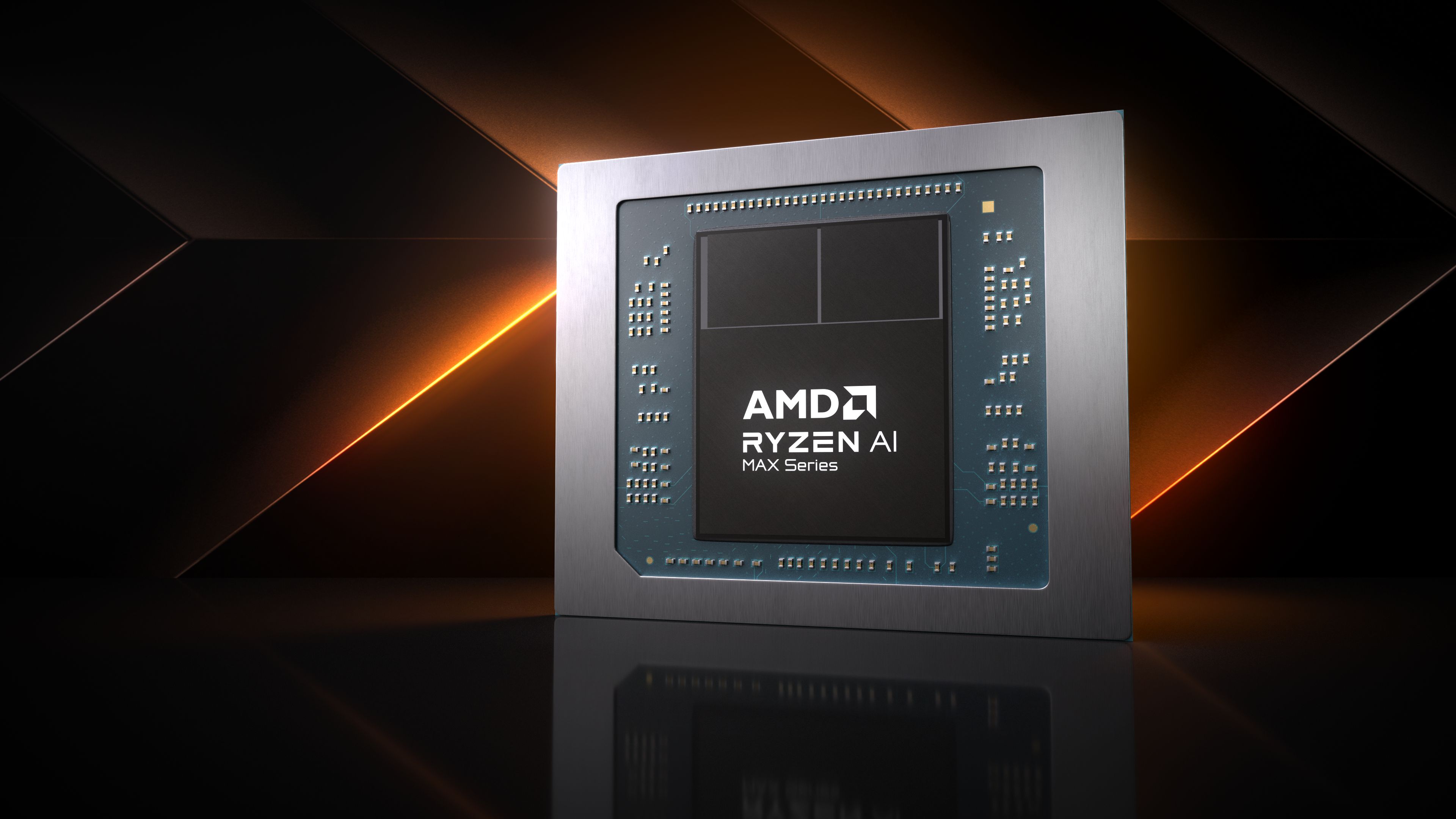
Overview
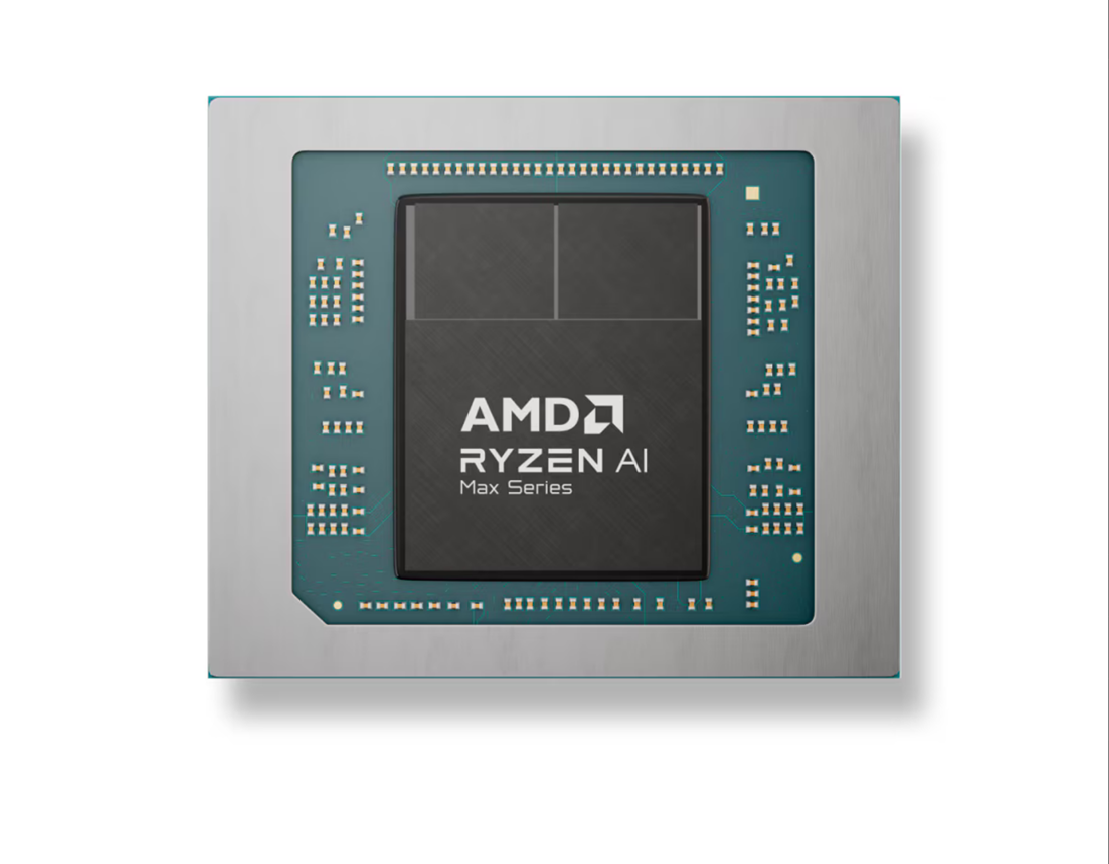
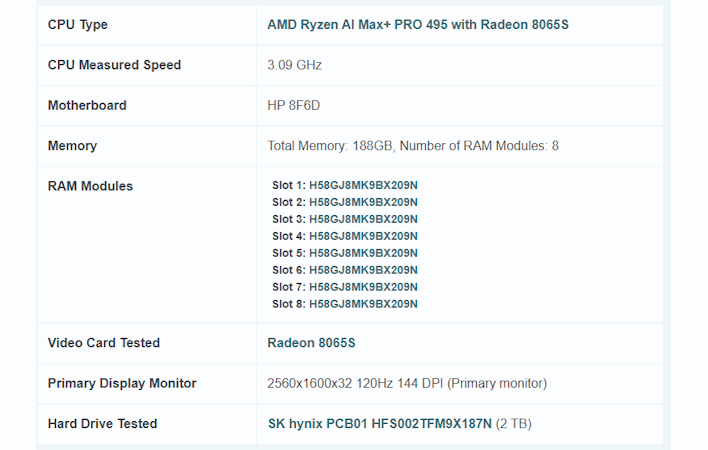
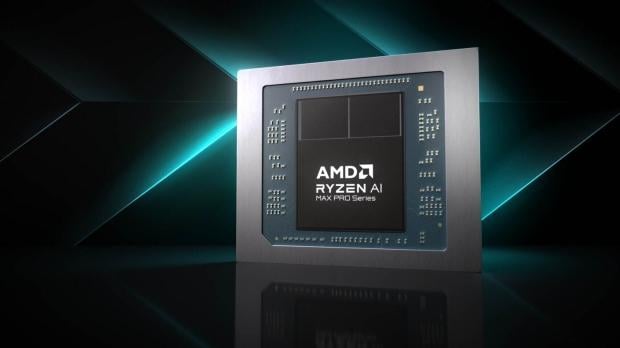
AMD's Ryzen AI Max+ PRO 495 "Gorgon Halo" processor represents a critical inflection point in professional mobile computing, directly enabling a surge in AI-powered creative workstations that e-commerce sellers can monetize. The leaked specifications reveal 16 Zen 5 cores, 192GB unified memory (up from 128GB), and a Radeon 8065S GPU delivering 10% multi-threaded performance gains and 5% single-threaded improvements over the previous PRO 395 generation. PassMark benchmarks show 57,525 multi-core points versus 51,778 for its predecessor. This processor targets content creators, data scientists, and enterprise users requiring substantial GPU-accessible VRAM (approximately 168GB) for running large language models and AI workloads on mobile platforms. The six-SKU Gorgon Halo lineup spans 6-16 CPU cores and 16-40 GPU compute units across 45-120W TDP configurations, positioning these devices in the premium $3,000-$5,000 workstation segment.
For e-commerce sellers, this hardware advancement creates three immediate monetization opportunities. First, the unified memory architecture and AI-focused design enable a new category of AI-powered creative software bundles—sellers can package professional video editing, 3D rendering, and machine learning development tools with these workstations, capturing 15-25% margin uplift through software bundling. Second, the 192GB memory specification drives demand for complementary accessories: premium cooling solutions, high-capacity external SSDs (2TB+ configurations mentioned in benchmarks), and professional-grade docking stations. Third, sellers specializing in professional computing equipment can position these devices as entry-level alternatives to Apple's M-series MacBook Pro Max ($3,500+) and Intel's mobile workstations, capturing market share from creators migrating from consumer laptops to AI-capable workstations. The official launch timeline indicates availability in late 2024 or early 2025, with Computex 2026 providing additional details—creating a 6-9 month window for sellers to establish inventory relationships with system integrators and prepare marketing campaigns targeting the $2.1B professional mobile workstation market.
The competitive intelligence advantage is substantial. Sellers who monitor PassMark benchmark data and processor specifications can identify emerging workstation demand 3-6 months before mainstream adoption. The unified memory architecture reduces development friction for AI software developers, meaning sellers can partner with software vendors to create exclusive bundles for these processors. Additionally, the chiplet design approach enables flexible memory configurations—sellers can work with OEMs to offer custom configurations (96GB, 144GB, 192GB variants) that don't exist in consumer channels, creating differentiation versus Amazon and Best Buy. The 10% performance improvement over Strix Halo justifies a 12-18% price premium, allowing sellers to capture higher margins while maintaining competitive positioning. For sellers in Asia Pacific regions (Taiwan, South Korea, China), this represents an opportunity to source directly from system integrators before Western distribution channels mature, potentially capturing 30-40% margin advantage through early inventory positioning.
Questions 7
How can sellers leverage the Computex 2026 announcement to drive sales momentum?
Computex 2026 will provide additional technical details and potentially announce new SKUs within the Gorgon Halo lineup, creating a secondary marketing opportunity for sellers. Sellers should monitor Computex announcements to identify new configurations or performance improvements that justify inventory refreshes and customer communications. The event provides a credibility anchor for marketing campaigns—sellers can reference Computex announcements to establish authority and justify premium pricing. Additionally, sellers can use Computex timing to launch targeted advertising campaigns, content marketing (benchmark comparisons, use case studies), and influencer partnerships with professional creators and data scientists, driving awareness and demand during the critical launch window.
How does the Ryzen AI Max+ PRO 495 compete with Apple M-series and Intel mobile workstations in the e-commerce market?
The PRO 495 positions as a $3,000-$5,000 alternative to Apple's MacBook Pro Max ($3,500+) and Intel's mobile workstations, targeting Windows-based creative professionals and data scientists. The 192GB unified memory exceeds Apple's maximum 128GB configuration, while the Radeon 8065S GPU provides competitive performance with Apple's GPU options. Sellers can emphasize the PRO 495's superior memory capacity, lower price point, and Windows ecosystem compatibility (broader software availability) to capture market share from creators evaluating platform switches. The chiplet design approach enables flexible configurations unavailable in Apple's fixed SKU lineup, allowing sellers to offer custom memory tiers that appeal to budget-conscious professionals seeking maximum value.