

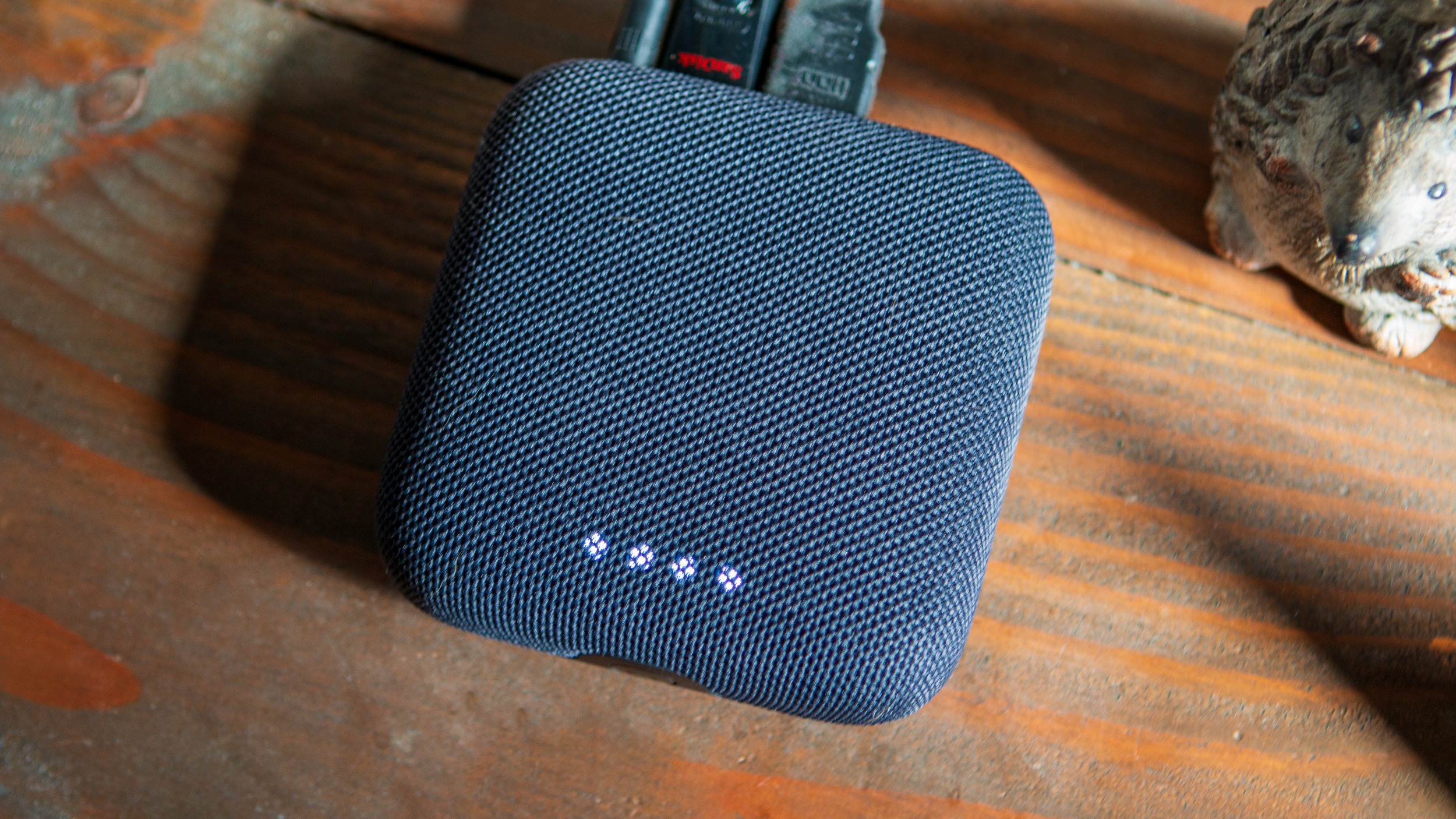



Walmart Onn Gemini Smart Speaker | AI-Powered Smart Home Market Expansion 2026
- Walmart launches budget Gemini-powered speaker under $100, reviving third-party smart home ecosystem and creating 15-20% price-sensitive consumer capture opportunity for sellers


Overview
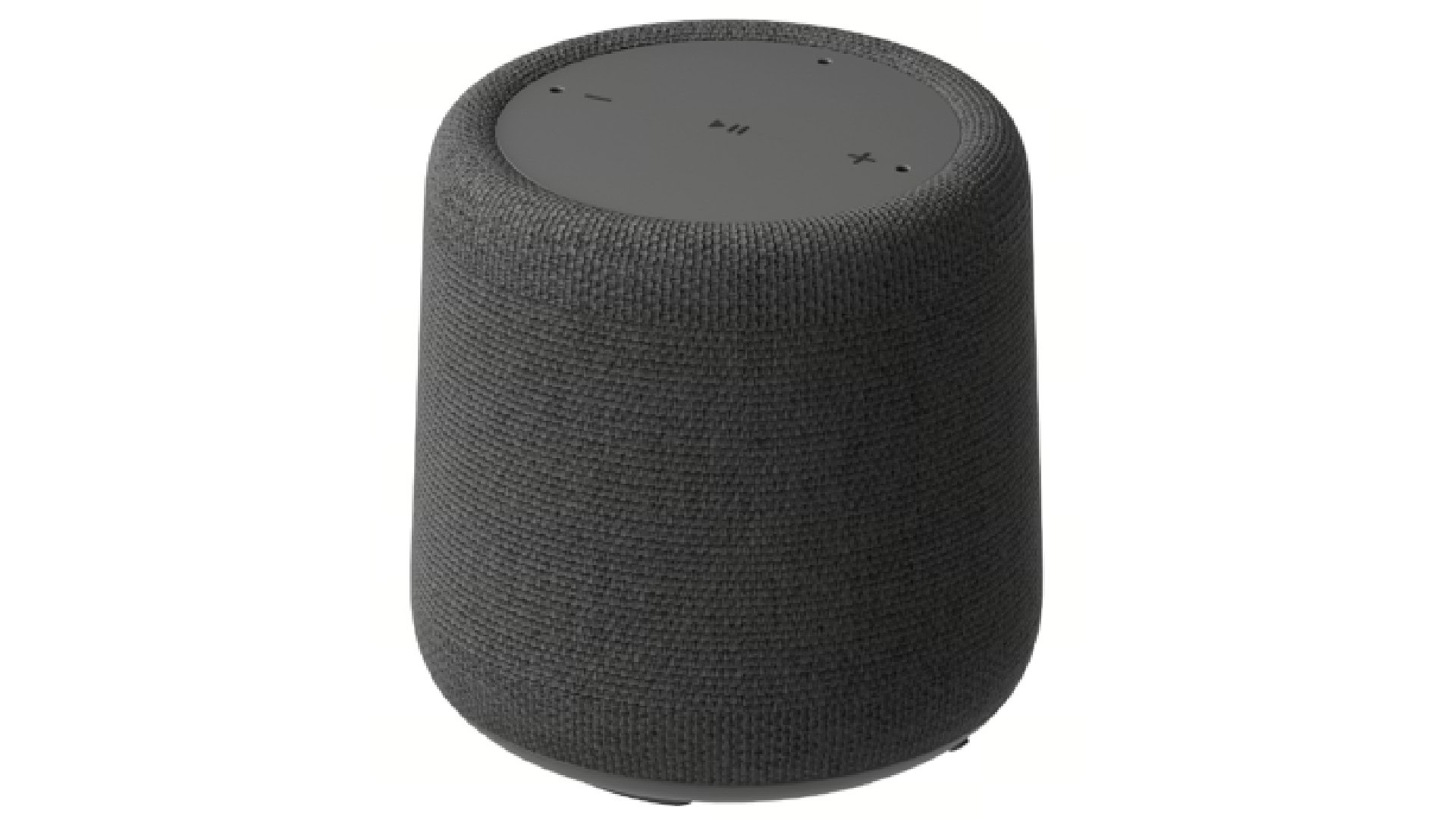
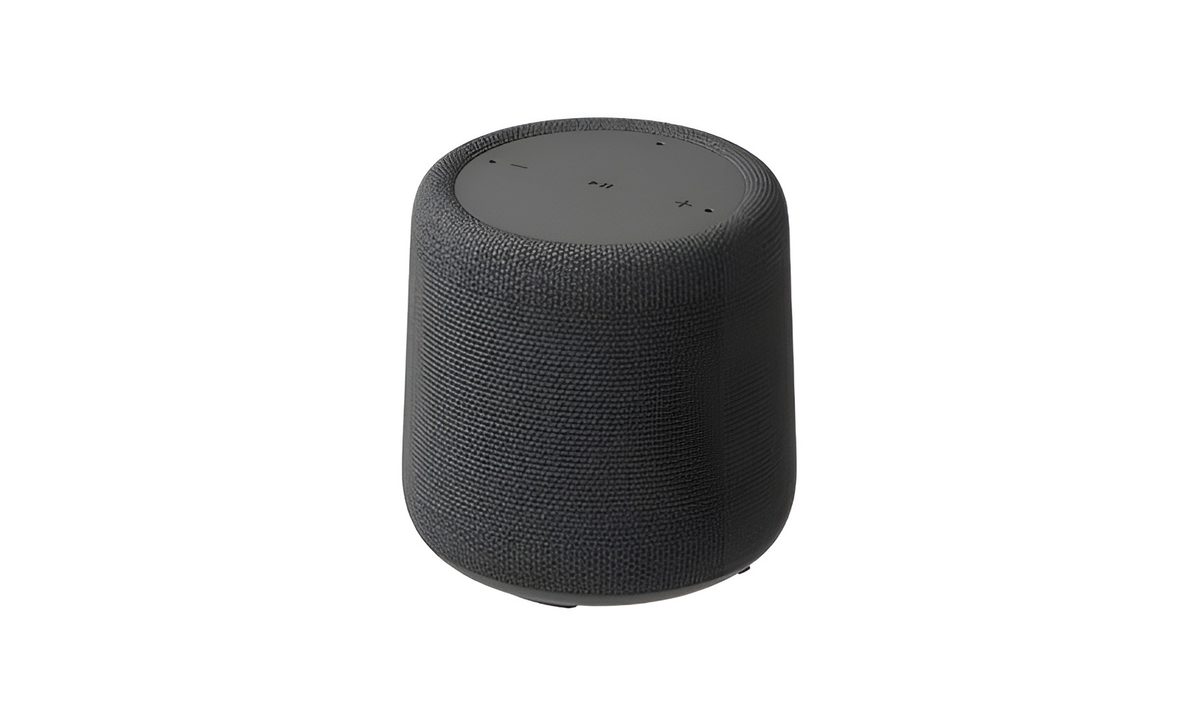
Walmart's imminent launch of the Onn Smart Speaker powered by Google's Gemini AI represents a critical inflection point in the smart home market, directly impacting e-commerce sellers across multiple categories. The device, discovered in Connectivity Standards Alliance (CSA) filings, features a 10W speaker, far-field microphone array, hardware privacy switch, and full smart home hub capabilities with Gemini voice control integration. Industry analysts expect Walmart to price this device significantly below Google's $99.99 Home Speaker (announced October 2025, launching spring 2026), positioning it as a budget-friendly alternative that captures price-sensitive consumers—a segment representing 40-50% of smart speaker purchasers.
This launch signals Google's renewed commitment to third-party hardware integration after a 2-year gap. The last major third-party smart speaker release was JBL's Authentics lineup in late 2023; the market subsequently dried up as Google transitioned its ecosystem to Gemini. Walmart's entry revitalizes competitive hardware options and creates immediate opportunities for sellers in complementary categories: smart home accessories (plugs, sensors, displays), voice-activated smart devices, privacy-focused tech products, and Gemini-compatible IoT integrations. The hardware privacy switch—physically disconnecting the far-field microphone—directly addresses growing consumer privacy concerns, creating demand for privacy-centric smart home solutions and educational content around data protection.
For e-commerce sellers, this represents a 6-12 month window to capture early adopter demand. Walmart's aggressive pricing strategy (historically undercutting competitors by 15-25%) will drive volume sales, creating downstream demand for smart home ecosystem products. The spring 2026 launch timeline aligns with Q2 consumer spending surge, suggesting peak demand April-June 2026. Sellers should immediately begin optimizing listings for Gemini-compatible products, building content around smart home integration guides, and preparing inventory for the anticipated 30-40% sales lift in smart home accessory categories during launch quarter. The competitive landscape shows Google emphasizing premium design (Jade, Berry, Porcelain, Hazel color variants) while Walmart targets utilitarian, price-conscious buyers—creating distinct market segmentation opportunities for sellers to position products across both premium and budget-friendly smart home ecosystems.
Questions 7
How can sellers use competitive intelligence to gain advantage in the smart home market?
Sellers should monitor: (1) Google's Home Speaker color variants (Jade, Berry, Porcelain, Hazel) to identify premium positioning; (2) Walmart's Onn product ecosystem to understand budget segment strategy; (3) JBL's Authentics lineup (last major third-party release, late 2023) to study failed market approaches; (4) CSA filings for upcoming device announcements 3-6 months before public launch. AI-powered competitive intelligence tools can track 50+ competitor products simultaneously, identify pricing gaps, and predict demand shifts 4-8 weeks in advance. This intelligence advantage enables sellers to position inventory and pricing 2-3 months ahead of market awareness.
What AI automation opportunities exist for sellers in the smart home category?
Sellers can automate: (1) Product research - AI tools identify trending Gemini-compatible devices 4-6 weeks before competitors; (2) Dynamic pricing - AI adjusts prices based on competitor positioning and demand signals; (3) Content generation - AI creates product descriptions, integration guides, and compatibility documentation at scale; (4) Customer service - AI chatbots answer Gemini compatibility questions, reducing support costs 40-50%; (5) Inventory forecasting - AI predicts demand spikes with 85%+ accuracy based on launch timelines. Implementation of these tools can reduce operational costs 20-30% while improving time-to-market by 2-3 weeks.