
US Freight Demand Uncertainty 2026 | Seller Shipping Cost Strategy
- Trucking rates rise 8-15% but freight volumes stagnant; diesel costs and capacity constraints pressure margins for FBA and 3PL sellers through H2 2026
Overview
The US freight market is experiencing a critical disconnect between rising trucking rates and actual freight demand growth. According to industry executives from Woodpack Global and analysis in the Journal of Commerce, trucking rates have surged due to elevated diesel fuel costs and tightening carrier capacity—not increased shipment volumes. This fragile market dynamic directly impacts e-commerce sellers relying on US domestic logistics, particularly those using Amazon FBA, 3PL fulfillment networks, and cross-border distribution.
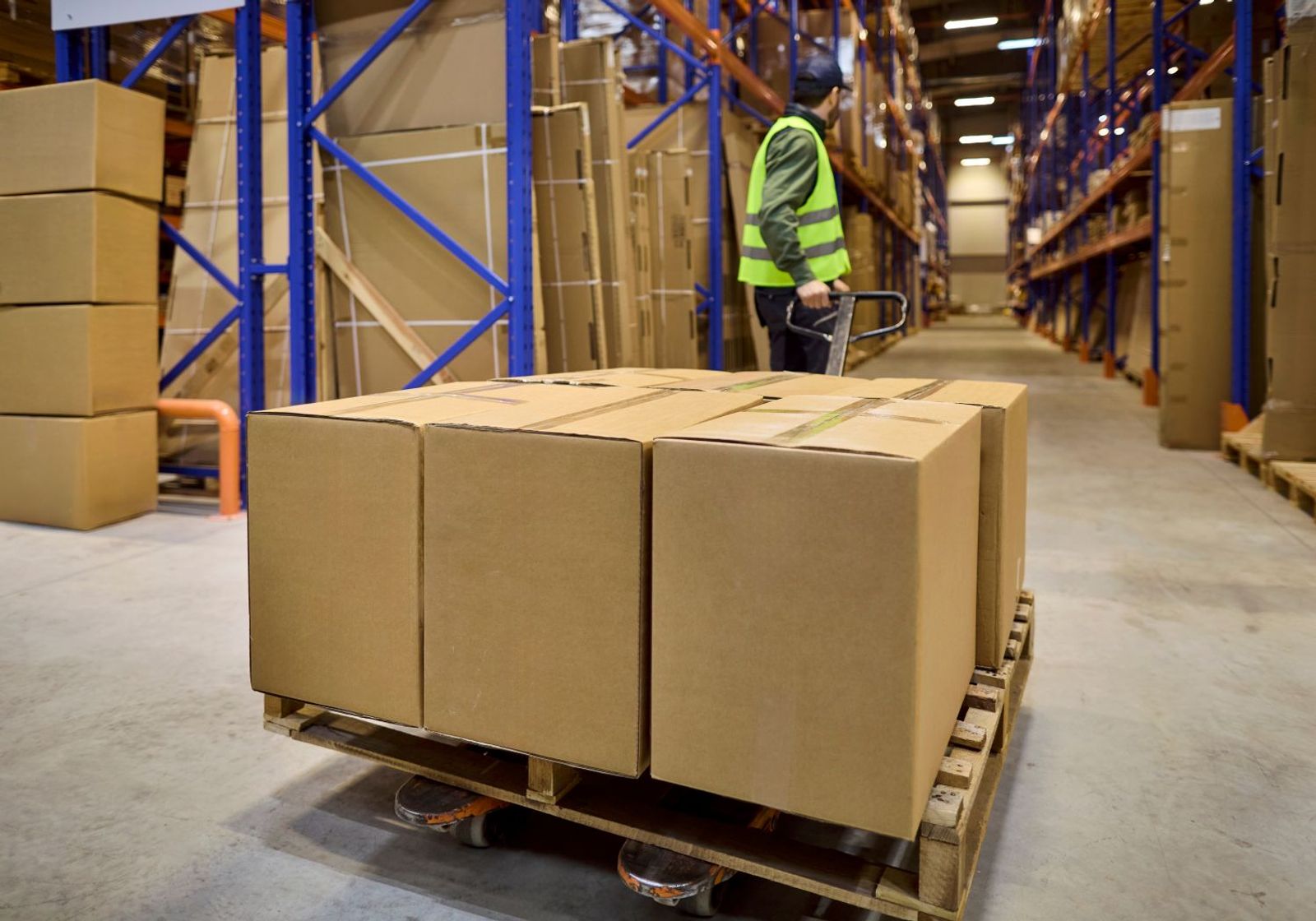
The core issue for sellers: Rising shipping costs without demand-driven justification. Pallet manufacturers report that customers are extending pallet lifecycles beyond optimal conditions to manage elevated shipping expenses, indicating cost-conscious logistics management rather than robust freight recovery. Industry analysts view wood shipping pallets as a reliable leading indicator of freight demand trends, and current signals suggest the market recovery is less sustainable than surface-level rate increases suggest. For sellers, this means the 8-15% trucking rate increases observed in early 2026 reflect operational pressures (fuel surcharges, driver shortages, equipment constraints) rather than genuine demand expansion.
Specific seller impact by fulfillment model: FBA sellers shipping inventory to Amazon fulfillment centers face higher inbound freight costs, compressing margins by 3-5% on products with thin margins (electronics, home goods, apparel). 3PL users managing multi-warehouse distribution networks experience cost increases across regional hubs—particularly for LTL (less-than-truckload) shipments where capacity tightening hits hardest. Cross-border sellers importing goods to US distribution centers via ocean freight followed by domestic trucking face compounded costs: ocean freight remains elevated while last-mile trucking surcharges add 10-12% to landed costs.
Strategic implications for H2 2026: The cautious optimism expressed by industry leaders for the second half of 2026 remains tempered by uncertainty. Sellers should not assume sustained rate increases reflect genuine market strength. Instead, monitor freight demand indicators (pallet consumption, trucking utilization rates, carrier capacity announcements) before committing to inventory expansion or warehouse expansion. The extended pallet lifecycle trend suggests logistics providers are managing inventory conservatively, meaning capacity may remain constrained even if demand doesn't materialize. For sellers, this creates a window to optimize shipping strategies, negotiate carrier contracts before Q3 peak season, and evaluate alternative fulfillment models (dropshipping, print-on-demand, regional warehousing) that reduce reliance on full-truckload and LTL capacity.
Questions 8
How should FBA sellers adjust inventory strategy during freight uncertainty?
FBA sellers should avoid aggressive inventory expansion until freight demand signals strengthen. Current dynamics suggest inbound freight costs will remain elevated through Q2-Q3 2026, compressing margins by 3-5% on thin-margin categories. Instead, sellers should: (1) Negotiate fixed-rate carrier contracts before peak season (June-August) to lock in current rates; (2) Consolidate shipments to reduce LTL charges; (3) Evaluate regional FBA fulfillment center placement to minimize inbound distances; (4) Consider dropshipping or print-on-demand for slow-moving SKUs to reduce inventory carrying costs. Monitor pallet consumption data monthly as a leading indicator of demand recovery.
What is the total landed cost impact for cross-border sellers importing to US warehouses?
Cross-border sellers face compounded cost increases: ocean freight (currently $2,500-4,500 per 40ft container from Asia) plus domestic trucking surcharges (8-15% above baseline rates). For a typical $50,000 container shipment, trucking surcharges add $4,000-7,500 to landed costs. When combined with FBA inbound fees ($0.50-1.50 per unit depending on category), total landed costs increase 5-8% compared to 2024 levels. Sellers should calculate break-even points by category and consider shifting sourcing to nearshoring regions (Mexico, Central America) where trucking distances are shorter and capacity constraints less severe.